
Best Forex Trading Platforms in Pakistan
Find the best forex trading platform in Pakistan 🇵🇰 with our clear guide! Compare brokers, explore key features, and trade confidently today 📈💼
Edited By
Daniel Morgan
Forex trading apps have become a game-changer for many traders, especially in places like Pakistan where access to global markets is growing fast. But picking the right app is more than just downloading the flashiest or most advertised one. You want something that fits your trading style, offers solid security, and aligns well with local regulations.
In this guide, we’re going to walk through everything you need to know when choosing a forex trading app in Pakistan. From what features really matter to which apps are popular among Pakistani traders, plus the regulatory bits that could save you a headache down the road.
Whether you’re a beginner wanting a smooth start or a seasoned trader looking for reliable tools, we'll cover what to consider so you don’t end up with a clunky or unsafe app. By the end, you’ll have a clear picture of how to find an app that’s not just reliable but tailored to your needs in Pakistan’s trading environment.
Remember: A good app isn’t just about flashy graphics or tons of features; it’s about trustworthiness, ease of use, and strong security — especially when money is on the line.
Choosing the right forex trading app can make or break your trading experience, especially in Pakistan's unique market environment. A good app should give you practical tools for navigating the forex market smoothly, without throwing curveballs that complicate your trades. Whether you're new to trading or a veteran, knowing what features and qualities to look for helps you avoid headaches and focus on what really matters — making smart trades.
Ease of navigation is a game-changer. Imagine trying to place an urgent trade, but you can't find the button or the charts take ages to load. A clean, intuitive interface cuts down your time searching and saves you from costly mistakes. For instance, apps like MetaTrader 4 offer a straightforward layout, where you can switch between your watchlist and different markets without fuss.
Customizable features let you tailor the platform to your style. Some traders prefer seeing multiple charts side-by-side, while others want quick access to alerts or specific indicators. An app that lets you rearrange windows, set preferred themes, or even customize notifications means you trade your way, not the app’s way. cTrader, for example, provides this freedom – letting you adjust almost every visual element for comfort and efficiency.
Forex trading isn’t just about the US dollar and Euro. Most apps provide major and minor pairs — staples like EUR/USD, GBP/USD, or NZD/USD that experience the bulk of activity. These pairs are usually more liquid, offering tighter spreads and better pricing.
But if you’re a Pakistani trader, you might want to keep an eye on exotic currencies relevant to Pakistan like the Pakistani Rupee (PKR) against the USD, or other regional currencies such as the UAE Dirham (AED) or Saudi Riyal (SAR). Not all platforms list these easily, so picking one that does can keep you in the know about local economic trends and opportunities. Apps like MetaTrader 5 often cover a wider range of exotic pairs.
Trading isn’t just about guesswork— it’s about reading the signs. Apps that come packed with indicators and drawing tools help traders analyze price action with greater precision. Tools like moving averages, Bollinger Bands, Fibonacci retracements, and trend lines give context to market moves. For example, the ThinkTrader app offers a variety of these tools, making it easier to spot entry and exit points.
Having access to real-time data and updates is non-negotiable. Prices change in a blink, and even a small lag can cost you money. The best forex apps stream continuous data updates and alert you right away with any sudden market moves. This immediacy is crucial for volatile pairs. For example, the cTrader app is known for its real-time pricing, which is a boon for day traders.
At the end of the day, a forex trading app should put you in the driver’s seat. It’s all about making the data accessible, easy to interpret, and customized to fit your trading habits. Pick one that fits these boxes, and you’re already a step ahead in the game.
When it comes to forex trading, especially on mobile apps, security should never take a back seat. For traders in Pakistan, where digital risks can be amplified due to varying regulations and payment methods, picking an app with solid security features is like having a sturdy lock on your front door. These protections ensure your money and personal details don't end up in the wrong hands. Now, let’s talk about the specific layers of security you should be checking for.
First and foremost is data protection and encryption. Think of encryption as sending a secret message that only the intended recipient can read. Forex apps that use strong encryption standards (such as AES 256-bit) scramble your data when it travels from your phone to the trading servers. This prevents hackers from spying on your usernames, passwords, or financial info. For example, platforms like MetaTrader 4 and cTrader encrypt data to keep users’ transactions safe. Always ensure the app mentions using end-to-end encryption—otherwise, your sensitive info could be exposed on public Wi-Fi or other vulnerable networks.
Another must-have security feature is two-factor authentication (2FA). Simply put, this adds a second layer to the login process beyond just a password. After entering your password, you might be asked to enter a code sent to your phone or generated by an authenticator app. This way, even if someone guesses or steals your password, they can’t get into your account without that second code. For Pakistani traders, 2FA is particularly handy because some accounts may share phones across family members or colleagues, adding an extra shield against unauthorized access.
Regulation acts like a referee in the trading arena—it keeps things fair and holds brokers accountable. Trading with an unregulated broker can be a recipe for disaster: you might never withdraw your profits or suffer from unfair trading practices. Regulatory authorities enforce standards designed to protect traders’ funds and personal information. When choosing an app linked to brokers, ensure the broker is regulated by a reputable body, which means they have to follow strict rules and regularly prove they’re financially sound.
For Pakistani traders, the landscape can get a bit complex. Although the State Bank of Pakistan regulates banking and forex dealings domestically, many forex brokers are licensed abroad but still accept Pakistani clients. It’s wise to look for brokers regulated by well-known entities such as the UK's Financial Conduct Authority (FCA), Australia's ASIC, or Cyprus's CySEC. These bodies enforce strict consumer protection measures and transparency. Avoid brokers or apps with no clear regulatory backing—many scams have popped up due to the absence of oversight.
Picking a forex app isn't just about flashy charts and tools; it's about trust and security. Look for encryption, two-factor authentication, and proper licensing. It might add extra steps to your login, but it’s far better than risking your hard-earned money.
To wrap it up, always check if the forex app mentions these security safeguards prominently in their features. If an app isn't upfront about protecting your data or shows no signs of regulation, that's a big red flag. Your peace of mind while trading depends on these solid security layers, so never settle for less.
Understanding which forex trading apps are commonly used in Pakistan can save traders not only time but also potential headaches. With so many options out there, it can be overwhelming to pick one that’s reliable, user-friendly, and compliant with local regulations. Popular apps tend to have established user bases, good customer support, and necessary features that cater specifically to Pakistani traders' needs—like language options, accepted payment methods, and relevant currency pairs.
MetaTrader 4 (MT4) and MetaTrader 5 (MT5) are two of the most widely used forex trading platforms in Pakistan and globally. MT4, introduced over a decade ago, is favored for its simplicity and dependable performance, mainly geared toward forex and CFDs. MT5, its newer version, includes additional asset classes like stocks and futures, plus features like an improved economic calendar and more timeframes.
For Pakistani traders, these platforms provide extensive charting tools, algorithmic trading with Expert Advisors (EAs), and access to a vast community for strategy sharing. The apps are available on both Android and iOS, making them accessible for most smartphone users.
Pros:
Wide broker support means most Pakistani traders can link it with their preferred brokers.
Robust community for shared trading strategies and plugins.
Customizability through EAs and indicators.
Cons:
MT4 focuses mainly on forex and CFDs, less suitable if you want to diversify into other markets.
MT5, despite being more advanced, has a steeper learning curve.
UI feels a bit dated compared to newer apps with more modern designs.
cTrader offers a fresh take compared to MetaTrader, focusing heavily on user experience and transparency. It includes an intuitive interface, level II pricing, and fast order execution, which many professional traders appreciate. Additionally, cTrader supports algorithmic trading via cAlgo and has integrated social trading options, allowing Pakistani traders to observe and copy successful strategies.
What's more, its detailed charting tools are especially handy for traders wanting to do technical analysis on the go.
Though cTrader isn’t as universally supported as MT4/MT5 in Pakistan, it’s gaining traction. Traders looking for more advanced execution and transparency might prefer this app. And because it offers access to ECN pricing—typically lower spreads and no requotes—it suits those aiming to minimize trading costs. However, not all local brokers provide cTrader, which limits its accessibility somewhat.
A few Pakistani brokers have started offering their own proprietary trading apps to accommodate local market nuances better. Brokers like Alpari Pakistan, SMC Global Securities, and Titan FX Pakistan have apps tailored to local preferences and regulatory requirements.
Local apps often integrate with Pakistani payment systems like Easypaisa and JazzCash, making account funding and withdrawals smoother.
Customer support in local languages improves problem-solving efficiency.
These apps may also feature localized news and updates relevant to Pakistani traders, unlike global platforms that don’t cater to regional specifics.
Choosing the right app is about balancing global features with local convenience. Popular global platforms offer powerful tools and wide market access, while broker-specific apps deliver integration and localized support.
In summary, Pakistani traders have a solid range of forex apps to choose from, depending on their trading style, need for features, and preference for local support. Deciding between a tried-and-true platform like MetaTrader or a newcomer like cTrader will come down to individual priorities, while broker apps fill in gaps for local integration and convenience.
Choosing the right forex app hinges heavily on how you trade. Every trader from Pakistan has unique habits, goals, and experience levels — so a one-size-fits-all app rarely works well. Matching your app choice to your trading style isn’t just smart, it’s necessary for making your trading journey smoother and more productive.
For instance, a beginner might thrive with something straightforward that helps build foundational skills. Meanwhile, an experienced trader may need an app loaded with advanced features to execute complex strategies quickly. Understanding your needs lets you avoid clutter and focus on tools that truly matter.
When starting out in forex trading, an app with a simple, intuitive interface is a big deal. Imagine diving into MetaTrader 4 without a guide versus navigating a clean app like RoboForex’s mobile platform designed for newbies. The latter makes a huge difference because it reduces confusion.
Key traits of user-friendly apps include easy navigation menus, straightforward order placement, and clear labeling. Such design lowers the barrier to entry, helping beginners focus on learning rather than struggling with the app itself. This encourages confidence and patience while trading.
No one learns forex overnight, so apps that throw in educational content add outstanding value. Look for platforms offering tutorials, videos, and demo trading features. For example, platforms like IQ Option offer built-in learning modules that break down forex basics in digestible chunks.
Educational resources act like a guide in the tricky forex world, helping beginners understand market mechanics, risk management, and trading psychology without being overwhelmed. This helps in developing better habits from day one, an advantage which is often overlooked.
If you’ve got some miles under your belt, basic indicators won’t cut it anymore. Experienced traders need detailed charting, custom indicators, and flexible order types. MetaTrader 5 is a frequent pick due to its extensive suite of analytical tools and multi-asset support.
These advanced tools empower traders to analyze trends with precision, test different strategies, and react swiftly to market moves. They’re essential for anyone serious about fine-tuning trades and gaining an edge in highly competitive markets.
Automation is the big game changer for seasoned traders. Apps supporting algorithmic trading allow setting rules-based strategies that execute orders automatically. Platforms like cTrader support integration with custom trading bots and APIs, perfect for traders who want to optimize without being glued to the screen.
Automated trading helps maintain discipline, reduce emotional mistakes, and backtest strategies instead of relying on guesswork. This is especially useful in volatile markets, common for Pakistani traders dealing with exotic currency pairs.
Tailoring your forex app choice according to your trading style enhances your overall performance and satisfaction. Beginners benefit from simplicity and education, while experienced traders thrive on advanced tools and automation capabilities.
Choosing wisely saves time, money, and frustration — three things every trader can’t afford to waste.
When it comes to forex trading apps, the costs and fees can make or break your overall profitability. Many traders overlook this detail, focusing only on the platform's features or user experience. But in reality, knowing how these fees work helps you avoid nasty surprises and keeps your trading budget in check. This is especially important for traders in Pakistan who want to maximize their returns without hidden costs eating into their profits.
Forex trading isn’t just about picking the right currency pairs or having a sharp eye on price movements; it also means understanding the financial implications behind every trade, deposit, or withdrawal. So, before you start trading on any platform, it's worthwhile to dig into the fee structure. It's not all about flashy interface or fancy bells and whistles anymore—sometimes, a small spread difference or a hidden withdrawal fee can quietly chip away your hard-earned money.
This section breaks down the main types of fees you should expect and scrutinize when choosing a forex trading app.
The spread is the difference between the buying price (ask) and the selling price (bid) of a currency pair. Basically, it’s the fee brokers charge for executing trades. A smaller spread means tighter pricing and less cost on your end per trade. Some apps, like MetaTrader 4, offer low spreads on major pairs like USD/PKR or EUR/USD, but minor and exotic currency pairs often come with wider spreads.
Commissions, on the other hand, are direct fees charged per trade in addition to the spread. Not all brokers charge commissions; some make their money solely on spreads. However, certain Pakistani traders using platforms tied to international brokers like IG or Saxo Bank might encounter both spreads and commissions.
For practical perspective, if you open a position with a 2 pip spread on USD/PKR and the currency moves against you by 3 pips, you've barely earned anything after cost. So, apps that offer consistently low spreads and minimal commissions generally help save costs in the long haul.
Funding your trading account or cashing out your profits involves another set of fees often overlooked until faced with them. Many Pakistani traders rely on local payment methods like Easypaisa or JazzCash, which can have variable fees depending on your broker’s policies.
For example, some apps may allow free deposits but charge a fixed amount or percentage when withdrawing funds. A common pitfall players fall into is choosing brokers that impose fees on both ends, quickly stacking up unnecessary costs.
International transfers, especially those in USD or other foreign currencies, can attract conversion charges by your bank or e-wallet. A popular broker might charge $25 for wire withdrawals, which translates to sizeable sums in Pakistani rupees after exchange rates and banking fees are factored in.
Always verify the fee structure related to deposits and withdrawals to avoid frustrating delays or unexpected expenses.
The forex world is no stranger to fees lurking in the shadows. Apart from spreads and explicit commissions, there can be a bunch of other hidden charges that catch traders off guard.
Some of these include:
Inactivity Fees: If you leave your account idle for months, brokers might deduct a monthly fee.
Overnight Financing Fees (Swap Rates): Holding positions overnight can come with costs, especially if you're trading exotic pairs with less liquidity.
Currency Conversion Fees: If your base account currency differs from the currency you’re trading, brokers may slap on conversion charges.
Account Maintenance Fees: Some platforms charge fees just for keeping your account open.
Say you’re trading on a popular app like cTrader; you might not immediately spot these extras until you review the fine print. It pays off to ask the broker directly or check user reviews to catch these hidden fees upfront.
Keep this in mind: Choosing a forex trading app with clear, transparent fees isn't just about saving money; it’s also about trust and peace of mind.
Understanding these costs thoroughly allows Pakistani traders to pick apps that suit their strategy and budget, instead of being caught off guard by fees that chip away profits quietly over time.
When picking a forex trading app, knowing how you'll fund your account is just as important as the app's features. In Pakistan, traders need convenient, secure, and cost-effective payment methods to move money swiftly without as many roadblocks. After all, delays or extra fees can eat into potential profits or cause missed trading chances.
Local payment options often offer easier access than international ones, avoiding high conversion fees and lengthy processing times. Combining local wallets with traditional bank transfers provides flexibility, keeping your money flows smooth so you can focus on trading rather than chasing funds.
Mobile wallets have exploded in popularity here, providing quick, digital alternatives to cash or bank cards. They’re especially handy for forex traders who need speedy deposits and withdrawals.
Easypaisa is probably the most popular mobile wallet in Pakistan, thanks to its widespread acceptance and user-friendly interface. Many forex brokers now accept Easypaisa deposits, making it super straightforward to top up your trading account. With just a few taps, you can transfer funds directly without having to visit a bank or ATM.
One key perk is how quickly transactions settle. Unlike some traditional routes where money may take a day or longer to arrive, Easypaisa often processes instantly or within minutes, letting you jump on trading opportunities straight away. Plus, it doesn’t matter if you’re in Karachi, Peshawar, or a smaller town – Easypaisa’s reach is nationwide.
Tip: Keep your Easypaisa account verified and linked properly to your broker to avoid hiccups during transfers.
JazzCash is another giant in the local payment scene, and it works pretty much the same way as Easypaisa. One difference is that some brokers offer promotions or incentives for using JazzCash, so it’s worth checking if you can benefit from that.
JazzCash also provides various payment options like QR code scans and payment through agents, giving traders added convenience. It's quite popular among younger traders who are used to mobile-first services.
Both Easypaisa and JazzCash support deposits and withdrawals, but fees and limits can vary. It’s smart to review the terms on your broker's platform to avoid surprises.
For many traders, especially those dealing with larger sums, bank transfers remain the go-to choice. Pakistani banks like Habib Bank Limited, United Bank Limited, and MCB offer international wire transfers, which are essential when working with foreign forex brokers.
Bank transfers tend to be more secure but slower, sometimes taking 2-5 business days, and can involve higher charges on both ends. It’s good practice to compare these costs beforehand and confirm if the trading platform charges additional fees for receiving wire transfers.
Besides domestic banks, international payment services like Skrill, Neteller, and Tether (USDT) have gained some traction among Pakistan traders. These allow for quick cross-border payments, often with lower fees than banks. However, not all brokers support every international method, so confirming compatibility is crucial.
Remember: You should always check your broker’s deposit and withdrawal policies tied to payment methods, as restrictions or processing times can differ significantly.
In summary, using mobile wallets like Easypaisa and JazzCash offers quick, convenient funding options for small to medium deposits. For larger trades, bank transfers and international e-wallets provide necessary alternatives despite extra costs or time. Knowing these options well helps you pick the best payment approach that fits your trading style and needs.
Navigating the world of forex trading through mobile apps can be convenient, yet it comes with its own set of risks and challenges. It’s vital to be cautious and informed to protect both your investment and personal data. In Pakistan especially, where the market is growing rapidly, understanding how to trade safely on mobile platforms can save you from common pitfalls. Here we cover key tips every trader should follow to keep their trading experience secure and smooth.
One of the biggest risks in mobile forex trading is falling prey to scams or using fraudulent platforms. These often promise unrealistic returns or employ aggressive marketing to lure new traders. Always opt for well-known and regulated apps like MetaTrader 4, MetaTrader 5, or platforms endorsed by reputable Pakistani brokers such as IG Markets Pakistan.
Be wary of apps that lack clear licensing information or pressure you to deposit large sums quickly. If an app is missing user reviews or has overwhelmingly negative feedback on forums or app stores, steer clear. Remember, if it sounds too good to be true, it probably is.
Regularly check if the broker or app is registered with recognized regulatory bodies like the Securities and Exchange Commission of Pakistan (SECP) or international entities like the FCA or CySEC.
Scammers often update their tactics, so staying informed is your strongest defense.
Updates aren’t just about adding new features—they often include vital security patches that protect your data and transactions. Using outdated forex apps exposes you to vulnerabilities, including hacking and data theft.
Most reputable forex apps send notifications when an update is available. Don't ignore these alerts; install updates promptly. For example, the MetaTrader platforms frequently release updates that fix bugs affecting order execution speed and data encryption.
Besides security, updates often improve app stability and user experience, which can be crucial during fast-moving market conditions. If your app doesn’t offer regular updates, it might be behind in maintaining security standards.
Strong passwords are foundational in protecting your trading account. Avoid simple passwords like "123456" or "password"—these are like open doors to your account. Instead, use a mix of letters, numbers, and symbols that nobody could guess. Using a password manager can help generate and store complex passwords.
Furthermore, enable two-factor authentication (2FA) whenever possible. This adds an extra layer of protection by requiring a second form of verification, like a text message code or an authenticator app.
Pakistani traders should especially avoid using public Wi-Fi when logging into their forex apps because these networks may be insecure. Instead, stick to trusted private networks or use a VPN app for added security.
By following these safety tips—avoiding shady platforms, keeping your app updated, and securing your account with tough passwords and 2FA—you can trade forex on mobile apps with far greater confidence and peace of mind.
Understanding the regulatory environment and legal framework surrounding forex trading apps in Pakistan is not just a good idea—it’s absolutely necessary. Without a clear grasp of these rules, traders risk running into trouble, from blocked accounts to legal penalties. This section breaks down the essentials to keep you on the right side of the law while trading.
The State Bank of Pakistan (SBP) plays a key role in regulating foreign exchange activities, including forex trading. While SBP mainly oversees banks and financial institutions, it has also issued directives affecting retail forex trading. For instance, Pakistani traders are generally encouraged to use authorized dealers or brokers regulated by recognized entities to avoid illegal transactions.
One of the practical impacts is on how you fund your trading account. SBP guidelines often restrict direct transactions with offshore platforms unless through legal channels, so apps supporting local payment methods like Easypaisa or JazzCash are a plus. If you try to make payments that violate SBP rules, you might face blocked transfers or legal action. Therefore, choosing a forex app that aligns with SBP regulations helps prevent any headaches.
Remember: Ignoring SBP guidelines can lead to frozen funds or trouble with tax authorities down the line. Trading within the legal framework is safer and smoother.
Forex profits don’t escape taxation in Pakistan. The Federal Board of Revenue (FBR) treats income from forex trading as taxable. Traders are expected to declare profits under the head of capital gains or business income, depending on their trading frequency and style.
For example, a casual trader making a few trades per month may fall under capital gains tax, while a professional trader with daily trades might face business income tax rates. Importantly, losses can sometimes be offset against gains if properly documented. Many new traders overlook this aspect, leading to surprises during tax filing season.
Using apps that provide clear transaction histories and reports can aid in preparing tax returns accurately. Pakistani traders should also keep an eye on changing tax regulations, as the government’s stance on digital and forex income evolves.
Legal considerations don’t stop at complying with SBP and tax rules. Here are some points every trader should remember:
Choose regulated brokers and apps: Using brokers licensed by respected regulators (like FCA, CySEC, or local authorities) reduces fraud risk.
Avoid unlicensed platforms: Many shady apps promise huge returns but end up scamming traders.
Understand AML/KYC requirements: Most legitimate apps require identity verification to prevent money laundering—a sign that they’re playing by the rules.
Stay informed about import/export restrictions: Pakistan’s laws regarding currency exchange might affect how you send and receive funds.
Ignoring these can not only cause financial loss but also legal trouble. It’s wise to consult a local financial advisor or legal expert when in doubt.
In summary, staying informed about the regulatory environment and legal requirements helps Pakistani forex traders avoid pitfalls. It ensures smooth deposits and withdrawals, proper tax handling, and shields you from fraudulent schemes. Picking the right forex trading app means more than just features and fees; it means trusting a platform that respects Pakistani laws and safeguards your trading livelihood.
Find the best forex trading platform in Pakistan 🇵🇰 with our clear guide! Compare brokers, explore key features, and trade confidently today 📈💼
Looking for the best forex trading platform in Pakistan? Discover key features, security, costs, tools, and support to pick the right fit for you 📈💼

📱 Discover the best forex trading apps in Pakistan! Learn key features, compare top platforms, and understand security & regulations for confident trading. 🇵🇰
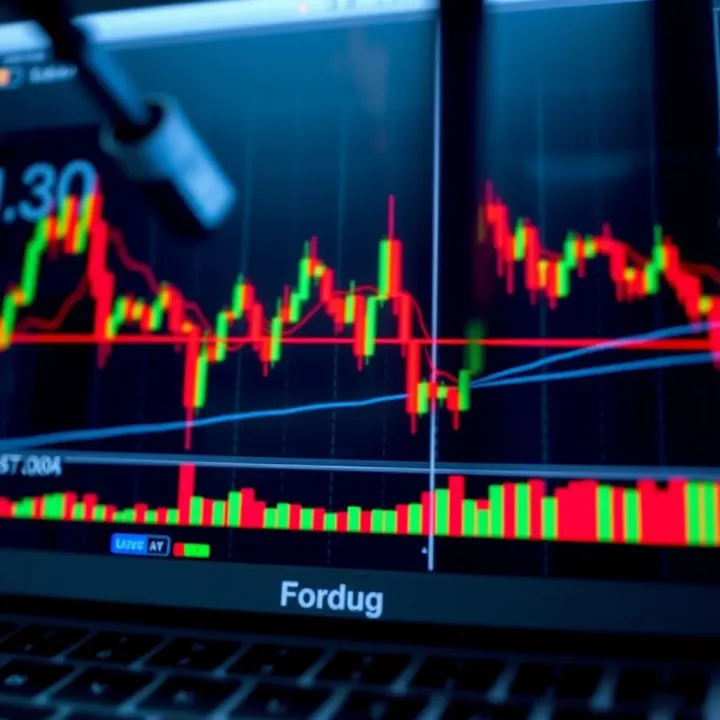
📈 Discover how to pick the best forex trading indicators for the Pakistan market. Learn about popular tools, risk management, and trading styles! 💹
Based on 12 reviews