

How to Start Forex Trading in Pakistan
🌐 Learn how to start forex trading in Pakistan with practical steps on choosing brokers, managing risks, and staying within legal rules in Pakistan's market.
Edited By
George Harris
Forex trading has become popular among many Pakistanis looking to grow their savings beyond traditional methods like fixed deposits or stocks. It involves buying and selling currencies against each other, aiming to profit from fluctuations in exchange rates. However, forex trading is not a get-rich-quick scheme; it demands a solid understanding, discipline, and risk management.
In Pakistan, participating in the forex market comes with unique challenges. Regulatory frameworks and access to reliable trading platforms vary. Local traders need to follow guidelines set by the Securities and Exchange Commission of Pakistan (SECP) and be aware of tax obligations through the Federal Board of Revenue (FBR). Choosing a broker authorised by the Pakistan Telecommunication Authority (PTA) or recognised internationally helps ensure safety against scams.
To start, traders should focus on platforms that support Pakistani Rupee (PKR) accounts and offer smooth deposit and withdrawal options via JazzCash, Easypaisa, or bank transfers. These not only ease transactions but also reduce currency conversion costs. For example, using a broker that supports direct PKR deposits through Easypaisa saves on forex conversion fees.
Successful forex trading in Pakistan requires applying tested strategies like trend following, swing trading, or scalping, combined with risk controls such as setting stop-loss orders and limiting leverage. Most importantly, beginners should focus on demo accounts first, practising without real money until confident.
Remember, the forex market operates 24 hours, so managing trading times to avoid overnight risk is especially helpful when balancing with work or studies.
By understanding legal aspects, picking the right brokers, practising strategies, and managing risks carefully, Pakistanis can participate in forex trading with a safer and more effective approach. This article will guide you through each step to help you make informed decisions and protect your capital.
Forex trading has become a significant topic in Pakistan's financial circles due to its potential for income generation and its accessibility through online platforms. Understanding forex trading is essential for Pakistani traders because it allows them to engage with a global financial market that operates 24/7, offering opportunities beyond local investment options. This understanding helps mitigate risks and make informed decisions suited to the nation's unique economic environment.
At its core, forex trading involves the exchange of one currency for another to profit from changes in exchange rates. For example, a trader might buy the US dollar (USD) against the Pakistani rupee (PKR) expecting the USD to strengthen, then sell it later at a higher rate. This constant buying and selling of currency pairs is the essence of forex trading.
This mechanism is practical for Pakistani traders who deal with remittances or international purchases. By understanding currency behaviour, they can protect themselves against adverse fluctuations or take advantage of favourable shifts.
Participants in the forex market range from central banks and multinational corporations to individual investors and retail traders. In Pakistan, retail traders are growing in number, joining alongside banks and import-export businesses.
For instance, a Pakistani exporter might participate in forex trading to hedge against currency risk, while individuals use speculative trading to seek profits on price movements. Knowing who is active in the market gives traders insight into market depth and volatility.
The forex market operates non-stop during weekdays, cycling through major trading hubs: Sydney, Tokyo, London, and New York. This global coverage means Pakistani traders can access the market at any convenient time, even during the night.
This round-the-clock nature helps traders respond immediately to international events impacting currencies. It also calls for discipline to choose trading hours matching market volatility and personal schedules.
Online platforms make forex trading accessible to Pakistani traders with only an internet connection and a mobile device. Platforms such as MetaTrader or those offered by brokers accepting Pakistan clients enable easy account setup and fund transfers via JazzCash or Easypaisa.
This ease contrasts with traditional investments that often involve lengthy paperwork or higher capital. It opens opportunities not only for urban dwellers but also for people in smaller cities.
Many Pakistanis turn to forex trading attracted by the promise of earning money beyond fixed salaries or local business profits. With careful study and strategy, traders aim to profit from exchange rate fluctuations.
However, real income comes only with experience, risk control, and persistence. Unlike gambling, forex trading requires skill, knowledge, and discipline to yield steady returns.
Compared to real estate or stock market investments in Pakistan, forex trading offers lower entry costs and greater liquidity. While property investment needs substantial capital and involves legal processes, forex trading allows starting with small amounts and quick transaction settlement.
That said, forex trading carries different risks like market volatility and regulatory uncertainty, which are less pronounced in sectors like fixed deposits or government bonds. Thus, traders must carefully weigh these factors before investing.
Understanding these elements is necessary for anyone in Pakistan considering forex trading. It provides the foundation for safer and more effective trading decisions, adapted to local conditions and global market demands.
Understanding the regulatory framework is key for Pakistani traders to navigate forex trading safely and without legal trouble. The State Bank of Pakistan (SBP) and other authorities control the foreign exchange environment and set rules that every trader should know. Without compliance, traders risk penalties, frozen accounts, or worse, financial loss due to unauthorized practices.
The SBP keeps a close eye on currency controls and foreign exchange rules. Pakistani residents must comply with strict guidelines regarding buying and selling foreign currencies. For example, the SBP does not allow direct cross-border forex trading through unapproved channels. Instead, all forex transactions should go through licensed banks or authorised dealers. This ensures foreign exchange flows remain stable and transparent, preventing illegal money transfers or unregulated speculation.
Permissible forex activities in Pakistan include investing in overseas stock markets through approved brokers or remittances via legal channels like banks or recognised exchange companies. Restricted activities are frequent with unregulated overseas brokers claiming to offer forex accounts with Pakistani rupee funding — these are often illegal. Trading forex pairs that include the Pakistani rupee on unlicensed platforms can violate SBP rules. Traders should only use channels licensed for foreign exchange operations to avoid violations that could block their funds or invite legal penalties.
One major risk is dealing with unregulated forex brokers. Such entities might promise high leverage or fast profits but lack accountability. If a broker is not registered with international regulators or does not appear on the SECP (Securities and Exchange Commission of Pakistan) watchlist, Pakistani traders face the danger of fraud or sudden withdrawal restrictions. Losses with these brokers are rarely recoverable.
To minimise risk, traders should stick to trading on PTA (Pakistan Telecommunication Authority)-approved platforms. These platforms undergo security checks, comply with local laws, and ensure data privacy. For instance, using a PTA-approved app helps avoid compliance issues with internet service providers and federal authorities, reducing the chance of sudden account suspension.
Finally, CNIC (Computerised National Identity Card) verification is essential. Legitimate brokers and platforms require CNIC submission for identity confirmation and Anti-Money Laundering (AML) compliance. It protects traders from identity theft and ensures only verified individuals participate in trading, which helps maintain transparent records. Moreover, unverified accounts might face funding restrictions or closure.
Careful adherence to SBP guidelines, selecting approved platforms, and verifying identity via CNIC are practical steps to ensure your forex trading stays legal and your money safe in Pakistan.
In summary, understanding and respecting Pakistan’s legal framework around forex trading is not just bureaucratic formality — it is a practical necessity. It shields traders from scams, supports smooth fund transfers, and keeps you in the clear with authorities. As a trader in Pakistan, knowing what the SBP permits, avoiding unregulated brokers, trusting PTA-approved platforms, and completing CNIC verification will help you to trade efficiently and securely.
Selecting the right forex broker and trading platform holds the key to safe and profitable trading. In Pakistan’s financial landscape, where regulatory standards and infrastructure pose unique challenges, choosing a trustworthy and suitable broker ensures your investments are protected and the trading experience is smooth.
Regulation is non-negotiable when picking a forex broker. For Pakistani traders, brokers regulated by recognised authorities like the Financial Conduct Authority (FCA) in the UK or the Australian Securities and Investments Commission (ASIC) offer a layer of safety. Such regulation means the broker adheres to strict standards, including client fund segregation and transparent operations. Avoid unregulated firms, which often lack accountability and can disappear with your investment.
Trustworthiness extends beyond paperwork. You want a broker with a solid track record, positive user reviews, and clear policies on withdrawals and fees. For example, brokers like IG Markets and Pepperstone are popular choices because they’ve earned the confidence of international traders over the years. Karachi or Lahore-based traders have reported ease of dealing with such brokers even from Pakistan.
A clean, intuitive trading interface helps you focus on market movements rather than struggling with confusing layouts. Look for platforms offering straightforward navigation, clear charts, and easy order execution.
For instance, MetaTrader 4 and MetaTrader 5 are favourites globally for their balanced design and functionality. These platforms provide customisable charts, multiple indicators, and automated trading scripts, making them suitable for both beginners and experienced traders. User-friendly interfaces reduce mistakes that happen due to platform complexity, which is crucial for those trading amidst busy Pakistani lifestyles.
Forex brokers offer various account types tailored to different trading styles and capital sizes. Pakistani traders can choose from standard accounts, micro accounts, or Islamic accounts, the latter complying with Shariah law by avoiding interest charges.
Leverage is a double-edged sword. While it can magnify profits, it also increases risk. Brokers typically provide leverage from 1:10 up to 1:500. Pakistani traders must select leverage wisely to protect capital, especially since the rupee’s volatility can impact trading outcomes. Many experienced traders in Pakistan advise starting low on leverage — say 1:50 — to manage risk effectively.
Not all foreign brokers accept Pakistani clients, so finding ones that do is vital. Top international brokers like XM, FXTM, and AvaTrade welcome Pakistani registrations. Their platforms support multiple languages and currencies and comply with international standards, offering reassure when trading forex from Pakistan.
Ease of depositing and withdrawing funds is essential. Brokers that integrate with JazzCash or Easypaisa streamline payment processes, allowing Pakistani traders to fund accounts without costly bank transfers or currency conversion delays. This local integration also means faster transaction times — a big plus when you want to react quickly to market changes.
Given Pakistan’s growing smartphone use, having a robust mobile app is crucial. Leading brokers offer mobile versions of their trading platforms with nearly full functionality, including real-time charts, trade execution, and account management.
For example, MetaTrader’s mobile app is widely used because it allows traders to monitor positions while commuting or during loadshedding hours. Good mobile apps should also work well on lower-end devices and be data-efficient to suit Pakistani internet conditions. This accessibility keeps traders connected and ready to act whenever opportunities arise.
Choosing a broker isn’t just about commissions or spreads; it’s about safety, convenience, and reliability tailored to Pakistan’s unique market environment. Always research and test platforms through demo accounts before committing real money.
By focusing on regulated brokers, user-friendly platforms, flexible account options, and local payment methods, Pakistani forex traders can trade confidently and manage risk effectively.
Success in forex trading largely depends on adopting effective strategies tailored to the volatile nature of currency markets. Pakistani traders aiming to earn steadily must focus on analysing markets correctly and managing risks smartly. These strategies help navigate fluctuations, reduce emotional mistakes, and optimise returns over time.
Economic news and indicators shape currency values, making fundamental analysis crucial. For example, changes in Pakistan’s interest rates or inflation numbers can influence the rupee’s strength against the dollar. Traders watch data releases like GDP growth or SBP monetary policy reports, using this info to anticipate currency moves. Staying updated with global events, such as oil price shifts or US Federal Reserve decisions, also guides entry or exit decisions.
Reading charts and price action helps traders understand market sentiment beyond news. Price charts reveal patterns, trends, and key levels like support and resistance. For instance, if the USD/PKR pair repeatedly bounces near a certain level, it signals a potential buy or sell zone. Recognising upward or downward trends lets traders align their moves with the dominant market direction, improving odds of profit.
Popular technical indicators serve as tools to confirm analysis or generate trade signals. Moving averages smooth price data to highlight trends; Relative Strength Index (RSI) shows if a currency is overbought or oversold, hinting at potential reversals. For example, if RSI crosses above 70, a trader might prepare to sell, expecting a dip. Using these indicators alongside chart reading builds a robust trading strategy.
Managing leverage and exposure is key to protect your capital. Forex brokers offer high leverage—sometimes up to 100:1—but using this without caution can wipe out an account quickly. Pakistani traders should start with low leverage, say 10:1, ensuring that a small adverse move doesn't cause heavy losses. Only risking 1–2% of capital per trade helps keep losses manageable across volatile sessions.
Setting stop losses and take profits helps automate discipline. A stop loss closes a position if the market moves against you beyond a limit, preventing emotional decisions during sudden drops. Conversely, take profit orders lock gains once the target price is reached. For example, if you buy EUR/USD at 1.10, you might set a stop loss at 1.08 and take profit at 1.14. This structure keeps risk-reward ratios sensible and avoids greed or panic.
Avoiding emotional trading is often overlooked but critical. Traders sometimes chase quick wins or revenge-trade after losses, leading to poor decisions. Maintaining a trading journal can help by reviewing past trades and recognising patterns of mistake. Also, sticking to a clear plan with set rules reduces impulsive moves. For example, if market noise causes doubt, waiting for confirmation rather than jumping in shows patience and control.
Effective forex trading in Pakistan means combining careful analysis with strict risk control and emotional discipline. These elements together turn uncertain markets into potential sources of steady income.
Mastering these strategies demands time and practice, but Pakistani traders who focus on fundamentals, technicals, and risk will position themselves well for long-term success.
Starting forex trading without a clear plan can lead to costly mistakes. Pakistani traders benefit greatly from following practical steps that ensure compliance, security, and familiarity with the market. This section highlights how to open an account properly, verify your identity, and use demo accounts before moving to real money trading.
To start trading forex in Pakistan, you'll need to open an account with a trusted broker. Most brokers require a valid Computerised National Identity Card (CNIC) for verification. This step confirms your legal identity and helps prevent fraud. Without CNIC verification, your account application will be rejected or suspended. For example, brokers linked with Pakistani payment services won't process your transactions until they verify your CNIC.
Besides CNIC, you may need to submit a recent utility bill or bank statement to prove your address. This documentation safeguards your account from unlawful activity and helps the broker comply with regulations, including Anti-Money Laundering (AML) rules. Proper verification also gives you the confidence that your account is legitimate and secure.
Linking your Pakistani bank account is the next step. Brokers often allow deposits and withdrawals through local services like JazzCash or Easypaisa, which simplify fund transfer without costly international fees. Ensuring your bank account is linked means you can quickly fund your trading account or cash out profits. Keep in mind, some brokers accept only international cards or bank transfers, so check the payment options beforehand to avoid delays.
Demo accounts let new traders practise forex trading using virtual money, eliminating financial risk for beginners. This hands-on experience is invaluable because it prepares you for real market conditions without losing a single rupee. For instance, you can explore how currency pairs like USD/PKR or EUR/USD move in response to economic news. Practising on a demo account helps build your confidence and understand market behaviour before actual investment.
Additionally, demo accounts give you a chance to learn the trading platform's tools and order types. You can experiment with stop-loss and take-profit orders or try different leverage settings without consequences. Knowing how to place and manage orders fast is crucial when markets move quickly. For example, placing a stop-loss for your USD/PKR trade could shield your capital from sudden drops caused by political developments in Pakistan or abroad.
Demo trading is a safe classroom where you learn mistakes without paying for them.
Taking these first practical steps helps Pakistani traders start forex trading more safely and effectively, avoiding common pitfalls often caused by rushing into live trades unprepared.
Forex trading in Pakistan comes with its unique hurdles that can affect your earnings if you're not careful. Recognising these challenges and learning how to face them head-on is key to consistent success. This section sheds light on typical obstacles while sharing practical tips to help you navigate the local environment effectively.
Loadshedding and internet connectivity have a direct impact on forex trading, as uninterrupted access to market data and timely order execution are essential. Frequent power outages in many parts of Pakistan mean traders risk missing crucial market movements or being unable to close losing positions quickly. Some rely on backup batteries or mobile data connections to stay connected during outages.
Internet connectivity itself can be unstable, especially outside big cities. Even brief disconnections can cause orders to slip or trades to remain pending, leading to losses. This is a real concern when trading on volatile currency pairs where quick reactions matter.
Currency volatility and exchange controls add another layer of risk. The Pakistani Rupee often experiences unpredictable swings due to economic and political factors. Such volatility can offer opportunities but also exposes traders to sudden losses.
Additionally, exchange controls limit the movement of foreign currency into and out of Pakistan. Regulations from the State Bank of Pakistan restrict how much foreign currency individuals can buy or transfer abroad. This means profits made through forex trading abroad may face hurdles in repatriation or conversion back into rupees. Traders must stay updated on the latest rules to avoid penalties.
Choosing the right trading schedule helps mitigate problems like loadshedding and connectivity issues. For example, trading during Pakistan Standard Time hours that align with London or New York market openings can mean entering trades when internet infrastructure tends to be more stable. Night owl traders might find better connectivity with 3G/4G mobile networks during off-peak hours.
Continuous learning and staying updated is vital since currency markets respond to global economic news and local developments alike. Subscribing to financial news from reliable sources, tracking rupee trends, and learning advanced chart analysis will sharpen your instincts. Forex is not "set and forget"; refusing to keep pace with changing conditions limits your growth.
Using local support communities and resources can offer both motivation and practical assistance. Pakistani forex trading groups on platforms like Facebook, Telegram, or forums provide tips tailored to our market environment, share brokerage experiences, and clarify regulatory updates. These networks often include experienced traders who can help newcomers avoid common errors or scams.
Tackling local challenges with smart schedules, ongoing education, and community support greatly improves your chances of safe and effective forex trading in Pakistan.
Facing Pakistan-specific forex trading challenges requires planning and realism. However, these obstacles are not impossible. With firm strategies and the right mindset, you can trade confidently and protect your money on Pakistan’s forex stage.
🌐 Learn how to start forex trading in Pakistan with practical steps on choosing brokers, managing risks, and staying within legal rules in Pakistan's market.

🌍 Explore forex trading in Pakistan with clear tips on profit strategies, risks, regulations, and practical advice to trade foreign currencies confidently and safely.
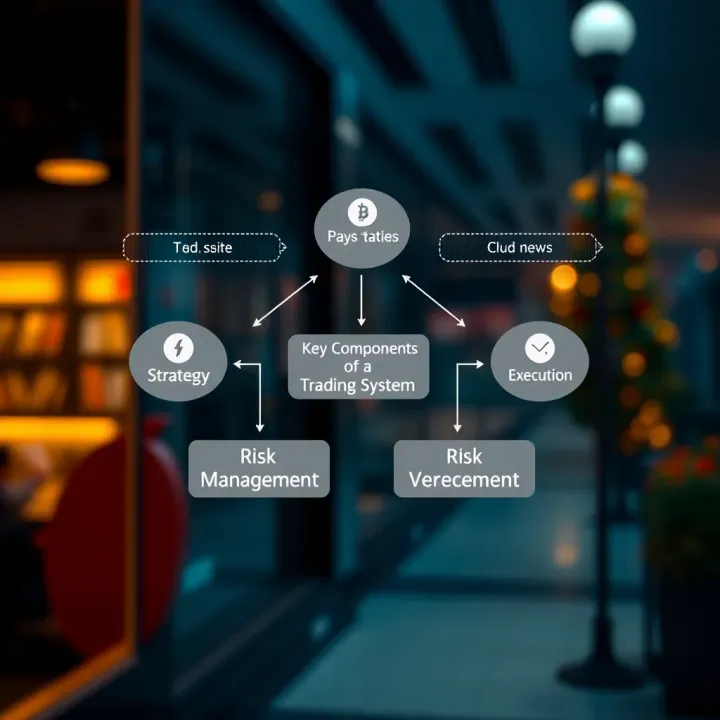
📈 Learn how forex trading systems work and discover key strategies, risk management, and tips tailored for Pakistani traders navigating the local financial market.
Learn forex trading in Pakistan 🇵🇰 with practical steps: basics, broker choosing, strategies, risk management, plus local tools like Easypaisa & JazzCash. 📈
Based on 14 reviews