
How to Start Forex Trading in Pakistan
Start forex trading in Pakistan confidently 🇵🇰 Learn how to pick trusted brokers, manage risks, and build smart trading plans for real results.
Edited By
Isabella Reed
Forex trading, or foreign exchange trading, involves buying and selling currencies to profit from their fluctuations. For many Pakistanis, this market presents an opportunity to diversify income streams beyond traditional investments like stocks or real estate.
Forex operates 24 hours a day, and its sheer liquidity makes it attractive. But starting forex trading in Pakistan requires understanding its unique rules and practical hurdles to avoid losses or legal issues.

To begin, grasp how forex trading works: currency pairs such as USD/PKR represent one currency's value compared to another. Traders speculate whether a currency will strengthen or weaken, aiming to buy low and sell high or vice versa.
Picking a reliable broker is critical. In Pakistan, it’s best to choose brokers regulated by international authorities like FCA (UK) or ASIC (Australia), ensuring better security and transparency. Unfortunately, local regulation on forex brokers offers limited protection, so international regulation matters.
The State Bank of Pakistan does not officially allow forex trading on international platforms for speculation purposes. Still, many Pakistanis participate using authorised brokers or accounts abroad. One must be careful to declare earnings to the Federal Board of Revenue (FBR) and comply with currency remittance rules to avoid legal trouble.
Always keep transaction records and ensure any forex trading activity respects Pakistan’s foreign exchange laws and tax regulations.
Forex is volatile, and using high leverage can multiply losses quickly. Risk management strategies like stop-loss orders, only investing what you can afford to lose, and constant market study are necessary.
Lastly, start small with demo accounts offered by many brokers before committing real funds. Practice helps understand market behaviour without financial risk.
Forex trading in Pakistan has its challenges but careful preparation, legal compliance, and smart money management increase your chances of success.
This guides you toward informed decisions, steering clear of common pitfalls native traders often face.
Before diving into forex trading in Pakistan, it’s essential to get a clear grip on the basics. Without a solid foundation, it’s easy to get lost or make costly mistakes. Knowing how forex works helps you make smarter decisions and manage risks better.
Forex trading means buying and selling currencies against each other in the hopes of making a profit. Imagine you have some US dollars and you exchange them for euros, betting that the euro’s value will go up against the dollar. This is forex trading at its core. The foreign exchange market is the largest financial market in the world by volume, with daily transactions crossing over $6 trillion globally.
Forex operates 24 hours a day across different financial centres globally—from Tokyo to London to New York—so trading can happen round the clock. This overlaps with Pakistan’s active hours, allowing local traders to participate without odd timings. Market prices move based on factors like economic data, geopolitical events, and central bank policies. For example, when the US Federal Reserve changes interest rates, it affects the USD’s strength worldwide.
The market itself doesn’t have a physical place like a stock exchange; it runs electronically through networks of banks, brokers, and traders. Pakistani traders usually access the market through online platforms provided by brokers, making it easy to trade from your laptop or mobile.
Currency pairs are the backbone of forex trading. They show how much one currency is worth relative to another. The major pairs include EUR/USD (euro/US dollar), USD/JPY (US dollar/Japanese yen), and GBP/USD (British pound/US dollar). These are the most liquid, meaning their prices change frequently and spreads (the cost to trade) are usually tighter.
For Pakistani traders, the USD/PKR pair is particularly relevant, though not all brokers offer direct PKR trading. Other common pairs you might encounter include USD/CAD, AUD/USD, and NZD/USD.
Understanding the basic concepts, market hours, and popular currency pairs gives you a practical edge to start exploring forex trading responsibly. Skipping these fundamentals is like trying to drive without knowing the road rules.
Starting with these basics ensures you’re not just jumping into a complex market blindly but building knowledge that supports better trading outcomes.
Before stepping into the forex market, it's essential that you honestly assess your readiness. Forex trading isn't a quick way to get rich—it demands money, time, and a clear understanding of risks. Many beginners skip this step, which often leads to losses and frustration. By evaluating your preparedness, you can make smarter decisions and avoid common pitfalls.
Forex trading requires a financial commitment that suits your personal budget. While you don't need millions to start, you should be ready to invest an amount you can afford to lose without disturbing your daily life. For example, beginning with Rs 50,000 to Rs 100,000 can be practical for many Pakistani traders. This capital covers trading positions and allows for risk management without overexposure. Also, keep in mind transaction costs, such as spreads and commissions, that can slowly eat into your funds if you're not careful.
Jumping straight into live trading without learning can be costly. Proper education helps you understand how markets move, influence factors like economic indicators, and trading jargon. Spend time exploring courses, webinars, and tutorials available from reputable sources or Pakistani financial educators. Using a demo account is highly recommended—this lets you practise forex strategies without real money, enabling you to build confidence and spot weak points in your approach.
Forex trading is inherently risky. Prices can swing wildly within minutes, sometimes resulting in large gains or losses. You need to measure how much risk you’re comfortable with before allocating real money. For example, if a 5% loss on your trading capital causes you stress or panic, you should start with smaller positions or consider alternative investments. Tools like stop-loss orders limit potential losses, but emotional control still plays a significant role. Knowing your tolerance helps you set realistic expectations and avoid impulsive trades.
Proper evaluation before trading is your safety net. Understanding how much you can invest, learning thoroughly, and honestly assessing your risk appetite prepares you to face the market’s ups and downs with resilience.
Taking these steps to evaluate your readiness ensures you proceed with a clear plan and better chances of success in Pakistan's forex market.
Choosing the right forex broker is a critical step for traders in Pakistan. Your broker acts as the bridge between you and the global forex market, so selecting a reliable and transparent broker can directly affect your trading experience and success. A broker with a strong reputation, clear regulatory status, and user-friendly platforms not only provides a safer trading environment but also offers the tools needed to execute your strategy efficiently.
In Pakistan, it's essential to work with brokers regulated by reputable authorities. While the Securities and Exchange Commission of Pakistan (SECP) has limited direct oversight over forex brokers, traders should prefer brokers licensed by internationally recognised regulators like the Financial Conduct Authority (FCA) in the UK, the Australian Securities and Investments Commission (ASIC), or the Cyprus Securities and Exchange Commission (CySEC). These regulators demand strict compliance standards, adding a layer of protection for your funds.
Also, some local brokers are registered with the Pakistan Mercantile Exchange (PMEX), which can offer more familiarity with local compliance requirements. Always check for a valid licence and avoid brokers without transparent credentials, as scams have been reported in unregulated environments.
The trading platform is your primary interface for analysing markets and placing orders. Popular platforms like MetaTrader 4 (MT4) and MetaTrader 5 (MT5) are widely used due to their stability, range of technical indicators, and automated trading options.
When comparing brokers, look for additional tools like integrated news feeds, economic calendars, and demo accounts. For example, if you prefer mobile trading during your daily commute in Karachi or Lahore, ensure the broker’s platform supports easy-to-use mobile apps. Some brokers also offer proprietary platforms with more advanced features but may come with a learning curve.
Trading costs affect your profitability directly. Brokers typically charge through spreads—the difference between the buy and sell price—or commissions. Brokers with very low spreads might charge higher commissions, so always calculate the total cost per trade.
For instance, a broker offering a 1.2 pips spread on USD/PKR pair might seem cheaper than one offering 1.5 pips, but if the former charges a $7 commission per lot, your expenses could be higher overall. Also, consider whether the broker offers different account types like standard and VIP, which may provide additional benefits such as lower spreads or personalised support.
Some brokers impose minimum deposit requirements that might be steep for beginners, so look for accounts starting from Rs 10,000 or Rs 25,000 if you're testing the waters.
Always factor in all charges—spreads, commissions, swap fees—before finalising your broker choice to ensure no unwelcome surprises.
Selecting the right forex broker means balancing safety, convenience, and cost. Taking the time to research and compare will make your trading journey in Pakistan smoother and more rewarding.
Setting up and funding your forex trading account is the practical step that moves you from learning to active participation. Without a properly established account, you cannot trade, so getting this right is key. It involves registering with a broker, choosing payment options that suit Pakistani traders, and verifying your identity to meet legal standards. This section breaks down each part clearly to help you start trading without hassle.
Opening a forex trading account usually involves filling out an online registration form on your chosen broker’s website. You'll need to provide basic information such as your full name, CNIC (Computerised National Identity Card) number, contact information, and sometimes your proof of income or employment details. For example, brokers like OctaFX and XM offer simple interfaces for account creation, optimised for Pakistani users.
Next, you'll select the account type—standard, micro, or ECN—depending on your experience and capital. Each type has different minimum deposit requirements and trading conditions. After submitting your application, the broker verifies your details, which may take from a few hours to two business days.
Funding accounts should be easy and convenient; Pakistani traders have several options. Local payment gateways like JazzCash and Easypaisa allow you to deposit funds directly in PKR, avoiding currency conversion fees and bank charges. Many brokers also accept international methods like credit/debit cards or bank wire transfers, but banks often delay these.
Consider also Skrill and Neteller, digital wallets widely accepted globally, but these require setting up separately with Pakistani bank accounts or cards. For instance, a trader in Karachi can load their account using Easypaisa in minutes compared to waiting days for wire transfers.
Forex brokers must comply with anti-money laundering (AML) regulations, including Know Your Customer (KYC) protocols. You’ll need to submit a clear copy of your CNIC, a recent utility bill (such as a WAPDA or Sui gas bill), and sometimes a selfie for facial verification.
This process protects both the broker and you from fraud and aligns with Pakistan’s financial regulations. Failure to complete KYC can delay account activation or restrict withdrawals. Also, ensure the broker you pick follows Pakistan Telecommunication Authority (PTA) and State Bank of Pakistan (SBP) guidelines to avoid any legal complications.
Properly setting up and funding your account with verified documents ensures smooth trading experience and compliance with Pakistan’s financial laws.
By following these steps closely, you establish a firm foundation for your forex trading activity, allowing you to focus on strategy and market analysis rather than administrative hurdles.
Developing a solid trading strategy and managing risks effectively are essential parts of successful forex trading. Without a clear plan, traders can easily fall prey to impulsive decisions and significant losses. Pakistani traders must consider market volatility, especially with economic events impacting the PKR exchange rate, to form strategies suited to their goals and risk tolerance.
Starting with simple, proven strategies helps beginners gain confidence before trying complex approaches. One common method is trend following, where traders buy when currency pairs show an upward trend and sell during a downtrend. For example, if the USD/PKR pair shows steady gains due to improving US economic data, a trend follower might take a long position to benefit from this momentum.
Another practical strategy is range trading, which suits calm markets. Here, you identify support and resistance levels—sort of price floors and ceilings—and buy near support while selling near resistance. For instance, if EUR/USD fluctuates between 1.0800 and 1.0900, a trader might buy closer to 1.0800 and sell near 1.0900, expecting the prices to bounce within that range.
Managing risks is about protecting your capital, so losses don't wipe you out. Using stop-loss orders is crucial. It means setting a price level where your trade automatically closes if the market moves against you, limiting potential losses. For example, if you buy GBP/PKR at 225 and set a stop-loss at 223, your loss is capped if the pair falls below 223.
Additionally, never risk more than 1-2% of your total trading capital on a single trade. This simple guideline prevents big losses that damage your account. Diversifying trades and avoiding excessive leverage also help manage risk better, especially given the unpredictable nature of forex influenced by Pakistan's political and economic developments.
Before using real money, practise on a demo account provided by most brokers. These accounts simulate real market conditions without risking your capital. Demo trading lets you test strategies, understand platform tools, and develop discipline. For example, try executing trend following and range trading approaches on your demo account during different market conditions. This experience will build your confidence and reveal what works best for you before you commit real funds.
Successful forex trading in Pakistan depends on a clear strategy and smart risk control. Using demo accounts to practise helps avoid costly mistakes early on.
With a well-thought-out strategy and risk management plan, Pakistani traders can approach forex markets with more confidence and control, reducing the chances of losing money fast and improving their chances of steady profits.
Navigating the legal and tax framework in Pakistan is essential for forex traders to operate safely and efficiently. Understanding regulations and tax duties helps traders avoid penalties and ensures their activities comply with national laws. Let’s look closely at the regulatory environment, tax rules, and how to steer clear of common legal mistakes.
Pakistan’s forex market is regulated primarily by the State Bank of Pakistan (SBP) and the Securities and Exchange Commission of Pakistan (SECP). These bodies monitor activities to prevent money laundering, fraud, and illegal currency dealings. A key point is that trading should only occur through SBP-approved brokers or platforms because trading with offshore or unregulated brokers can lead to blocked funds or legal trouble.
Pakistani regulators require forex brokers to implement strict Know Your Customer (KYC) processes. Traders must provide valid CNIC copies and sometimes proof of income or source of funds. This compliance helps protect against misuse of forex trading for illegal transfers. If you're opening an account with a local or international broker accepting Pakistani clients, ensure they follow SBP rules.
Profits from forex trading are taxable under Pakistan's Income Tax Ordinance. The Federal Board of Revenue (FBR) treats forex gains much like income from other sources. Traders must declare these profits in their income tax returns and pay tax according to their tax bracket.
For example, if you earn Rs 1 million from forex trading in a financial year, you are required to report it and pay tax accordingly. While Pakistan does not yet have a specific tax code for forex trading gains, failure to report can lead to penalties or audits. Some traders also face challenges in tracking and reporting because brokers may not provide standard tax certificates. Keeping detailed records of trades and transactions is essential.
Always maintain clear transaction logs and consult a tax professional familiar with forex to avoid surprises during tax season.
Many traders fall into traps such as trading on unregulated platforms, ignoring tax declarations, or using multiple accounts to hide gains. These actions increase risk of account freezing or financial penalties.
To avoid problems:
Trade through SECP or SBP-authorised brokers only.
Complete identity verification properly to comply with KYC rules.
Keep detailed records of deposits, withdrawals, and profits.
File accurate income tax returns including forex profits.
Be cautious about promised high returns or unlicensed schemes.
In short, knowing Pakistan’s regulatory framework and tax responsibilities will keep your forex activities on the right side of the law and protect your earnings. This discipline separates serious traders from those who risk losses due to legal issues.
Start forex trading in Pakistan confidently 🇵🇰 Learn how to pick trusted brokers, manage risks, and build smart trading plans for real results.
🌍 Explore forex trading in Pakistan with clear tips on profit strategies, risks, regulations, and practical advice to trade foreign currencies confidently and safely.
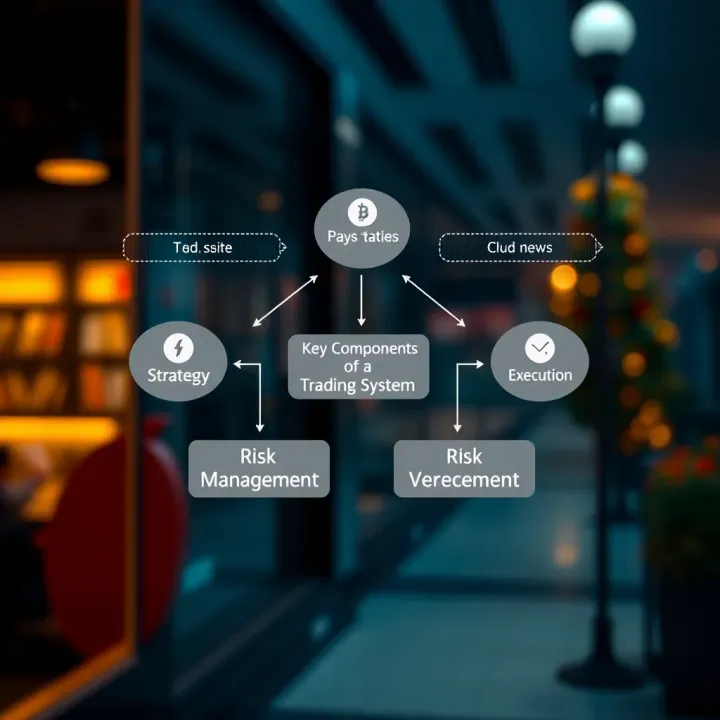
📈 Learn how forex trading systems work and discover key strategies, risk management, and tips tailored for Pakistani traders navigating the local financial market.
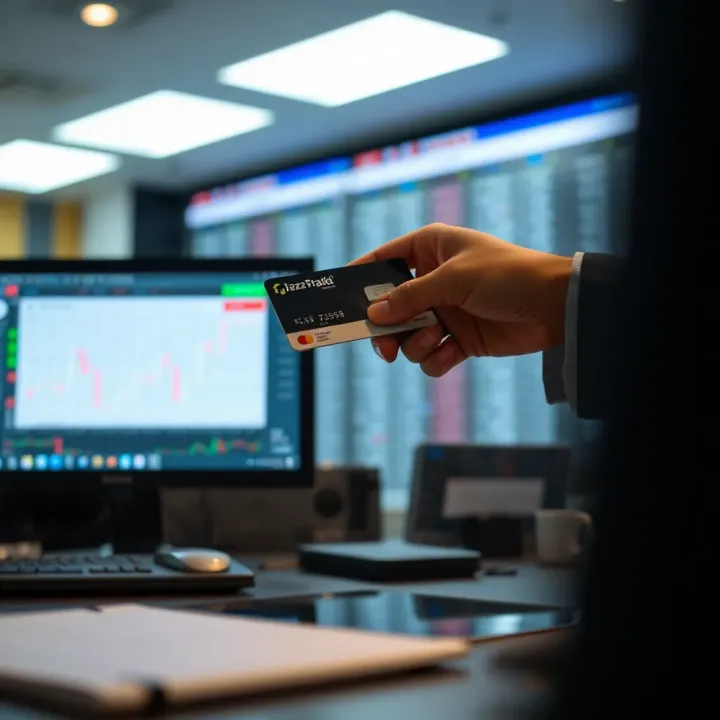
Learn forex trading in Pakistan 🇵🇰 with practical steps: basics, broker choosing, strategies, risk management, plus local tools like Easypaisa & JazzCash. 📈
Based on 15 reviews