

Choosing the Best Trading App in Pakistan
Looking for the best trading app in Pakistan? 📱 Explore top features, security tips, and compare popular apps to fit your trading style and experience level.
Edited By
Amelia Foster
Forex trading offers an opportunity to engage in the world's largest financial market, with daily volume exceeding $6 trillion. For many Pakistanis, trading forex can be a way to diversify income and tap into global currency movements. However, starting forex trading requires a solid grasp of the basics, disciplined planning, and risk management to avoid common pitfalls.
Trading forex means buying and selling currency pairs, such as USD/PKR or EUR/USD. These pairs reflect the value of one currency against another. Beginners must understand factors influencing currency prices, including economic data, geopolitical events, and monetary policies.
Many Pakistani traders often find the biggest challenge is choosing a reliable broker. It's essential to select brokers regulated by respected authorities and endorsed by the State Bank of Pakistan or PTA for compliance. Trustworthy brokers offer transparent spreads, easy deposit and withdrawal methods like JazzCash or bank transfer, and responsive customer support.
Setting up a trading account typically requires CNIC verification and meeting minimum deposit requirements, which can range from Rs 10,000 to Rs 50,000 depending on the broker. Most brokers provide demo accounts to practise without risking real money, and using this tool helps build confidence.
Effective forex trading also involves understanding key tools such as charts, indicators, and economic calendars. Pakistani traders should pay close attention to SBP announcements, rupee movement against the dollar, and global events like oil price changes that directly impact PKR volatility.
To manage risk, always use stop-loss orders, trade only with capital you can afford to lose, and limit exposure per trade to a small percentage of your account. Developing a practical trading plan with clear entry and exit criteria goes a long way in maintaining discipline.
Remember, forex trading is not a get-rich-quick scheme. Consistency, education, and patience are your best allies.
In summary, starting forex trading requires choosing a trustworthy broker, understanding currency pairs and market drivers, using demo accounts for practice, and applying solid risk management. With these in place, you can build a foundation for trading forex successfully from Pakistan.
Grasping the basics of forex trading is essential for anyone wanting to step into this dynamic market confidently. It lays the foundation for making informed decisions, understanding market movements, and managing risk effectively. Without this knowledge, a trader risks confusion, costly mistakes, or falling prey to misleading strategies.
Forex trading means exchanging one currency for another in the global marketplace. It’s like swapping Pakistani rupees for US dollars or euros, depending on demand and supply. The main purpose is to make a profit by predicting which currency will strengthen against another. For example, if you believe the US dollar will rise against the rupee, you buy USD/PKR with the hope to sell later at a higher price.
Currency pairs like USD/PKR, EUR/USD, and GBP/USD are commonly traded. These pairs show how much of one currency you need to buy one unit of another. The US dollar often acts as the base currency in pairs, reflecting its global influence. For Pakistani traders, understanding pairs including PKR-linked crossings or major international pairs is vital because it affects how you trade and which market trends you follow.
The forex market operates 24 hours a day, five days a week, divided into sessions named after cities: Sydney, Tokyo, London, and New York. This continuous flow means you can trade any time. But trading during London or New York sessions often brings the most liquidity and volatility, which can produce more trading opportunities. For instance, a trader in Karachi can adjust trades to match these sessions to catch peak activity.
Liquidity refers to how easily you can buy or sell a currency without affecting its price. Major pairs like USD/EUR have high liquidity, meaning tighter spreads and smoother trades. Volatility is the degree of price movement; high volatility can mean bigger profits but also bigger risks. In Pakistan, political news or SBP policies can trigger sudden market swings, so understanding these forces helps protect your capital.
A pip is the smallest price change a currency pair can make and usually equals 0.0001 of the currency price. Lots are trade sizes, like a standard lot equalling 100,000 units of currency, but smaller mini and micro lots allow you to trade low volumes safely. Leverage lets you control large amounts of currency with a small deposit (margin). While leverage can amplify gains, it also increases losses. For example, using 1:100 leverage means Rs 1,000 margin controls Rs 100,000 worth of currency — which calls for careful risk control.
These terms show the prices at which you can sell (bid) or buy (ask) a currency pair. The difference is the spread, a key cost of trading. For instance, if USD/PKR bid is 280.50 and ask is 280.60, the 0.10 difference is the broker’s cut. Knowing these helps you understand entry and exit points, and how much a trade costs upfront.
Remember, building strong basics in forex trading gives you clearer insights and better chances of success. It’s not about rushing but learning the nuts and bolts, so you trade with confidence and control.
Selecting a trustworthy forex broker is one of the most important steps for new traders. The broker acts as your gateway to the forex market, so their reliability, fees, and services directly impact your trading experience and potential success. For Pakistani traders, choosing a broker regulated in respected jurisdictions and offering convenient payment options is especially helpful. This section breaks down the key factors to consider.
Regulation ensures that brokers follow certain rules designed to protect traders' funds and interests. A regulated broker must keep client money separate from company funds and submit regular reports to authorities. This reduces the chances of fraud or sudden broker shutdowns. Trading with companies licensed by recognised bodies, such as the UK’s Financial Conduct Authority (FCA) or Australia’s ASIC, adds a layer of security.
Though Pakistan’s own regulatory framework for forex brokers remains limited, the Securities and Exchange Commission of Pakistan (SECP) monitors related financial activities. Many Pakistani traders opt for internationally regulated brokers while verifying their reputation through online reviews and forums. Avoiding unlicensed local brokers prevents potential losses and legal hassles.
Understanding what you pay to your broker matters. Fees typically include spreads, commissions, and sometimes additional charges like withdrawal fees or inactivity penalties. The spread is the difference between the buy (ask) and sell (bid) prices of currency pairs, often quoted in pips. Brokers offering tighter spreads save you money, especially if you trade frequently.
Some brokers charge a commission per trade instead of or alongside spreads. For instance, a broker might offer zero spreads but charge a flat $5 commission per lot. It's wise to compare the total cost of trading, not just headline spreads. Pakistani traders should also check for hidden charges that eat into profits, such as currency conversion fees when depositing or withdrawing PKR.
A good broker provides an intuitive trading platform with essential tools like charting, technical indicators, and real-time news. Popular platforms among Pakistani traders include MetaTrader 4 (MT4), MetaTrader 5 (MT5), and cTrader. These are well-supported globally, offer back-testing features, and have sizeable online communities for support.
Mobile apps are vital since many traders in Pakistan rely on smartphones. Quality platforms let you execute trades fast, set alerts, and manage risk on the move. Desktop versions offer advanced charting and automation options. Before choosing a broker, test their platform to see if it suits your style and technical needs.
Efficient customer service can save you a lot of headaches. Brokers with 24/7 support via chat, phone, or email help resolve urgent issues quickly. Support in Urdu or at least English is a big plus for clear communication.
Pakistan-specific deposit and withdrawal options make funding your account easier. Brokers that accept JazzCash, Easypaisa, or bank transfers reduce delays and conversion hassles. Some international brokers rely solely on wire transfers or credit cards, which might be slower or costlier. Checking these practical aspects up front prevents troubles when managing your money.
Remember, the right broker is more than just low fees. It’s a partner in your trading journey that offers security, support, and tools tailored to your needs.
Setting up your forex trading account is a vital step that turns your preparedness into actual market participation. Without this setup, you cannot experience live trading or test your approaches under real conditions. This section explains how to open accounts suited to beginners and move to live trading, keeping your practical needs in mind.
Starting with a demo account allows you to trade with virtual money, which means no real financial risk while you learn. This is especially useful if you want to understand market movements and the basics of order placement without the stress of losing real money. For example, a demo account gives you the chance to see how exchange rates fluctuate for pairs like USD/PKR or EUR/USD in real time.
A demo account also lets you test critical features such as executing market and limit orders, observing spreads between bid and ask prices, and practising risk management by setting stop-loss and take-profit levels. You can practise using the broker's preferred platform on your mobile or desktop, helping you become familiar with its tools and interfaces before committing real funds.
To start live trading, brokers require verification to comply with local and international regulations. In Pakistan, you typically need to submit your Computerised National Identity Card (CNIC) to confirm your identity. Some brokers might also ask for proof of address or source of income to prevent fraud and money laundering.
Deposit minimums vary among brokers but usually start from as low as $100 (roughly Rs 28,000), making it affordable for beginners. Pakistani traders often appreciate brokers offering local payment options like JazzCash and Easypaisa, which simplify deposits and withdrawals. Always check processing times and fees associated with these methods to avoid surprises.
Forex brokers offer different account types: standard, mini, and micro. A standard account typically involves trading lots of 100,000 units of currency, which requires a higher starting capital and suits those confident in handling larger positions. Mini accounts trade 10,000 units, and micro accounts trade 1,000 units, allowing smaller capital exposure and tighter risk control.
For new traders with limited funds or cautious attitudes, micro accounts are often more suitable as they minimise losses while allowing real market exposure. On the other hand, experienced traders with larger capital and firm strategies may prefer standard accounts for potential higher returns. Knowing which account matches your risk tolerance and trading budget helps create a steady growth path.
Getting your trading account set up thoughtfully can prevent costly mistakes and build confidence as you transition from theory to real trades.
Setting up your forex trading account carefully means starting small, verifying all requirements, and choosing an account type that fits your profile. This way, you prevent unnecessary stress and maintain control over your investment journey.
Creating a solid trading strategy combined with a risk management plan is essential for anyone stepping into forex trading. Without these, you’re basically sailing blind in a market that moves fast and can be quite unforgiving. A good strategy guides your actions based on market behaviour, while risk management protects your capital from unexpected losses.
Trend following and range trading are two practical strategies that beginners can start with. Trend following means you identify a clear direction in the market—upwards or downwards—and trade in that direction. For example, if the US Dollar is consistently strengthening against the Pakistani Rupee over a few days, you buy USD/PKR expecting the trend to continue. This approach benefits from the market’s momentum.
Range trading, on the other hand, is suitable when the market isn’t showing a strong trend and moves sideways within a certain price level. For instance, if EUR/USD keeps bouncing between 1.0800 and 1.1000 without breaking out, you can buy at the lower end and sell near the upper end. It’s about recognising these price boundaries and trading within them.
Fundamental analysis basics focus on economic and political factors that influence currency values. For Pakistani traders, this could mean watching key economic indicators like SBP’s interest rate decisions, GDP growth, inflation, or import-export data. For example, if the State Bank of Pakistan raises the policy rate, PKR might strengthen, as higher rates attract foreign investment. Staying updated on global news—such as US Federal Reserve moves or oil price changes—is also important because these events can impact currency pairs you trade.
How to protect your capital is central in forex trading, and stop loss orders are your safety net. By setting a stop loss, you automatically exit a trade if the market moves against you by a certain amount. Suppose you buy USD/PKR at 280 and set a stop loss at 275. If the rate dips to 275, your trade closes, limiting losses to 5 units. This prevents emotions from forcing you to hold onto losing trades hoping for a turnaround.
Setting realistic targets with take profit orders helps lock in gains. If you set a take profit at 290, your position closes once that rate is hit, realising your profit without waiting or risking a reversal. Beginners often make the mistake of aiming too high, leading to missed opportunities or turning profits into losses. Being realistic about the market’s movement is key to consistent success.
Risks linked with high leverage can be severe. Leverage allows you to control bigger positions with a small deposit, but it magnifies both profits and losses. If you use 100:1 leverage, a 1% adverse move wipes out your entire deposit. This is why many traders lose quickly when they misuse leverage.
For beginners, recommended leverage levels are modest—typically between 10:1 and 20:1. This gives room to manage trades carefully without risking your capital too aggressively. For example, with Rs 50,000 in your account, trading with 10:1 leverage means controlling Rs 500,000 worth of currency, which still leaves a buffer for adverse movements. Always understand how margin calls and liquidation work with your broker to avoid surprises.
Protecting your capital is more important than chasing quick profits. A well-planned strategy with strict risk control is what keeps you in the game longer.
By combining clear strategies, smart use of stop loss/take profit, and cautious leverage, you set yourself up for steady progress in forex trading.
Staying informed is a key factor in successful forex trading. The market changes rapidly, influenced by global events and shifts in local economics. If you keep track of relevant news and refine your strategies regularly, you improve your chances of making smart trades. Let’s look at some practical ways to stay on top of forex trading.
Local sources like Business Recorder, Dawn Business, and the economic sections of major Pakistani newspapers provide timely forex news and trends. These platforms give updates on the Pakistani rupee’s performance against major currencies, State Bank of Pakistan’s (SBP) monetary policies, and political developments affecting markets. Knowing this local context helps you anticipate currency movements better.
Alongside local news, international financial outlets such as Bloomberg and Reuters offer broader market coverage. Forex trading is affected by events worldwide — interest rate changes in the US or geopolitical tensions can sway currency values. Hence, blending local and global news gives a fuller picture for trading decisions.
Economic calendars are essential tools. They list upcoming events like SBP policy announcements, inflation data releases, and international trade reports. Some traders avoid taking positions before such events, while others prepare by setting stop-losses or take-profit orders. Understanding when these events are scheduled helps you manage risk and seize opportunities.
A demo account lets you practice forex trading without risking real money. Many brokers offer this feature, simulating live market conditions. Through demos, you can try out strategies based on technical indicators or news-driven analysis before applying them in the live market.
Tracking your performance in a demo account is crucial. Keep a trading journal, record your entries, exits, and reasons behind decisions. Analyse which strategies work under what market conditions. This reflection improves your skills without risking capital.
Learning from fellow traders sharpens your understanding. Peer groups share insights on market trends, broker reliability, and trading techniques suited for the Pakistani market. This socal learning often highlights practical challenges like sudden rupee volatility or issues with deposit withdrawals.
Popular online groups on Facebook, Telegram, and WhatsApp connect Pakistani traders. They organise webinars, Q&A sessions, and discuss pressing economic updates—helpful for real-time learning. Networking with experienced traders not only builds knowledge but sometimes leads to mentorship opportunities.
Continuous learning sharpens your trading edge. Combining market news, hands-on demo practice, and community support builds a well-rounded approach to forex trading in Pakistan.
By following these tips, you can navigate the forex market more confidently and avoid common pitfalls many beginners face in this fast-moving market.
Looking for the best trading app in Pakistan? 📱 Explore top features, security tips, and compare popular apps to fit your trading style and experience level.
Looking for the best forex trading platform in Pakistan? Discover key features, security, costs, tools, and support to pick the right fit for you 📈💼
Find the best forex trading platform in Pakistan 🇵🇰 with our clear guide! Compare brokers, explore key features, and trade confidently today 📈💼
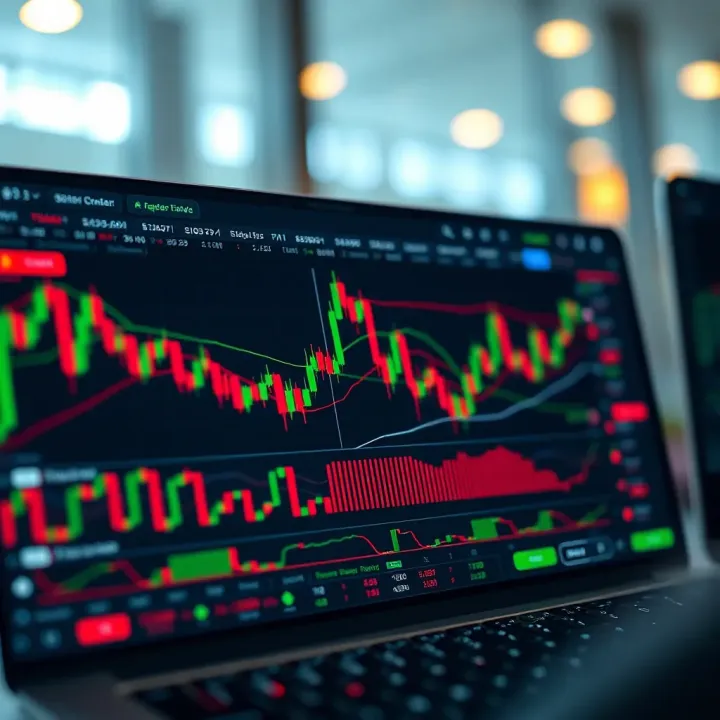
Looking for the best forex trading app in Pakistan? Discover top choices, security tips, and how to trade safely for a reliable experience 📈🇵🇰
Based on 15 reviews