
Best Forex Trading Platforms in Pakistan
Find the best forex trading platform in Pakistan 🇵🇰 with our clear guide! Compare brokers, explore key features, and trade confidently today 📈💼
Edited By
Isabella Clarke
Forex trading systems have become increasingly popular among Pakistani traders, especially with the rise of online platforms and mobile apps like MT4, MT5, and local brokers supporting forex accounts. These systems are essential tools that help traders automate or guide their decision-making processes when buying or selling currencies.
A forex trading system is essentially a set of pre-defined rules and strategies that determine entry and exit points in the foreign exchange market. It can be manual, where you follow signals and charts yourself, or automated, where software executes trades based on programmed conditions. Pakistani traders must understand these systems to protect their capital and improve consistency.
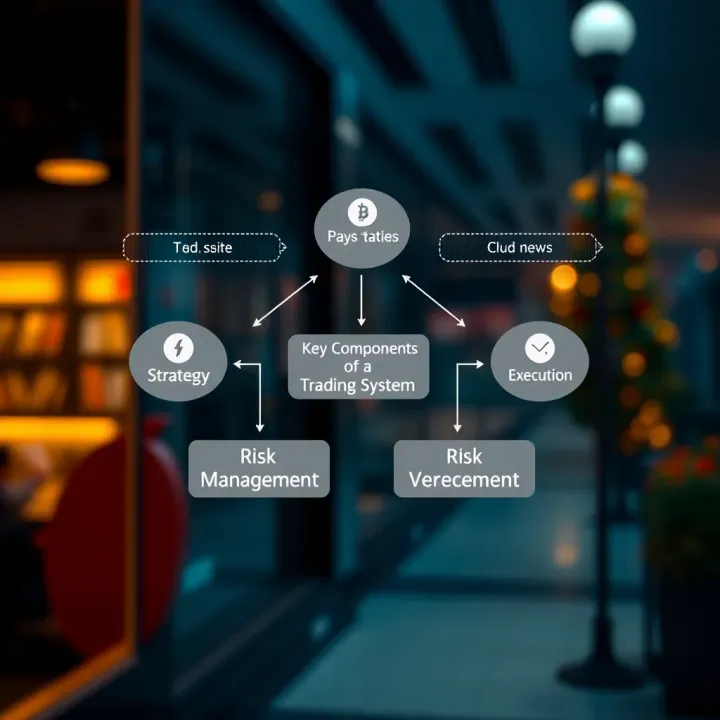
Trading forex is not just about guessing which currency will rise or fall. It involves analysing market trends, using technical indicators, and managing risk carefully. For instance, a common system might use moving averages to decide when to enter a trade and stop-loss orders to limit losses. If done blindly, traders risk huge losses, especially with Pakistan's volatile rupee and occasional market shocks.
Understanding the mechanics of your trading system helps to avoid costly mistakes and better navigate Pakistan’s unique financial challenges, like currency depreciation or political events affecting forex rates.
Pakistani traders should focus on these core aspects when choosing or designing a forex system:
Signal generation: How does the system decide when to buy or sell? Is it based on technical indicators like RSI, MACD, or price action?
Risk management: Does the system include stop-loss settings and position sizing to control exposure?
Suitability: Is the system compatible with Pakistani market hours and brokerage platforms like those approved by the Securities and Exchange Commission of Pakistan (SECP)?
Backtesting: Has the system been tested on historical data relevant to currency pairs traded in Pakistan, such as USD/PKR or EUR/USD?
By looking at these factors, you can select a system that fits your trading style and risk tolerance.
In Pakistan’s financial landscape, where regulation and market conditions differ from global centres, relying on a tested, transparent forex trading system reduces guesswork and helps build confidence. It’s not magic but a tool you must understand completely before putting your hard-earned rupees on the line.
From here, we will explore different types of forex trading systems, common strategies used, and practical tips relevant to Pakistani conditions to help you trade smarter and safer.
A forex trading system is a set of predefined rules and strategies that guide traders on when to enter and exit trades in the currency market. For Pakistani traders, having a clear trading system reduces guesswork and builds a disciplined approach, which is vital in the fast-moving forex environment. Without a system, trading often relies on intuition and emotions, which can cause inconsistent results.
Trading rules and criteria define the specific conditions for making trades. These rules could involve technical indicators like the Relative Strength Index (RSI) or Moving Averages, or fundamental triggers such as economic announcements from Pakistan’s State Bank. For example, a trader may decide to buy USD/PKR only when the 50-day moving average is above the 200-day moving average, signalling upward momentum. Clear rules prevent arbitrary decisions and ensure every trade fits the overall strategy.
Entry and exit signals are the precise points where a trader opens or closes a position. For instance, an entry signal might be a breakout above a recent high, while an exit signal could be hitting a pre-set profit target or a stop loss level. These signals help protect profits and limit losses, critical for traders who cannot monitor the market constantly during Pakistan’s business hours.
Risk and money management controls how much of the trading capital is exposed in each trade. This includes setting stop loss orders to avoid large losses and determining position sizes based on the trader’s risk tolerance. For example, risking only 2% of total capital per trade ensures a few bad trades won’t wipe out the account. Proper money management is especially important where leverage offered by brokers in Pakistan can amplify losses as quickly as gains.
Consistency in trading decisions is perhaps the biggest advantage. When you follow a system, decisions come from predefined rules instead of impromptu judgements. This lets you trade the forex market in Pakistan’s fluctuating economic conditions without second-guessing or hesitation.
Consistency allows traders to evaluate performance over time, adjusting strategies based on real data rather than memory or feelings.
Using a reliable system also reduces emotional bias. Fear and greed often cloud judgement, leading to impulsive trades or holding losing positions too long. A solid system enforces discipline—if the entry signal is absent, you avoid jumping into trades based on rumours or hype common in Pakistan’s news cycles.
Lastly, it improves risk control by embedding limits such as stop loss and take profit levels directly into the trading process. For example, through a risk/reward ratio of 1:2, you aim to make twice the amount you risk on each trade, which is essential for long-term success. This approach guards against the heavy losses that many new Pakistani traders face when they overlook proper risk management.
In summary, understanding and using a forex trading system helps Pakistani traders navigate market volatility with a structured plan. It supports clear decision-making, cuts down on emotional errors, and ensures risk remains manageable—all crucial for consistent profits in forex trading.
Pakistani forex traders often face unique market conditions, including volatile currency pairs like USD/PKR and JPY/PKR, varying liquidity during local market hours, and regulatory considerations. Understanding the types of forex trading systems popular here helps traders pick or tailor methods that match these realities. This section breaks down the main categories traders use, focusing on their practical application and benefits.
Algorithm-driven trading robots automate trading based on preset rules. These systems scan market data, identify trade signals, and execute orders without human intervention. For Pakistani traders, automated systems on platforms like MetaTrader 4 can monitor USD/PKR movement 24/7, acting on live news or technical indicators even when the trader is offline. This is helpful during unpredictable market hours or when traders juggle forex with other commitments.
Automated systems minimise emotional biases since they strictly follow algorithms. However, they require careful backtesting against Pakistani market data to avoid losses due to local volatility or spreads. For example, a bot programmed for forex pairs with low spreads can underperform on pairs like USD/PKR that tend to have wider spreads during certain hours.
Trader-driven manual systems let traders execute decisions based on their analysis and judgement. Manual systems provide flexibility, allowing experienced Pakistani traders to adjust strategies quickly amid breaking economic news from Pakistan or international markets affecting forex volatility. For instance, during SBP monetary policy announcements, manual intervention can help avoid rapid price swings automated bots might mishandle.
Manual trading requires discipline and real-time monitoring. It works well for traders who can dedicate time daily and integrate technical charts with fundamental news. Platforms like MetaTrader and TradingView offer excellent tools for manual analysis.
How each system works: Trend-following systems attempt to ride sustained price movements either upwards or downwards, entering trades aligned with the trend. Range-bound systems trade within defined price support and resistance levels, profiting from price bouncing back and forth. Breakout systems focus on moments when prices move beyond those established levels, anticipating a new emerging trend.
Pakistani traders might use trend-following strategies during extended USD strength phases against the PKR, while range-bound systems fit quiet periods where prices hover in a tight band. Breakout systems come into play around key events such as fiscal budgets or forex policy announcements when price jumps are likely.
Suitability under different market conditions: Trend-following works best when clear long-term moves exist, but it struggles during sideways markets common in PKR pairs outside business hours. Range-bound strategies are helpful during these calm phases but can cause losses if unexpected news triggers sudden price swings.
Breakout systems suit volatile conditions, but they demand quick execution and constant vigilance, which makes them challenging for part-time Pakistani traders without access to automation tools. Each type suits a different style and risk appetite, so Pakistani traders often combine elements from all three.
Successful forex trading in Pakistan hinges on matching your system type with local market traits and your personal availability. Understanding these system types builds a solid foundation before investing real capital.
Understanding the key strategies within forex trading systems helps Pakistani traders develop effective plans tailored to market behaviour. These strategies guide decisions on when to enter or exit trades, helping control risks and improve consistency. They typically fall into technical analysis and fundamental analysis, both offering practical tools for navigating the forex market.
Technical analysis relies on price data and chart indicators to predict future currency movements. Indicators like Moving Averages and RSI (Relative Strength Index) help traders identify market trends and overbought or oversold conditions. For example, a 50-day moving average crossing above the 200-day moving average often signals a bullish trend, prompting traders to consider buying. RSI, which ranges from 0 to 100, flags potential reversals when dipping below 30 (oversold) or rising above 70 (overbought). This approach suits Pakistani traders who monitor currency pairs such as USD/PKR or EUR/PKR, giving them visual clues based on historical price patterns.
Chart patterns provide additional insight by highlighting recurring formations that often predict price direction. Patterns like head and shoulders, double tops, or triangles indicate potential trend reversals or continuation. For example, spotting a breakout from a triangle pattern on the USD/PKR chart may suggest a forthcoming strong move, guiding entry points. Pakistani traders can combine these patterns with indicators for more confidence in their trades, which is essential given the volatility in local and global forex markets.
Fundamental analysis studies the underlying economic factors affecting currency prices. The impact of economic news and events such as Pakistan's SBP policy rate announcements, inflation data, or geopolitical developments directly influences currency strength. For instance, a surprise increase in SBP’s policy rate usually strengthens PKR, making USD/PKR likely to fall. Traders following this can prepare for short-term price shifts around such announcements.
Currency pair fundamentals involve comparing economic health, trade balances, and interest rates between two countries. The USD/PKR pair, for example, responds to Pakistan’s trade deficit and remittance inflows from overseas Pakistanis. Understanding these fundamentals helps traders avoid random speculation by focusing on the big picture, such as the rupee's vulnerability to foreign exchange shortages or dollar demand spikes.
Combining technical and fundamental strategies allows Pakistani traders to make well-rounded decisions, reducing guesswork and better managing risks in the forex market.
Managing risks is a vital part of forex trading, especially for Pakistani traders navigating volatile currency pairs like USD/PKR. Without proper risk management, even the best strategies can lead to significant losses. This section explains how tools like stop loss and take profit help protect traders, along with position sizing and leverage considerations tailored to the Pakistani trading environment.
Stop loss and take profit orders set predefined exit points for trades. This helps you lock in profits or limit losses without constantly watching the market. For example, if you buy USD/PKR at Rs 280 and set a stop loss at Rs 275, the trade automatically closes if the price drops to that level, protecting your capital. This discipline prevents emotions from driving decisions during unpredictable market swings, common during political events or economic releases in Pakistan.
Without stop loss, a sudden market move can quickly drain your account. Pakistani traders, especially beginners, risk losing a big chunk of their capital if they let trades run without limits. Stop loss orders act as a safety net to avoid ruinous losses. For instance, during unexpected news like a change in SBP’s policy rate, currency pairs might move sharply. Take profit orders help lock gains when targets are met, avoiding the temptation to hold trades too long and give profits back.
Calculating the right trade size helps ensure losses stay within your risk tolerance. A common rule is risking 1-2% of your trading account on any single trade. Suppose you have Rs 200,000 in your trading account; risking 1% means you should only lose Rs 2,000 per trade if stop loss hits. You can adjust position size accordingly. This practice avoids blowing up the account on few trades, a pitfall often seen with overenthusiastic beginners in Pakistan.
Many Pakistani brokers offer high leverage, sometimes up to 1:500, which magnifies both profits and losses. While tempting, high leverage increases exposure to market swings, especially given Pakistan’s sometimes volatile economic and political landscape. Small adverse moves can wipe out your deposit quickly. Traders must understand that leverage is a double-edged sword; managing it wisely with conservative leverage settings can protect your funds from sudden shocks like rupee depreciation or geopolitical events.
Always use stop loss and appropriate position sizing to keep your trading sustainable and avoid emotional decisions.
In summary, effective risk management through stop loss, take profit, calculated position sizing, and cautious use of leverage forms the backbone of successful forex trading in Pakistan. These tools help you preserve capital and trade with confidence, even in unstable market conditions.
Selecting or designing a forex trading system that fits Pakistan's unique market environment helps traders improve their chances of success. A system tailored to local conditions addresses issues like broker reliability, currency pair liquidity, and timing of market sessions. Without this, even a strong trading plan might struggle due to practical hurdles faced by Pakistani traders.
Broker regulations and spreads play a big role in choosing a trading system. Pakistan's regulatory environment means traders need to pick brokers licensed by trusted authorities such as the Securities and Exchange Commission of Pakistan (SECP) or international regulators recognised locally. A broker with transparent spreads and low commissions reduces trading costs, which is especially vital when trading frequently. For example, a spread difference of even 2 pips can eat into your profits over weeks of trading. Be cautious about offshore brokers offering exceptionally low spreads but questionable service or withdrawal policies.
Next, focus on currency pairs with better liquidity. Pakistani traders often trade major pairs like USD/PKR, EUR/USD, or GBP/USD because these pairs have tighter spreads and more predictable price movements. USD/PKR, specifically, is actively influenced by local economic news such as State Bank of Pakistan policies or foreign remittance flows, making it important for traders to factor Malaysian trading hours too. Illiquid pairs might have erratic price swings, increasing risk and slippage. So, your system should prioritise liquid pairs to manage risk and ensure smoother executions.
Impact of Pakistani market hours is another critical factor. Pakistan Standard Time (PKT) overlaps partly with both Asian and European market hours, but not fully with the US session. The most active trading typically occurs when global markets open, often from 12 pm to 6 pm PKT. Designing your system around these active hours helps you catch better price moves and avoid low-volume periods when spreads widen and price noises increase. For instance, trying to trade USD/JPY in the middle of the night PKT can lead to poor fills or false signals. Adjust your system’s timing filters to align with Pakistan’s trading hours.
Implementing thorough backtesting with historical data ensures your system performs well under different market conditions before real money is at stake. Use historical price data, including local market holidays and major economic events, to simulate trades. This helps spot weaknesses and strengths that may not be obvious at a glance. For example, a system working great during stable economic periods might falter during rupee volatility triggered by fiscal announcements.
Running your system on a demo account trial provides a risk-free environment to check real-time performance. Pakistani traders benefit especially from this as some brokers adjust spreads or execution speeds for live trading only, making demo testing a helpful step to verify your system’s practical usability. Demos also help you get comfortable with the platform interface, order types, and response to sudden news events—all without risking capital.
Properly choosing or developing your forex trading system around these factors not only improves performance but also builds confidence, reducing emotional mistakes common among Pakistani traders dealing with an often volatile forex market.
By considering broker reliability, liquidity of currency pairs, local market hours, and rigorous testing, you position yourself for more consistent and reliable forex trading. This focused approach also helps you avoid pitfalls unfamiliar to traders relying solely on generic foreign systems.
Find the best forex trading platform in Pakistan 🇵🇰 with our clear guide! Compare brokers, explore key features, and trade confidently today 📈💼
Looking for the best forex trading app in Pakistan? Discover top choices, security tips, and how to trade safely for a reliable experience 📈🇵🇰

📱 Discover the best forex trading apps in Pakistan! Learn key features, compare top platforms, and understand security & regulations for confident trading. 🇵🇰
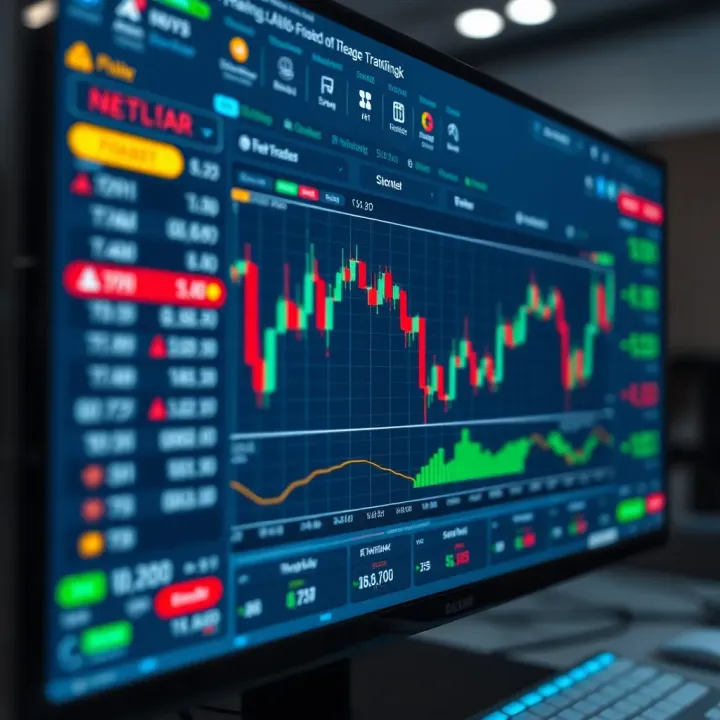
Looking for the best forex trading platform in Pakistan? Discover key features, security, costs, tools, and support to pick the right fit for you 📈💼
Based on 14 reviews