
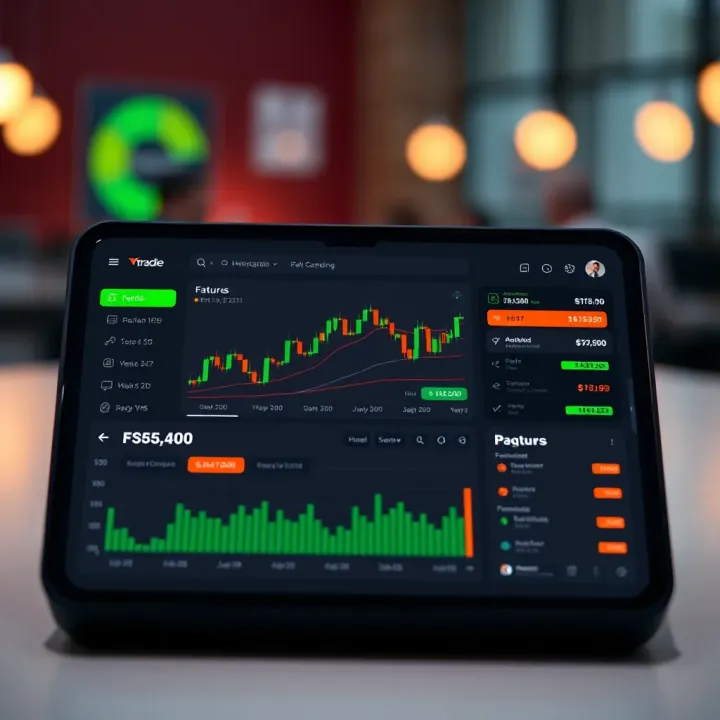
Best Trading Apps for Beginners in Pakistan
Explore top trading apps for beginners in Pakistan 🇵🇰. Learn key features, ease of use, and regulations to find your perfect start in the trading world 📱💹.
Edited By
Liam Foster
Trading apps have transformed how investors in Pakistan and worldwide manage their portfolios. With just a mobile or laptop, traders now access global markets, analyse data, and execute trades within seconds. But not all apps are made equal — the choice depends on security, market access, fees, and usability.
Pakistan’s financial landscape features a mix of local preferences and regulatory checks. High internet penetration and smartphone use mean many retail investors prefer apps that support PKR transactions and comply with the Securities and Exchange Commission of Pakistan’s (SECP) regulations. Plus, limited access to international credit cards often makes local payment options like JazzCash or Easypaisa an advantage.
When selecting a trading platform, several critical factors come into play:
Security: Look for apps with two-factor authentication, encryption, and strong privacy policies. Given the rise in cyber threats, trustworthy platforms protect your funds and personal data.
Market Variety: The best apps offer access to multiple asset classes — stocks, commodities, forex, and cryptocurrencies. For example, some platforms provide not only PSX-listed shares but also US, European, and emerging market stocks.
Cost Structure: Trading costs in Pakistan usually include brokerage fees, commissions, and sometimes inactivity charges. Apps with competitive rates and transparent pricing help you save, especially if you trade frequently.
User Interface: Intuitive layouts and clear navigation suit traders of all experience levels. Advanced charting tools, live data feeds, and seamless order placement are key features.
Local Compatibility: Support for CNIC-linked accounts and integration with Pakistani banks streamlines KYC (Know Your Customer) processes. Additionally, apps compliant with Pakistan’s anti-money laundering laws simplify legal adherence.
Choosing the right trading app can amplify your investment confidence and operational efficiency, especially in Pakistan where market dynamics and regulatory environment shape trading behaviour.
In the sections ahead, we will break down top trading apps used globally and their fit for Pakistani investors. You’ll find comparisons on usability, fees, security, and asset coverage to make an informed choice tailored to your trading style.
A top trading app brings together several key features that make trading smoother, safer, and more efficient. These characteristics not only enhance usability but also ensure secure and diverse market access. For Pakistani traders especially, such features matter because they directly affect the ease of investing in local and international markets.
A clean and intuitive design is essential for any trading app. When navigating through the app feels easy and natural, users can focus on decisions rather than struggling with complicated menus. For instance, an app with clear charts, concise order forms, and quick access to portfolio information will save valuable time and reduce errors, which can be costly in fast markets.
Good design also means the app works well on various devices, whether a low-end mobile or a high-spec tablet, important in Pakistan where users have a range of smartphones. Apps like EasyEquities have gained popularity partly due to their straightforward interfaces that appeal to beginners without overwhelming them.
Accessibility is about serving a wide range of traders—from beginners making their first investments to seasoned professionals executing complex strategies. Beginner-friendly apps provide tutorials, simple navigation, and basic order types, easing new users into trading. Meanwhile, advanced traders expect features like real-time data feeds, advanced charting tools, and customizable alerts. Platforms such as Interactive Brokers manage this balance by offering different modes or dashboard settings tailored to user experience.
Encryption and authentication methods form the backbone of user protection in trading apps. High-grade encryption keeps transaction data safe from interception, while two-factor authentication (2FA) adds an extra shield against unauthorised access. Considering the rise of cyber threats globally and in Pakistan, this layer of security should never be compromised.
Trusted trading apps comply with local and international regulations ensuring that user data remains confidential and funds are protected. For example, apps regulated by entities like the Securities and Exchange Commission of Pakistan (SECP) and those following international standards ensure legitimacy and safety.
Regulatory compliance also ties into how apps handle personal information. Proper data protection policies, transparent privacy statements, and adherence to financial regulations help prevent misuse of sensitive information, which builds user trust over time.
Trading apps differ in the markets they offer. The ability to trade stocks, commodities, forex, and cryptocurrencies is a significant advantage. For Pakistani users, access to the Pakistan Stock Exchange (PSX) alongside global markets like NYSE or NASDAQ opens multiple opportunities for portfolio diversification.
Having access to various financial instruments such as options, futures, mutual funds, and ETFs enriches the trading experience. These instruments help traders manage risk and explore different strategies beyond simple buying and selling. For example, apps like TD Ameritrade and Saxo Bank offer wide instrument variety, catering well to diverse investment goals.
In short, a top trading app must combine ease of use, robust security, and wide market access. This balance ensures users can trade confidently, knowing their investments are safe and their trading strategies well supported.
Leading global trading apps combine convenience with a wide range of choices, making trading accessible to anyone with a smartphone. These apps differ by the features they offer, fees they charge, and the markets they cover. For Pakistani traders keen on international exposure, understanding the strengths of well-known global platforms helps in selecting an app that fits their specific needs and trading style.
Features and fees comparison
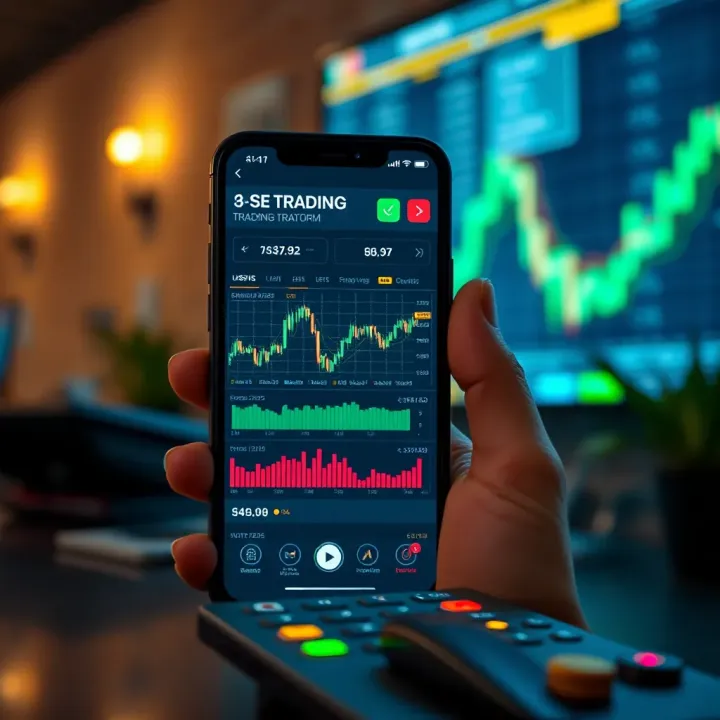
Global trading apps like eToro, Interactive Brokers, and Robinhood vary notably in fees and features. eToro shines with social trading capabilities, allowing users to copy experienced traders, which is great for beginners. However, it charges withdrawal fees and somewhat higher spreads. On the other hand, Interactive Brokers offers extensive market access and lower trading commissions but can be complex for novices. Robinhood appeals with zero commission but is mainly US-focused and has fewer international market options. Comparing these apps reveals how fees affect net returns and shows which features best suit different trader profiles.
User reviews and ratings
User reviews provide an on-ground perspective about app reliability, execution speed, and customer service. For instance, many traders praise Interactive Brokers for its robust platform but note its learning curve. eToro receives mixed feedback: users appreciate the social aspects but complain about hidden fees and occasional platform slowdowns during volatile times. Robinhood is popular for ease of use but faces criticism for server outages and limited regulatory oversight outside the US. Checking user ratings and common complaints helps Pakistani investors judge whether the app can handle their volume and expectations.
Local currency support and payment options
Trading apps that accept PKR deposits and integrate popular Pakistani payment methods such as JazzCash or Easypaisa simplify funding your account. Without local currency support, traders face higher conversion costs and longer processing times. Apps like Interactive Brokers and some regional platforms have started enabling bank transfer options in PKR, reducing hassle. This feature is valuable for Pakistanis to avoid currency conversion losses and facilitate quick deposits and withdrawals.
Support for Pakistan Stock Exchange (PSX) trading
For investors focused on the local market, access to the Pakistan Stock Exchange within the app is essential. Few global apps directly support PSX trading; instead, Pakistani brokerage apps like AKD Securities or JS Global provide seamless PSX market access with valuable research tools. Having this feature means traders need not juggle multiple platforms and can monitor, buy, and sell PSX-listed stocks efficiently. regional app support also usually includes helpful educational content tailored to the PSX, boosting trader confidence.
Choosing an app that balances global market reach with local features like PKR payments and PSX trading access can help Pakistani traders maximise their investment opportunities while maintaining ease and control over funds.
In sum, knowing the strengths of various trading apps—whether it's broad international markets or local convenience—guides Pakistani traders in picking platforms that match their priorities and trading goals.
Understanding cost and fee structures is essential when choosing a trading app, as these directly affect your profitability. Trading commissions, account fees, and hidden charges can eat into your returns without you noticing right away. For Pakistani traders especially, knowing how apps charge is key to picking a platform that suits your trading style and budget.
Trading commissions are charges applied every time you buy or sell an asset. Even a small fixed fee or percentage cut can add up quickly if you trade frequently. For example, an app charging Rs 100 per trade means spending Rs 1,000 on fees if you make ten trades a month. Over a year, this can significantly reduce your overall profits.
Account fees are another factor to watch for; some platforms charge monthly or annual maintenance fees regardless of your trading activity. This can be a disadvantage for casual investors or those with smaller accounts. Keeping these costs low or choosing apps without such fees makes a big difference over time.
Commission-free platforms have gained popularity by waiving these charges to attract traders. They often make up costs through other means like spreads or premium features. For instance, apps like Robinhood offer commission-free trading but might compensate by charging higher spreads on currency conversion or priority services. Paid platforms, however, may provide better trade execution or more robust tools which can justify their fees for serious traders.
Choosing between commission-free and paid platforms depends on your trading frequency, asset choice, and need for advanced features. If you are an active trader focusing on high-volume deals, lower commissions help maximise gains. For beginners or long-term investors, paying a reasonable fee for solid support and research tools might be a better trade-off.
Hidden fees often catch traders off guard. These include inactivity charges, withdrawal fees, or fees for certain order types. They can make your trading experience costly if not clearly disclosed. Always reviewing the complete fee schedule before signing up helps avoid surprises.
Currency conversion charges are especially important for Pakistani traders dealing in foreign assets. When you buy US stocks or cryptocurrencies on international apps, your rupees convert into dollars or other currencies. Many platforms charge conversions at unfavourable rates plus an extra fee, which lowers your effective investment amount.
For example, an app might convert Rs 100,000 to dollars at a rate 1-2% worse than the market rate plus a 0.5% conversion fee. This could mean losing a few thousand rupees upfront. Pakistani traders should look for platforms offering transparent, competitive conversion rates or those integrated with local payment gateways like JazzCash or Easypaisa to reduce such costs.
Always factor in every fee—from visible commissions to hidden conversions—to understand your true investing costs. This is crucial for preserving capital and enhancing returns.
In summary, cost and fee structures vary widely across trading apps. Pakistani investors must carefully consider commissions, account maintenance charges, hidden fees, and currency conversion costs to select the most cost-effective platform for their goals.
Trading apps have become an essential part of Pakistan's financial ecosystem, enabling more people to participate in stock markets, forex, and cryptocurrencies. Understanding how these apps operate within local regulations and financial infrastructure helps traders use them effectively and securely.
The Securities and Exchange Commission of Pakistan (SECP) regulates the country's capital markets and investment activities. SECP’s role includes licensing brokerage firms, monitoring compliance, and setting rules to protect investors. For a trading app to serve Pakistani users legitimately, it must comply with SECP’s guidelines or partner with SECP-registered brokers. This guarantees that user funds and trades are handled within a regulated framework, which reduces fraud and market manipulation.
Ensuring the legitimacy of a trading app involves checking for approvals and registration with SECP or other relevant authorities. Apps lacking clear regulatory compliance may expose investors to risk, including loss of funds and data breaches. Pakistani traders should prefer apps that clearly disclose their legal status and demonstrate strong investor protection policies. User education about recognising fraudulent platforms is also vital to safeguard investments.
Local payment options like JazzCash, Easypaisa, and direct bank transfers offer convenient and familiar ways for Pakistani users to fund their trading accounts. Trading apps that integrate these methods simplify deposits and withdrawals, reducing the need for complicated international wire transfers. This ease of access increases participation from retail investors who may not have credit cards or international banking facilities.
However, international payment gateways often pose challenges due to currency conversion fees, restrictions on cross-border fund flows, and sometimes longer processing times. Pakistani traders using global trading apps must be aware of these hurdles as they can inflate costs or cause delays. An app with smooth local payment support alongside reliable international options offers the best balance for Pakistani investors.
Pakistan’s frequent loadshedding and occasional internet disruptions can affect real-time trading where every second counts. Hence, trading apps with offline features, such as local data caching or delayed order submission, help mitigate risks during outages. Apps that send push notifications or SMS alerts about market events or executed trades also assist users staying informed even without constant internet access.
Pakistani traders should prioritise apps optimised for low bandwidth and intermittent connectivity. Keeping backup power sources like power banks or small UPS devices can also improve trading continuity. Ultimately, selecting apps with robust performance in unstable network conditions ensures that traders can manage positions effectively amid Pakistan’s infrastructure challenges.
Choosing a trading app that fits Pakistan’s regulatory environment, local payment landscape, and internet realities is key to successful investing. These factors collectively ensure security, convenience, and accessibility tailored to the needs of Pakistani traders.
Selecting a trading app that fits your specific requirements can make a big difference in how effectively you navigate the financial markets. Each trader’s objectives and skill level vary, so a one-size-fits-all approach rarely works. Whether you want to buy shares on the Pakistan Stock Exchange (PSX) or explore cryptocurrencies, choosing the right platform ensures you have the tools and support to succeed.
New traders often need platforms that simplify the basics, with easy order placement and clear dashboards. Apps like Robinhood or eToro provide intuitive interfaces suitable for someone just starting, offering features like demo accounts and step-by-step guides. In contrast, professional traders might prefer apps that offer advanced charting, real-time data, and complex order types. For instance, MetaTrader 5 or Thinkorswim attract experienced users needing in-depth technical analysis and automated trading options.
Choosing an app that matches your experience saves time and prevents frustration. A beginner struggling with a complicated platform may miss key opportunities, while a professional using a basic app could find it limits their trading strategies.
Beyond simple execution, many trading apps include built-in educational content to help users sharpen their skills. This could be in the form of video lessons, webinars, or market news tailored to current events. For example, some apps offer tutorials on technical indicators and risk management that are very handy, especially for those learning investment basics.
Strategic tools such as backtesting, simulated trading, and real-time alerts allow traders to test ideas and react swiftly. Pakistani traders might benefit from apps that provide local market news alongside global updates, helping them stay informed about PSX movements and international trends simultaneously.
Customer service is often overlooked but is vital when dealing with financial apps. Local support in Pakistan means you can get help in your time zone, in Urdu or English, avoiding miscommunication common with overseas centres. For example, platforms offering call or chat support during Pakistan business hours are preferable, especially during times of high market volatility when quick responses matter.
Trading education tailored for Pakistan’s market environment brings real value. Localised content considers the regulatory framework, market behaviour, and cultural investing habits. For instance, tutorials explaining SECP regulations, how to interpret PSX announcements, or the impact of rupee fluctuations on foreign assets help build contextual understanding.
Trading apps that invest in such education foster more confident investors who understand local risks and opportunities. This guidance also helps avoid common pitfalls, making your trading journey smoother and potentially more profitable.
Choosing a trading app that fits your skills, goals, and offers localised support and education can significantly improve your chances of success in Pakistan’s evolving financial markets.
In short, take time to assess your needs carefully, from user interface to educational resources, before settling on a trading app. This thoughtful approach helps you stay focused and make smarter investment choices.
Explore top trading apps for beginners in Pakistan 🇵🇰. Learn key features, ease of use, and regulations to find your perfect start in the trading world 📱💹.

📊 Find the best trading app in Pakistan! Learn to choose safely with tips on features, costs, assets, and support to grow your earnings confidently. 🇵🇰💰
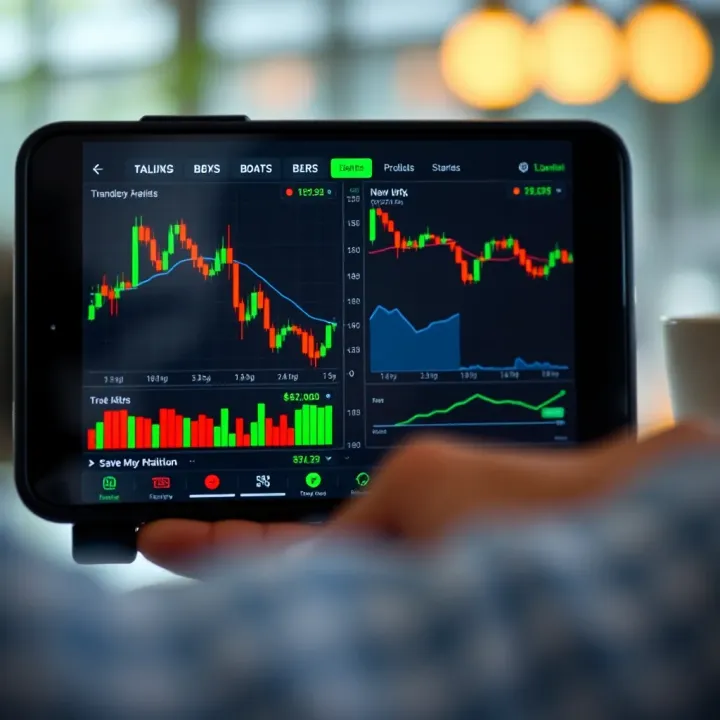
🔍 Find the best trading app for Pakistan investors! Explore features, fees, security & more to trade confidently and smoothly in the local market. 📱🇵🇰

Looking for the best trading app in Pakistan? 📱 Explore top features, security tips, and compare popular apps to fit your trading style and experience level.
Based on 7 reviews