

Choosing the Best Trading App in Pakistan
Looking for the best trading app in Pakistan? 📱 Explore top features, security tips, and compare popular apps to fit your trading style and experience level.
Edited By
Victoria Hughes
Cryptocurrency trading in Pakistan is gaining traction despite regulatory uncertainties and economic challenges. With Bitcoin, Ethereum, and other digital coins becoming familiar names, many Pakistanis now see crypto as a potential avenue for investment and income.
Understanding the basics is the first step. Crypto trading involves buying and selling digital assets on exchanges, aiming to profit from price changes. Unlike the traditional stock market, crypto operates 24/7, adding both flexibility and risk. Many local traders use platforms such as Binance, Binance P2P, and local brokerages that support PKR deposits through JazzCash or Easypaisa.
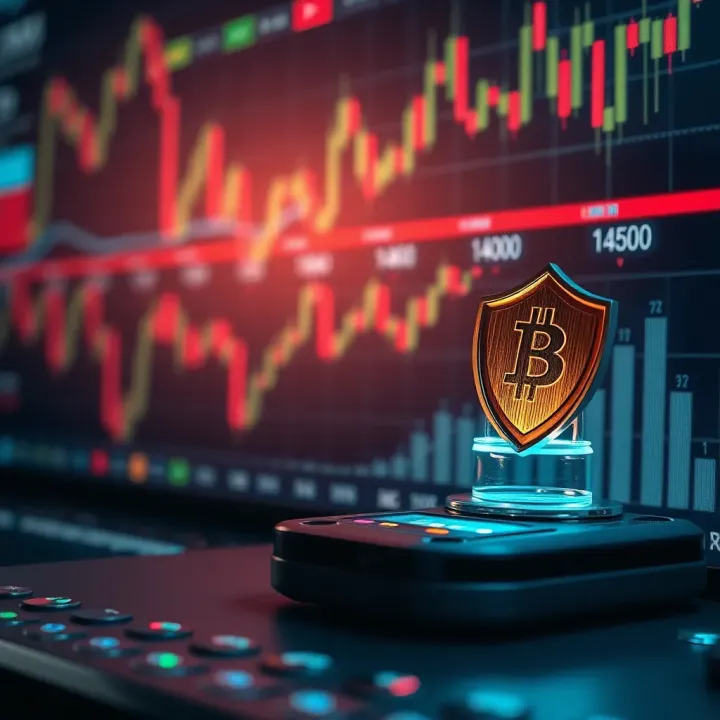
Volatility is a double-edged sword here. While price swings offer chances for quick gains, they demand careful strategy and risk management. For example, a Bitcoin surge from Rs 10 lakh to Rs 13 lakh within a month can tempt impulsive buying, but prices can just as quickly drop by thousands of rupees. Hence, setting stop-loss orders and avoiding emotional trading are key practices.
Pakistani investors also need to navigate legal considerations. The State Bank of Pakistan (SBP) has not officially legalised cryptocurrencies for payments, though trading itself isn’t outlawed. This uncertainty means traders should stay updated with announcements from SBP and the Federal Board of Revenue (FBR) regarding tax obligations around crypto profits.
Security deserves attention too. Crypto wallets and exchange accounts must be protected with strong passwords, two-factor authentication, and, ideally, hardware wallets for sizeable holdings. Several scams and wash trading schemes have popped up on unregulated local platforms, so verifying platform credibility remains critical.
Success in crypto trading combines knowledge, vigilance, and patience. You'll want to balance taking advantage of market movements with safeguarding your capital and complying with evolving regulations.
In this guide, you will find practical advice on choosing platforms, analysing market trends, understanding local regulatory stance, handling taxation, and protecting your crypto assets. The focus is on clear, actionable steps relevant to Pakistan’s marketplace and financial environment.
Getting a firm grip on cryptocurrency markets is key for anyone serious about trading in Pakistan. Unlike traditional stock markets, crypto trading moves round the clock, reacting quickly to global events and local interest. For example, a sudden regulatory update from the State Bank of Pakistan (SBP) or FBR announcements can swing prices noticeably. Understanding these markets helps traders spot opportunities, manage risks, and avoid common pitfalls.
Cryptocurrencies are digital or virtual forms of money secured by cryptography, making them tough to counterfeit. Bitcoin was the first of its kind and acts like digital gold, while thousands of others have followed. For traders in Pakistan, cryptocurrencies offer a way to invest or transact without relying fully on traditional banks or cash, especially when international access is limited.
Coins refer to cryptocurrencies that function independently on their own blockchain, like Bitcoin or Ethereum. Tokens, however, often represent assets or utility on existing blockchains—for instance, a token might be used within an app or platform. Understanding this matters because coins generally serve as money or value stores, whereas tokens’ value depends on the projects backing them and can offer earning potential beyond simple trading.
Trading crypto works similar to stocks but with higher volatility and no fixed hours. Traders buy and sell cryptocurrencies aiming to profit from price changes. Successful trading depends on reading market signals, using charts, technical tools, and keeping an eye on news affecting crypto demand. It's essential to set entry and exit points, especially given how fast the market can swing even within hours.
Bitcoin (BTC) remains the most popular cryptocurrency among Pakistani traders, known for its widespread recognition and relatively stable network. Ethereum (ETH) comes next, notable for powering smart contracts and many decentralised apps, drawing interest from tech-savvy traders. Other coins like Binance Coin (BNB) and Solana (SOL) also attract attention due to lower fees and faster transactions.
Pakistan has seen growing crypto activity, with increasing numbers signing up on platforms like Binance and local P2P exchanges. Despite regulatory uncertainty, user engagement in crypto trading, especially during price surges, spikes sharply. Platforms that integrate with JazzCash or Easypaisa help widen accessibility, making it easier to deposit PKR and convert to crypto, which boosts trading volumes.
Crypto trading impacts Pakistan’s economy subtly yet meaningfully. It provides alternative avenues for investment amid currency fluctuations and inflation pressures. Furthermore, it opens doors for overseas remittances with lower fees compared to traditional methods. Still, without clear regulations, some economic benefits remain underutilised, with many wary of scams or legal risks.
Understanding these market basics equips you to make informed decisions and navigate Pakistan’s unique crypto landscape with confidence.
Selecting the right crypto trading platform forms the backbone of any successful trading venture in Pakistan. With growing interest in cryptocurrencies, the choice of platform influences not just convenience but security and potential profitability. A proper platform ensures smooth transactions, instant access to markets, and compliance with local regulations.
Security is non-negotiable when handling cryptocurrencies, especially in Pakistan where regulatory scrutiny is rising. Reliable exchanges employ stringent security practices like two-factor authentication (2FA), cold storage for funds, and encryption protocols to protect user assets. Moreover, platforms approved or recognised by the Pakistan Telecommunication Authority (PTA) offer an extra layer of trust because they comply with digital payment regulations. This approval often ensures that the platform has safeguards against fraud, money laundering, and unauthorised access.
For most Pakistani traders, mobile access is vital due to widespread smartphone usage and occasional internet constraints. Platforms with intuitive interfaces and responsive mobile apps enable traders to buy, sell, and monitor crypto assets effortlessly, even in fluctuating network conditions. User-friendly design reduces the risk of costly mistakes during fast market movements. Platforms like Binance and Coinbase have streamlined apps that support real-time updates, while local exchanges often customise their apps to accommodate Pakistani payment methods and languages.
Trading fees and transaction costs can eat into profits quickly if not carefully considered. Exchanges charge for trading activity, deposits, withdrawals, and sometimes currency conversion. For Pakistani users, the cost structure should be transparent and competitive. Lower fees encourage more frequent trades and better liquidity. For example, many international platforms charge around 0.1% per trade, but fees can rise for lesser-known tokens or P2P transfers. Some local platforms tailor fees to attract Pakistani traders, offering lower charges when using local bank transfers or mobile wallets.
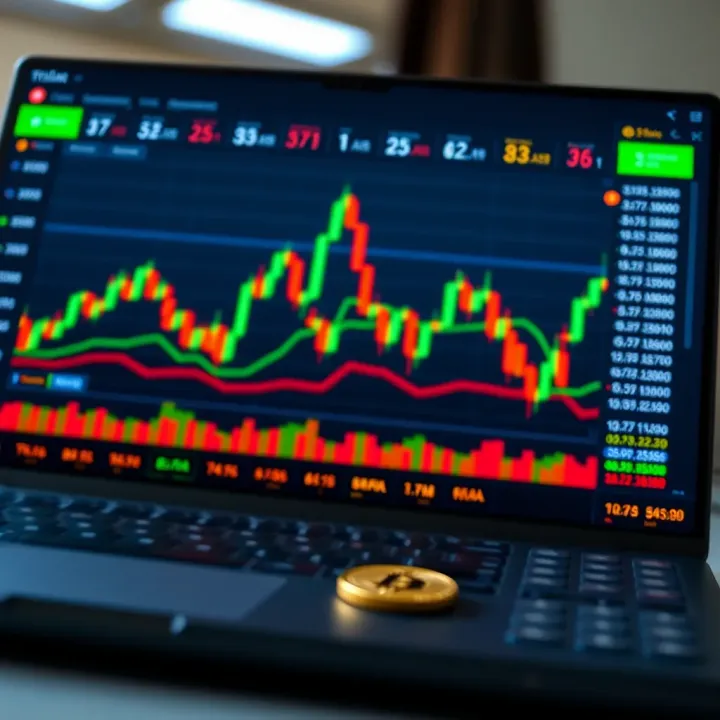
Platforms like Binance, Kraken, and Coinbase remain popular among Pakistani traders for their vast selection of cryptocurrencies, liquidity, and security. Despite challenges such as limited direct PKR support, these exchanges allow deposits via multi-currency wallets, credit cards, or P2P methods. Though they lack official PTA approvals, their global reputation and compliance with international standards make them a strong choice for Pakistani investors seeking reliability and variety.
Local exchanges such as Urdubit and platforms specializing in peer-to-peer (P2P) trading provide more PKR-friendly and accessible options. P2P trading allows users to buy and sell directly among themselves, reducing dependency on large exchanges. This suits traders wary of international restrictions or seeking quicker PKR deposits. However, P2P requires vigilance to avoid scams, so using escrow services and verified partners is essential.
Smooth fund transfers are crucial for Pakistani traders. Platforms integrating JazzCash, Easypaisa, and local bank transfers offer a tremendous edge. These services provide quick, low-cost, and familiar payment channels for PKR deposits and withdrawals. Integration enables faster onboarding and trading without relying on complicated international payment gateways or currency conversions. For instance, local exchanges offering JazzCash deposits let traders boost capital instantly, powering timely trades during volatile market moves.
Choosing a platform that balances security, ease, cost, and PKR compatibility empowers Pakistani traders to navigate crypto markets confidently and effectively.
By focusing on these key factors, traders and investors can find platforms that suit their needs while minimising risks and maximising convenience in Pakistan’s unique crypto landscape.
Navigating crypto trading successfully demands more than luck; it involves well-thought-out strategies tailored to minimize risks and maximise gains. In Pakistan, where market volatility is high and regulation less defined, having strong trading tactics helps traders avoid common pitfalls and connect with real opportunities.
Evaluating projects and coins requires examining the core value and potential of cryptocurrencies before investing. Look beyond price tags: check the technology behind a project, the team running it, and its roadmap. For instance, Ethereum’s value partly rests on its smart contract capabilities, which attract developers globally. On the other hand, less-known tokens might lack transparency and clear use cases, raising red flags.
Balancing technical details with practical impact matters. If a coin has no active development or community support, staying clear is wiser. Pakistani traders often overlook these fundamentals and jump on hype alone—sometimes with costly results.
Using price charts and indicators means tracking patterns through tools like moving averages, Relative Strength Index (RSI), and candlestick charts. These help assess when a coin is likely to rise or fall soon. For example, an RSI above 70 usually signals overbought conditions, suggesting a possible price drop. Combining these charts with volume data can reveal buying or selling pressure.
Practical usage means not blindly following signals but combining them with news from Pakistan’s local market and global crypto updates. This blend offers better timing and decision-making.
Common mistakes to avoid in analysis include chasing trends without research, ignoring market sentiment, and holding coins during prolonged downtrends hoping for rebounds. Many new traders in Pakistan buy Bitcoin or lesser coins when prices are peaking, only to face losses during corrections. Another error is neglecting to set exit points, which worsens losses.
Setting stop-loss and take-profit levels allows traders to control losses and lock in gains automatically. For example, if you buy Bitcoin at Rs 5,500,000, setting a stop-loss at Rs 5,300,000 means the system sells if price drops to that level, protecting you from deeper losses. Similarly, a take-profit at Rs 5,700,000 sells when your desired profit arrives.
For Pakistani traders juggling other financial commitments, these tools prevent emotional decisions during rapid price swings.
Diversifying crypto portfolio means spreading investments across different coins or tokens to reduce risk. Instead of putting Rs 1 lakh into one coin, you may invest Rs 50,000 in Bitcoin, Rs 30,000 in Ethereum, and Rs 20,000 in a stablecoin or emerging token. This way, a drop in one asset does not wipe out your entire investment.
Given Pakistan’s unstable trading environment, diversification helps absorb shocks from both local and global events.
Timing trades in volatile conditions requires patience and awareness. In Pakistan, sudden news—like changes in State Bank of Pakistan (SBP) policies or global crypto bans—can cause erratic price movements. Avoid making snap decisions during these phases. Often, waiting for clear market direction and using smaller trade sizes protects your capital from unexpected swings.
Smart trading combines analysis with discipline. Pakistani traders who apply these strategies stand better chances of turning the unpredictable crypto market into a manageable opportunity.
By understanding these approaches and avoiding common traps, traders in Pakistan can refine their skills and grow more confident in this fast-moving market.
Understanding the legal and security framework around crypto trading is essential for Pakistani investors. Regulations directly affect how you trade, the platforms you can use, and how you protect your assets. Ignoring this can lead to unexpected hurdles, including blocked transactions or potential legal issues.
The State Bank of Pakistan (SBP) has maintained a cautious approach towards cryptocurrencies. Officially, it does not recognise cryptocurrencies as legal tender and warns against their use for payments. This means banks are generally restricted from facilitating crypto transactions. For traders, this stance creates challenges in using local bank accounts for direct crypto deposits or withdrawals.
Despite this, peer-to-peer (P2P) platforms and certain crypto exchanges still operate by allowing users to trade crypto against PKR indirectly, often using mobile wallets like JazzCash and Easypaisa. However, you should stay updated about SBP notifications as the regulatory landscape can shift.
The Pakistan Telecommunication Authority (PTA) regulates digital payment systems and mobile financial services. For crypto traders, this means any platform integrating mobile wallets or bank transfers must comply with PTA rules regarding user verification and transaction monitoring.
Mobile wallets have become a popular bridge for crypto transactions, but PTA requires full KYC (Know Your Customer) compliance. Users must ensure their accounts are verified and transactions are within legal limits. Platforms failing to meet PTA standards risk blocking or suspension, which could hamper your trading activities.
The Federal Board of Revenue (FBR) is increasingly focusing on taxing crypto gains. Crypto trading profits are considered taxable income, and you must declare these on your tax returns. Even though specific crypto taxation rules are evolving, traders should keep detailed records of all transactions, including dates, amounts, and trade values.
FBR may require transaction histories during audits, and unreported gains could lead to fines or legal complications. Consulting a tax professional familiar with digital assets in Pakistan can help ensure compliance and avoid surprises.
Choosing the right wallet is a critical step. Hot wallets (online) offer convenience but are vulnerable to cyberattacks. Cold wallets (offline devices like hardware wallets) provide far better security by keeping your private keys offline.
For Pakistani traders, investing in a hardware wallet can protect assets through power outages or internet disruptions common due to loadshedding. Always backup your wallets and store recovery phrases securely, away from prying eyes.
Crypto scams are on the rise in Pakistan, from fake investment schemes to phishing attempts. Always verify platform authenticity and avoid offers promising guaranteed high returns. Never share your private keys or sensitive information.
If you receive unsolicited messages or requests to transfer crypto, treat them with suspicion. Using official exchange apps and verifying URLs and contact details can reduce risks. Staying informed through trusted crypto communities also helps detect new threats early.
Two-factor authentication (2FA) adds an extra layer of security by requiring a second verification step, such as a code from an app or SMS.
Enabling 2FA on your trading accounts and wallets limits access, even if passwords are compromised. For Pakistani traders, where mobile devices might be shared or lost, 2FA can prevent unauthorised access and help protect against account takeover fraud.
A strong security setup combined with awareness of Pakistan's regulatory environment forms the backbone of safe crypto trading. Staying informed and cautious will help you trade confidently and avoid common pitfalls.
Starting crypto trading in Pakistan requires a clear understanding of practical steps to avoid common pitfalls and maximise safety. Following these tips can help you navigate the local trading ecosystem efficiently, especially considering regulatory, technical, and financial challenges specific to Pakistan.
To start trading, you must create an account on a crypto exchange that accepts Pakistani users. Most platforms insist on a thorough Know Your Customer (KYC) process, meaning you need to submit your CNIC or passport details along with a selfie for identity verification. This step is crucial for legal compliance and helps minimise fraud risks. Platforms like Binance or local P2P markets usually complete verification within a few days.
After account setup, funding your wallet is next. In Pakistan, you can deposit Pakistani Rupees (Rs) through bank transfers, JazzCash, or Easypaisa, depending on platform support. Use only PTA-approved wallets to avoid transaction holds. Always double-check your deposit address—copy-paste mistakes can cause permanent loss of funds. For example, depositing Rs 10,000 through Easypaisa wallet on Binance P2P is fast and secure, providing real-time transactions without high fees.
Once your account holds funds, you can place your first trade. Start small to get familiar with order types like market orders (instant execution) and limit orders (execute at set price). For instance, buying Bitcoin (BTC) at market price lets you enter the trade immediately, while a limit order can help you buy at a preferred price in a fluctuating market. Keep transaction fees in mind; some exchanges charge around 0.1% per trade, which adds up with frequent buying and selling.
Control your risks by investing only what you can afford to lose. Avoid chasing losses with hasty trades—a common trap for beginners. Diversify your crypto portfolio to spread risk; instead of putting Rs 100,000 into just BTC, consider dividing it across BTC, Ethereum (ETH), and a stablecoin like USDT. Also, limit trade frequency to reduce fees and emotional decision-making.
The Federal Board of Revenue (FBR) requires traders to declare income from cryptocurrency trading. Maintain thorough records of all transactions, including dates, trade volumes, buy/sell prices, and wallet addresses. Simple spreadsheet software or apps designed for crypto accounting can help track gains or losses. Accurate records make annual tax filing smoother and protect you in case of audits.
Remember, FBR periodically updates its guidance on crypto taxation, so staying informed helps avoid penalties.
Due to the evolving legal framework around cryptocurrencies in Pakistan, it’s wise to seek advice from tax consultants or financial advisors experienced with digital assets. They can guide you on compliance, potential deductions, and reporting requirements specific to your trading volume and income. This proactive step can save you from costly mistakes and ensure your crypto ventures remain above board.
By following these practical suggestions, you set yourself up for safer and more confident crypto trading in Pakistan's increasingly dynamic market.
Looking for the best trading app in Pakistan? 📱 Explore top features, security tips, and compare popular apps to fit your trading style and experience level.
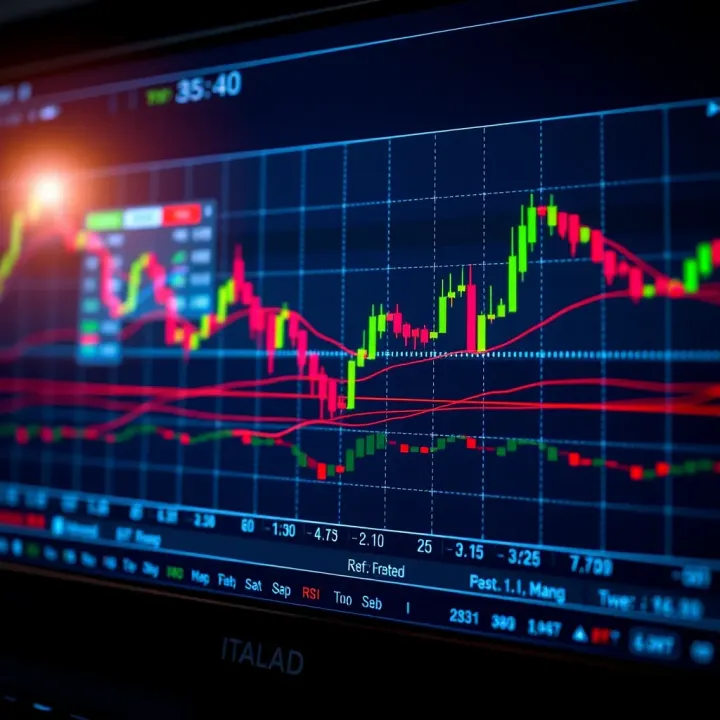
Discover the best crypto trading indicators and how Pakistani traders can use them to analyze markets effectively 📊. Avoid common mistakes and trade smarter!

Explore the best crypto trading platforms for Pakistani traders 🇵🇰, covering security 🔒, fees 💰, user experience 👨💻, and local regulations 📜 to trade smartly.
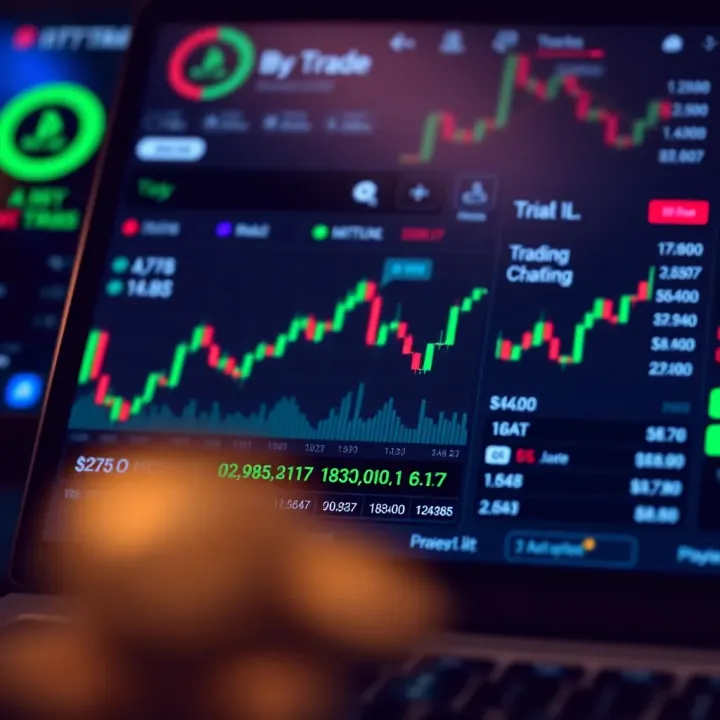
Discover how to pick the best crypto trading app in Pakistan 🇵🇰 with top security, ease of use, and local features for smarter crypto trades 📈🔒
Based on 6 reviews