
Choosing the Best Indicator for Crypto Trading
🔍 Explore the best crypto trading indicators, learn their pros & cons, and get practical tips to improve your trading decisions in volatile markets. 📊
Edited By
Emma Richardson
Crypto trading has gained significant traction in Pakistan, attracting a growing number of investors and traders eager to capitalise on the volatile market. However, navigating the ups and downs of cryptocurrencies like Bitcoin, Ethereum, and others requires more than guesswork or luck. This is where crypto trading signals come into play.
Crypto trading signals are indicators or alerts that suggest the best times to buy or sell a specific cryptocurrency. They offer insights based on technical analysis, market trends, or expert predictions. Pakistani traders, whether seasoned or just starting, can use these signals to make more informed decisions and potentially improve their trading outcomes.
Signals come from various sources — some rely on automated algorithms analysing price movements, while others come from experienced analysts sharing their market views. For example, a signal may indicate that Bitcoin's price is expected to rise soon, prompting a buy recommendation.
Using trading signals wisely can save you from heavy losses during market swings, but they are not foolproof. Signals should complement your own research and risk management strategies.
Common types of trading signals include:
Entry signals: Indicate when to buy or open a position.
Exit signals: Suggest when to sell or close a position.
Stop-loss signals: Recommend a price point to limit losses.
Pakistani investors often face challenges like limited local guidance or regulatory uncertainties, making reliable trading signals even more valuable. Platforms like TradingView, Binance, or Telegram crypto channels offer signal services tailored for the Pakistani market.
Understanding these basics helps investors avoid common pitfalls, such as relying solely on free but unverified signals or ignoring proper risk assessments. The goal is to use crypto trading signals as a tool within a broader trading plan, not a magic wand.
Following sections will explore the different types of signals in more detail, where to find trusted sources, and practical tips to integrate them effectively into your trading on Pakistani exchanges or international platforms accessible locally.
Crypto trading signals are alerts or suggestions that indicate the right time to buy or sell a cryptocurrency. They help traders, especially in fast-moving markets like those in Pakistan, make informed decisions rather than relying on guesswork. These signals come from analysing market trends, price movements, or technical indicators and are crucial for anyone looking to make timely trades and reduce risks.
At their core, trading signals notify investors about potential trading opportunities. For instance, a signal might suggest buying Bitcoin when its price crosses a certain level, expecting it to rise further. This is useful for both beginners and experienced traders who want to catch price movements without spending hours analysing charts themselves.
Timing is everything in crypto trading. Signals help by indicating when to enter or exit a trade, optimising profit chances and limiting losses. Imagine you receive a signal saying, “Buy Ethereum at Rs 150,000”. If you follow it quickly, you might benefit before the price climbs. Without this, traders might enter too late or exit too early, missing out on gains or facing losses.
These are specific price levels where traders are advised to buy (entry) or sell (exit). For example, a signal might recommend entering Litecoin at Rs 15,000 and exiting at Rs 17,000. Clear entry and exit points help avoid confusion, preventing traders from guessing when to act, which is critical in volatile markets.
To manage risk, good signals also include stop-loss levels, which minimise losses if the market turns unfavourable. Say a stop-loss is set at Rs 14,000 for the above Litecoin trade—if the price falls to that level, the trade closes automatically to avoid bigger losses. Similarly, take-profit levels lock in gains by selling once a target price is reached, such as Rs 17,000 here.
Signals may target different trading durations—from minutes to days. Short-term signals suit day traders looking for quick moves, while long-term signals guide investors aiming to hold for weeks or months. Understanding the time frame is vital; a signal instructing a quick trade might be useless for someone planning to invest for the long haul.
Effectively using crypto trading signals can save you time and help make better decisions but requires understanding their components thoroughly before trusting them in your trading routine.
By knowing the basics of trading signals, you set a solid foundation. From identifying exactly when to enter or exit trades, managing risks with stop-loss and take-profit levels, to picking appropriate signal time frames, Pakistani investors can improve their chances in the unpredictable crypto market.
Crypto trading signals come from various sources, each with its unique way of generating recommendations. For Pakistani investors, knowing the origin of these signals and their reliability helps navigate the market wisely, especially given the crypto market's unpredictability. Relying on signals without understanding their source can lead to costly mistakes.
Analysts generate manual crypto signals by studying market trends, price charts, and news developments. They use technical tools like moving averages, RSI (Relative Strength Index), and volume analysis to time entries and exits. These signals reflect human judgment and experience, which can factor in nuances automated systems might miss.
Pakistan has growing expertise in crypto analysis, with some local analysts offering paid advisory services. These services typically provide concise daily or weekly signals tailored for Pakistani investors, sometimes including risk assessments adjusted for local market sentiments. For example, a Karachi-based expert might consider both global crypto trends and local regulatory updates before sharing a signal.
Algorithmic trading bots use programmed rules to scan the market continuously and generate signals. They process large datasets faster than any human analyst can, spotting patterns and trends through technical indicators or machine learning models. These signals can fire frequently and work well in fast-moving markets.
Many platforms offer algorithmic signals integrated into trading apps popular in Pakistan, such as Binance and Kraken. These platforms let traders set auto-trade options based on signals, reducing the time needed to monitor the market manually. However, algorithmic signals depend heavily on the quality of their underlying code and may falter during unexpected events.
In Pakistan, Telegram and WhatsApp groups are common hubs for sharing crypto trading signals. These groups often mix manual and automated signals and can be a quick way to get updates. Many members share tips, discuss trades, or warn about scams.
However, assessing the trustworthiness of such group signals is vital. Look for groups with transparent track records, clear strategies, and open member discussions. Beware of those promising guaranteed profits or pushing you to subscribe without showing actual results. A reliable group will encourage learning and caution, not just blind following.
Understanding the source of trading signals and their reliability helps you avoid scams and make informed trading decisions. Don't just follow signals blindly; verify their credibility, especially in fast-changing markets like crypto.
By focusing on where signals come from, Pakistani investors can better evaluate which ones fit their trading style and risk tolerance, making their crypto journey less of a gamble and more of a calculated effort.
Using crypto trading signals effectively requires more than simply following tips blindly. These signals work best when integrated thoughtfully into your own trading strategy, combined with strong risk management and the right tools. For Pakistani investors navigating the volatile crypto market, this approach can help improve decision-making and protect capital.
Combining signals with personal analysis is key to making the most of trading signals. While signals provide entry and exit points, it’s important to validate them against your own market research. For example, if a signal suggests buying Bitcoin but your personal analysis shows heavy resistance ahead or fundamental news like new government regulations, you might delay or avoid the trade. Personal analysis can include checking technical indicators, recent news, or market sentiment. This double-checking prevents over-reliance on any single source and helps build confidence in your trades.
Adjusting signal-based trades for market conditions is another crucial step. Crypto markets tend to behave differently during high volatility compared to calmer periods. If a signal works well during steady trends, it might falter when flash crashes hit or unexpected news breaks. Pakistani investors should watch for local and global events affecting crypto prices and modify trades accordingly. For instance, during periods of increased volatility — like after major policy announcements or during volatile trading hours in Pakistan — you might tighten your stop-loss or reduce trade size based on signals to limit risks.
Setting stop-loss orders helps contain losses when market moves go against your position. Even the best trading signals can be wrong, especially in crypto’s unpredictable environment. Stop-loss orders automatically sell your crypto at a set price to prevent bigger damage. For example, if a signal suggests buying Ethereum at Rs 300,000, setting a stop-loss at Rs 280,000 limits potential loss to around 7%. This simple step ensures disciplined trading and reduces emotional decision-making.
Limiting exposure on single trades means not putting too much of your portfolio into one signal. A rule of thumb for Pakistani traders might be to risk only 1-3% of your total capital on any single crypto trade. This way, even if the signal fails, your overall portfolio remains protected. Spreading risk helps when dealing with volatile assets, so even if a signal’s suggestion doesn’t pay off, your account stays afloat.
Mobile apps popular in Pakistan make tracking signals easier on the go. Apps like Binance, Bitget, and local wallets support notifications for price alerts and signal updates. Also, Pakistani traders frequently use Telegram and WhatsApp groups for real-time signal sharing. Having access to signal alerts on your mobile allows faster reactions, especially during hours when desktop access is limited due to work or power outages.
Using broker platforms with signal integration can streamline the process. Some Pakistani-friendly crypto exchanges and brokers provide built-in signal services or allow API connections to popular signal providers. This integration lets traders execute signal-based trades quickly without switching apps or copying manually. For instance, platforms like Binance offer copy-trading features, where you can follow expert traders automatically, combining signals with execution under one roof.
Using crypto trading signals wisely demands a balance of trust and caution. Make sure you integrate signals into your own analysis, manage your risks carefully, and use tools that suit your trading style and lifestyle in Pakistan.
This structured approach helps Pakistani investors reap the benefits of crypto signals without falling into common pitfalls. Proper usage doubles as both a shield in rough markets and a guide when opportunity knocks.
Crypto trading signals can be helpful in guiding investment decisions, but they are not foolproof. Pakistani investors need to understand the risks and limitations to avoid losses and scams. This section explores key challenges such as market volatility, misleading signals, fraud risks, and the dangers of over-relying on signals without proper knowledge.
Signals often miss their mark during highly volatile market phases. Crypto markets move quickly, with sharp price swings influenced by news, regulations, or large trades. A signal suggesting a buy or sell point might become irrelevant within minutes if the market shifts unexpectedly. This makes strict reliance on signals alone risky, especially without adaptive strategies.
For example, during the 2021 crypto boom and bust, many signals failed to warn traders of sudden falls in Bitcoin and Ethereum prices. Traders who followed signals blindly faced significant losses as prices dropped faster than most signals could update. The unpredictable nature of crypto calls for traders to keep an eye on live charts alongside signals.
Unreliable providers often lure traders with promises of high returns and guaranteed profits. Warning signs include unclear track records, lack of transparency about signal methodology, and aggressive marketing with subscription fees upfront. Many fake providers use copied or outdated data, resulting in poor trade suggestions.
Pakistani investors should verify provider credentials by checking past performance claims and searching for independent reviews. Protect yourself by avoiding groups demanding advance payments via untraceable methods and do not share your exchange account passwords or private keys with anyone.
Blindly following trading signals without understanding the reasoning can be dangerous. Markets can behave unexpectedly, and signals may not consider external factors affecting prices. Without basic knowledge, traders might misinterpret signals or fail to manage risks appropriately.
Educating yourself about crypto markets, chart reading, and basic trading principles is crucial. Understanding technical and fundamental aspects empowers you to assess signal validity and make informed decisions. This reduces dependency and helps prevent losses due to poorly timed trades or scams.
Relying solely on trading signals is like driving without looking at the road; it might work initially but often leads to trouble. Combine signals with your own learning to navigate crypto markets wisely.
In summary, while crypto trading signals offer valuable insights, Pakistani investors should be cautious of their limitations. Market volatility can outpace signal updates, scammers abound, and overdependence without understanding exposes you to unnecessary risks. Balancing signals with education and critical judgment is the best way to protect your investment and improve outcomes.
Choosing the right crypto trading signal service is vital for Pakistani traders to make informed decisions and safeguard their investments. With many options available, picking a service that fits your trading style, budget, and knowledge level can improve your chances of success significantly. A reliable signal service provides clear, timely information that matches the local market context and helps navigate the unique challenges Pakistan’s crypto investors often face, such as regulatory changes and high market volatility.
Before subscribing to any crypto trading signal service, look closely at their track record. Genuine providers share detailed past performance, including win-loss ratios and overall profitability over a reasonable time. For instance, if a provider claims a 70% success rate but only showcases selective snapshots without dates, it’s better to be cautious. Pakistani traders benefit from providers who publish clear historical data, enabling them to verify claims through independent sources or forums.
Transparency means the signal provider openly shares their methods, risks, and fees. A trustworthy service explains how signals are generated—whether through expert analysis, algorithmic trading, or community consensus. This openness builds trust and helps traders judge if the service suits their risk appetite. In Pakistan, where scams and misleading claims are not uncommon, transparency also means supporting customers with clear communication channels and realistic expectations based on local market realities.
Many signal services offer free signals to attract users, but these often lack depth or timeliness. Paid signals generally come with better research, faster alerts, and more personalised support. Pakistani investors should weigh whether free options meet their needs or if paying a monthly fee—ranging from a few thousand to tens of thousands of rupees—is justified based on potential returns. Using free trials or low-cost plans before committing is a smart way to assess value without risking much.
Cost-effectiveness matters. A premium signal service charging Rs 20,000 per month must provide tangible benefits over a cheaper alternative. This includes quality of signals, frequency, and support. Pakistani traders should consider their capital size and trading frequency when evaluating price; for example, a 2% monthly profit on Rs 50,000 might be worth a Rs 2,000 subscription. Services failing to provide educational resources or post-trade analysis usually do not justify higher fees.
Good customer support sets apart a reliable signal service. Pakistani traders often need quick answers on subscription issues, signal interpretation, or technical problems with apps. Providers offering responsive live chat, email support, or local phone assistance earn higher trust. Delays or generic responses can cost traders valuable opportunities and increase frustration.
Beyond signals, the best services help users understand market behaviour and build personalised trading strategies. Educational content like webinars, tutorials, or Q&A sessions adapts to different experience levels. Supporting Pakistani traders with Urdu or regional language materials would be especially useful but remains rare. A signal service that invests in clients’ learning overall improves long-term trading skills, reducing the risk of blind reliance on signals alone.
Selecting the right crypto trading signal service requires careful review of performance data, transparency, cost, and support to match individual trading goals within Pakistan’s unique market environment.
By focusing on these key areas, Pakistani investors can avoid common pitfalls and make signals work in their favour rather than becoming easy targets for scams or poor decisions.
🔍 Explore the best crypto trading indicators, learn their pros & cons, and get practical tips to improve your trading decisions in volatile markets. 📊
🔍 Find the best trading app for Pakistan investors! Explore features, fees, security & more to trade confidently and smoothly in the local market. 📱🇵🇰
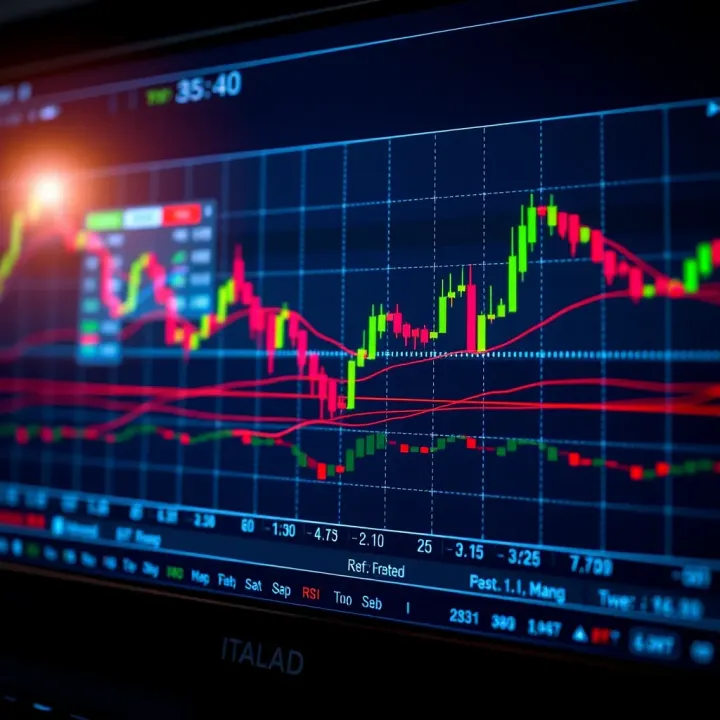
Discover the best crypto trading indicators and how Pakistani traders can use them to analyze markets effectively 📊. Avoid common mistakes and trade smarter!

Explore the best crypto trading platforms for Pakistani traders 🇵🇰, covering security 🔒, fees 💰, user experience 👨💻, and local regulations 📜 to trade smartly.
Based on 7 reviews