

Benefits of Risk Management for Success
Explore how effective risk management helps identify dangers, improves decision-making, limits losses, and strengthens financial stability for your business. 📉💡
Edited By
Sophie Hughes
Disaster Risk Management (DRM) focuses on reducing the losses caused by natural or human-made disasters. It’s not just about reacting after a flood or earthquake but planning ahead to stop damage before it happens. In Pakistan, with its frequent floods, earthquakes, and sometimes even industrial accidents, DRM has become essential for protecting lives and property.
The core of disaster risk management is understanding the risks, preparing accordingly, responding when disaster strikes, and recovering smoothly afterwards. These steps form a cycle that governments, businesses, and communities follow to minimise harm.
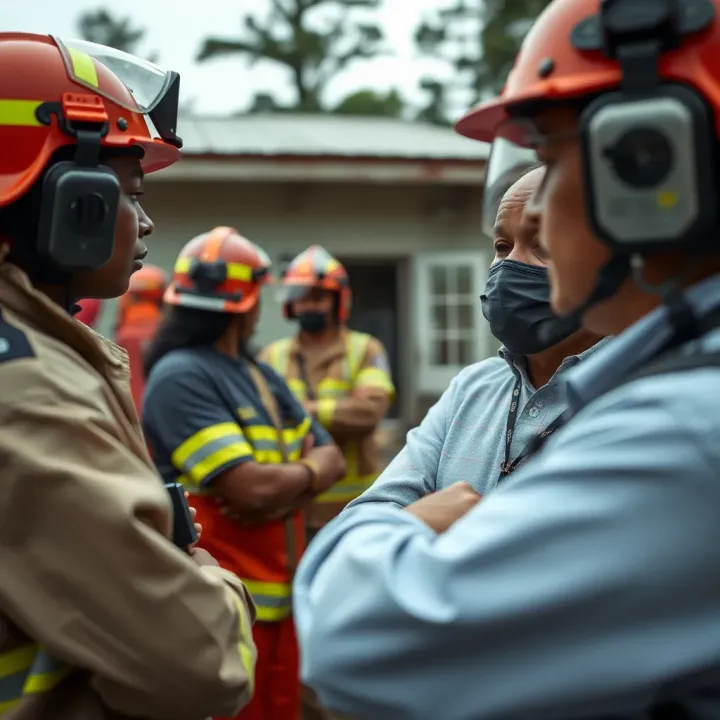
Financial markets often react sharply to disaster events. Floods disrupting supply chains or earthquakes damaging infrastructure can hit company earnings and stock prices. Traders and investors who know the basics of DRM can better assess risks to their portfolios, especially in sectors like agriculture, construction, and energy.
For example, during the 2010 floods in Pakistan, several textile industries in Faisalabad stopped production for weeks. Investors with insight into DRM were quick to adjust their strategies based on recovery plans and government intervention efforts.
Pakistan’s government and organisations follow these main phases:
Risk Assessment: Identifying which areas face the most danger. For instance, riverbanks and low-lying zones are marked flood-prone.
Preparedness Planning: This includes warning systems, evacuation drills, and stockpiling emergency supplies.
Response: Quickly mobilising resources like rescue teams and relief goods once a disaster hits.
Recovery: Repairing infrastructure and restoring services to normal.
Communities also play a key role. Local knowledge about weather patterns or terrain can improve early warnings and evacuation procedures, helping save lives.
A well-planned disaster risk management system reduces economic shocks and builds confidence among investors, showing that the country is resilient even in tough times.
Understanding DRM helps market participants spot which regions or industries are vulnerable, and how these risks might affect financial performance. For those active in Pakistan’s markets, keeping an eye on DRM developments can offer a sharper edge in decision-making.
Managing disaster risks is essential for reducing the impact of events like floods, earthquakes, and industrial accidents that Pakistan faces regularly. It involves understanding how different hazards interact with vulnerable populations and infrastructure, allowing targeted strategies to limit damage and loss.
Disaster risk is the potential for losses when hazards meet vulnerable conditions. A hazard could be a natural event like a flood or a man-made incident such as a factory explosion. Vulnerability defines how exposed or susceptible people and assets are to harm. For example, communities living near riverbanks without proper embankments are more vulnerable to floods.
Understanding the relationship between these terms helps investors and policymakers identify where resources can best prevent or reduce damage. In practical terms, assessing risk means analysing both the likelihood of an event and the degree to which a community or asset might suffer.
Disaster preparedness focuses on readiness before an event strikes — training responders, setting up early warning systems, and educating the public. Disaster management covers the entire cycle including preparation, response during the event, and recovery afterwards.
For example, a company preparing its emergency plans and staff training is engaging in preparedness. Once a flood hits and relief measures are activated, disaster management is underway. Recognising this difference helps stakeholders allocate efforts appropriately to minimise damage and speed up recovery.
The foremost goal of disaster risk management is to save lives and protect assets. Efficient risk reduction can prevent loss of productivity and huge financial setbacks. For instance, early warnings and evacuation plans during Pakistan’s monsoon floods help reduce casualties and property damage.
Investors and financial analysts closely watch how well a region or sector manages disaster risks, as these factors affect market stability and investment returns. Minimising losses builds resilience both for communities and the economy.
Disaster risk management supports sustainable growth by preventing disasters from wiping out development gains. Infrastructure built with disaster risks in mind lasts longer and supports stable economic activity.
For example, adopting flood-resistant building codes in flood-prone areas means fewer repeated losses and less need for emergency spending. This creates a stronger foundation for future investment and development in vulnerable regions.
Effective disaster risk management is not just about responding quickly; it's about understanding risks deeply and planning carefully to protect lives, livelihoods, and long-term economic progress.
This knowledge is especially relevant for traders, investors, and financial analysts keeping track of how disaster risks and management policies affect economic sectors in Pakistan.
Disaster risk management rests on several key components that collectively help reduce the impact of natural and human-made disasters. These components are essential for investors and financial professionals in Pakistan to understand, as disasters can swiftly disrupt markets, supply chains, and economic stability. Their effective application can limit losses and ensure quicker recovery.
Identifying hazards involves recognising events that could cause harm, such as floods, earthquakes, or industrial accidents. In Pakistan, areas like Sindh’s river basins and northern mountainous zones face frequent floods and seismic activity. Recognising these vulnerable locations helps stakeholders prioritise resources. For example, Karachi’s low-lying districts are marked for flood risk, guiding insurers and investors to factor this into their risk models.
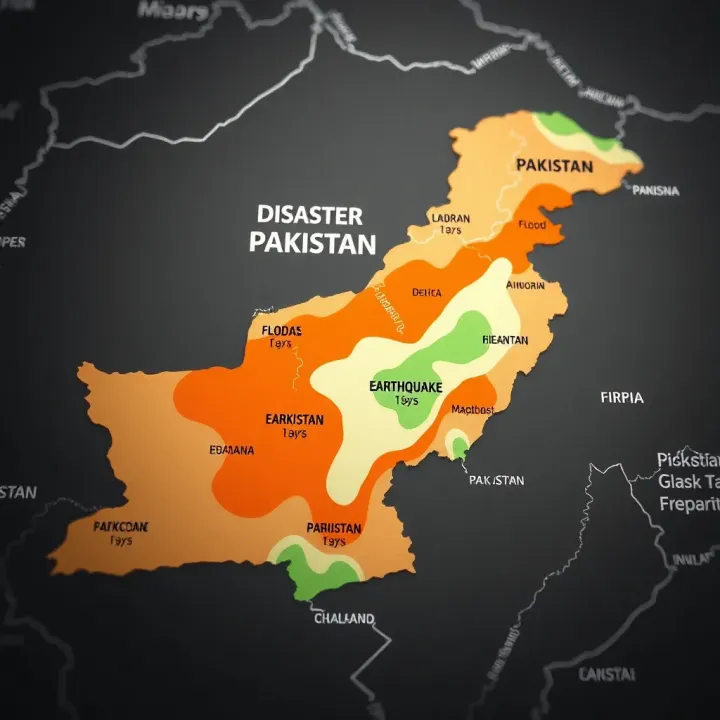
Mapping hazards shows how risks spatially affect regions, helping to visualise which urban or rural areas are most vulnerable. Technologies like Geographic Information Systems (GIS) enable precise mapping. Modelling risks goes a step further by simulating disaster scenarios under different conditions. For instance, a model may project the economic fallout of a 7.0 magnitude earthquake in Islamabad, helping banks and businesses prepare contingency plans. Accurate mapping and modelling guide investment decisions by pinpointing risk concentration.
Physical infrastructure plays a huge role in risk reduction. Building flood barriers in Karachi or reinforcing WAPDA dams can mitigate disaster impacts. Technology, such as seismic-resistant constructions and early flood gates, reduces potential damage. Investors in real estate or industrial projects must consider these factors, as structurally sound developments attract lower insurance premiums and maintain property values during crises.
Laws and public policies set frameworks for safe development and disaster response. For instance, enforcing building codes in Punjab helps ensure construction withstands moderate tremors. Public awareness campaigns educate communities on evacuation procedures or fire hazards. These non-structural strategies lessen disaster severity without costly construction. For financial analysts, understanding policy environments alerts to regulatory risks affecting project viability.
Training local communities in basic disaster preparedness reduces casualties and aids swift recovery. Programmes teach first aid, emergency drills, and resource management. This grassroots readiness is crucial in remote areas across Pakistan, where immediate government aid might be delayed. Companies operating in such regions benefit from a prepared workforce and stable local economies.
Effective communication channels alert the public to impending disasters. Pakistan uses SMS alerts, radio broadcasts, and social media updates to warn communities about floods or storms. The Pakistan Meteorological Department and NDMA collaborate to disseminate real-time alerts. For traders and investors, these systems provide advanced notice to protect assets or adjust positions, reducing financial shocks from sudden disasters.
Understanding and integrating these key components helps manage disaster risks effectively, protecting both lives and investments across Pakistan’s diverse regions.
Effective disaster risk management depends on clear roles and responsibilities among various stakeholders. This coordination ensures timely response, efficient resource use, and community resilience. Understanding who does what can improve preparedness and reduce confusion during emergencies.
NDMA plays a central role in Pakistan's disaster risk management. It coordinates national efforts to prepare for, respond to, and recover from disasters. For instance, during the 2010 floods, NDMA took charge of rescue operations and relief distribution, working to mobilise resources across provinces. Its mandate covers developing policies, issuing early warnings, and supporting provincial bodies.
Each province, including Sindh, Punjab, Khyber Pakhtunkhwa, and Balochistan, has its disaster management authority to handle localised risks. They adapt national plans to regional needs, manage on-ground emergency response, and maintain contact with communities. Local administrations and district disaster management authorities work closely with these provincial bodies to implement risk reduction programmes tailored to specific hazards like urban flooding or earthquakes.
Community groups often form the first response line before official help arrives. Local volunteers familiar with their areas provide swift assistance in rescue, relief, and damage assessment. Non-governmental organisations (NGOs) like Pakistan Red Crescent support these efforts by training volunteers and supplying essential materials. Their involvement improves the reach and acceptance of disaster management activities, especially in rural or hard-to-access regions.
Schools and universities shape awareness and preparedness at the grassroots level. Many institutions conduct drills, seminars, and workshops that teach students about common hazards such as earthquakes or fire safety. This knowledge spreads beyond classrooms, influencing families and communities. In some areas, educational institutes also partner with local authorities on community-based projects to develop safer infrastructure or promote risk reduction behaviours.
Businesses contribute through corporate social responsibility (CSR) by funding emergency services, providing equipment, or offering logistics support. For example, some corporations in Karachi have arranged temporary shelters or donated ambulances during crises. The private sector’s involvement often accelerates response times and fills gaps left by public agencies.
Global agencies like the United Nations Development Programme (UNDP) and the World Food Programme (WFP) play a vital role by bringing technical expertise, funding, and additional manpower during large disasters. Their collaboration with Pakistan’s government enhances disaster risk reduction strategies and helps build local capacities, as seen during the 2015 earthquake relief efforts.
Clear distribution of roles among government, communities, businesses, and international partners strengthens Pakistan’s resilience against frequent floods, earthquakes, and other hazards.
Disaster response and recovery are critical phases in managing the impact of hazards. Efficient response mechanisms save lives and reduce initial damage, while recovery processes rebuild communities and restore normalcy. In Pakistan, frequent floods and earthquakes require robust response and recovery systems to support affected populations and reduce long-term economic losses.
Search and rescue (SAR) teams act immediately after a disaster to locate and save survivors trapped under rubble or stranded in unsafe areas. Their swift action is often a matter of life and death. For example, during the 2010 floods, SAR teams in Punjab and Sindh faced tough challenges but managed to rescue thousands, preventing further casualties. These operations rely on trained personnel, special equipment like thermal imaging cameras, and coordination between local authorities and the military.
Right after disaster strikes, medical teams provide urgent care to the injured to prevent deaths and complications. Field hospitals and mobile clinics are set up in affected areas, especially where local healthcare infrastructure collapses. Relief distribution follows quickly, targeting essentials like food, clean water, and shelter materials to reduce suffering. NGOs, the government, and community groups play key roles in organising these efforts, ensuring aid reaches even remote mohallahs. Efficient logistics here help maintain public trust and prevent outbreaks of disease from poor sanitation.
Long-term recovery focusses on reconstructing homes, roads, schools, and hospitals destroyed by disasters. It also supports restoring livelihoods by offering financial aid, tools, or training to affected families. For instance, after the 2005 Kashmir earthquake, rebuilding rural infrastructure was vital to reconnect isolated villages and revive agricultural activity. Successful rehabilitation depends on proper planning and aligning reconstruction with local needs, avoiding rushed decisions that can cause problems later.
Beyond physical rebuilding, addressing mental health is crucial. Survivors often struggle with trauma, loss, and uncertainty. Psychosocial support through counselling and community activities helps people cope and rebuild social ties. Engaged communities tend to recover faster and withstand future shocks better. Pakistan’s disaster management agencies increasingly recognise this, promoting resilience programmes in affected areas to strengthen coping skills and reduce vulnerability over time.
Disaster response and recovery require a balanced approach that addresses immediate dangers and long-term wellbeing, helping Pakistan’s communities emerge stronger from crises.
By integrating swift response operations with sustainable recovery strategies, Pakistan can minimise both human suffering and economic disruption from disasters. This approach also assures investors and businesses that risks are managed responsibly, benefiting the economy overall.
Pakistan faces unique challenges in disaster risk management due to its geography, population density, and economic constraints. Understanding these hurdles alongside emerging opportunities is vital, especially for sectors like finance and trade that are directly affected by disasters.
Managing disaster risk effectively demands significant investment in infrastructure, technology, and training. Pakistan often struggles with insufficient funding for these critical areas. For example, earthquake-resistant construction standards are not widespread because they add to upfront costs, which many builders and developers see as burdensome.
The government’s disaster management budgets compete with other priorities, limiting the ability to maintain equipment or conduct regular disaster drills. This shortfall slows progress in preparedness and recovery, leaving urban and rural areas vulnerable.
Multiple agencies in Pakistan manage disaster response and preparedness, such as the National Disaster Management Authority (NDMA), provincial bodies, and local authorities. However, coordination among these entities can be patchy. Conflicting responsibilities and bureaucratic delays often result in slow decision-making during emergencies.
For instance, during the 2022 floods, delays in relief distribution partly stemmed from unclear communication channels between federal and provincial agencies. This overlap wastes resources and prevents streamlined action, increasing the adverse impact on affected communities.
Many communities in Pakistan remain unaware of basic disaster preparedness steps. This knowledge gap reduces resilience at the grassroots level. For example, rural households may not know the safest places to shelter during floods or how to access early warnings.
Low literacy and limited outreach programmes contribute to this challenge. Without greater public understanding, emergency responses are hampered, and unnecessary losses occur.
Pakistan has recently improved its early warning systems, especially for floods through the Pakistan Meteorological Department and river monitoring. Timely alerts now help protect lives and assets, especially in flood-prone areas like Sindh and Punjab.
For traders and investors, such systems provide valuable lead time to safeguard goods and operations. Expansion of these capabilities is ongoing, leveraging modern communication channels such as SMS and mobile apps.
The use of satellite imagery, Geographic Information Systems (GIS), and real-time data analytics is becoming more common in Pakistan’s disaster management. These tools help identify high-risk zones and track disaster progression.
For example, GIS maps assist insurance companies in assessing risks and pricing policies accordingly. Technology adoption enhances decision-making and resource allocation during emergencies.
Communities themselves are playing a growing role in disaster risk management. Local groups organise preparedness training, maintain volunteer networks, and develop response plans tailored to their region.
Such initiatives have proved effective in areas like northern Pakistan, where local knowledge complements government efforts and helps overcome resource constraints. Supporting these programmes ensures more inclusive and sustainable disaster management.
Pakistan’s challenges in disaster risk management are real, but strides in technology and community involvement offer hope. For investors and businesses, staying updated on these developments is crucial to managing risk and ensuring continuity in times of crisis.
Explore how effective risk management helps identify dangers, improves decision-making, limits losses, and strengthens financial stability for your business. 📉💡

📊 Explore how actuarial science boosts risk management by analyzing data and forecasting financial outcomes. Insightful for Pakistan's insurance & finance sectors.

Learn the basic rules of binary addition 🔢, including carry-over and practical examples, to understand computing and digital electronics better.

🔍 Understand how binary search works with easy-to-follow pseudocode, practical tips, and a clear comparison to other search methods. Perfect for learners in Pakistan!
Based on 9 reviews