
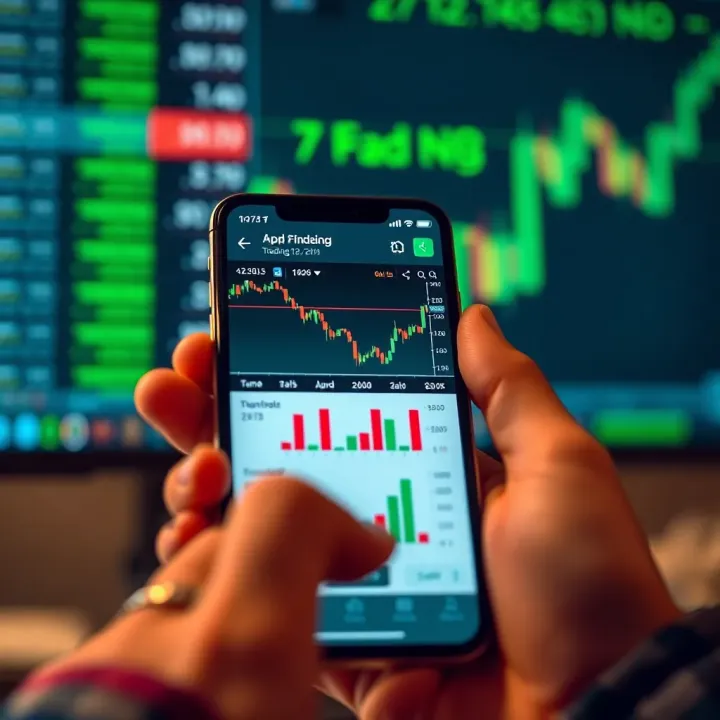
Best Trading Apps in Pakistan for Low Investment
Looking to invest small in Pakistan? Discover the best trading apps with user-friendly features, local support, and tips to start your investment journey confidently 📈💹
Edited By
James Wentworth
Free trading apps have become increasingly popular in Pakistan, especially among beginners who want to try their hand at trading without risking money upfront. These apps provide a platform where users can buy and sell stocks, cryptocurrencies, or other assets virtually, often through simulated accounts or cashback incentives.
How do these apps work? Most free trading apps either offer a demo environment with virtual money or allow limited trades funded by rewards or bonuses. This means you can experience real market conditions but without the pressure of losing your own capital. For instance, some platforms offer "paper trading" features where you track actual stock prices and practise buying and selling without real money.
Many Pakistani youths are attracted to these apps as a stepping stone into the world of investing, gaining confidence before committing actual funds.
Zero financial risk: They let you learn trading basics without the fear of losing money.
User-friendly interfaces: Most apps target first-time traders with easy navigation.
Access to multiple markets: Many apps cover equities, forex, and cryptocurrencies in one place.
Instant account setup: Unlike traditional brokers, account creation happens quickly, often with just an email and basic verification.
Limited real-world experience: While the simulated environment is helpful, it doesn’t fully replicate the emotions and complexities of trading real cash.
Hidden conditions: Some apps may require you to invest later or may prioritise referrals to expand their user base.
Regulatory oversight: Check whether the app complies with SECP (Securities and Exchange Commission of Pakistan) guidelines to avoid scams.
Several apps cater specifically to the Pakistani market, combining global market access with local payment options like JazzCash and Easypaisa. Examples include:
Rahnvest: Offers free virtual trading and educational resources focused on Pakistani stocks.
Stoxx: Provides simulated trading for stocks and crypto with a simple mobile interface.
Coinbit: Focuses on cryptocurrencies with options for zero-investment trial accounts.
These apps offer practical ways to build trading skills, but users should always research thoroughly and understand the terms before trusting any platform.
Trading without investment can be a wise way to get started, but it works best as a preparatory step rather than a full replacement for real trading experience. Starting small with actual funds after practising can help build realistic expectations and better risk management skills.
Free trading apps letting users start without putting money upfront have become a popular entry point for new traders in Pakistan. These platforms rely heavily on simulated trading environments using virtual funds, making them ideal for beginners who want to learn without risking their savings. Understanding how these apps function helps traders make the most of them and manage expectations before moving to real markets.
Demo accounts mimic real trading scenarios but use virtual money instead of actual cash. This difference means you won’t face real market risks but also that profits and losses are not real. For example, a Pakistani user practising stock trades on a demo app gains experience with order execution and market behaviour but does not win or lose actual rupees. Demo accounts offer an invaluable training ground to test strategies without financial consequences.
Since no real money changes hands in these zero-investment apps, the platforms often earn revenue through alternative means like ads, premium subscriptions for advanced features, or encouraging transitions to live accounts. This model keeps the app free or low-cost for learners, while providing a hands-on way to understand market trading before investing real capital.
These apps provide virtual balances—say, Rs 100,000 in simulated cash—that users use to place trades. This feature allows trials of different trading tactics without monetary risk. It enables building confidence and spotting mistakes early. For instance, Forex demo accounts commonly offer virtual dollars or euros to practise currency trading strategies relevant to Pakistani forex markets.
Free trading apps often include built-in tutorials explaining market basics, analysis methods, and platform navigation. These might be short videos, articles, or quizzes tailored to Pakistan’s market environment, covering subjects like equities, foreign exchange, or cryptocurrency basics. This educational layer guides users step-by-step, reducing the learning curve and helping traders avoid costly errors.
Some apps allow beginners to follow experienced traders by mimicking their trades virtually. This social aspect provides real-time exposure to successful strategies without putting money at risk. For example, a user can watch a seasoned trader’s cryptocurrency moves and try similar trades on the app’s demo account, improving their own skills through observation and practice.
Using free trading apps without investment offers a safe way to start trading in Pakistan’s financial markets. However, understanding each feature's strengths and limits ensures users use these tools effectively before risking actual money.
Free trading apps with no upfront investment have become popular in Pakistan, especially for those testing waters in trading without risking real money. Understanding their strengths and limitations helps users make informed choices while managing expectations.
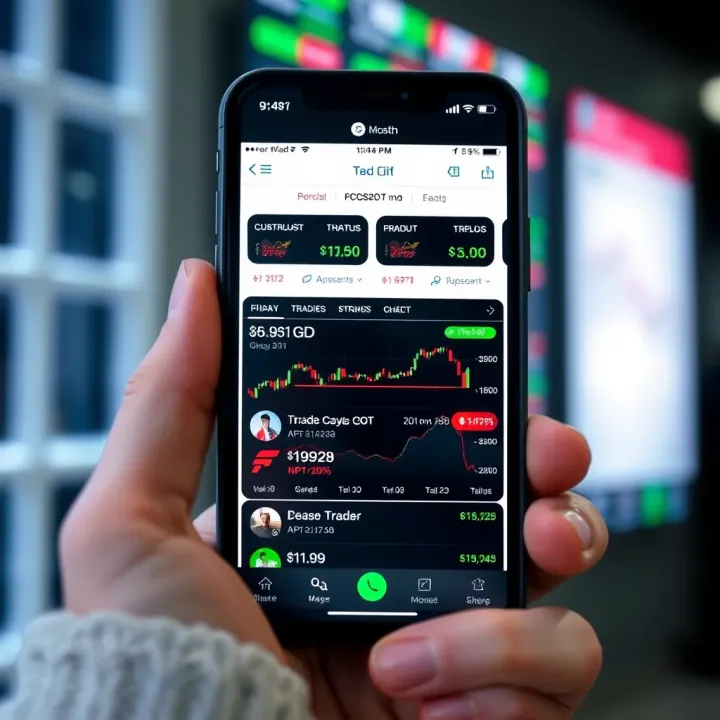
These apps provide a practical playground where beginners can learn trading basics without any financial risk. For instance, a new trader in Karachi can experiment with buying and selling stocks of companies listed on the Pakistan Stock Exchange (PSX) using virtual funds. This setup reduces the pressure that comes with real losses, allowing users to focus on grasping market mechanisms and strategies.
By engaging repeatedly in simulated trades, users develop decision-making skills and understand market behaviour. Over time, this fosters confidence, so when they transition to actual trading, they handle price fluctuations and market news better. For example, practising forex trading on a free app familiarises traders with currency pairs like USD/PKR or EUR/PKR, which are common in Pakistan’s forex market.
Since these apps don't require deposits, cautious individuals or students can get started regardless of their financial status. This opens the door for many in smaller cities or rural areas who might hesitate to tie up cash in risky ventures. They have the freedom to engage in trading activities, build knowledge, and decide later if they're ready for real investment.
While demo environments imitate market motions, they lack the psychological stress that accompanies real money at stake. For example, the adrenaline spike from potential profit or fear of loss is absent. This means users might make different choices in actual trading, and their emotional response to market volatility remains untested.
Some free trading apps restrict converting virtual gains into real cash or impose conditions that make withdrawal difficult. This can frustrate users expecting to profit without any investment. Pakistani users should carefully read terms to avoid disappointment, especially if an app promises earnings but lacks transparent withdrawal options.
Trading with virtual money might give an impression that profits are easier than in reality. For instance, consistent wins in a simulation do not account for hidden costs, spreads, commissions, or sudden market news impacting real trades. Such misconceptions can lead to overconfidence, resulting in poor decisions when switching to funded accounts.
Users must balance the benefits of risk-free learning with awareness of these limits to build realistic trading skills and expectations.
By knowing both the advantages and drawbacks, Pakistani traders can pick free trading apps wisely and prepare better for moving into real markets eventually.
Free trading apps in Pakistan offer access to a range of trading types, allowing users to gain experience across different markets without investing any real money. Understanding these options helps traders choose what suits their interests and strategies best. Here we examine stock trading, forex, and cryptocurrency trading as the main categories available in these platforms, focusing on their particular features and what you can expect.
Stock demo accounts mimic real market conditions, enabling users to trade shares using virtual funds. These platforms usually include live market prices, portfolio tracking, and tools to analyse stock performance. For example, you can practise buying shares of companies listed on the Pakistan Stock Exchange (PSX) without risking actual money. Simulated order books and real-time quotes help in understanding market movements and order execution.
This approach is practical because it allows beginners to learn how stocks react to market events, how to set stop-loss and take-profit orders, and how to manage a diversified portfolio. Moreover, the experience helps in building confidence before entering real trades.
Demo trading apps often highlight sectors like banking, textiles, oil and gas, and cement, which dominate the PSX. Companies such as Habib Bank Limited (HBL), Engro Corporation, Mari Petroleum, and Lucky Cement are commonly featured, reflecting their importance in the Pakistani economy.
Focusing on these sectors helps users understand local market dynamics. For example, knowing how falling global oil prices affect companies like Pakistan State Oil (PSO) or energy stocks enhances practical insight for real-world trading.
Forex demo accounts include major currency pairs relevant to Pakistan's economy, such as USD/PKR (US Dollar against Pakistani Rupee), EUR/USD, GBP/USD, and USD/JPY. A trader can practice trading these pairs to see how geopolitical events, economic indicators, and State Bank of Pakistan's (SBP) policies impact exchange rates.
For Pakistani users, simulated trading of USD/PKR is especially important, as it offers insight into managing risks amid rupee fluctuations and the impact on imports and exports.
Leverage allows traders to control larger positions than their capital might normally permit. Demo platforms simulate margin trading, providing the chance to experience amplified gains—and losses—without real risk.
This helps users understand how margin calls work and the importance of risk management. For instance, practising with 1:50 leverage in a demo account gives a clear sense of how quickly profits or losses can change with relatively small market moves.
Some platforms offer simulated trading in popular cryptocurrencies like Bitcoin (BTC), Ethereum (ETH), and Ripple (XRP). These apps let users experience crypto market volatility and trading mechanisms without putting actual PKR at stake.
Given Pakistan's growing interest in cryptocurrencies despite regulatory uncertainties, experimenting with crypto demos equips users to understand wallet management, order types, and market volatility before they dive into real crypto exchanges.
Cryptocurrency markets are well-known for sharp price swings. Demo apps replicate this volatility, which is useful to learn the discipline needed when trading crypto.
However, virtual trading might not instil the same emotional reactions traders face with real money, making it essential to remember that simulations don't fully reflect psychological pressures. Still, practising in this environment allows users to develop strategies for periods of rapid price changes and avoid panic decisions.
Using free trading apps with access to stocks, forex, and cryptocurrencies allows Pakistani traders to build valuable skills in a risk-free environment, laying a solid foundation for future real money trading.
Free trading apps that require no initial deposit are gaining traction in Pakistan. These platforms allow users to practise trading with virtual funds, reducing entry barriers for newcomers. Familiarity with such apps helps potential traders understand market dynamics without risking real money. Moreover, these apps provide a convenient window into trading mechanics and strategies before taking a real plunge.
Practice accounts with no deposit let users experiment using virtual money, mimicking real market conditions. This feature provides hands-on learning rather than theory, which is especially beneficial for beginners testing strategies in stocks, forex, or cryptocurrency. Usability is key—apps that feature clean interfaces, quick order execution, and real-time charts make it easier for users to learn and build confidence. For example, some platforms offer live market data simulations and instant trade feedback to enhance user experience.
Popular choices offering demo accounts in Pakistan include eToro, IQ Option, and MetaTrader 4. These platforms allow users to start practising right away without funding their accounts. eToro is known for its social trading features, where you can follow experienced traders. MetaTrader 4, widely used in Pakistan’s forex trading community, combines demo accounts with advanced charting tools. Although apps like IQ Option focus heavily on options and binary trading, they provide trial accounts suitable for beginners looking to get a feel for market movements.
An app's design can make or break the user experience. Simplified navigation, clear graphics, and responsive layouts draw users in and help maintain engagement. Apps like eToro and MetaTrader 4 score well here, offering intuitive interfaces that suit both newcomers and seasoned traders. For Pakistani users, where smartphone access may be from mid-range devices, apps with light versions or offline tutorials offer practical advantages.
Access to Pakistani market information such as PSX (Pakistan Stock Exchange) listed companies’ data adds real value. Some free trading apps provide partial or delayed local market details suitable for demo trading purposes. Customer support tuned to Pakistani timings and language preferences also improves usability. For instance, platforms like MetaTrader 4 often integrate local brokerages that better understand Pakistan’s regulatory and trading environment, which is a benefit missing from global-only services.
Choosing the right free trading app means balancing clean design, practical educational tools, and local market relevance to kickstart your trading skills without upfront risk.
Using free trading apps without initial investment offers an easy entry point into markets, but it is vital to understand the legal, security, and educational aspects before getting started. These considerations help prevent common pitfalls and prepare you for real trading scenarios.
The Securities and Exchange Commission of Pakistan (SECP) regulates financial markets in Pakistan. While many free trading apps operate internationally, ensuring the platform complies with SECP guidelines is essential to avoid legal issues. SECP registration or approval protects you against fraudulent apps and offers a layer of recourse if problems arise. For instance, apps offering Pakistani stock trading should ideally be SECP-compliant to safeguard your interests.
On the other hand, unregulated platforms carry significant risks. They may misrepresent trading conditions, lack transparency, or even misuse your personal data. In Pakistan's growing fintech space, some apps operate without oversight, which means no guarantee of fund safety or fair trading structures. Using these could expose you to scams or a complete loss of your digital assets, especially when moving beyond demo to real accounts.
Before installing any trading app, you should carefully consider how it handles your personal information. Sharing CNIC numbers, phone contacts, and financial details with unreliable apps increases the risk of identity theft or fraud. Always confirm the app’s privacy policy and avoid apps that ask for unnecessary permissions unrelated to trading functions.
Checking app permissions and user reviews is a practical step to gauge reliability. For example, if a free trading app asks for access to your gallery or microphone without justification, that’s a red flag. Also, reading reviews on trusted sources or app stores can point out recurring issues like slow withdrawals, misleading notifications, or suspicious data practices.
Many users jump onto free trading apps expecting instant profits, but it is crucial to distinguish between demo and real trading experiences. Demo accounts simulate market conditions without real money, allowing practice but lacking the emotional pressure of risking actual funds. Understanding this difference helps you avoid developing unrealistic expectations about profits or losses.
When you feel confident with demo trading, plan your move to funded accounts carefully. Real trading involves additional challenges like transaction fees, market slippage, and security checks. It’s wise to start small and gradually increase exposure, ensuring you have enough financial literacy to navigate market ups and downs. This approach protects your capital and prepares you for long-term trading success.
Always prioritise secure and regulated platforms, protect your personal data carefully, and build financial knowledge steadily to make the most of free trading apps in Pakistan.
Looking to invest small in Pakistan? Discover the best trading apps with user-friendly features, local support, and tips to start your investment journey confidently 📈💹
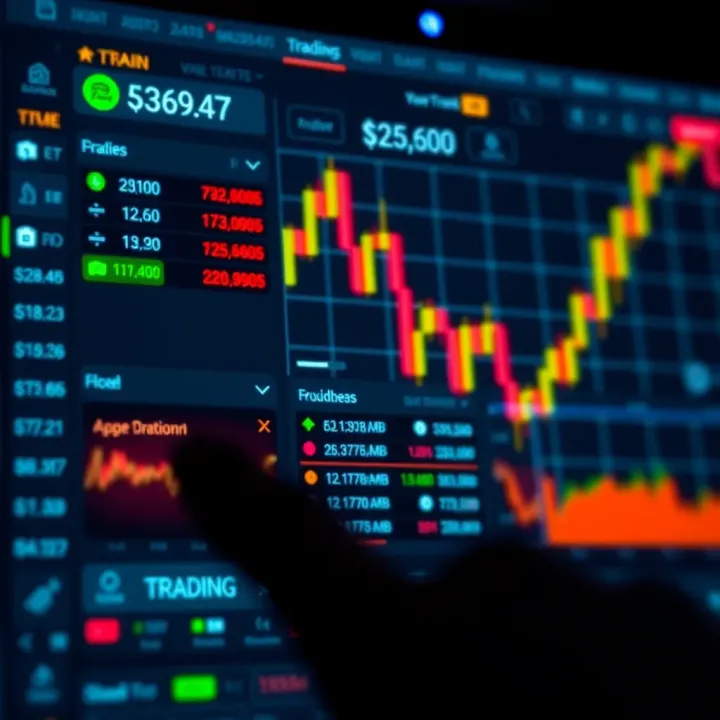
Discover top trading apps in Pakistan that need no initial investment 📱. Learn about their features, safety, earning potential, and ease of use. Start trading smart!
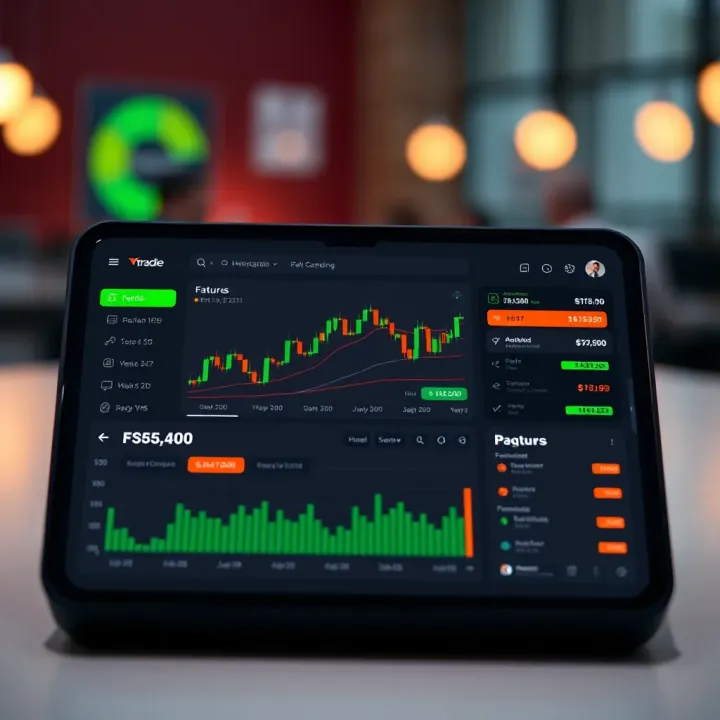
Explore top trading apps for beginners in Pakistan 🇵🇰. Learn key features, ease of use, and regulations to find your perfect start in the trading world 📱💹.
📊 Find the best trading app in Pakistan! Learn to choose safely with tips on features, costs, assets, and support to grow your earnings confidently. 🇵🇰💰
Based on 11 reviews