

Choosing the Best Trading App in Pakistan
Looking for the best trading app in Pakistan? 📱 Explore top features, security tips, and compare popular apps to fit your trading style and experience level.
Edited By
Charlotte Bennett
Live gold trading refers to buying and selling gold contracts on an electronic platform where prices move in real-time. Unlike physical gold investment, live trading allows investors in Pakistan to capitalise on quick price fluctuations without owning the metal itself. This has attracted traders seeking short-term profit opportunities amid global economic uncertainty and currency fluctuations affecting gold rates.
In Pakistan, live gold trading operates via online exchanges that connect buyers and sellers directly. These platforms show live prices influenced by international gold markets, currency movements, and local demand. Investors can open positions to buy (go long) or sell (go short) with leverage, meaning they trade larger amounts than their actual capital, increasing potential gains but also risks.

Live gold trading offers exciting opportunities but carries significant risk, especially without proper knowledge or risk management.
For example, if you speculate that gold prices will jump due to rising inflation fears, you can buy gold contracts on a live trading platform. Should the price rise even by Rs 500 per gram, your gain can multiply quickly, depending on your leverage. But if prices fall, losses are equally magnified. This makes understanding market factors and timely decision-making crucial.
Popular platforms in Pakistan, such as certain international brokers approved by the Securities and Exchange Commission of Pakistan (SECP), provide 24/7 access to gold trading. These platforms also offer research tools, price charts, and risk controls to assist traders. However, due to volatility and regulatory differences, live gold trading may not suit everyone, especially beginners who prefer physical gold’s tangibility.
Key factors influencing live gold trading include global demand, US dollar strength, geopolitical tensions, and monetary policies from central banks like the State Bank of Pakistan (SBP). Prices react almost instantly, so staying updated with market news and events can improve trading outcomes.
In this guide, we will explore how live gold trading works, examine top platforms in Pakistan, discuss risks and strategies, and compare live trading with traditional gold investment to help you make informed decisions.
Live gold trading allows investors in Pakistan to buy and sell gold in real time using digital platforms. Instead of holding physical bars or coins, traders speculate on gold price movements through contracts. This approach helps investors respond promptly to fluctuations, offering opportunities for both short-term gains and hedging against inflation.
Gold serves as a key commodity in financial markets, not just for jewellery but as a store of value globally recognised. It is traded on exchanges where its price reflects demand, supply, currency values, and investor sentiment. For instance, gold traded in Karachi or on international markets like COMEX influences the local price.
Unlike buying physical gold, which means possession of actual metal, trading gold contracts involves no physical delivery. You deal in financial agreements reflecting gold’s price, letting you profit from rises or falls without the hassle of storage or security risks. This flexibility appeals to many Pakistanis keen on active market participation without locking capital in jewellery or bullion.
Gold prices move due to several factors such as currency strength, inflation rates, geopolitical tensions, and interest rates. For example, when the US dollar weakens, gold tends to become more expensive in PKR terms, attracting Pakistani traders searching for safe haven assets.
Global events like economic sanctions, political unrest, or central bank policies can shift gold prices swiftly. Pakistani investors should watch indicators such as US Federal Reserve announcements or China’s import/export data, as these have ripple effects, influencing gold’s global demand and supply.
Live trading platforms provide up-to-the-second price updates and allow instant order execution. When you place a buy or sell order, the platform matches it with counterparties quickly, ensuring you don’t miss sudden price moves. This immediacy is especially useful during volatile periods, like before budget announcements or global crises.
There are different types of contracts available for trading gold:
Spot contracts involve the immediate exchange of gold prices, reflecting current market rates.
Futures contracts let you agree today to buy or sell gold at a set price on a future date, useful for hedging or speculation.
Options contracts provide the right, but not the obligation, to buy or sell gold at a predetermined price, offering more strategic flexibility.
Understanding these contract types helps Pakistani traders pick the right tools matching their risk appetite and investment goals.
Live gold trading is not just about watching numbers; it means actively managing decisions based on real-time information and market dynamics, making it essential to grasp how these systems work before committing funds.
Choosing the right platform for live gold trading is critical for Pakistani investors. These platforms act as the gateway to the gold market, offering tools, pricing updates, and execution of trades in real-time. Knowing the options available locally and internationally helps traders pick one that fits their strategy, budget, and risk tolerance.
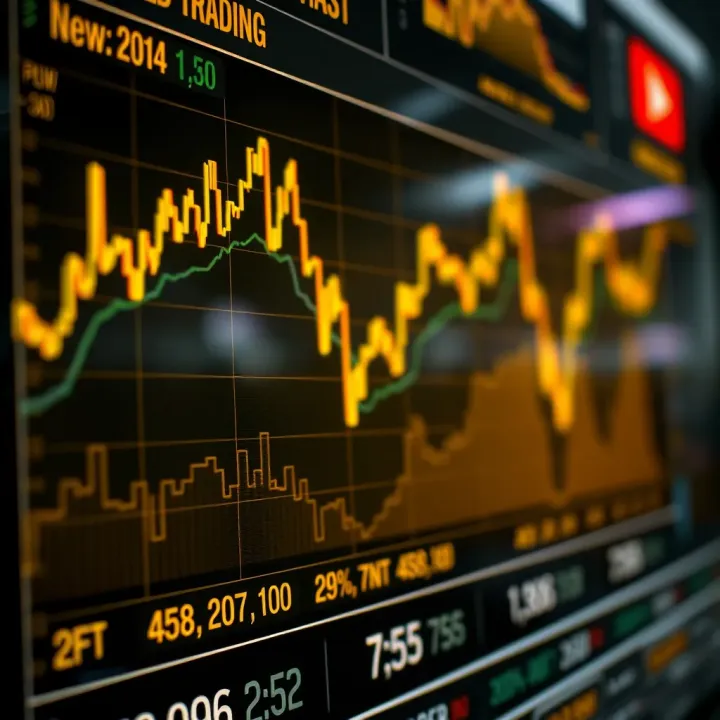
Pakistani brokers have started providing live gold trading services alongside traditional stock and commodities trading. Firms like JS Global Capital and Arif Habib Limited offer contracts on gold that investors can trade via desktop or mobile apps. Using local brokers means transactions occur under Pakistan’s regulatory framework and customer service is more accessible in Urdu or English.
Local brokerage platforms generally integrate with Pakistan Stock Exchange (PSX) systems and use Pakistani Rupees, which reduces foreign exchange hassles. However, trading gold through these channels might have higher spreads or limited contract options compared to international exchanges.
The ease of use varies among platforms. Many Pakistani brokers have designed apps with straightforward interfaces, suitable even for beginners who want to follow gold prices and place market or limit orders quickly. These interfaces are optimised for mobile devices, reflecting Pakistan’s high smartphone penetration.
Accessibility is another big plus since these platforms support multiple deposit and withdrawal methods, including JazzCash or bank transfer. Still, trades are often subject to local banking hours and connectivity factors, so investors should test platforms during busy market times.
Many Pakistani investors also use international trading platforms like eToro, IG Markets, or Plus500, which offer a wide range of gold trading products including spot gold, futures, and options. These platforms feature advanced charts, real-time news feeds, and algorithmic trading support that local platforms may lack.
Accessing global platforms allows investors to trade 24/5 without the restrictions of Pakistan’s banking timings. It also means exposure to deeper markets with better liquidity and competitive pricing. For instance, users can trade gold futures listed on the COMEX exchange with smaller initial margin requirements.
That said, regulatory compliance and security remain crucial concerns. Pakistani investors must ensure platforms comply with international standards like FCA (UK) or ASIC (Australia) regulations to avoid scams or fund freezes. Also, trading from Pakistan means currency conversion fees and potential delays in withdrawal due to cross-border banking.
Always prioritise platforms with transparent fee structures and verified licenses. Conduct proper due diligence before transferring money abroad.
Trading gold live offers opportunities but comes with several risks that investors in Pakistan must understand. This section outlines key challenges like market volatility, liquidity risks, and legal issues that can impact your investment decisions and outcomes.
Gold prices fluctuate constantly due to supply-demand changes, currency movements, and investor sentiment. These price swings can be sharp, especially during unstable economic times. For example, gold prices may jump quickly when inflation fears rise or fall suddenly if the US dollar strengthens. This volatility means traders must be prepared for sudden losses or gains, affecting short-term strategies and cash flow.
Global events also play a major role in price movements. Political tensions, central bank decisions, or unexpected crises like pandemics can trigger rapid gold price changes. In 2020, gold spiked as investors sought safety amid Covid-19 uncertainty. Pakistani traders need to monitor such events closely to avoid surprises that might wipe out profits or increase risks.
Choosing a reliable trading platform matters a lot for liquidity—the ease of buying or selling gold contracts without large price gaps. Platforms with poor liquidity can trap investors, delaying trades or forcing sales at unfavourable prices. For instance, a sudden rush of sellers on a less popular platform might cause drastic price drops and limit buyer interest.
Order execution delays compound this problem. Internet glitches, server overloads, or platform inefficiencies can delay trade confirmations. In fast-moving markets, even seconds matter; a delay can turn a planned profit into a loss. Traders in Pakistan should test their platform's speed and reliability before committing large sums.
The Securities and Exchange Commission of Pakistan (SECP) regulates brokerage firms and trading platforms to protect investors. Choosing SECP-registered brokers helps ensure your funds and data receive proper oversight. However, gold trading is less regulated compared to equities, so extra caution is required to avoid unlicensed operators.
Tax matters also deserve attention. Profits from live gold trading are taxable under Pakistan’s income tax laws. Traders must report gains accurately during tax filing to avoid penalties. Unlike physical gold, which has specific exemptions or different treatment, live trading profits face capital gains tax. Keeping detailed records of trades simplifies compliance during audits.
Understanding these risks—market swings, platform issues, and regulatory requirements—is essential for anyone trading gold live in Pakistan. Being aware helps you manage exposure, avoid pitfalls, and make better trading choices.
Trading gold in real-time requires more than just guesswork; you need a solid approach to manage risks and spot opportunities effectively. Following some key strategies can improve your chances of success and help you navigate market ups and downs with confidence.
Using charts and indicators is one of the most practical ways to understand gold price movements. Charts display historical prices over time, allowing you to see patterns that often repeat. Indicators like moving averages, Relative Strength Index (RSI), and Bollinger Bands provide signals about market strength or weakness. For example, if the moving average line crosses above price action, it might indicate an upward trend.
Identifying trends and entry or exit points goes hand in hand with chart analysis. Recognising when prices are trending up or down helps traders decide the best moments to buy or sell. If a trend is strong, holding on till signs of reversal is usually wise. Conversely, spotting a trend break early can prevent losses. For instance, if gold prices repeatedly fail to break a certain level (resistance), it may signal a good exit point.
Setting stop-loss and take-profit levels is essential for managing your trading risks. A stop-loss order limits your loss by automatically selling your position if the price falls to a set point. Likewise, a take-profit order locks in gains once the price reaches a target. For example, if you buy gold at Rs 300,000 per tola, setting a stop-loss at Rs 290,000 and take-profit at Rs 320,000 can protect you from big losses and lock profits.
Diversifying your trading portfolio involves spreading investments across different assets or contract types rather than putting all your capital into gold alone. This reduces the risk that comes with any single market movement. A trader might combine gold trading with silver or oil contracts or use options alongside spot trades. Diversification helps absorb shocks from unexpected events impacting gold prices.
Trading during active market hours matters because liquidity and price movement are usually better. For gold, overlapping international market times—like when London and New York markets are both open—often bring more buyers and sellers. This means tighter spreads and less chance of price slippage. Pakistani investors should track these hours to benefit from more predictable market conditions.
Responding to news and economic releases is key in live gold trading because sudden announcements can cause sharp price swings. Reports like US Non-Farm Payroll, inflation data, or geopolitical developments often influence gold. For example, if there is political unrest in the Middle East, gold prices tend to spike as investors seek safe-haven assets. Staying updated via financial news and adjusting trades accordingly can prevent losses and seize profit chances.
Successful live gold trading depends on a mix of good analysis, strict risk control, and keen awareness of market timings and events. Using these strategies helps turn price volatility into opportunity rather than risk.
Remember, there’s no one-size-fits-all strategy. Test different tools and keep refining your approach based on your experience and market conditions.
Investors in Pakistan often face the choice between live gold trading and owning physical gold. Understanding the differences helps in making decisions aligned with financial goals, risk appetite, and investment horizon. Each approach offers distinct benefits and challenges in terms of liquidity, cost, security, and suitability.
Liquidity, convenience, and costs play a major role in choosing between live trading and physical ownership. Live gold trading allows investors to buy or sell instantly on electronic platforms, offering high liquidity compared to physical gold. For example, a trader in Karachi can execute a spot gold trade via an online broker within seconds, without visiting a jewellery shop or bank. On the other hand, physical gold requires storage space, secure safekeeping, and often involves making charges or storage fees, which add to its overall cost.
Meanwhile, physical gold provides tangible ownership that some investors prefer, especially in Pakistan where gold holds cultural and traditional value. However, purchasing physical gold such as coins, bars, or jewellery involves premiums over the market price, and selling it can take time and sometimes involves negotiation for price. This convenience trade-off and cost structure make live gold trading attractive for short-term speculative moves but less so for those focused on storing value.
Security of physical ownership is another critical factor. Holding physical gold exposes investors to theft risk and the challenge of secure storage. Many keep gold in bank lockers, but accessing these during emergencies or lockdowns can be difficult. Furthermore, documentation and authentication issues may arise if one decides to sell.
Conversely, live gold trading eliminates these security concerns, as actual metal is not involved; trades are financial transactions executed electronically. While this removes physical risk, investors need to trust platform security and regulatory oversight to avoid fraud or counterparty risks. In Pakistan, regulated brokers under SECP provide some protection but users must stay vigilant.
Long-term investment vs short-term trading decisions hinge on one’s financial goals and time horizon. Physical gold suits those seeking long-term asset preservation, especially in uncertain economic times. For example, families in Pakistan hold gold jewellery as a safeguard against inflation over decades.
Live gold trading, however, aligns with short-term strategies exploiting price movements. Day traders or investors with strong market knowledge use live trading to generate profits from volatility, which is less feasible with physical gold.
Suitability based on risk appetite and knowledge is crucial. Physical gold appeals to risk-averse investors who prefer stable, tangible assets without needing to watch market charts daily. Meanwhile, live gold trading requires understanding of market indicators, timing, and risk management. Those unfamiliar with trading tools or lacking time might find suboptimal results or higher losses.
Choosing between live gold trading and physical gold investment depends on your priorities—whether you value immediate liquidity and trading flexibility or tangible ownership and long-term security.
In sum, investors in Pakistan should weigh liquidity, costs, security concerns, and personal skills before deciding which route fits their profile best.
Looking for the best trading app in Pakistan? 📱 Explore top features, security tips, and compare popular apps to fit your trading style and experience level.

Learn how binary options trading works in Pakistan 🇵🇰, the legal landscape, practical tips, risks, and safety measures to trade confidently and smartly.
📊 Discover how binary options work in Pakistan, weigh risks and benefits, understand regulations, and get practical trading tips in this clear guide.
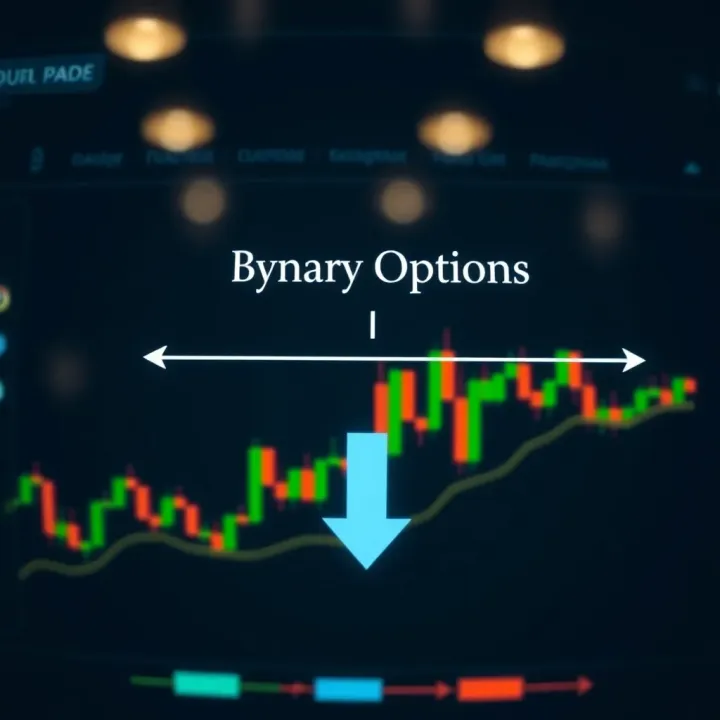
Learn how binary option trading works, its risks, and key strategies to trade wisely in Pakistan's market. 📊💡 Make smarter financial choices today!
Based on 5 reviews