

Binary Addition Explained with Examples
Learn how to add binary numbers step-by-step with clear examples 🧮. Master rules and avoid common mistakes in binary addition for computing basics.
Edited By
Amelia Foster
Binary converters might sound like a tech wizard’s tool, but they’re actually a big deal for anyone dealing with digital data, including traders and crypto enthusiasts in Pakistan. These devices or software transform numbers between binary (the language of computers) and our everyday decimal system. For those who keep a finger on the pulse of financial tech, understanding how these conversions work can give you an edge in analyzing data feeds, algorithmic trading, and even blockchain transactions.
We’ll break down the basics — what binary converters are and why they matter — before moving on to practical tips and common applications. You don’t need a degree in computer science to get it, just an interest in how numbers dance behind the scenes of your favorite trading apps. From manual methods to digital tools, this guide aims to equip you with useful knowledge that’s grounded in real-world use, especially tailored for folks navigating the markets today.

Whether checking stock tickers or decoding crypto hashes, binary converters play a quiet yet vital role in turning abstract digits into actionable info.
Let’s get started by unpacking how numbers are represented in binary versus decimal, setting the stage for everything that follows.
Before diving into binary converters, it's important to get a solid grip on what binary numbers actually are and why they hold such importance. Binary, at its core, is the language of computers. Without understanding binary numbers, traders, investors, and anyone dealing with tech-driven finance risk being out of the loop when it comes to digital data and system operations.
Grasping binary numbers isn't just academic; it's practical. Think about cryptocurrency transactions or data encryption in online trading platforms — all rely heavily on binary processing. The reliability and speed of these systems hinge on how well binary codes are handled, making this topic more than just a techie's niche.
Binary numbers use only two digits: 0 and 1. These are called bits (short for binary digits). Unlike the decimal system we use daily, which has ten digits, binary sticks to just two. This simplicity is the backbone of digital electronics because these two states can easily represent "off" and "on".
Each bit holds a place value like the decimal system does, but it’s based on powers of two instead of ten. For example, the binary number 1011 represents (1×8) + (0×4) + (1×2) + (1×1) = 11 in decimal. This kind of breakdown helps in converting between binary and decimal.
This system’s design allows computers to process huge amounts of data quickly and reliably because electronic circuits can easily detect two distinct states.
The decimal system is something we use every day; it has ten symbols from 0 to 9. Binary, with only 0 and 1, might seem limiting but it's perfectly suited for computers. This difference matters because every number or piece of data a computer processes is ultimately handled in binary.
Practically, binary numbers take up more digits than their decimal counterparts, but they align better with computer hardware. For instance, the decimal number 255 translates to 11111111 in binary — eight bits. This longer string is easy for chips to manage using voltage levels corresponding to 0 or 1.
This contrast helps highlight why binary converters are essential for anyone working with systems that output or require binary inputs.
At the core, all digital data — whether it’s a stock ticker symbol, a cryptocurrency hash, or a complex trading algorithm — is represented in binary code. Each character, number, or symbol is broken down into bits, turning information into a pattern readable by computers.
For example, the letter 'A' in ASCII code is 65 in decimal, which converts to 01000001 in binary. This pattern allows computers to handle text consistently.
Understanding this binary representation helps traders and analysts appreciate how their data-heavy applications function behind the scenes, potentially aiding in troubleshooting or optimizing processes.
For those using or developing trading software or financial analysis tools, knowing why computers rely on binary is a strength. Programmers write code that eventually gets translated into binary instructions the hardware executes.
Hardware components like microprocessors interpret these binary signals to perform calculations, data storage, and communication. This is why binary converters are valuable tools: they bridge the human conceptual world of numbers with the digital world’s way of handling data.
"Binary numbers are the unsung heroes behind every transaction, calculation, and operation in modern finance technology."
Having a clear understanding of binary numbers and their role makes it easier to use binary converters effectively, whether you’re manually converting numbers or using software tools. They’re the foundation for grasping all that comes next in working with digital systems.
Understanding how a binary converter operates is key to grasping the foundation of digital computing. These converters act as bridges that turn numbers from one familiar form—like what we use daily, the decimal system—into the binary code that computers understand. This process isn’t just a fancy trick; it underpins everything from stock market analysis platforms to cryptocurrency wallets used in Pakistan and beyond.
Having a clear picture of this process helps traders and investors see what happens behind the scenes when software processes numbers or communicates data securely. For example, when financial data streams through trading applications, it relies heavily on binary conversions to ensure accurate and fast calculation.
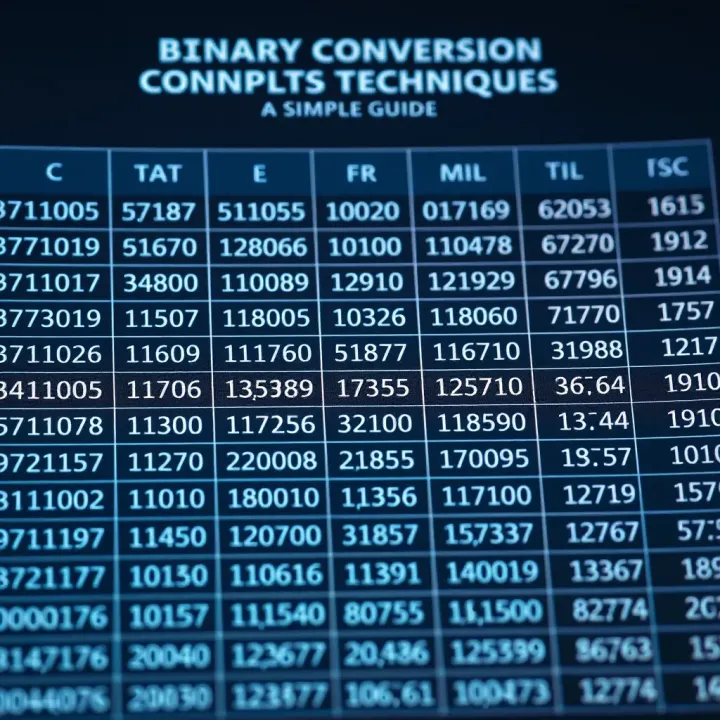
Converting decimal numbers to binary is simpler than it sounds and follows a straightforward process based on division by 2. Here’s what you do:
Divide the decimal number by 2.
Record the remainder (0 or 1) — this is the least significant bit.
Take the quotient and divide it again by 2.
Repeat until the quotient is 0.
The binary number is the sequence of remainders read in reverse (from last to first).
This method ensures that every decimal number has a unique binary equivalent. It’s the foundation for most binary conversion tools and helps programmers and analysts understand and manipulate data at the lowest level.
Let’s say you’re dealing with a stock price: 156 (PKR). Converting it to binary:
156 ÷ 2 = 78 remainder 0
78 ÷ 2 = 39 remainder 0
39 ÷ 2 = 19 remainder 1
19 ÷ 2 = 9 remainder 1
9 ÷ 2 = 4 remainder 1
4 ÷ 2 = 2 remainder 0
2 ÷ 2 = 1 remainder 0
1 ÷ 2 = 0 remainder 1
Now, reading the remainders backwards, the binary equivalent is 10011100.
This hands-on example gives practical insight to anyone managing raw data conversion, especially when coding custom financial applications.
Reading binary back into decimal is all about knowing what each digit means based on its position. Each binary digit (bit) corresponds to a power of 2. Starting from the rightmost bit:
The rightmost bit is 2⁰ (which is 1).
The next one to the left is 2¹ (which is 2), then 2² (4), and so forth.
So, to convert 10011100 back to decimal, identify which bits are 1, and add those values:
1×2⁷ (128) + 0×2⁶ + 0×2⁵ + 1×2⁴ (16) + 1×2³ (8) + 1×2² (4) + 0×2¹ + 0×2⁰
Sum: 128 + 16 + 8 + 4 = 156
This ensures accurate translation of binary data records into understandable numbers, crucial for finance professionals dealing with encrypted or compacted datasets.
Besides manual calculations, plenty of handy tools help with this process. Programmers might use built-in functions in languages like Python (int('10011100', 2) returns 156), while traders often rely on financial software that automatically converts between decimal and binary during computations.
"Understanding both directions—decimal to binary and binary to decimal—strengthens your technical fluency, especially important in rapid decision-making fields like cryptocurrency trading."
By mastering these conversions, you get better control over the data formats used in trading algorithms and digital wallets — providing a smoother experience whether you’re analyzing stock charts or monitoring blockchain transactions.
In short, knowing how a binary converter works builds a bridge between human-friendly numbers and machine language, which is at the heart of today’s financial and technological world.
Understanding the different types of binary converters is essential for anyone working with data representation, especially folks in finance and trading where accurate number interpretation matters. Knowing how these converters function helps avoid costly mistakes in binary-related tasks and improves your ability to analyze data effectively. This section breaks down manual and digital converters, giving you clear insight into their practical uses and limitations.
Manual binary conversion often starts with charts and tables that list decimal numbers alongside their binary equivalents. These are not just simple study aids but practical tools you can use when precision and a deep grasp of the numbers matter most. For instance, traders who deal with binary-coded data streams might keep a quick-reference chart handy to decode values without running to a calculator every time.
These charts highlight patterns, like how each binary digit represents an increasing power of two—something that's easy to miss if you just glance at digital screens. They work best when handling small numbers or when teaching newcomers about the basics of binary systems. Plus, they are great for environments where you don't have digital tools available, such as during certain audits or manual reports.
Converting numbers by hand is a skill that strengthens your basic understanding of binary logic—a must-have for those who want to avoid over-reliance on software. The process typically involves dividing the decimal number by 2 and tracking remainders, or conversely, summing powers of two for binary to decimal conversions. For example, to convert decimal 19 to binary, you divide by 2 stepwise, collecting remainders: 19/2=9 remainder 1, 9/2=4 remainder 1, etc., until you’ve processed the entire number.
This method enhances your intuition about how computers process numbers internally, which can be invaluable when debugging or verifying data manually in sectors like stock brokerage where data integrity is key. Though manual conversion isn’t practical for large-scale operations, it’s perfect if you want to double-check automated conversions or get to grips with the concept quickly.
The digital age has brought plenty of tools that handle binary conversion at lightning speed, freeing up your time for more strategic tasks. Common software like Microsoft Excel provides built-in functions such as BIN2DEC and DEC2BIN, making binary conversion straightforward right in your spreadsheets. Online tools like RapidTables and CalculatorSoup also serve as handy, no-install options suitable for quick checks.
These digital converters are invaluable for traders and analysts who process large data sets frequently since they reduce human error and speed up workflows. Software converters often include extras like error checking and batch processing, which manual methods can't match.
Picking the right binary converter depends on what you need. For heavy daily use, desktop applications integrated into your workflow (such as Excel or specialized coding platforms like MATLAB) make sense. If you need quick, occasional conversions, web apps or mobile apps like "Binary Converter" for Android can do the job.
Key factors to consider include accuracy, ease of use, compatibility with your current systems, and the presence of additional features like data exporting. For instance, if you’re a financial analyst dealing with binary-coded trades, tools providing batch conversion and audit trails might be necessary. On the other hand, a casual crypto trader might prioritize a simple, fast converter app.
The right converter tool saves time and minimizes errors, making it a practical investment for anyone frequently working with binary numbers in finance or trading.
In short, exploring and knowing these different types of binary converters equips you with options to tackle any binary conversion challenge, ensuring your work stays both accurate and efficient.
Binary converters play a surprisingly vital role in everyday technology, bridging the gap between the digital and physical worlds. Whether you’re coding software, building electronics, or simply using your smartphone, binary converters work quietly behind the scenes to make sure data is accurately translated and understood. For anyone in finance, trading, or technology fields, understanding these applications can shed light on how numbers get processed at the deepest level, helping professionals troubleshoot or optimize systems.
At the heart of all software lies binary code. Every instruction a computer follows is eventually broken down into a series of 0s and 1s. When programmers write code in languages like Python or C++, these high-level commands are converted to binary through compilers or interpreters. This process ensures that your commands can be understood by the machine’s hardware. For example, in blockchain programming—which is critical for cryptocurrency technologies—transactions and smart contracts operate on binary-encoded instructions to maintain security and efficiency.
Understanding binary enables tech pros and investors to grasp how computing resources are allocated, how cryptographic algorithms encode data, or why certain bugs arise during execution. Tweaking or optimizing binary conversion processes can also help speed up applications, a handy advantage in high-frequency trading or real-time data analysis.
In software development and financial tech, debugging often involves peeking into the binary representation of data or instructions. When a program crashes or behaves oddly, developers may analyze binary dumps or machine code to pinpoint the exact hiccup. This is especially true in embedded systems where high-level debugging tools might not be available.
For instance, traders using custom algorithms might face errors in data feeds or transaction logs. Inspecting the binary data streams helps identify if values got corrupted, misaligned, or incorrectly formatted. Tools that convert binary data back to readable decimal or hexadecimal formats are crucial in these scenarios, allowing faster root cause analysis and minimizing downtime.
Binary converters also play a key role in digital signal processing (DSP). Modern electronics process analog signals like sound or video by converting them into digital binary formats. This step is essential for noise filtering, compression, and transmission.
Take a stock market ticker feed that sends real-time price updates. The raw analog signals from transmission lines must be binary-converted to ensure that the digital display updates precisely and without lag. The crisp accuracy of these signals depends heavily on effective binary conversion algorithms embedded in hardware chips or software.
When designing digital circuits, engineers must carefully consider how binary converters will interpret input and output signals. Precision in these conversions affects device performance and reliability. For example, a misinterpreted binary signal in a financial transaction terminal could lead to critical errors or security flaws.
And it’s not just about accuracy—speed matters too. High-frequency trading systems rely on lightning-fast circuit responses, where every nanosecond counts. Binary converters in these circuits must balance speed with error-checking to prevent costly mistakes.
In short, binary converters form the unseen backbone of various technologies that professionals rely on daily—from secure crypto transactions to real-time stock data streaming and precise electronic measurements.
Understanding how these converters work in practice can give traders and analysts an edge, helping them appreciate the intricacies of their tech and make smarter decisions based on data integrity and system performance.
Binary converters are handy tools in trading algorithms and coding financial software, but they come with their own set of challenges. It’s important to understand these common pitfalls to avoid costly errors, especially when handling critical data like stock values or cryptocurrency amounts. This section focuses on practical ways to spot and fix common problems, ensuring you get reliable results every time.
Misreading digits is probably the most frequent source of error. Since binary numbers consist only of 0s and 1s, a simple slip like mixing up '10' for '01' can dramatically change the value. For example, confusing the binary value 1101 (which is 13 in decimal) with 1110 (which is 14 decimal) might skew your calculation results. Traders dealing with automated strategies should double-check their input values to prevent such slips. A good practice is to read out the binary number aloud or write it down to help catch mistakes.
Another common pitfall is incorrect format handling. Binary converters might expect inputs in a certain format—say, a string of bits without spaces or a fixed length. Feeding data in the wrong format, like including spaces where not allowed or using leading zeros inconsistently, can cause errors or unexpected outputs. This is especially important when converting data between systems, such as from a spreadsheet to a trading platform. Be sure to read the converter’s requirements carefully and format your binary numbers accordingly.
When dealing with binary converters, double-check methods are your best friend. This means verifying your conversions by converting back and forth between decimal and binary. For example, after converting the decimal number 156 to binary, convert that binary result back to decimal to confirm it matches 156. This simple check helps catch unnoticed errors and builds confidence in your results.
Another tip is choosing automated tools wisely. Not all binary converters are made equal—some may lack precision or have limited functionality. For financial analysts or crypto traders, selecting reliable software like the Windows Calculator’s Programmer mode, Python libraries like bin() and int(), or trusted online converters ensures smooth, accurate conversions. Look for tools that handle large values well and support batch conversions if you're processing multiple numbers at once.
Remember, even tiny mistakes in binary conversions can snowball into big losses down the line, so it's worth taking time to get your conversions right. Using careful checks and trusted tools adds a solid layer of confidence to your trading or analysis work.
Learn how to add binary numbers step-by-step with clear examples 🧮. Master rules and avoid common mistakes in binary addition for computing basics.
Explore how binary multiplication works with clear steps, real examples, common computing algorithms, and its significance in digital tech ⚙️💻🔢.
Explore the binary number system’s basics and its key role in computing and digital electronics. Learn how to read, convert, and apply binary code with handy PDF guides 📘💻

📊 Understand binary variables and their values in data analysis! Learn their use in stats and coding, perfect for beginners and pros in Pakistan's data field.
Based on 9 reviews