

Benefits of Risk Management for Success
Explore how effective risk management helps identify dangers, improves decision-making, limits losses, and strengthens financial stability for your business. 📉💡
Edited By
Emma Richardson
Risk management is vital for any business or investor, especially in Pakistan's dynamic economic landscape. It involves recognising potential threats that can harm assets, operations, or reputation, then taking steps to minimise their impact. Different risks require tailored approaches depending on their nature and context.
Understanding key risk types can help traders, investors, financial analysts, and cryptocurrency enthusiasts protect their interests effectively. These risks commonly include financial, operational, strategic, compliance, and reputational risks. Each hits in a different way, so managing one does not guarantee safety from the others.

For example, financial risk covers losses related to market fluctuations, credit defaults, or liquidity shortages. Operational risk concerns disruptions in day-to-day activities, such as supply chain failures or IT system breakdowns. Strategic risk relates to poor business decisions or failing to adapt to market changes, which can derail company goals.
Compliance risk arises when businesses overlook legal and regulatory requirements — a matter especially relevant in Pakistan with evolving tax laws, import restrictions, and FBR policies. Meanwhile, reputational risk hits when public trust diminishes, whether after a scandal or service failure, impacting long-term growth.
Effective risk management combines early detection, ongoing assessment, and prompt action. This reduces surprises and buys time to adapt.
To control these risks, firms use various tools: financial hedging, diversification, internal audits, staff training, and strong governance. For example, a stockbroker might hedge portfolios during volatile market conditions, while a cryptocurrency trader could enforce strict wallet security measures to safeguard digital assets.
In summary, recognising different types of risk in the Pakistani business environment helps form better strategies. Incorporating risk management into daily operations makes investors and traders more resilient against unexpected challenges while supporting sustainable growth.
Risk management is about pinpointing, analysing, and handling hazards that might disrupt business or daily life. For traders, investors, and analysts, understanding these risks helps make decisions that protect investments and ensure steady returns. Recognising and managing risk reduces uncertainties in markets and operations, making ventures more reliable.
Good risk management isn’t just a shield against losses; it also opens paths to growth by enabling calculated risks. For example, a Pakistani textile exporter dealing with currency swings can use risk strategies to avoid sudden losses when converting foreign earnings. This keeps profits stable despite market shifts.
Risk management involves identifying potential threats, assessing their impact, and taking steps to reduce or control them. It’s a continuous process where businesses evaluate threats like market volatility, credit defaults, or operational failures. The goal is to balance risk against opportunity, allowing informed decisions that safeguard assets.
This practice is practical and vital because risks come in different shapes. For instance, stockbrokers face market risks due to sudden price changes, while cryptocurrency enthusiasts must manage cyber theft risks. Through risk management, they implement techniques such as diversification or strong digital security to minimise losses.
Managing risk matters because ignoring it can lead to severe consequences. Businesses that overlook risks like supply chain disruptions or regulatory changes may suffer financial damage, lose reputation, or face legal penalties. On a personal level, investors who do not diversify their portfolios might lose significant wealth if a single asset class crashes.
Similarly, daily operations in companies benefit when risks are managed carefully. For example, a Karachi-based retailer preparing for monsoon-related transport delays can avoid stockouts by altering logistics plans in advance. This helps maintain sales and customer satisfaction.
Pakistani companies face unique risks, such as currency fluctuations due to rupee volatility, political instability affecting market confidence, and frequent electricity loadshedding disrupting production schedules. Moreover, regulatory complexities from institutions like the Securities and Exchange Commission of Pakistan (SECP) and Federal Board of Revenue (FBR) can lead to compliance risks if not well managed.
These challenges impact businesses differently. Textile exporters might struggle with foreign exchange risks, while local manufacturers could face operational risks like power outages. Recognising these issues early allows firms to prepare contingency plans, reducing unexpected shocks.
On a broader scale, effective risk management supports Pakistan’s economic growth and business stability. Companies that manage risks efficiently tend to secure investor trust, attract foreign investment, and maintain steady operations. This reduces market uncertainties, encouraging expansion and job creation.
In short, risk management is not just a safety net but a key ingredient for sustainable business success in Pakistan’s evolving economic environment.
Without it, companies risk failure amid volatility, harming growth prospects nationwide. With it, they position themselves to adapt, survive, and thrive.
Financial risk management plays a vital role in safeguarding businesses from losses due to various financial uncertainties. In Pakistan's volatile economic environment, where currency swings, interest rate changes, and credit defaults are common, managing these risks effectively helps companies protect their capital, ensure liquidity, and plan sustainable growth. For traders and investors, understanding financial risks aids in making informed decisions and minimising unexpected setbacks.
Market risk refers to potential losses caused by changes in asset prices linked to market factors. In Pakistan, currency risk is significant due to the rupee's frequent fluctuations against the US dollar and other currencies. For example, a company importing raw materials pays more if the rupee weakens, increasing costs unexpectedly. Similarly, interest rate risk affects businesses and investors when State Bank of Pakistan (SBP) adjusts rates, impacting loan repayments and bond prices.
Currency swings can also affect stock market valuations, while rising interest rates may dampen investment appetite. Managing market risk is thus essential for traders, especially those dealing with foreign exchange or fixed-income securities.
Credit risk arises when borrowers or counterparties fail to meet their financial obligations. Pakistani banks, for instance, face credit risk if borrowers default on loans due to economic shocks or poor repayment capacity. For investors, buying bonds or lending capital carries the risk of non-payment.
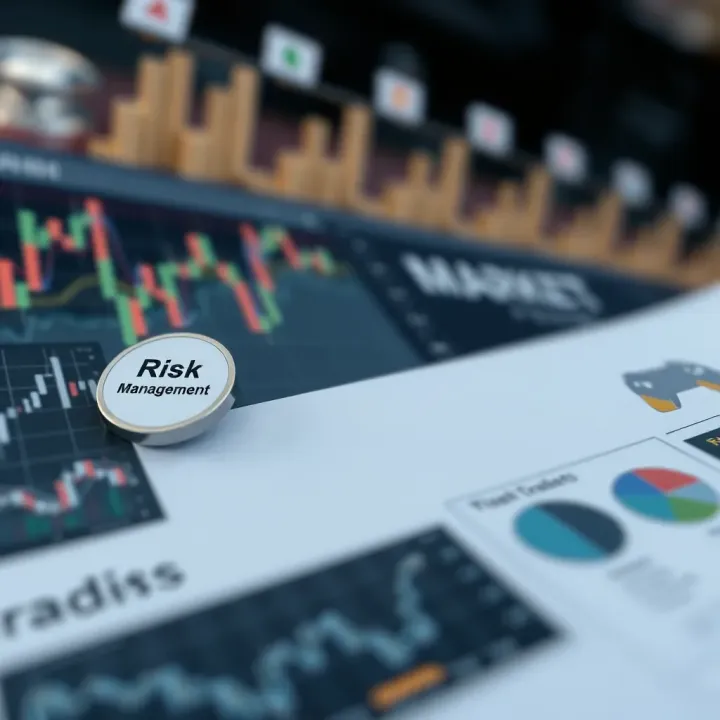
In practice, assessing creditworthiness through credit scores or financial statements helps reduce defaults. A trader lending through Karachi Stock Exchange margin financing would consider the borrower's financial health to avoid bad debts.
Liquidity risk involves difficulties in converting assets into cash quickly without severe loss. Many Pakistani businesses suffer liquidity problems especially during periods of tight credit, economic slowdown, or delays in receivables—sometimes made worse by banking sector constraints or loadshedding disrupting operations.
For example, a textile exporter may face cash flow shortages if delayed payments from buyers coincide with urgent purchasing needs. Without enough liquid assets, companies struggle to meet short-term liabilities, threatening solvency and operations.
Hedging involves using financial instruments to offset potential losses. In Pakistan, corporations often hedge currency risk by entering into forward contracts through authorised dealers. For example, an importer may lock exchange rates in advance to avoid rupee depreciation impacts.
Interest rate swaps are another hedging tool that companies use to stabilise borrowing costs amid fluctuating SBP policy rates. While hedging reduces uncertainty, it requires expertise and comes with costs that need balancing against the risk.
Diversification spreads investments across various asset classes, industries, or geographies to minimise risk. Pakistani investors following the stock market often diversify by mixing equities from different sectors like banking, energy, and consumer goods rather than concentrating on one.
A balanced portfolio cushions against sector-specific shocks—if the oil sector suffers due to global price dips, investments in agriculture stocks might still perform well. For traders, diversification limits losses when unexpected market movements affect certain stocks.
Insurance products protect businesses against specific financial losses. For example, credit insurance helps exporters secure payments, while business interruption insurance mitigates revenue losses from unforeseen events like floods or machinery breakdown.
Guarantees, such as bank guarantees or letters of credit, secure transactions by assuring payment or performance. In Pakistan's trading community, these instruments provide confidence to parties, reducing default risks and enabling smoother commerce.
Financial risk management is not just about avoiding losses but creating a more predictable environment for decision-making. Understanding and applying these tools benefits traders, investors, and financial analysts aiming for long-term success in Pakistan’s dynamic market.
By controlling market, credit, and liquidity risks through practical methods like hedging, diversification, and insurance, professionals can guard their portfolios and businesses against common pitfalls while unlocking opportunities with greater confidence.
Operational risk management is essential for keeping businesses running smoothly by identifying and controlling risks that arise from day-to-day activities. For traders, investors, and financial analysts, understanding this risk type helps prevent unexpected losses caused by breakdowns in processes or systems. In Pakistan's volatile business climate, managing operational risks protects companies against disruptions that might affect profitability or market confidence.
Internal process failures refer to breakdowns within an organisation's procedures that lead to errors or delays. For example, a brokerage firm missing trade settlement deadlines due to faulty paperwork can face financial penalties or reputational damage. In Pakistan, where manual documentation still plays a significant role in some sectors, streamlining these processes is vital to avoid costly mistakes.
Technology breakdowns include failures in IT systems, software bugs, or cyberattacks that disrupt operations. A sudden crash of a trading platform during market hours can cause severe losses or missed opportunities for investors. Given Pakistan's growing dependence on digital platforms like Daraz and Easypaisa, companies must ensure their technology infrastructure is resilient and regularly updated.
Human errors happen when employees make mistakes due to fatigue, lack of training, or oversight. An example is incorrect data entry during share transactions affecting client portfolios. In financial sectors, such errors can snowball, impacting multiple accounts and tarnishing client trust. Thus, reducing human errors through better staffing practices is crucial.
Supply chain disruptions affect businesses relying on external providers or logistics networks. For instance, a sudden supply cut-off of crucial computer components due to customs delays can halt a technology company's production, affecting investor confidence. Pakistani companies need contingency plans given the frequent challenges in transportation and import regulations.
Standard operating procedures (SOPs) ensure consistency and reduce errors by guiding employees on proper workflows. Well-documented SOPs benefit Pakistani firms where informal practices sometimes lead to confusion or mistakes. Clear procedures in trading operations help maintain compliance with regulations set by the Securities and Exchange Commission of Pakistan (SECP).
Staff training and awareness programmes equip employees with necessary skills and knowledge to recognise and handle risks effectively. For example, investor service teams trained to spot fraudulent schemes can protect clients better, boosting company reputation. Given Pakistan’s diverse workforce and fast-changing market trends, ongoing training is a must.
Maintenance and contingency planning involve regular upkeep of equipment and preparing backup plans for emergencies. A financial institution might schedule IT system checks and create alternate transaction methods during outages, preventing service disruption. In Pakistan, where loadshedding and other infrastructural challenges are common, having solid contingency measures is especially important.
Managing operational risks is about being prepared for the unexpected. In today's interconnected markets, a small failure can ripple through an entire organisation, so it's best to build strong systems and train people well.
By focusing on these operational aspects, Pakistani businesses can safeguard their assets and maintain investor confidence even during turbulent times.
Strategic and compliance risk management directly impacts how organisations plan their long-term goals and navigate legal requirements. For traders, investors, and financial analysts in Pakistan, understanding these risks helps avoid costly setbacks and improves decision-making. These risks might not always show immediate financial damage but can affect reputation, regulatory standing, and competitive positioning.
Market competition and changing consumer behaviour significantly influence business strategies. In Pakistan’s fast-growing markets, shifts in consumer preferences—such as a move towards online shopping over traditional bazaars—can hurt companies slow to adapt. For example, stockbrokers ignoring tech-savvy investors' needs may lose market share to digital trading platforms or alternatives like cryptocurrency exchanges. Staying alert to these trends enables businesses and investors to realign strategies for better returns.
Regulatory changes and political environment can create uncertainties that affect investment and operational decisions. Pakistan’s frequently shifting policies, whether from the government or regulatory bodies like the Securities and Exchange Commission of Pakistan (SECP), can alter market conditions overnight. For instance, sudden changes in foreign investment rules or trading regulations demand quick adjustment to avoid penalties or missed opportunities. Understanding this risk helps investors stay compliant while seizing emerging prospects.
Adhering to laws from SECP and FBR is non-negotiable for Pakistani companies and investors. These institutions oversee corporate governance, securities regulations, and tax collection. Non-compliance can lead to heavy fines or restrictions, impacting business continuity. Traders must keep up-to-date with SECP notifications about market conduct to avoid regulatory sanctions.
Tax compliance and reporting is another critical concern. Pakistan’s Federal Board of Revenue (FBR) enforces detailed tax filing and documentation rules. Errors or delays in filing tax returns can trigger audits or penalties, affecting cash flow and business reputation. Investors should ensure transparency and timely submission of tax records to maintain smooth operations.
Environmental and labour regulations also pose compliance challenges. With increasing global emphasis on sustainability, Pakistani companies must follow local labour laws and environmental standards, which are becoming stricter. Non-compliance not only invites legal troubles but can damage brand image among conscious consumers and international partners.
Regular monitoring and analysis of market trends, regulatory updates, and political developments allow proactive risk management. Using dedicated teams or consultants can help identify red flags early, enabling timely adjustments. For traders and investors, this means assessing portfolio risks regularly to respond to Pakistan’s dynamic landscape.
Legal consultations and audits provide expert advice on regulatory adherence and help uncover hidden issues before they escalate. Periodic internal or external audits verify compliance with SECP, FBR, and labour laws. This approach reduces surprises and builds trust with regulators and stakeholders.
Corporate governance practices strengthen organisational oversight and control. Transparent reporting, clear policies, and accountability frameworks help manage strategic direction and compliance effectively. For investors, companies with strong governance typically offer more stability and lower risks, making them preferable investment options.
Tackling strategic and compliance risks head-on safeguards your investments and helps businesses thrive amid Pakistan’s evolving market and regulatory environment.
Reputational risk refers to the chance that negative public perception could harm a business’s standing, profitability, or growth potential. For traders, investors, and financial analysts, managing reputational risk is as vital as monitoring market or credit risks. A company with a tainted reputation may find it harder to attract investors, secure credit, or retain customers, which directly impacts valuation and long-term success.
In Pakistan's competitive markets, customers expect not only quality products but also prompt, courteous service. Poor customer service—delayed responses, untrained staff, or failure to resolve complaints—can quickly spread dissatisfaction. For example, a brokerage firm that ignores client queries about transaction delays may risk losing trust and clients. Negative word-of-mouth or informal feedback in local neighbourhoods or online forums can severely damage a firm’s reputation.
Media outlets, including newspapers like Dawn and The News, remain influential across Pakistan. Negative reports about corporate mismanagement, financial irregularities, or unethical practices can steer investors away and erode public confidence. Even if issues are later resolved, initial media negativity tends to linger in public memory. A case in point is how companies facing regulatory probes by the SECP often see share prices drop sharply, underlining the power of media narratives.
Social media platforms such as Facebook, Twitter, and TikTok amplify reputational risks. A single viral complaint or controversial post can snowball rapidly, influencing investor sentiment and client decisions. Financial service providers in Pakistan increasingly face scrutiny over social media, making it essential to monitor and address concerns promptly. Ignoring social media chatter often backfires, while timely engagement can mitigate damage or even turn criticism into positive publicity.
Having a clear plan for communicating during crises helps businesses manage reputational threats effectively. This plan should outline roles, key messages, and communication channels to use when issues arise. For instance, if a regulatory enquiry emerges, prompt, honest updates reassure investors and stakeholders, preventing speculation. Pakistani firms should train spokespersons and prepare templates for different scenarios to ensure swift responses under pressure.
Transparency builds trust over time and reduces the chance of reputational crises. Sharing accurate information about financial performance, corporate governance, and compliance demonstrates integrity. In Pakistan, where suspicion of corporate malpractices is common, firms that regularise disclosures through SECP filings and investor reports tend to maintain a better reputation. Transparency needs consistency; withholding information or appearing evasive can raise doubts and damage credibility.
Active engagement means keeping investors, customers, regulators, and employees informed and involved before problems escalate. Hosting regular investor briefings, using feedback to improve services, and addressing regulatory expectations upfront are examples. Companies that build these relationships can often weather reputational challenges better because stakeholders feel valued and informed. In Pakistani markets, where personal connections still carry weight, this proactive approach enhances goodwill and trust.
Managing reputational risk is not just about damage control; it is about building a resilient image through consistent service, transparent communication, and meaningful engagement.
In sum, controlling reputational risk demands ongoing effort. For financial players in Pakistan’s dynamic environment, ignoring this aspect can be costlier than many traditional risks combined. Applying these practices strengthens market position and nurtures long-term reliability among investors and clients alike.
Explore how effective risk management helps identify dangers, improves decision-making, limits losses, and strengthens financial stability for your business. 📉💡

📊 Explore how actuarial science boosts risk management by analyzing data and forecasting financial outcomes. Insightful for Pakistan's insurance & finance sectors.

📂 Explore binary files: how they work, differ from text files, and practical uses. Learn reading, writing, and handling tips for better file management.

Explore binary counters in digital electronics: types, design details, internal circuits & real-world applications 📊🔧 Perfect for tech enthusiasts in Pakistan.
Based on 11 reviews