
Crypto Trading Signals Guide for Pakistani Investors
📈 Learn how crypto trading signals work and their types, sources, and risks. Practical tips for Pakistani investors to trade smarter using local platforms and tools.
Edited By
George Mitchell
Cryptocurrency trading has taken off in Pakistan, attracting many investors keen on rapid returns. Yet, amid this enthusiasm, questions arise about whether such trading aligns with Islamic law, or Shariah. The heart of the matter lies in understanding how crypto—as a new financial asset—fits into familiar Islamic finance principles.
Islamic finance prohibits certain activities, such as trading in interest-bearing transactions (riba), excessive uncertainty (gharar), and investments in unethical industries. Since cryptocurrencies are digital assets operating outside traditional financial systems, analysing their compliance requires careful examination of their nature and trading methods.
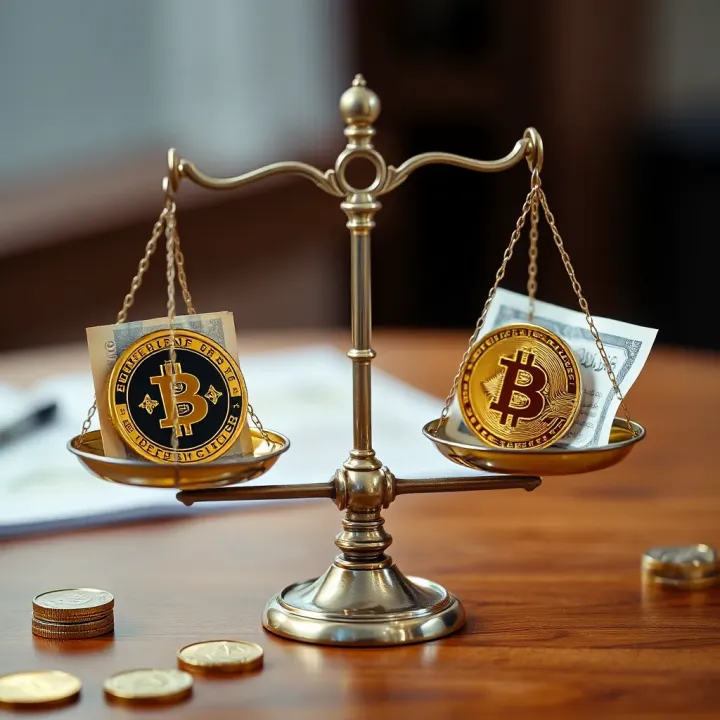
In Pakistan, this debate has gained momentum due to the rise of crypto platforms and increasing investor participation. Scholars remain divided: some argue crypto is halal if used as a store of value or medium of exchange; others highlight concerns over volatility, speculation, and lack of physical backing, suggesting many crypto trades may be haram.
Understanding the basics:
Cryptocurrency: Digital currency secured by cryptography, enabling peer-to-peer transactions without central banks.
Crypto trading: Buying and selling cryptocurrencies seeking profit based on price changes, often using exchanges.
Key Shariah considerations include:
Ownership and possession: Physical possession or clear ownership is preferred in Islamic transactions.
Avoiding gharar (excessive uncertainty): Crypto’s volatile prices introduce high risk and speculative behaviour.
Prohibition of riba: Any form of interest or guaranteed returns must be absent.
For Pakistani investors, it is vital to consult knowledgeable scholars or Islamic finance experts before engaging in crypto trading. Ethical investing that aligns with one’s faith involves assessing each trade’s contract clarity, intent, and underlying asset legitimacy.
Many Islamic scholars advise caution and recommend limiting crypto exposure to avoid unintentional involvement in impermissible transactions.
Ultimately, the question of crypto’s Shariah compliance in Pakistan depends on trading practices, individual asset types, and scholarly interpretations. This article will further unpack these issues, helping traders and investors navigate this complex field with confidence and integrity.
Grasping the basics of cryptocurrency and how crypto trading operates is fundamental for anyone in Pakistan looking to enter this emerging market—especially when evaluating its Shariah compliance. Knowing what digital currencies are, how they function, and the risks involved helps in making informed investment choices while keeping Islamic finance principles in mind.
Cryptocurrencies are digital or virtual currencies secured by cryptography, which makes them difficult to counterfeit or double-spend. Unlike traditional money issued by governments, cryptocurrencies operate on decentralised technology, mostly blockchain, which records transactions on a public ledger. This system offers transparency and removes the need for a central authority like a bank.
Popular cryptocurrencies include Bitcoin and Ethereum. Bitcoin is the oldest and most widely recognised, often referred to as 'digital gold' because of its limited supply and widespread adoption. Ethereum goes beyond just a currency—it functions as a platform for decentralised applications and smart contracts. For Pakistani investors, understanding these fundamental differences is essential because each coin serves unique purposes and carries different market risks.
Trading cryptocurrencies typically involves buying and selling digital coins on exchanges. These platforms, such as Binance, Coinbase, or Pakistani user-accessible ones, provide real-time prices and allow investors to place orders. You can buy coins with local currency or swap one cryptocurrency for another. The accessibility of these exchanges allows traders—even those with small capital—to enter the market swiftly.
However, crypto markets are notoriously volatile. Price swings can be sharp and sudden, making speculation a common practice. Unlike stocks or bonds, cryptocurrencies often lack steady valuation metrics, so traders rely heavily on market sentiment and technical analysis. This high volatility carries significant risk; therefore, it’s important for investors, particularly those concerned with Shariah principles, to carefully assess if the level of uncertainty and chance involved aligns with Islamic finance rules.
Understanding the practical workings and risks of cryptocurrencies forms the foundation upon which all further discussions about Shariah compliance must stand.
By keeping these points clear, Pakistani investors can better navigate the complex world of crypto trading while staying mindful of ethical and religious considerations.
Islamic finance is grounded on rules designed to maintain fairness, transparency, and ethical conduct in financial transactions. These principles become especially relevant when assessing the legitimacy of emerging markets like cryptocurrency trading within Pakistan. For such trades to be Shariah-compliant, they must avoid forbidden elements like interest, uncertainty, and gambling, which can often appear amid volatile, speculative assets.
Riba, commonly understood as interest, is strictly prohibited in Islamic finance because it involves guaranteed unearned profits or exploitation. Practical relevance arises where traders must ensure no part of their transactions involve interest, such as earning fixed returns without risk. In crypto trading, mechanisms like staking rewards or lending interests could raise concerns if they resemble riba because profits are guaranteed or predetermined.
Gharar refers to ambiguity or uncertainty that can lead to unjust outcomes in contracts. Excessive gharar is seen as unfair speculation. For instance, trading an asset without clear ownership or full knowledge of its value involves gharar. Cryptocurrencies' price swings and unclear regulatory status can lead to significant uncertainty, posing challenges to Shariah compliance. Practical application demands transparency in asset information and risk awareness before trading.
Maysir, or gambling, is forbidden as it involves wagering money on chance without productive activity or real value exchange. Crypto trading sometimes resembles gambling when done purely for speculation, with hopes of quick profits amid high volatility. In practice, investments must have real economic activity or asset backing to steer clear of maysir. Traders should avoid games of chance where outcomes rely solely on luck rather than sound analysis and ethical participation.
Islamic finance mandates that transactions be backed by tangible assets or productive activity, ensuring real economic value exchange. This principle helps prevent manipulative or speculative deals. For crypto trading, this means trading coins that represent actual digital property or services, not mere promises or unstable tokens lacking asset backing. Ethical trade also involves honesty, avoiding deceit, and ensuring all parties understand the deal fully.
Islamic scholars give examples like gold and silver trading, where tangible goods change hands with certainty, as permissible. In contrast, trading options or futures without ownership or delivery commitments often face scrutiny. Such examples guide contemporary decisions, urging investors to prefer contracts with clear terms and minimal uncertainty. Islamic jurisprudence also highlights the importance of mutual consent and fairness, applicable to digital asset exchanges too.
A trader in Pakistan interested in crypto must weigh these principles carefully, ensuring their actions align with ethical norms to keep investments within Shariah boundaries.
By applying these fundamental concepts, Pakistani investors can make informed decisions about crypto trading that respect Islamic finance values while navigating the evolving market landscape.
Scholarly opinions guide many Pakistani investors on the Shariah compliance of crypto trading. Since Islamic finance principles are deeply rooted in religious jurisprudence, understanding these views helps traders avoid investments that may be considered haram (forbidden). This section discusses arguments both supporting and opposing crypto trading from an Islamic perspective to provide balanced insights.
Some scholars consider cryptocurrencies genuine assets due to their tangible qualities in the digital realm. Unlike fiat money, which central banks can print arbitrarily, cryptocurrencies like Bitcoin have a capped supply, making them scarce assets similar to gold. This scarcity contributes to their valuation and acceptability as tradeable commodities. For instance, Bitcoin’s capped 21 million supply means it isn’t subject to inflation manipulation, which some scholars interpret as a positive trait aligning it with Shariah principles.
Crypto trading operates primarily on supply and demand dynamics, which is an accepted market mechanism in Islam. When traders buy or sell cryptocurrencies, their prices adjust naturally based on market interest, similar to traditional commodities like wheat or cotton. This means the trading is not inherently based on unfair practices but on genuine market forces. For example, when demand for Ethereum rises due to increased blockchain usage, its price moves upward, reflecting lawful price discovery rather than manipulative speculation.
A strong argument in favour of crypto trading is the non-involvement of riba (interest), which is clearly forbidden in Islam. Cryptocurrencies do not yield interest but rather their value fluctuates through market participation. Additionally, many cryptos offer intrinsic utility through decentralised finance platforms, smart contracts, and digital payments. This gives them practical usefulness beyond just speculation. For example, platforms using Ethereum allow implementation of smart contracts that execute automatically, which demonstrates functional utility recognised by some scholars as permissible.
Critics highlight the extreme price swings in crypto markets as an indication of excessive gharar (uncertainty), which Islamic law prohibits. Prices can rise or crash dramatically within hours, resembling gambling more than stable investment. This unpredictability causes concern over whether traders engage more in speculation than genuine asset exchange. For example, prices of coins like Dogecoin have seen sharp surges due to social media hype rather than underlying value, raising red flags for Shariah compliance.
Many scholars worry about the absence of a central regulatory authority and tangible backing for cryptocurrencies. Unlike gold or real estate, cryptos lack physical collateral, which makes their status in Islamic law ambiguous. Without a trusted guarantee, they might be seen as too risky or speculative, challenging the principle of asset backing in lawful trade. This poses practical concerns for Pakistani investors who lack regulatory safeguards or consumer protections.
Crypto trading often entails gambling-like traits (maysir), where participants gamble on price movements hoping to profit from luck or timing instead of actual value creation. Frequent day trading or chasing pump-and-dump schemes can mirror betting behaviours, which Islam forbids. For example, entering a trade solely based on rumours and exiting within minutes treats the market like a casino, which scholars argue is impermissible.
Pakistani investors should carefully weigh these differing views while considering personal risk tolerance and ethical standards. Engaging with knowledgeable local scholars can provide better clarity tailored to one’s individual circumstances.
This balanced understanding helps investors navigate the uncertainties of crypto markets without compromising their religious principles.
Navigating crypto trading in Pakistan requires more than just understanding the technology or Islamic finance principles. Practical factors significantly affect how investors engage with this market while trying to stay within Shariah guidelines. These considerations span managing risks, ethical behaviour, and aligning with Pakistan's evolving regulatory framework.
Assessing market volatility is critical due to cryptocurrencies’ notorious price swings. For instance, Bitcoin’s value can fluctuate by several percentage points within hours, which amplifies potential gains but also losses. Pakistani investors should monitor these swings closely and avoid trading on impulse. Understanding volatility helps prevent excessive gharar (uncertainty), which Islamic law cautions against. Practical steps include using limit orders instead of market orders, setting loss limits, and avoiding positions that make your portfolio vulnerable to rapid market drops.
Choosing reputable exchanges is another key step in protecting your capital. Since Pakistan lacks fully regulated crypto platforms, investors often rely on international exchanges like Binance or Coinbase. However, selecting exchanges that follow strict security protocols, provide transparency, and comply with international anti-money laundering standards reduces fraud risk. Avoid platforms with poor reviews or unclear terms of service. For example, an investor in Lahore opting for an exchange known for cold storage custody of assets reduces hacking risks compared to less secure alternatives.
Consulting local scholars ensures that traders gain clarity on Islamic rulings specific to their circumstances. Since crypto is a relatively new asset class, opinions vary among scholars in Pakistan’s leading seminaries and universities. Seeking guidance from trusted religious authorities familiar with modern financial products helps investors reconcile potential doubts. This can involve discussing the halal status of trading practices or the permissibility of certain coins.
Considering personal conscience and risk tolerance matters because Shariah compliance is not always black and white. Some investors might see crypto trading as acceptable with caution, while others prefer to avoid it altogether. It is advisable to reflect on your comfort level with risks and the ethical implications while making decisions. For instance, a trader in Karachi might limit their exposure to small amounts they can afford to lose or choose to focus on digital assets backed by tangible products.
Current stance of State Bank of Pakistan (SBP) influences how openly investors can participate in crypto trading. The SBP has yet to legalise cryptocurrencies officially, issuing warnings about their risks and prohibiting banks from facilitating crypto-related transactions. Pakistani traders should stay aware of SBP advisories to avoid unintentional violations.
Legal risks and compliance requirements include potential penalties if cryptocurrency dealings breach existing foreign exchange laws or anti-money laundering regulations. For example, using unauthorised exchanges or evading tax reporting can invite fines. Pakistani investors should ensure they declare income properly and operate within legal frameworks to avoid troubles with authorities. Consulting legal experts knowledgeable about Pakistan's financial laws can help maintain compliance.
Managing risks, ethical concerns, and legal compliance is essential for Pakistani crypto traders who aim to invest responsibly while respecting Islamic principles and local regulations.
By balancing these practical factors alongside Shariah guidelines, Pakistani investors can navigate crypto trading more confidently and cautiously.
Understanding how to align crypto trading with Islamic principles is critical for Pakistani investors who want to stay within Shariah boundaries while engaging in this emerging market. Crypto trading carries unique challenges, especially around issues like speculation, uncertainty, and asset backing. Yet, by approaching it with care and informed awareness, investors can make choices that respect both their financial goals and religious obligations.
Trading cryptocurrencies demands a balanced approach because the market moves fast and often unpredictably. For example, while Bitcoin may present opportunities, its value swings can easily cross into excessive uncertainty (gharar), which Islamic law warns against. Investors should consider their risk tolerance closely and avoid quick, speculative trades resembling gambling (maysir). In practice, this means setting clear limits on trading volume and avoiding emotionally driven decisions. Thoughtful planning and ongoing risk assessment help prevent actions that could lead to doubts about compliance.
In addition, not all cryptocurrencies carry the same Shariah status. Some tokens might represent real, tangible assets or utilities, making them easier to justify from an Islamic finance perspective. On the other hand, volatile coins with no clear use or backing require extra caution. This cautious stance can protect investors from falling into impermissible transactions and ensure their trading activities remain on ethical grounds.
The legal and religious landscape surrounding cryptocurrencies in Pakistan continues to shift. The State Bank of Pakistan has maintained a cautious view, warning about risks without an outright ban, but this stance could change depending on new developments. Pakistani investors should keep themselves updated on official announcements and regulatory changes to stay compliant.
Simultaneously, scholarly opinions on crypto trading vary widely and may evolve with deeper understanding and technological advancements. Engaging regularly with local Islamic scholars or financial advisors familiar with Shariah compliance can help traders stay aligned with accepted standards. For example, if a new ruling clarifies the permissibility of a particular token or trading method, being quick to adapt can safeguard both religious adherence and financial interests.
Navigating crypto trading within Islamic principles requires continuous learning and measured action. The combination of cautious decision-making and staying aware of new guidance keeps traders on solid ground.
Ultimately, Pakistani investors who want to trade crypto while respecting Islamic rules must approach the market thoughtfully. Careful assessment of risk, clear boundaries around speculation, and staying current with both regulatory and religious advice will help ensure their crypto activities are as halal as possible within this still-developing arena.
📈 Learn how crypto trading signals work and their types, sources, and risks. Practical tips for Pakistani investors to trade smarter using local platforms and tools.

Learn crypto trading in Pakistan 🇵🇰 with expert tips on local platforms, handling volatility, legal rules, tax duties, and securing your investments smartly. 💹🔒
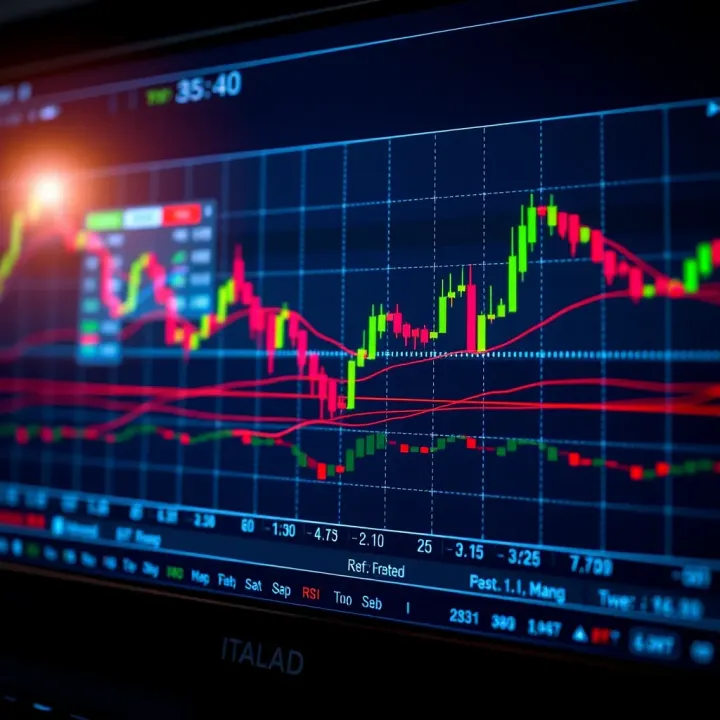
Discover the best crypto trading indicators and how Pakistani traders can use them to analyze markets effectively 📊. Avoid common mistakes and trade smarter!
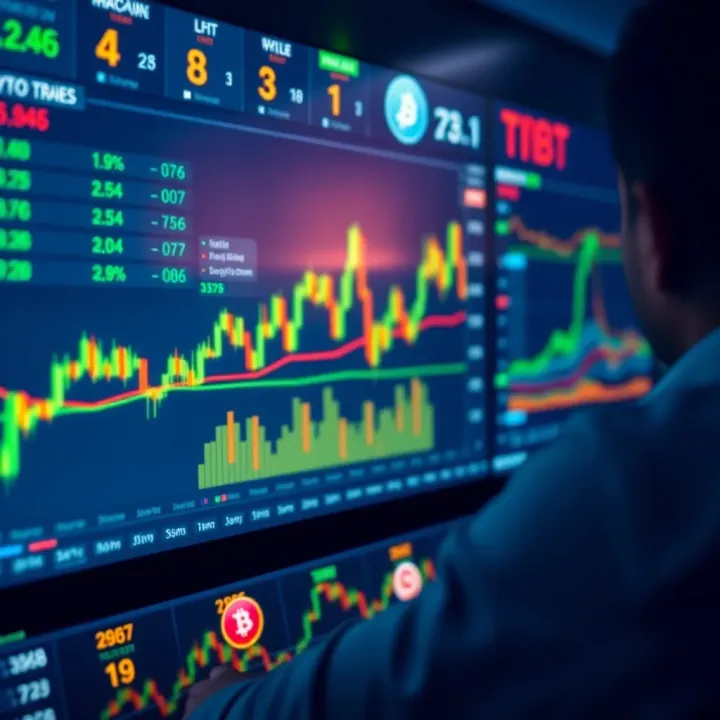
Explore the best crypto trading platforms for Pakistani traders 🇵🇰, covering security 🔒, fees 💰, user experience 👨💻, and local regulations 📜 to trade smartly.
Based on 5 reviews