
Best Forex Trading Platforms in Pakistan
Find the best forex trading platform in Pakistan 🇵🇰 with our clear guide! Compare brokers, explore key features, and trade confidently today 📈💼
Edited By
Isabella Morgan
Forex trading volume per day represents the total amount of currency traded globally within a single trading day. This figure, often reaching over $6 trillion in recent years, reflects how active the foreign exchange market is. Understanding this volume is essential for anyone involved in currency trading or international investment.
The forex market operates 24 hours across different time zones, with peaks in trading volume during the London and New York sessions. For instance, during these hours, liquidity surges because institutional players, banks, and hedge funds execute large transactions. This increased volume often leads to narrower spreads and better price stability, directly benefiting traders.
Volume data helps gauge market sentiment and potential volatility. When trading volume spikes alongside significant price moves, it confirms strong market interest and possibly a trend continuation. Conversely, low volume during price changes might indicate fakery or uncertain market direction, warning traders to be cautious.
For Pakistani traders, understanding forex volume has particular importance. The local forex market links closely with global liquidity flows, and volumes impact the Pakistani rupee’s exchange rate against major currencies like the US dollar. During times of economic uncertainty or political events in Pakistan, traders may notice volume-driven swings that affect import-export costs and remittances.
Key factors influencing daily forex volume include:
Economic data releases: Reports like US non-farm payrolls or Pakistan’s trade balance can trigger sharp volume increases.
Central bank policies: Actions by the State Bank of Pakistan (SBP) or the US Federal Reserve affect volume and direction.
Geopolitical events: Tensions or peace talks reshape market sentiment rapidly.
Higher forex trading volume typically means improved market efficiency with tighter spreads and faster execution, which benefits both retail and institutional traders.
Understanding where and when volume peaks occur can inform better trading strategies. For example, scalp traders rely on high-volume periods for quick trades, while long-term investors look for volume confirmations before entering positions. Recognising these patterns helps Pakistani traders navigate challenges like local currency volatility and international forex regulations.
Overall, daily forex trading volume is a critical metric — not just a number but a signal revealing the market's pulse and strength, guiding traders toward informed decisions.
Understanding daily forex trading volume is vital for any trader or analyst looking to gauge market liquidity and activity. It tells us how much currency exchanges hands on a typical day, reflecting market participation and potential price movement. Knowing this helps in assessing whether certain price changes have strong backing or are just thinly traded moves, especially important for investors relying on technical analysis.
Forex trading volume refers to the total amount of currency units exchanged over a specific period, usually within a day. Unlike stock markets, forex is a decentralised market without a single exchange recording transactions, so volume data comes from aggregating trades across banks, brokers, and trading platforms. For example, if traders buy and sell US dollars worth $5 trillion globally in a day, that figure represents the daily forex volume.
This volume helps traders understand market strength. For instance, a sudden increase in volume during an uptrend may indicate strong buying interest, supporting the move. Low volume, however, might suggest the trend is weak or unsustainable.
While 'volume' is the count of currency units traded, 'turnover' indicates the total value of these transactions in money terms. Turnover accounts for the currency's price changes; for example, if the dollar strengthens, the turnover value can rise even if the volume remains steady.
Put simply, volume looks at quantity, and turnover at value. Traders and analysts track both since a high turnover with low volume could suggest large-sized trades, possibly from institutional players. In contrast, high volume with low turnover might mean many small trades common in retail trading.
According to the Bank for International Settlements (BIS), the global forex market exchanges over $6 trillion every day. This immense figure confirms forex as the largest financial market worldwide. For example, a significant portion of this volume comes from transactions to hedge currency risk or profit off exchange rate moves.
Knowing such numbers puts into perspective how active and liquid the forex market is compared to stock exchanges. It also underscores why currency pairs can experience rapid price changes due to large trade flows.
Most forex volume concentrates on a handful of major currencies: US dollar (USD), Euro (EUR), Japanese yen (JPY), British pound (GBP), Swiss franc (CHF), Canadian dollar (CAD), and Australian dollar (AUD). Their pairs like EUR/USD, USD/JPY, and GBP/USD see the highest trade counts.
For instance, EUR/USD generally accounts for about 25-30% of daily volume, making it the most traded pair. This concentration affects liquidity and volatility, influencing how quickly prices react to news, which in turn impacts trading strategies.
Forex trading volume offers a clear lens into market participation; recognising its scale and distribution aids in smarter trade decisions and risk management.
Understanding what drives daily forex trading volume helps you grasp why currency markets move the way they do. Several factors shape the flow of money through the different forex markets around the world, and recognising them is essential for traders, investors, and analysts alike.
Central banks and government bodies play a major role by intervening in forex markets to stabilise their national currencies or support economic policies. For instance, the State Bank of Pakistan may step in to prevent excessive depreciation of the Pakistani rupee by selling foreign reserves. Such interventions can suddenly spike trading volume and shift market direction, often catching traders off-guard if they are not monitoring these moves closely.
Commercial banks and institutional investors are the backbone of forex liquidity. These entities handle huge volumes daily while facilitating client orders or investing their own funds. For example, large Pakistani commercial banks like Habib Bank Limited (HBL) actively trade USD/PKR pairs for corporate clients, influencing market depth and spreads. Institutional investors, such as pension funds or hedge funds, may enter or exit positions based on economic outlooks, affecting volume patterns significantly.
Retail traders and online platforms have grown steadily in influence, thanks to internet accessibility and online brokerages. Platforms like FXTM or IG Markets provide Pakistani traders a chance to participate directly, often in smaller trade sizes but in large numbers. Their activity increases volume especially during volatile periods, as retail traders chase news or technical setups. While smaller individually, collectively their trades add important pulses to the market.
Scheduled announcements like interest rates and inflation cause predictable spikes in daily volume. Traders keep a close watch on releases such as the SBP's monetary policy decisions or inflation data from Pakistan’s Bureau of Statistics. For example, an unexpected hike in interest rates often drives a sharp rally in the local currency as investors anticipate higher returns, drawing large volume as they reposition.
Unexpected geopolitical tensions and crises can unsettle markets and lead to sudden surges in volume as traders react to new risks. Events like escalating tensions along the Pakistan-India border or sudden political upheavals can cause capital flight or safe-haven demand, impacting currency pairs globally. These unpredictable moments create rapid volume growth, often accompanied by increased volatility.
Trading volumes during Asia, Europe, and US sessions vary based on regional business hours and active market participants. The Asian session, which includes Pakistan hours, often sees volume from regional banks and exporters focusing on USD/JPY and USD/PKR pairs. European hours increase liquidity as big financial centres like London and Frankfurt come online, while the US session introduces significant volume through New York-based institutions.
Overlap periods boosting liquidity occur when two major sessions coincide, such as London and New York for a few hours each afternoon in PKT. This overlap is typically the time of highest trading volume and tightest spreads. Pakistani traders targeting volatile but liquid windows find these overlap periods ideal for executing trades efficiently without excessive slippage.
Volume behaviour depends heavily on who is trading and when. Knowing the key players, economic triggers, and session overlaps can help you anticipate volume changes and manage market risks better.
Daily forex trading volume shapes how prices behave, affecting liquidity and volatility. High volume reflects strong participant interest and smooth trade execution, while low volume might signal uncertainty or lack of commitment. This section explains how daily volume connects to price movements and serves traders in timing their trades more effectively.
Confirming market trends: Trading volume helps verify whether a price trend is solid or shaky. When a currency pair’s price rises on increasing volume, it suggests genuine buying pressure driving the move. For example, if the USD/PKR pair climbs while volume surges, this confirms the uptrend is backed by active traders, not just a few speculators. Conversely, if volume decreases amid rising prices, the trend may be weak and prone to reversal. Pakistani traders watching volume alongside price avoid chasing fake rallies or dips.
Volume spikes signalling reversals or breakouts: Sharp increases in volume often precede major price actions. A sudden volume spike following a long downtrend might indicate sellers exiting and buyers stepping in, hinting at a possible reversal. Likewise, a breakout above resistance with heavy volume signals strong conviction, increasing chances of sustained movement. For instance, if EUR/USD breaks a key level with volume doubling the average, traders expect momentum to continue. Recognising these volume surges allows timely reactions to market shifts.
Using volume to time entry and exit points: Volume can refine when a trader enters or exits a position. Entering on rising volume with confirming price action often reduces risks of false moves. Exits during volume dryness or divergence from price may save capital from sudden reversals. A Pakistani trader might enter a long position on GBP/USD only when volume increases over recent sessions, signaling fresh interest. Strategic timing based on volume amplifies the efficiency of trading decisions.
Combining volume with technical indicators: Volume gains more power when paired with tools like moving averages, RSI, or Bollinger Bands. For example, if RSI shows oversold conditions but volume remains low, the potential for a bounce might be limited. On the other hand, price crossing a moving average with accompanying volume growth confirms the signal’s strength. This combination aids Pakistani traders in filtering out noise and improving trade success by layering different data points instead of relying on price alone.
Understanding volume’s role provides a clear edge: it helps traders confirm genuine moves, spot turning points, and fine-tune strategies — all essential for navigating the fast-moving forex market.
By following these volume-price signals, traders can approach the forex market more strategically rather than guesswork, which is particularly helpful in volatile pairs involving the Pakistani rupee or global majors.
Forex trading volume has a significant impact on Pakistani traders, shaping their ability to navigate both local and global currency markets effectively. Understanding how volume affects price movements and liquidity can help traders make informed decisions, manage risks, and identify opportune moments for trading. The fluctuating nature of forex volume also influences the Pakistani rupee's exchange rate, affecting business operations, import-export activities, and remittance flows.
Pakistani traders increasingly have access to global forex volume data through online broker platforms and financial news services. While local brokers may provide volume indicators, the information often reflects retail order flow rather than the entire interbank market. Traders relying on platforms like MetaTrader or cTrader can view volume data linked to the broker’s liquidity pool but should remember this is only a portion of the broader market. For more comprehensive volume insights, some turn to reports from international bodies like the Bank for International Settlements (BIS), though these reports update less frequently.
International trading hours play a key role in shaping forex volume accessible to Pakistani traders. The country's time zone places it within trading hours of both Asian and European markets, but the overlap with US market hours occurs late evening PKT. Consequently, liquidity and volume tend to be higher during the European session and its overlap with Asia, providing better price execution and tighter spreads. Pakistani traders aiming for high-volume sessions often plan trades around these timings to avoid low-liquidity periods, which may lead to slippage or wider spreads.
Global forex volume fluctuations influence the PKR’s exchange rate by affecting supply and demand dynamics in currency markets. When global volume surges, especially in major international pairs like USD/EUR or USD/JPY, currencies including the PKR react to broader capital flows and risk sentiment. Sharp volume changes during geopolitical events or economic announcements can trigger PKR volatility. For example, during Fed interest rate decisions, increased forex volume worldwide can cause marked swings in PKR value as traders adjust their positions.
The State Bank of Pakistan (SBP) actively manages forex liquidity to stabilise the rupee and ensure orderly market conditions. SBP intervenes by buying or selling dollars, adjusting reserves, or modifying policy instruments to smooth out sharp volume-driven swings. For instance, if global volume spikes cause excessive PKR depreciation, SBP may sell dollars to bolster liquidity and support the rupee. These measures help maintain confidence among exporters, importers, and investors by preventing extreme volatility due to sudden volume shifts.
Pakistani traders benefit greatly by recognising how forex volume trends interact with PKR stability and SBP’s interventions, enabling them to adapt strategies accordingly and manage currency risk more effectively.
Measuring and accessing accurate forex trading volume data is key for traders and analysts aiming to understand market dynamics. This data helps identify liquidity levels, verify price movements, and develop effective trading strategies. Since forex lacks a central exchange, gathering reliable volume information requires careful sourcing and consideration.
The Bank for International Settlements (BIS) releases comprehensive reports on global forex market activity, including average daily volumes and currency pair breakdowns. These reports offer a broad overview of trading patterns among large financial institutions. For example, their triennial survey provides valuable benchmarks to compare trading volumes across regions and instruments. Besides BIS, national regulators and central banks occasionally publish forex market data to reflect their domestic liquidity and currency demand. Pakistani traders can use such official statistics to gauge international market trends that influence the Pakistani Rupee (PKR).
Many forex brokers and third-party platforms provide real-time volume data, often aggregated from their client transactions. For instance, MetaTrader or cTrader show tick volume, indicating the number of price changes within a given period. Although this does not capture total market volume, it serves as a proxy for market activity and trader interest. Aggregation services combine volume data from multiple brokers to expand coverage, but the decentralised forex market means these figures remain estimates rather than exact totals. Still, for everyday decision-making, broker volume reports are practical and timely.
Unlike stock exchanges, the forex market operates over-the-counter with no single venue recording all trades. This makes obtaining a complete and precise volume measure difficult. Transactions spread across banks, brokers, and electronic platforms mean any single source reflects only a segment of the market. For example, trading volumes reported by a broker represent its customer base but miss out on other participants. Traders must thus interpret volume data as indicative rather than exhaustive.
Different brokers and data providers use varied methods to calculate and present volume figures. Some report tick volume, others report actual lot sizes traded, while some aggregate orders differently. Additionally, time zones and reporting intervals can differ, making direct comparisons tricky. This inconsistency requires traders to understand the data's origin and methodology before integrating volume insights into strategies. Cross-referencing multiple sources often improves reliability but complicates analysis.
Access to trustworthy and well-understood volume data enhances forex trading decisions, but traders should remain aware of its limitations due to market decentralisation and data variability.
In short, measuring forex trading volume involves balancing official reports and everyday platform data, always with a critical eye on context and source nuances.
Find the best forex trading platform in Pakistan 🇵🇰 with our clear guide! Compare brokers, explore key features, and trade confidently today 📈💼
Looking for the best forex trading app in Pakistan? Discover top choices, security tips, and how to trade safely for a reliable experience 📈🇵🇰
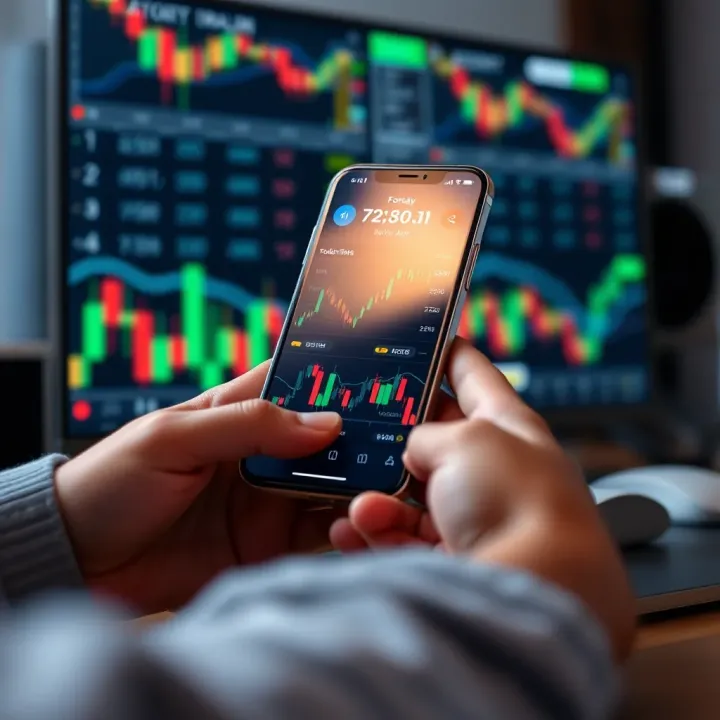
📱 Discover the best forex trading apps in Pakistan! Learn key features, compare top platforms, and understand security & regulations for confident trading. 🇵🇰
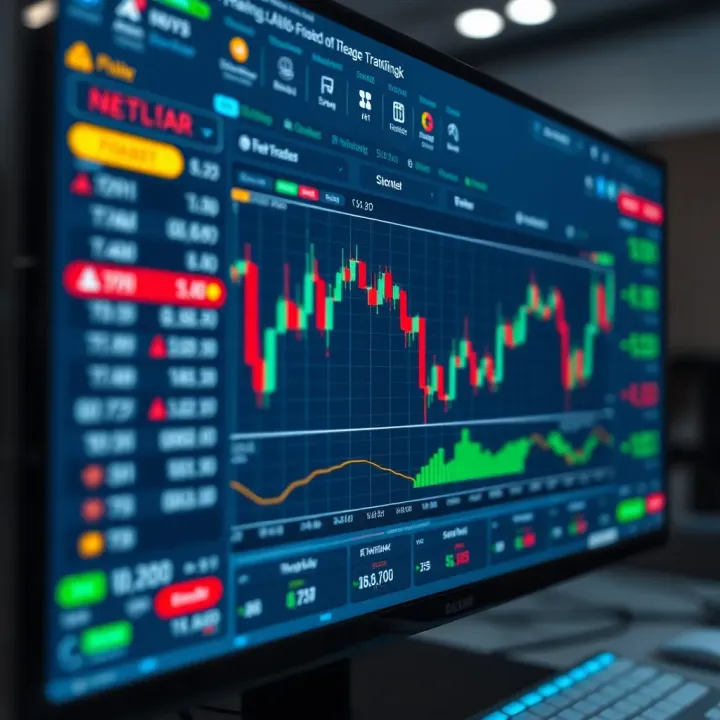
Looking for the best forex trading platform in Pakistan? Discover key features, security, costs, tools, and support to pick the right fit for you 📈💼
Based on 11 reviews