
Choosing the Best Trading App for Investors in Pakistan
🔍 Find the best trading app for Pakistan investors! Explore features, fees, security & more to trade confidently and smoothly in the local market. 📱🇵🇰
Edited By
Isabella Reed
For Pakistani investors stepping into the foreign exchange (forex) market, having the right knowledge is vital. Forex trading can be volatile and complex, especially when navigating the influence of global currencies on the Pakistani rupee (PKR). Reading carefully chosen books helps traders build a strong foundation in market behaviour, trading tactics, and risk management.
Unlike local equity markets, forex operates 24 hours and involves diverse factors like geopolitical events, economic indicators, and central bank policies. To trade successfully, you must grasp these elements and stay disciplined under pressure.

This initial section outlines why investing time in forex literature pays off. It’s not just about theory; good books offer proven strategies, real-world case studies, and insights into trader psychology. This knowledge helps avoid common pitfalls such as emotional decision-making or poor money management.
Understanding how currencies like the US dollar, euro, or Chinese yuan interact with the rupee can protect your investments and improve trading returns.
Remember, the forex market can be daunting at first, but step-by-step learning through these essential books will give you the tools needed to trade confidently and responsibly. Reading is the first step to expanding your comfort zone and mastering forex trading nuances.
Understanding forex trading through well-selected books provides a solid base for anyone aiming to enter or excel in the currency markets. In Pakistan, where forex is a growing interest among investors and traders alike, literature on forex trading tailors crucial insights that go beyond basic knowledge, equipping readers with practical skills to handle local and international market fluctuations.
Books help break down fundamental concepts such as how currency pairs work, factors influencing exchange rates, and the role of major players like central banks, including the State Bank of Pakistan. For example, knowing how Pakistan’s remittance inflows can affect the rupee's value sharpens a trader’s ability to anticipate market moves confidently.
Trading pitfalls like over-leveraging and emotional decision-making are often overlooked in quick online tutorials. Books provide scenarios and case studies that reveal these traps and offer tested strategies to keep losses in check. Such knowledge is crucial for Pakistani traders who deal with volatile economic events or surprise policy shifts.
A comprehensive understanding creates a blueprint for consistent decision-making rather than impulsive trades. Beginner traders can learn how to plan entries, manage exits, and reflect on trading outcomes systematically through examples found in dedicated forex literature.
Unlike scattered blog posts and short videos, books present information in a logical sequence — starting from basic principles to more complex strategies. This structure helps Pakistani investors, who might juggle learning with their daily jobs, to build knowledge step by step without missing essentials.
Books often delve deeply into trader behaviour, an area overlooked in many online sources focusing only on technical analysis. Understanding emotions like fear and greed and learning discipline can turn a struggling trader into a successful one over time.
Social media and forums can be noisy with unverified tips and get-rich-quick schemes. Published books, especially those recommended by experienced traders and analysts, serve as trustworthy guides. For Pakistani readers, this means fewer distractions and less risk of falling prey to scams or misleading advice.
Starting with quality books lays a roadmap for mastering forex trading and helps Pakistani investors navigate this complex market with confidence and clarity.
Understanding the basics is essential for anyone stepping into forex trading. Fundamental books guide beginners through core concepts, helping them grasp what drives currency markets. This foundation prevents costly errors caused by misinformation or guesswork, especially in the sometimes volatile forex arena.
Forex trading involves currencies from various countries traded globally every day. Knowing who the main players are—such as central banks like the State Bank of Pakistan, commercial banks, brokers, corporations, and individual traders—helps beginners see how market dynamics work. For example, when the SBP adjusts policy rates, it often influences PKR’s strength against the US dollar.
Terms like "pip", "spread", "leverage", and "lot size" might seem alien at first but form the backbone of forex conversations. Early mastery of such terminology enables smoother learning of strategies and clearer communication with brokers. For instance, understanding leverage helps traders avoid risking more than they can afford, a common problem in Pakistan’s growing forex community.
Forex is a 24-hour market that never really sleeps, spanning major financial hubs like London, New York, and Tokyo. Pakistan’s forex trading interacts mainly with USD, EUR, and regional currencies such as the Indian rupee or Chinese yuan. Recognising these global and regional connections helps investors time their trades better and understand PKR’s exchange rate trends influenced by international events.
Books tailored with simple language and examples relevant to Pakistani readers bridge the gap between global forex theory and local practice. They often address topics like trading amid Pakistan’s political shifts or managing forex through local brokerage platforms. Such directly applicable knowledge makes trading less intimidating.
Preserving capital is a principle stressed in reliable forex books. Essential readings elaborate on techniques such as setting stop-loss orders or avoiding emotional trading, which can protect traders from sudden market swings. These lessons prove vital in Pakistan where economic news or political developments can cause rapid currency moves.
Beginners benefit from books that include real case studies or step-by-step guides. For example, some titles walk readers through opening accounts with Karachi or Lahore-based brokers, executing their first trades, and calculating profits or losses in PKR. This hands-on approach makes learning concrete and builds trader confidence.
Starting with fundamental books lays a solid groundwork. They not only explain technical terms but also blend global forex principles with Pakistan-specific realities, arming new traders with knowledge that matters most.
In sum, these beginner-friendly books form the first stop on any Pakistani investor’s learning path to forex trading. By focusing on basics, risk management, and practical examples, they prepare traders for a more informed and confident entry into currency markets.
Advanced trading strategies are key for Pakistani investors who want to move beyond basics and succeed in volatile forex markets. Books in this category help deepen your understanding of the technical and fundamental aspects that drive currency movements. They provide actionable methods for spotting trends, timing entry and exit points, and interpreting economic signals. This knowledge translates into better decisions and improved risk management.
Understanding candlestick patterns and indicators is a prime skill taught in advanced forex books. Candlestick charts reflect market sentiment through simple shapes and colours, revealing patterns like "doji," "hammer," or "engulfing" formations. Recognising these can signal potential reversals or continuations, helping traders predict short-term price movements. Indicators such as the relative strength index (RSI) or moving averages add layers of analysis to confirm trends or warn of exhaustion. For example, a bearish engulfing candlestick near resistance levels combined with an overbought RSI alerts traders to possible downward moves.
Using charts for entry and exit timing is crucial for maximising profits and minimising losses. Many books demonstrate how to interpret support and resistance zones, trendlines, and chart patterns such as flags or triangles to identify optimal timing. For instance, a trader spotting a breakout above a resistance line with strong volume may enter a buy position early. Similarly, recognising exhaustion patterns helps decide when to close positions. This tactical timing prevents holding on during adverse moves, protecting your capital in uncertain PKR/USD trading scenarios.
Popular technical tools for forex discussed in these books include Fibonacci retracements, Bollinger Bands, and MACD (moving average convergence divergence). These tools help pinpoint entry points, confirm trends, or spot volatility expansions. Pakistani traders often combine these to suit local market behaviour. For example, Fibonacci levels can identify pullback areas during likely correction phases, while Bollinger Bands highlight volatile periods, advising cautious trading during economic announcements or political events affecting the rupee.
Role of central banks, including the State Bank of Pakistan (SBP), is a subject advanced books clarify. Central banks influence forex markets through interest rate decisions, monetary policy, and currency interventions. Understanding SBP's rate adjustments or open market operations gives traders clues about future PKR movement. Books explain how signalling from SBP meetings or policy statements affects forex volatility and helps interpret policy direction beyond news headlines.
Impact of economic data on currency valuation is another area these books cover comprehensively. Economic reports like GDP growth, inflation rate, trade balance, and remittance inflows significantly shape Pakistan’s currency value. For instance, a stronger-than-expected remittance report usually supports the rupee due to increased dollar supply. Learning to anticipate market reaction to these data releases sharpens your trading edge, allowing you to position ahead or manage risks.
Combining fundamentals with technical for trading decisions is a sophisticated yet practical approach that many advanced forex books recommend. While technical analysis addresses "when" to trade, fundamental analysis answers "why" the currency moves. Merging both helps confirm signals and avoid false moves. For example, if technical charts show a bullish breakout but fundamentals suggest weakening economic indicators, cautious position sizing or avoiding trades becomes prudent. This balanced method hones discipline and aligns strategies with real market forces, especially amidst Pakistan’s complex economic landscape.
Advanced forex books empower traders with tools and insights to confidently navigate both chart patterns and economic realities. Practising these approaches will strengthen your trading game for Pakistani forex markets and beyond.
Risk management and trading psychology form the backbone of a successful forex trading career. Understanding how to protect your capital and control emotions can mean the difference between steady profits and substantial losses. Books on this subject help traders develop practical techniques to manage risks while maintaining a disciplined mindset crucial for long-term success.
Position sizing techniques are central to managing capital effectively. Instead of risking a fixed amount blindly, position size adjusts the trade volume based on the account balance and risk tolerance. For example, a trader with Rs 500,000 who decides to risk 1% per trade will size their positions according to stop loss distance and currency volatility. This approach prevents large drawdowns and keeps losses manageable in volatile markets, especially relevant given the PKR's occasional swings.
Using stop losses effectively is a practical method to limit potential losses. A stop loss order automatically closes a trade once the market moves against you by a predefined amount. Proper placement is key: setting stops too tight leads to frequent premature exits, while too loose can increase losses. Learning from books on forex risk teaches traders how to balance stop loss levels with support and resistance, improving risk-reward outcomes.
Avoiding overtrading and emotional mistakes is vital to preserving capital. The excitement of consecutive wins or the urge to 'win back' losses can push traders into excessive trades, increasing exposure unnecessarily. Literature in forex psychology warns about these common traps, advocating scheduled breaks and strict trade limits. For instance, keeping a trade journal as advised in many books helps identify patterns of emotional decision-making and fosters better control.
Common psychological traps include fear, greed, and confirmation bias, which cloud rational trading decisions. Traders often hold losing positions out of hope or cut winners too early, reflecting human behaviour rather than market logic. Recognising these pitfalls through literature enables Pakistani traders—who may face extra stress factors like political events and loadshedding—to maintain objectivity.
Discipline and consistency offer a foundation for sustainable trading. Regularly following a trading plan, sticking to risk limits, and avoiding impulsive decisions build resilience over time. Books emphasise that successful traders treat forex like a business with set routines and accountability, not gambling. This mindset helps navigate market ups and downs calmly.
Several trading psychology books focus on mindset and behavioural finance to deepen understanding of emotional influences. Titles by authors like Brett Steenbarger or Mark Douglas explore how to cultivate patience, confidence, and adaptability. These lessons resonate in Pakistan’s unique environment, where economic unpredictability makes emotional stability in trading especially important.
Managing risk and mastering your mindset are not optional—they are fundamental skills that separate successful forex traders from the rest.
By integrating risk management strategies and psychological insights from reliable books, Pakistani investors can trade more confidently and protect their hard-earned capital against the unpredictable forex markets.
Trading forex in Pakistan requires a good understanding of local market conditions alongside global trends. Book knowledge is valuable, but applying it in the Pakistani context means recognising specific factors like rupee policies, remittance flows, and political events that impact currency movements. This awareness helps traders make better decisions and avoid surprises.
The Pakistani rupee's value is heavily influenced by the State Bank of Pakistan’s exchange rate policies and intervention in the currency market. Traders need to keep an eye on changes like adjustments in the official exchange rate or foreign exchange reserves fluctuations. For example, during times when the SBP tightens currency supply to defend the rupee, forex traders might see sharp swings in PKR pairs.
Fluctuations are also affected by import-export balances and government borrowing, making local macroeconomic data crucial for understanding market direction. Applying book knowledge means adapting strategies to these unique conditions rather than relying solely on global currency trends.
Remittances from Pakistanis working abroad contribute significantly to the country’s foreign currency reserves. Around $30 billion reaches Pakistan annually, supporting the rupee’s stability. These inflows can create short-term currency strength, especially around Eid or major holidays when remittances peak.
Foreign direct investment and portfolio inflows also affect forex rates. Traders should consider these flows when analysing volume and volatility. Understanding their seasonality and impact helps forecast potential currency movements better than relying purely on textbook technical analysis.
Loadshedding, or scheduled power outages, frequently disrupt Pakistan’s economy and business activity. For forex traders, such interruptions may slow down order executions or delay reactions to market news, affecting intraday trading.
Political instability and decisions—like those around IMF agreements or election outcomes—also cause sudden currency shifts. Books on forex emphasize risk management, which Pakistani traders must especially heed during such events. Monitoring local news alongside global data is essential to avoid surprises.
Pakistani investors should select brokers regulated by the Securities and Exchange Commission of Pakistan (SECP) or those officially registered with the State Bank of Pakistan. Local brokers understand the nuances of Pakistan’s forex market, including compliance with foreign exchange laws.
Such brokers can also guide traders on deposit and withdrawal procedures in PKR or USD, which is crucial given foreign exchange controls. Applying book concepts about order execution and spreads gains depth when experienced on familiar local platforms.
Forex trading profits are taxable under Pakistan's income tax laws, and traders must file returns with the Federal Board of Revenue (FBR) to remain compliant. Books on risk management may not highlight tax nuances but Pakistani traders should be aware of documentation needed to report earnings.
Filing online through FBR’s e-filing portal simplifies compliance, making it easier to declare forex income honestly. Ignoring tax responsibilities can lead to fines or legal trouble, so integrating knowledge about tax laws is as important as learning trading techniques.
Digital wallets like JazzCash and Easypaisa have grown popular for transferring and receiving funds in Pakistan. While direct forex trading is usually through brokers, these apps facilitate smooth deposits, withdrawals, and remittances related to trading accounts.
Understanding how to use these platforms efficiently saves time and effort. For example, instant fund transfers help traders respond promptly to market opportunities. Applying book knowledge about managing capital gets practical with such convenient tools easily available in Pakistan.
Knowing how global forex principles intersect with Pakistan’s local market realities can transform a good trader into a great one. This section bridges that gap by tying essential book concepts with practical Pakistani scenarios.
🔍 Find the best trading app for Pakistan investors! Explore features, fees, security & more to trade confidently and smoothly in the local market. 📱🇵🇰
Find the best forex trading platform in Pakistan 🇵🇰 with our clear guide! Compare brokers, explore key features, and trade confidently today 📈💼
Looking for the best forex trading app in Pakistan? Discover top choices, security tips, and how to trade safely for a reliable experience 📈🇵🇰
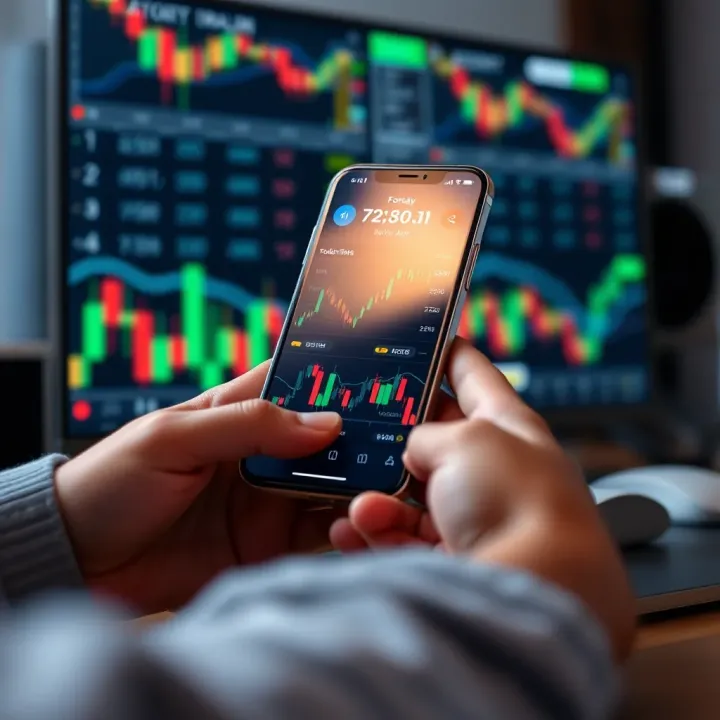
📱 Discover the best forex trading apps in Pakistan! Learn key features, compare top platforms, and understand security & regulations for confident trading. 🇵🇰
Based on 15 reviews