
Choosing the Best Trading App in Pakistan
Looking for the best trading app in Pakistan? 📱 Explore top features, security tips, and compare popular apps to fit your trading style and experience level.
Edited By
James Thornton
Forex trading has gained significant attention among Pakistani investors, especially with increasing access to digital platforms like ForexTime (FXTM), XM, and IC Markets. However, trading real money without proper practice can lead to unnecessary losses, especially for beginners unfamiliar with market dynamics and trading platforms. This is where forex trading demo accounts come in.
A forex demo account is a practice trading account that allows traders to buy and sell currencies using virtual money. These accounts simulate real market conditions, reflecting live price changes, spreads, and order execution, but without risking actual capital. For Pakistani traders, this means learning the ropes without facing financial damage during the early stages.

Forex demo accounts are essential training grounds, providing a risk-free environment to understand technical tools, trade strategies, and the psychology of the forex market.
Typically provided by online brokers, demo accounts offer access to nearly all features found in live accounts, such as charting tools, indicators, and order placement options. For example, a trader in Lahore can experiment with trading pairs like USD/PKR or EUR/USD using a demo account before deciding to use real money.
Using a demo account also lets you test different trading strategies, such as scalping during volatile hours or swing trading over several days, without fear of losing your capital. This is particularly valuable for Pakistani traders facing challenges like rupee fluctuations, geopolitical impacts, or local regulations.
In short, demo accounts:
Help understand how forex platforms function
Build confidence in placing and managing trades
Allow testing of different trading tools and indicators
Enable evaluation of broker services and execution speeds
By spending adequate time on a demo account, Pakistani traders can approach real trading with more clarity and less emotional stress. It’s a practical first step that should not be overlooked for anyone serious about entering the forex market.
In the following sections, we will explore the key features, best use practices, limitations, and how demo accounts fit into your overall forex strategy.
A forex demo account is a practice trading account that allows you to buy and sell currencies using virtual money. Its main purpose is to give traders, especially beginners in Pakistan, a safe way to understand the forex market without risking real cash. For example, a novice trader can try placing a trade on USD/PKR using a demo account and see how their decision plays out without losing any Rs. This hands-on experience helps build familiarity with trading software and market behaviour.
Demo accounts differ from live trading accounts primarily because no actual money changes hands. While live accounts expose you to real profits and losses, demo accounts only simulate the trading environment. This means the emotional impact is lower, and some execution factors like slippage or delayed orders may not appear exactly as in live conditions. However, demo accounts still mirror market prices closely, so they remain an excellent tool for practising.
Several well-known platforms offer demo accounts that Pakistan-based traders commonly use. MetaTrader 4 (MT4) and MetaTrader 5 (MT5) are the most popular among local brokers, providing access to multiple currency pairs and powerful charting tools. Brokers like Forex.com.pk, XM, and Alpari also provide free demo accounts, allowing traders to explore trading in a risk-free setting before committing real capital.
Demo trading helps beginners learn market mechanics without the pressure of losing money. For instance, a new trader can experiment with buying EUR/USD at different times of the day to understand how price moves, trends, and spreads work. This approach removes the fear factor that often leads inexperienced traders to rush or make poor decisions.
Confidence and consistent trading habits develop through regular practice. When you trade with virtual funds, you learn how to follow your plan and stick to entry and exit points. It’s like learning to drive on an empty road before hitting busy streets. Over time, demo trading helps shape disciplined behaviour that’s necessary for success in live markets.
Testing different strategies is another key advantage of demo accounts. You might try scalping during volatile market hours or a long-term swing trade approach to see what suits your style and risk tolerance. For example, a Pakistani trader curious about trading GBP/JPY can use the demo to find out whether the pair’s volatility matches their comfort level. This experimentation sharpens your skills without the downside of financial loss.
Starting with a demo account is a practical step that builds knowledge and confidence, making it easier to transition to live forex trading with real money.
In sum, forex demo accounts provide a necessary foundation for Pakistani traders. They combine education, practice, and strategy testing in one risk-free platform, which helps reduce costly mistakes when you decide to trade live.
Forex demo accounts come packed with features that mirror real trading environments, giving Pakistani traders a realistic platform to hone their skills. These accounts simulate market settings using real-time data and offer essential analytical tools, which makes them invaluable for practising trading strategies before risking real capital.
Real-time price feeds keep demo accounts ticking close to live market conditions. Traders see the actual price movements of currency pairs almost as they happen in the live market. For example, if the US dollar strengthens against the Pakistani rupee due to economic news, this change reflects instantly, allowing you to respond as you would in a real account.
Order execution and spreads in demo accounts replicate the timings and costs you face in live trading. The spread—the difference between buying and selling prices—is mimicked so that traders can understand transaction costs. However, some platforms may offer faster or slower order execution in demo mode. Still, practising with realistic spreads helps traders of all levels gauge profitability accurately.
Access to various currency pairs means you aren’t limited to just USD/PKR. Demo accounts allow exploration of majors like EUR/USD or GBP/USD, as well as exotic pairs such as USD/TRY. This diversity lets you test how different markets behave without financial risk, making it easier to find pairs that suit your trading style.
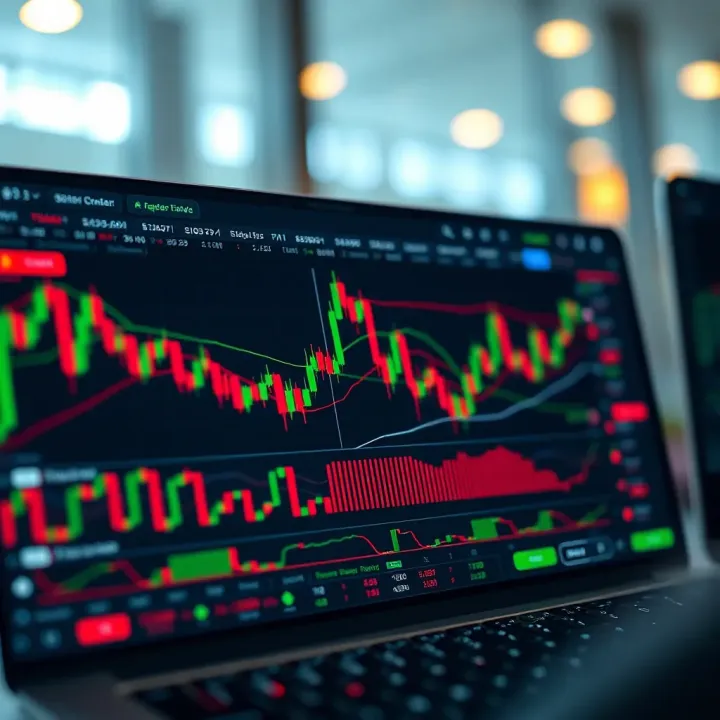
Charts and technical indicators are core tools available in demo accounts. You can apply trend lines, moving averages, RSI, and MACD indicators on price charts to read market signals. Pakistani traders often use these tools to spot potential entry and exit points. Practising chart analysis in demo mode builds your ability to make informed decisions when real money is on the line.
Risk management features like stop-loss and take-profit orders are vital for protecting capital. Demo accounts let you set these orders in your trades to automatically close positions once a specified loss or gain is reached. Practising these helps build discipline—so you don’t get carried away during live trading and lose more than you can afford.
Economic calendars and news feeds integrated into demo platforms give updates on key events such as Pakistan’s SBP announcements, US non-farm payrolls, or Brexit developments. Keeping an eye on these helps traders anticipate volatility and adjust strategies accordingly. For example, you might avoid trading during major announcements or prepare to take advantage of expected price swings.
Using demo accounts that include realistic market feeds and professional tools makes all the difference for Pakistani traders aiming to build skills without risking Rupees. It’s a safe space to learn, plan, and polish strategies ahead of live market exposure.
Using a forex demo account is a great way for Pakistani traders to learn without risking real money. However, just having access to a demo account is not enough. Applying clear strategies when practising can turn that experience into real trading skills. These strategies focus on setting practical goals, managing risks, and treating the demo account seriously like a live one.
Treating the demo like real money is key to building disciplined trading habits. It's easy to trade carelessly when there is no actual money at stake, but this mindset leads to bad habits. Pakistani traders should behave as if their demo balance is actual capital. For example, if you have Rs 500,000 in demo funds, don’t place overly large or reckless trades just because it’s not real. This approach helps simulate the pressure and decision-making needed in live markets.
Tracking progress and performance is another important step. Keep a trading journal to note each trade’s entry, exit, and reason behind the decision. This journal acts like a mirror, helping you identify which strategies work and which need improvement. A simple spreadsheet or even notes on your mobile phone work well for this task. Over time, you'll see patterns in your trades—such as repeated mistakes in certain currency pairs or timeframes—that you can address before moving to real trading.
Avoiding emotional detachment can be challenging but is crucial. Some demo traders don’t care about losses in practise, which differs greatly from live trading where every rupee counts. To bridge this gap, try setting strict rules in demo trading that mimic your risk tolerance, such as never risking more than 1% per trade. Simulating emotions like fear and greed—even though no real money is involved—helps develop emotional control required in live forex trading.
Using stop-loss orders correctly protects your investments from bigger losses. Most demo platforms allow setting stop-loss and take-profit orders—use them diligently every time. For example, you might set a stop-loss at 50 pips below your entry price in USD/PKR trade to limit losses in case the market moves against you. Practising this discipline in demo trading ensures you build the habit of preventing catastrophic losses on live accounts.
Balancing trade size and leverage is essential to avoid overexposure. Leverage, while attractive, can amplify losses quickly. Demo accounts let you experiment with leverage settings safely. Try placing small trades with low leverage initially, like 1:10 or 1:20, before increasing it. This approach teaches you how leverage affects your margin and potential risk without wiping out your real money.
Understanding margin calls and margin requirements helps prepare you for live trading realities in Pakistan’s forex market. Demo accounts show you how much margin your current trades consume and what happens if your balance falls below required levels. By experiencing margin calls in a demo setting, you'll grasp the importance of maintaining sufficient margin and avoiding margin call situations that Pakistan-based brokers warn about.
Practising these strategies in your demo account creates a strong foundation. When the time comes to trade live, you’ll have realistic experience and effective risk controls in place.
Applying these practical strategies turns your demo account into a training ground, sharpening your skills with every trade. Remember, the goal is to bridge the gap between theory and real-world trading, avoiding mistakes that many newcomers make when they skip proper demo practice.
Forex trading demo accounts give beginners in Pakistan a safe environment to practise without risking real money. However, it's crucial to understand their limitations so you don't develop false expectations or habits that won't work in live markets.
One main difference between demo and real accounts is the absence of actual money at stake. Without the risk of losing your own cash, it's easy to ignore the emotional weight that real trades bring. For example, a trader might take bigger risks or hold losing positions longer on demo, knowing there are no real consequences.
This lack of financial pressure affects decision-making significantly. When transitioning to a live account, many new traders find the stress of risking their own PKR changes how they react. It's why starting with demo is good for learning, but it won't fully prepare you for how emotions affect live trading.
Demo trading can lead to overconfidence if you forget that real money is not involved. Some traders might try unrealistic strategies or increase position sizes recklessly because losses on a demo don't hurt the pocket.
This behaviour can form bad habits that become costly when moving to real trading. For instance, a trader might ignore stop-loss rules or trade too frequently on demo, only to face sharp losses on a live account due to real market volatility.
Stress is a big factor in live forex trading. Pressure from market swings, margin calls, or limited capital forces traders to think carefully before each move. Demo accounts can't replicate this tension.
Pakistani traders often find the jump to managing both stress and quick decisions surprisingly hard after practising on demo platforms. It's essential to prepare for emotional discipline alongside technical skills before risking real money.
Demo accounts are designed to simulate market conditions, but order execution speed often differs from live trading. Execution on demo tends to be instant or near-instant, while live trading can experience delays, especially during high volatility.
These differences mean your demo experience may give a false sense of how quickly trades fill. When actual market conditions move fast, a delay of even a second can change the price at which your order executes, affecting profitability.
Slippage refers to the difference between the expected price of a trade and the price at which it actually executes. Demo accounts rarely show slippage or requotes because they simulate ideal trading environments.
In real trading, especially during volatile sessions like the release of Pakistan’s economic data or global events, slippage may occur frequently. A trade you planned at Rs 285 could execute at Rs 286 due to rapid price changes, altering your profit or loss expectations.
While demo accounts use real-time data, they lack some unpredictable market quirks such as sudden spikes or gaps caused by news or events. This means you won’t fully experience conditions like rapid price reversals or flash crashes.
Traders in Pakistan, for example, need to be ready for volatility during announcements of monetary policy by the State Bank of Pakistan or geopolitical developments affecting the PKR. Practice on demo won't build experience in handling such wild swings.
Understanding these psychological and technical differences helps you treat demo trading as a learning tool rather than a perfect replica of live forex trading. Keep these limitations in mind to better prepare for the realities of the Pakistani forex market.
Demo trading is an important step, but it should not be isolated from your broader forex strategy. For Pakistani traders, blending demo experience with live trading plans helps turn theory into practice while managing real risks. Integrating demo accounts allows you to test strategies under relaxed conditions before moving to live markets.
Knowing when to switch from demo to real money trading is key. Generally, once you consistently make profits on a demo account over a few weeks without emotional swings, you should consider starting live trades. Demo results can be misleading if you trade carelessly, so ensure you treat the demo as if real money is at stake first. This helps build discipline.
Managing capital is crucial in live trading. Start small, risking only a small percentage of your total capital per trade—like 1 to 2 per cent. This approach protects your balance and keeps losses manageable. Position sizing should reflect your risk appetite and leverage limits to avoid margin calls, especially given the volatility typical in forex.
Learning does not end when you move to a live account. Continue using the demo to test new strategies or market conditions without risking capital. Comparing results from both accounts helps identify gaps in execution and psychology between simulated and real trading.
Select brokers regulated by trustworthy authorities, preferably with compliance to internationally recognised bodies. Regulation reduces risks of fraud and ensures better trade execution standards. Pakistani traders should look for brokers compliant with Pakistan’s State Bank and Securities and Exchange Commission wherever applicable.
Ease of depositing funds is another important factor. Brokers offering local payment methods like JazzCash, Easypaisa, or bank transfers simplify investing. Quick and affordable deposits limit delays and extra charges, which are common hurdles for many Pakistani traders.
Finally, reliable customer support in Urdu or English and easy-to-use trading platforms can save you headaches. Responsive live chat or phone support ensures your trading issues or technical glitches get resolved quickly. A platform with clear charts, fast order execution, and mobile support makes trading smoother, especially during volatile hours affected by local factors like loadshedding.
Using demo accounts within a clear trading plan and picking the right local-friendly broker can make the difference between casual losing and professional trading success.
Looking for the best trading app in Pakistan? 📱 Explore top features, security tips, and compare popular apps to fit your trading style and experience level.
Looking for the best forex trading platform in Pakistan? Discover key features, security, costs, tools, and support to pick the right fit for you 📈💼
Find the best forex trading platform in Pakistan 🇵🇰 with our clear guide! Compare brokers, explore key features, and trade confidently today 📈💼
Looking for the best forex trading app in Pakistan? Discover top choices, security tips, and how to trade safely for a reliable experience 📈🇵🇰
Based on 7 reviews