

Choosing the Best Trading App in Pakistan
Looking for the best trading app in Pakistan? 📱 Explore top features, security tips, and compare popular apps to fit your trading style and experience level.
Edited By
Emily Carter
Forex trading, known simply as currency trading, has grown popular among Pakistani investors looking to engage in global markets. However, many traders wonder if forex trading is halal (permissible) or haram (forbidden) under Islamic law. This question matters because Pakistan's majority Muslim population seeks guidance on financial dealings that conform to Shariah principles.
Islamic finance prohibits certain elements like riba (interest), gharar (excessive uncertainty), and unproductive speculation. These factors strongly influence whether trading activities are allowed or not. Since forex involves buying and selling different currencies often with leverage and overnight positions, it raises concerns about these forbidden practices.
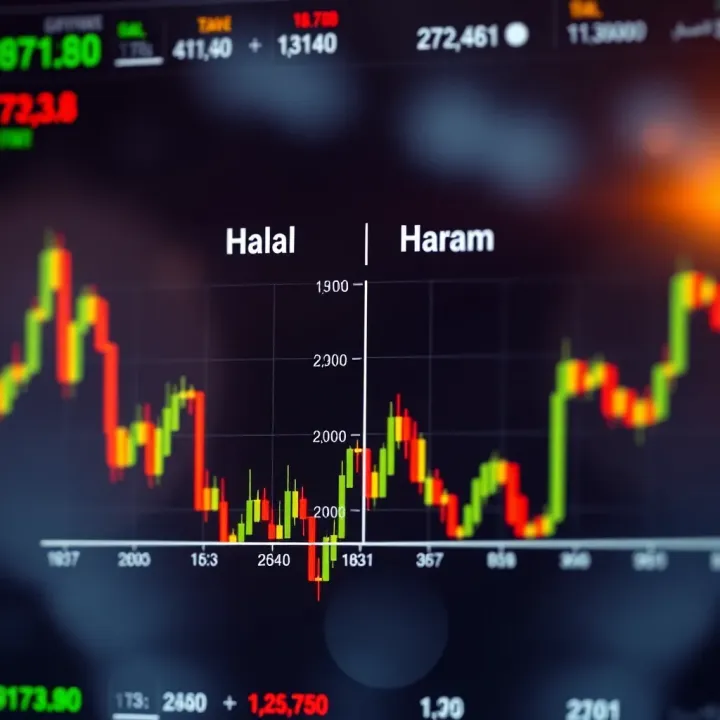
Understanding the Shariah perspective on forex trading requires looking at:
The principles of halal trading: Transactions must be free of interest and must involve actual exchange without delay.
Common concerns in forex: Interest charges on leveraged trades, and high uncertainty or speculative behaviour.
Scholarly views: Some scholars permit forex trading under strict conditions, while others advise caution or outright prohibition.
For example, trading currencies in a spot market, where transactions happen immediately and without any deferred payment, is generally more acceptable. However, using margin accounts that charge overnight interest (swap or rollover fees) often leads to riba, making such trades impermissible.
It's also important to note that Islamic financial institutions offer Shariah-compliant forex accounts, which avoid interest and excessive speculation, providing a more suitable option for Muslim traders.
The key to halal forex trading lies in transparency, immediate delivery, and avoiding interest-based transactions—while approaching trading as a genuine exchange, not mere speculation.
This guide will help Pakistani traders understand these principles, navigate different scholarly opinions, and learn practical tips to trade forex within Islamic bounds. It aims to combine Islamic teachings with modern financial realities to support informed, faith-conscious investment decisions.
Understanding forex trading is the first step for anyone curious about this financial activity, especially for Pakistani traders trying to balance profit with Islamic principles. Forex, or foreign exchange, is where currencies are bought and sold against each other. This happens all over the world every day, with trillion-dollar volumes traded daily. Knowing how this market operates helps you make informed decisions rather than relying on hearsay or incomplete information.
The forex market functions as a global network where currencies are exchanged in pairs, like USD/PKR or EUR/USD. Unlike stock markets, forex operates 24 hours on weekdays, which means traders can engage anytime suitable. This continuous operation allows flexibility, especially for investors who juggle trading with other responsibilities.
Currencies have value relative to one another, depending on economic factors, geopolitical events, and market sentiments. For example, if the US dollar strengthens against the Pakistani rupee, it means you need more PKR to buy one USD. This fluctuation creates chances to profit by buying at lower rates and selling at higher ones or vice versa.
Currency pairs work by quoting one currency against another. The first currency in the pair is called the base currency, while the second is the quote currency. Suppose you see the EUR/USD at 1.10; it means 1 euro costs 1.10 US dollars. When you 'buy' this pair, you expect the euro to gain strength versus the dollar. This mechanism is the core of forex trading, where accurate knowledge of pairs is vital.
Brokers act as middlemen who provide the platform and tools for trading. They connect you to the larger forex market and offer leverage, meaning you can control a larger amount of money than you physically invest. For instance, a 1:100 leverage lets you trade Rs 100,000 by only putting up Rs 1,000. However, leverage increases both profit potential and risk, so it has to be used carefully.
Thanks to online platforms like MetaTrader and brokers available in Pakistan, anyone with a decent internet connection can start forex trading from home with a small initial deposit. This accessibility is a huge factor injecting excitement into the market for local traders. No need to physically be at a stock exchange or bank, everything is done via the computer or mobile.
Pakistani investors often face limited options for earning good returns domestically. The stock market can be volatile, real estate takes huge capital, and traditional savings offer low profit. Forex provides a way to trade smaller amounts with the chance of better returns by capitalising on currency movements. Nonetheless, it's important to remember profits are not guaranteed.
Compared to other local investments, forex trading offers higher liquidity—meaning you can enter and exit trades quickly without waiting for a buyer. This differs from properties or fixed deposits which lock your money for long periods. That said, forex trading requires learning and discipline due to its risks and unique market challenges.
Knowing these basics is essential before deciding if forex trading fits your financial goals and religious values, especially when evaluating what sits within halal boundaries and what risks you are willing to take.
Islamic finance rests on certain clear principles that ensure economic activities remain just and ethical. For a Muslim trader in Pakistan, understanding these principles is key before entering the forex market. The ideas of riba (interest), gharar (excessive uncertainty), and fairness guide whether currency trading aligns with Shariah. These principles aim to protect traders from unfair exploitation and risky speculation.
Riba means any guaranteed or fixed increase over and above the principal amount, essentially interest. Islamic finance strictly forbids riba because it promotes exploitation and unearned profit. For Muslim forex traders, this raises concern over the interest charged or earned on trades, such as overnight swap fees or leveraged positions that generate interest costs.
In practical terms, many brokers charge rollover or swap fees when a position stays open beyond a trading day. This is considered riba and thus impermissible. Traders must either avoid holding positions overnight or opt for swap-free (Islamic) accounts, which remove these interest charges while maintaining trading activities. Recognising and steering clear of riba helps traders keep their forex dealings halal.
Gharar refers to high uncertainty and ambiguity in transactions. Islamic teachings discourage business dealings where one party faces excessive risk without clear terms. Because forex trading involves price fluctuations, it can sometimes border on gharar, especially with frequent speculative trades based on guessing market direction rather than actual currency exchange.
Distinguishing legitimate forex trading from gambling is vital. Trades that involve immediate and real exchange of currencies with clear pricing align better with Islamic contracts. However, takaful-style speculative trading or trying to profit from unpredictable price swings introduces gharar. Traders should focus on asset-backed trades and avoid high-risk speculation to stay within Shariah boundaries.
Fairness in trading means honest dealing without deception or manipulation. In forex, this translates to open and clear contracts where both sides understand the terms, including prices, amounts, and timing. Transparency helps prevent disputes and builds trader trust.
Shariah emphasises contracts be confirmed clearly at the time of agreement to avoid arguments later. This includes immediate settlement or confirmation of the currency swap without delay. Traders should always document and verify deals to ensure they follow Islamic rules, avoiding ambiguous or deferred contracts that can lead to disputes or hidden riba.
Islamic rules on forex trading focus on protecting stakeholders from unfairness, interest, and excessive risk. Knowing these core principles helps Pakistani traders choose trading approaches that respect their faith while navigating a complex market.
By following these core principles — avoiding riba, minimising gharar, and ensuring fairness — Muslim traders can participate in forex with confidence that their activities are halal.
Understanding the views of Islamic scholars on forex trading’s permissibility helps Pakistani traders navigate their decisions with religious clarity. These views address the core concerns around riba (interest), gharar (uncertainty), and ethical trading practices in Islam. This section breaks down the key arguments both supporting and opposing forex trading under Shariah law.
Spot trading with immediate settlement is often cited as halal because it aligns with the Islamic principle that sales must be made with prompt possession or delivery. In spot trading, the exchange of currency happens immediately or within two business days, which scholars say avoids uncertainty and unlawful gain. For example, exchanging US dollars for Pakistani rupees on the spot market at a broker with instant delivery meets this condition.
Trading based on real currencies without interest is another supporting point. If transactions involve actual, tangible currencies and do not carry embedded interest (riba), they can fall within permissible limits. A trader buying GBP against USD with their own money, without borrowing or rollover fees, can meet this requirement. This type of trading is straightforward, free of interest complications.
Presence of a genuine exchange of assets means both parties actually receive the currencies they agree to trade, rather than just speculating on price movements. This prevents trading from becoming mere gambling or bets on price changes. For instance, a trader buying euros and immediately receiving them at spot rate ensures a real swap of assets, which scholars generally accept as halal.
Use of leverage leading to debt and interest is a major concern. Many brokers offer trading with leverage, which means borrowing money to increase position size. This introduces debt and can involve paying swap or rollover fees, which are considered interest (riba) in Islam. Such practices violate Islamic financial principles and make the trades haram.
Practices involving high speculation and gambling are discouraged because these increase gharar (excessive uncertainty) and create outcomes similar to gambling. For example, traders entering highly leveraged positions with little knowledge or trading on rumours rather than real currency exchange engage in speculative behaviour viewed as haram.
Delayed delivery violating Islamic sale conditions also makes forex trading problematic. If the traded currency is not delivered promptly (within spot settlement time), it becomes a contract of debt rather than sale, which is forbidden. Traders holding positions overnight or beyond settlement periods without actual currency exchange fall into this category.
Local fatwas and their reasoning often vary. Some Pakistan-based scholars allow spot forex trading with immediate settlement and no riba, provided no leverage or swap fees are involved. Others caution against online platforms where delayed settlement or leverage is common. Their advice typically encourages caution and adherence to Islamic contract principles.
Variations in interpretation by different Islamic schools stem from differing views on conditions like settlement time and the nature of trading contracts. Hanafi, Shafi’i, and Hanbali schools have nuanced positions, affecting permissibility. Pakistani scholars often weigh in with guidance reflective of these interpretations, considering local market realities.
Practical advice for traders includes choosing swap-free (Islamic) accounts, avoiding leverage, and ensuring transactions occur at spot prices with immediate delivery. Scholars recommend consulting local Islamic finance experts for clarity tailored to one’s trading style and platform.
Pakistani traders should rely on well-grounded scholarly opinions combined with practical measures to keep forex trading within Islamic limits. Understanding these differing views lets one trade confidently and responsibly while respecting Shariah principles.
Pakistan’s Muslim traders often worry about keeping forex trading within Islamic boundaries. This section explains how you can engage in forex trading without compromising Islamic principles. The key is avoiding riba (interest), gharar (uncertainty), and speculative gambling. Following Islamic-compliant methods helps you trade currencies ethically and safely.
Swap-free or Islamic accounts cater specifically to Muslim traders. They eliminate interest charges on overnight positions, which fall under riba and are forbidden in Islam. Many brokers now offer these accounts, allowing you to trade currency pairs without worrying about interest accumulating after 24 hours.
These accounts work by removing swaps or rollovers on held positions each night. Instead, brokers may charge a fixed commission or a small fee that does not resemble interest. This way, traders avoid involvement in riba while maintaining access to the forex market. For example, in Pakistan, brokers like XM and HotForex offer swap-free accounts with clear terms.
However, these accounts have conditions. Some brokers require you to prove your faith, and swap-free accounts may have limitations like higher spreads or restricted trading options. Also, if you hold a position for too long, some fees or restrictions could apply. So, it’s wise to read contract details carefully and only trade with well-regulated brokers recognised in Pakistan.
Spot forex trading involves the immediate exchange of currencies, which aligns closely with Shariah principles. Islam permits trading currencies only when transferred on the spot without delays. This assures a genuine exchange of assets instead of simply speculating on prices.
Ensuring no delay in settlement is fundamental. The transaction should be completed within the same trading session to avoid deferment, which can imply interest or uncertainty. Practically, many brokers facilitate this through real-time platforms that settle trades immediately, fulfilling Islamic requirements.
Confirming genuine currency exchange means you must ensure that what you trade is tangible currency and not merely paper contracts or derivatives without actual delivery. This practice helps prevent gharar and ensures fairness. For instance, Pakistani traders should verify with brokers that their spot trades involve real currency transfer and avoid deals that promise profits without actual exchange.
Trading responsibly is essential to comply with Islamic finance ethics. This means avoiding reckless bets on currency movements or “trading” that resembles gambling. The principles of responsible trading encourage measured analysis, understanding risks, and setting sensible stop-loss limits.
Recognising and managing uncertainty means staying clear of trades with excessive unknowns or unpredictable outcomes that amount to gharar. Tools like technical analysis, market research, and realistic expectations help reduce uncertainty.
Focusing on asset-backed transactions further reinforces compliance. Islamic trading requires that each transaction relates to real economic value rather than fictitious contracts. So, trading actual currencies in spot markets rather than futures or options aligns better with Shariah bylaws.
Pakistan’s Islamic traders benefit by choosing brokers offering swap-free accounts and spot forex trades with immediate delivery. Being cautious about speculation and ensuring genuine currency exchange keeps trading halal.
This approach lets Pakistani traders access forex markets ethically, avoiding debt traps and speculative hazards while supporting their financial goals within Islamic frameworks.
For Pakistani traders, navigating the forex market while respecting Islamic principles is essential to avoid conflict with Shariah law. Practical advice helps bridge the gap between theory and real-world trading, guiding traders to make decisions that align with both financial goals and religious obligations. This section focuses on actionable steps to choose the right brokers, manage risks, and seek proper guidance.
Pakistani traders should prioritise brokers that offer swap-free or Islamic accounts. These accounts avoid interest charges (riba) on overnight positions, a key Islamic finance concern. Brokers must also provide transparent terms regarding spreads and commissions to ensure fairness. Look for clear contract details and real-time currency exchange transactions, avoiding brokers that allow speculative leverage without immediate settlement.
Several international brokers provide Islamic account options accessible to Pakistani users through online platforms. Firms like XM, FXTM, and Pepperstone offer swap-free accounts with clear conditions suitable for Shariah compliance. Local traders should also verify if brokers support PKR accounts or local payment methods such as JazzCash or Easypaisa, which ensures smoother deposits and withdrawals.
Regulation adds a layer of trust. In Pakistan, while the State Bank of Pakistan (SBP) regulates domestic financial services, forex brokers are often licensed overseas. Traders should check if brokers hold licences from recognised authorities like the FCA (UK) or CySEC (Cyprus). This reduces the risk of fraud. Additionally, brokers with transparent disclosure and customer support tailored to Pakistani clients provide better peace of mind.
Traders must define achievable profit goals and maximum acceptable losses before trading to avoid greed and panic decisions. For instance, aiming for a 2–3% return per trade while limiting losses to 1% helps maintain balance. This disciplined approach is in line with Islamic teachings discouraging excessive risk-taking.
Investing time in understanding forex market trends, currency factors, and technical analysis is vital. Relying solely on tips or rumours can lead to speculative behaviour (gharar), which Islam prohibits. Many Pakistani traders benefit from local courses, webinars, and tutorials tailored to Shariah-compliant trading.
Maintaining detailed records of trades, profits, losses, and broker communications promotes honesty and accountability. This practice supports Shariah’s emphasis on transparency and helps during consultations with Islamic scholars or accountants, especially if profits need to be purified from any doubtful income.
Pakistani traders should approach qualified Islamic scholars with expertise in finance and modern trading. Local Islamic centres or online platforms often host webinars or issue fatwas specific to forex trading. Consulting several sources helps in understanding diverse viewpoints and making informed trading choices.
Institutions such as the Islamic Research Academy or university departments specialising in Islamic economics offer structured advice on Shariah-compliant investing. Their input aids traders in aligning forex activities with Islamic ethics and avoiding prohibited elements. Some brokers also collaborate with such bodies to design compliant products.
Practising patience, discipline, and informed decision-making secures not just financial gain but peace of mind for Pakistani Muslim traders in the volatile forex market.
By following these practical tips, Pakistani traders can engage with forex more responsibly, reducing risks and ensuring their trading practices respect Islamic principles.
Looking for the best trading app in Pakistan? 📱 Explore top features, security tips, and compare popular apps to fit your trading style and experience level.
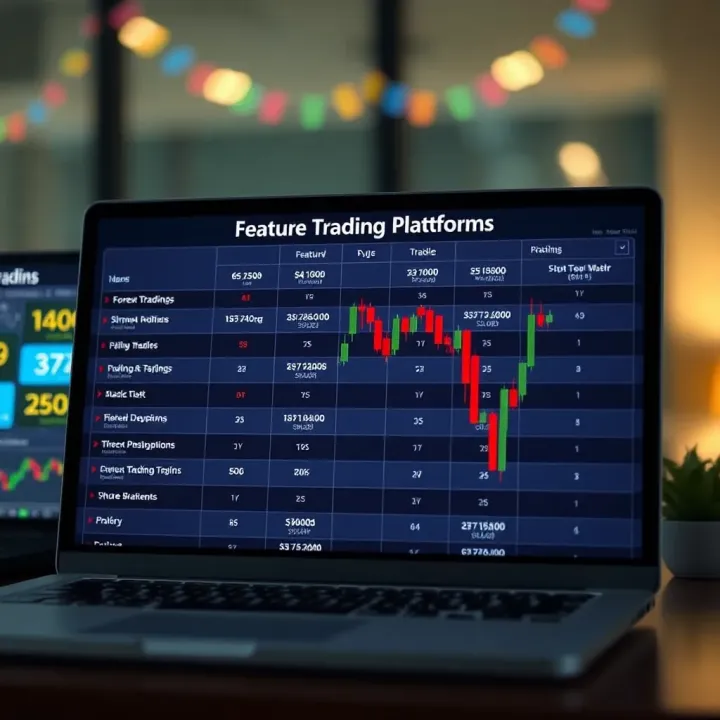
Find the best forex trading platform in Pakistan 🇵🇰 with our clear guide! Compare brokers, explore key features, and trade confidently today 📈💼
Looking for the best forex trading app in Pakistan? Discover top choices, security tips, and how to trade safely for a reliable experience 📈🇵🇰
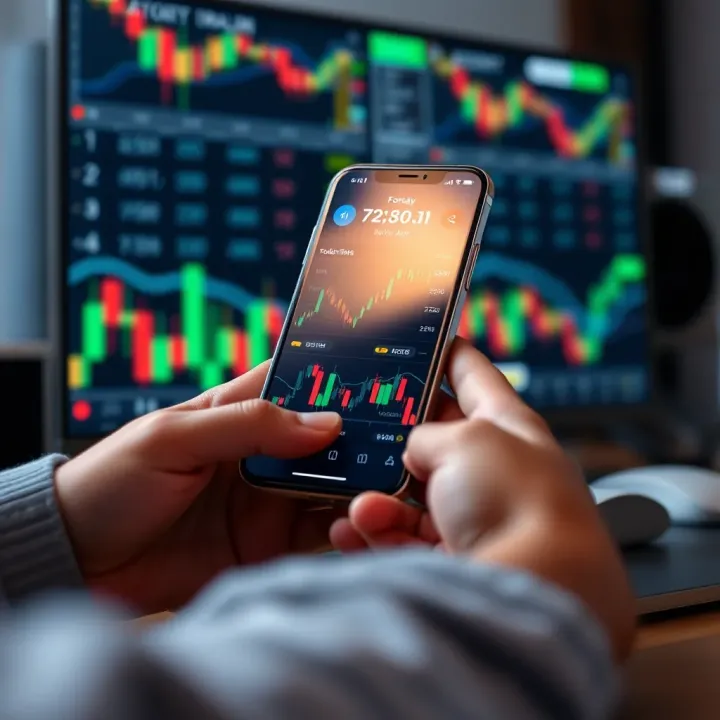
📱 Discover the best forex trading apps in Pakistan! Learn key features, compare top platforms, and understand security & regulations for confident trading. 🇵🇰
Based on 12 reviews