

Choosing the Best Trading App in Pakistan
Looking for the best trading app in Pakistan? 📱 Explore top features, security tips, and compare popular apps to fit your trading style and experience level.
Edited By
Charlotte Davies
Forex trading has become an accessible investment avenue for many Pakistanis. Unlike stock markets, forex offers 24-hour trading opportunities and significant liquidity, but it requires careful understanding of how currency pairs move and how global events influence rates.
In Pakistan, traders mostly access the forex market through online brokers regulated either internationally or locally. Choose platforms supporting PKR deposits and withdrawals to avoid excessive currency conversion costs. Examples include internationally popular brokers like XM and local services that comply with State Bank of Pakistan regulations.
Trading forex involves buying one currency while simultaneously selling another. For example, if you expect the US dollar to strengthen against the Pakistani rupee, you trade USD/PKR pairs accordingly. This process demands timely decisions, given how geopolitical tensions, Pakistan's current account status, or SBP policies can cause swift price swings.
Successful forex trading in Pakistan isn't about guessing—it needs a mix of technical analysis, understanding macroeconomic indicators, and managing risks carefully.
Key strategies Pakistani traders use include:
Technical trading: Using chart patterns and indicators like moving averages or RSI to judge entry and exit points.
Fundamental analysis: Watching economic data, such as inflation reports or interest rate announcements by SBP.
Swing trading: Holding positions from days to weeks to ride market trends.
Risk management is crucial to avoid heavy losses. Limiting exposure to a small percentage of your trading capital per trade, using stop-loss orders properly, and avoiding over-leveraging are common practices.
Finally, keep an eye on regulatory updates from SBP and Pakistan Telecommunication Authority (PTA) regarding forex platforms and international money transfers, as these frequently change and can impact your trading activities.
In short, forex trading in Pakistan offers opportunities but also challenges unique to the country’s economic and regulatory environment. A solid grasp of market mechanics combined with disciplined strategies is key to trading confidently and sustainably.
Grasping the basics of forex trading is essential for anyone who wants to trade currencies effectively, especially in Pakistan where the financial landscape has its own unique challenges and opportunities. Knowing how forex operates helps you make informed decisions, manage risks better, and avoid common pitfalls in this fast-moving market.
The foreign exchange market, or forex, is where currencies from around the world are bought and sold. It’s the largest financial market globally, with a daily turnover exceeding $6 trillion, far bigger than Pakistan’s stock exchange volumes. Forex trading happens 24 hours, five days a week, across different time zones, allowing traders in Karachi, Lahore, or Islamabad to participate whenever they want.
Forex’s practical relevance lies in its role for both businesses and individual traders. For example, Pakistani exporters use forex markets to protect themselves against currency fluctuations, while retail traders seek profits from price changes.
Major currency pairs, like EUR/USD, USD/JPY, and GBP/USD, dominate the forex market. These pairs have high liquidity and tighter spreads, making trading cheaper and smoother. For Pakistani traders, USD/PKR is crucial since the rupee’s value against the greenback directly impacts everyday costs and investment returns.
Currency prices in forex move according to demand and supply factors. If many traders or institutions want the US dollar against the Pakistani rupee, demand rises, pushing the price up. Likewise, if supply exceeds demand, the currency price falls. Factors influencing this include economic reports, political events, and central bank policies.
For example, when the State Bank of Pakistan (SBP) changes interest rates, it can make PKR more attractive or less attractive to investors, causing its value to fluctuate. Understanding these supply-demand dynamics helps traders anticipate possible price movements and plan trades accordingly.
Pips, lots, leverage, and margin form the backbone of forex trading calculations. A pip is the smallest price movement; for most pairs, it’s the fourth decimal place. Trading volumes are measured in lots, with a standard lot equalling 100,000 units of currency. Leverage lets you control a large position with a small deposit (margin), like trading Rs 1 lakh with Rs 10,000, increasing potential gains and risks alike.
Bid price, ask price, and spread define the trading cost. The bid price is what buyers pay, the ask price is what sellers offer, and the spread is the difference. For example, if EUR/USD bids at 1.1050 and asks at 1.1052, the spread is 2 pips. Lower spreads reduce costs, especially important for frequent traders.
Central banks like SBP and economic indicators such as inflation reports or GDP growth heavily influence forex markets. Their decisions on interest rates or monetary policy shape trader expectations and currency strength. Noticing these signals is vital for timing trades wisely.
Forex trading is not gambling; it relies on understanding market mechanics, terminology, and economic factors that affect currency values.
Clear comprehension of these basics equips Pakistani traders to enter the forex market with confidence and a practical edge. Remember, consistent study and experience will build your skill over time.
Selecting the right forex trading platform in Pakistan matters a lot because it directly affects your trading experience, transaction speed, and security. Pakistani traders face unique challenges such as dealing with local regulations, payment methods, and internet reliability, so using a platform suited to these specific needs adds real value. For instance, a platform that integrates with JazzCash or Easypaisa for deposits can save time and hassle.
MetaTrader 4 (MT4) and MetaTrader 5 (MT5) are the most widely used forex trading platforms globally, including in Pakistan. MT4 is favoured for its simplicity and reliability, offering essential charting tools and automated trading via expert advisors. MT5, meanwhile, steps up by adding more timeframes, advanced technical indicators, and support for a wider asset range, such as stocks and futures. Pakistani traders who are comfortable with MT4 often find the upgrade to MT5 offers more scope for detailed technical analysis.
Several local brokers have established themselves as trustworthy choices for Pakistan-based traders. Firms like Adam Markets and Trident allow trading with local currency accounts, simplified deposit methods through Pakistani banks, and customer support in Urdu or English. These brokers often provide tailored educational material and comply with Pakistan’s regulatory framework, making them practical options especially for beginners who want a smoother start without worrying about international banking complexities.
Mobile trading apps have gained popularity in Pakistan due to widespread smartphone use and frequent power interruptions (loadshedding). They let you trade and monitor positions from anywhere, which suits on-the-move traders. However, desktop platforms still hold an edge in offering larger screens, faster processing, and more detailed charting tools. Many serious traders use a combination: mobile apps for quick checks and desktop versions for in-depth analysis and order execution.
SECP oversees the securities and commodities markets in Pakistan, including forex brokers operating locally. Its role includes ensuring brokers adhere to legal standards, protecting investors, and promoting transparency. While SECP has yet to fully regulate offshore forex activities, brokerage firms licensed by SECP provide greater assurance of compliance, which is crucial given the risks of online financial scams.
Pakistani traders need to verify that their broker holds proper licences and offers segregated client accounts. This means your money is separate from the broker’s operating funds, reducing risk in case of broker insolvency. Checking for positive reviews and clear communication channels also helps avoid fraud. For example, brokers with transparent withdrawal policies and no hidden fees are preferable to those making unrealistic claims.
Forex trading in Pakistan is impacted by the State Bank of Pakistan’s rules on foreign currency transactions and the Income Tax Ordinance regarding earnings from forex trading. Traders must ensure their broker complies with Pakistan’s Foreign Exchange Manual and that they declare profits correctly in tax filings to avoid legal issues. Using authorised payment methods like JazzCash or local banks can also keep transactions within legal boundaries.
Choosing a platform that fits local conditions and regulations not only smooths your trading experience but also safeguards your investments from unnecessary risks.
By focusing on these practical considerations, Pakistani traders can pick trading platforms that deliver both capability and security, helping them trade forex confidently.
Understanding and applying effective trading strategies is vital for anyone starting in forex trading. Without a clear approach, beginners can quickly lose money due to the foreign exchange market's volatility and complexity. Practical strategies help traders make informed decisions based on real data rather than guesswork.
Using economic data and news for trading decisions: Economic data, such as GDP growth, unemployment rates, and inflation figures, influence currency values. For a Pakistani trader, watching Pakistan’s economic reports alongside major partners like the US and China can provide clues for market movements. News events like sudden policy changes or trade agreements often cause sharp fluctuations. For example, a favourable trade deal between Pakistan and China tends to strengthen PKR against other currencies.
Keeping track of calendar events with scheduled economic releases helps traders anticipate potential market volatility. Economic calendars provided by forex platforms list dates and expected impacts, which helps avoid surprise losses or identify trading opportunities.
Monitoring interest rates and geopolitical developments: Central banks’ decisions on interest rates impact currency strength directly. When the State Bank of Pakistan (SBP) raises rates, traders often expect PKR to appreciate because higher rates attract foreign capital. Conversely, rate cuts can put downward pressure on the rupee. Beginners should monitor SBP announcements alongside US Federal Reserve meetings since USD pairs dominate the forex market.
Geopolitical developments like elections, conflicts, or sanctions also affect currency trends. Tensions in the Middle East or political shifts in Islamabad can trigger sudden changes in exchange rates. Staying updated through reliable news sources and understanding these events' likely effects helps traders avoid risky positions or capitalise on trends.
Popular chart types and indicators: Most forex platforms offer several chart options – line charts show basic price trends, bar charts display high and low prices, and candlestick charts provide detailed opening and closing data. Pakistani traders often prefer candlestick charts due to their clear visual signals.
Indicators like Moving Averages, Relative Strength Index (RSI), and Bollinger Bands help interpret market momentum and price volatility. For instance, RSI signals if a currency is overbought or oversold, useful for timing entries or exits.
Trend analysis and identifying entry/exit points: Spotting trends is fundamental. If a currency pair is moving consistently upwards or downwards, beginners can plan trades following the trend rather than against it. Recognising trend reversals early – for example, when an uptrend starts losing strength – prevents losses.
Practical entry points occur when a price pulls back slightly during a trend before continuing. Exits should be set where momentum slows or near support/resistance levels. For example, if USD/PKR is rising steadily, entering on small dips offers safer risk-reward setups.
Support and resistance concepts: Support is a price level where a falling currency tends to stop and bounce back, while resistance is where a rising currency often faces selling pressure. Beginners commonly observe these levels to place stop-loss or take-profit orders.
A practical example: if GBP/USD repeatedly falls to 1.38 but doesn't break lower, that’s a support zone. Traders may buy near this point, expecting a rebound. Conversely, if USD/JPY hits 115 several times without crossing, that level acts as resistance, signalling a possible price reversal.
Effectively combining fundamental and technical analysis gives beginners a better chance to navigate the forex market with confidence and discipline, especially in Pakistan’s dynamic economic environment.
By understanding these strategies and tools, Pakistani traders can focus on data-driven decisions, reducing guesswork and enhancing their prospects for success.
Managing risk is the backbone of sustained success in forex trading, especially for Pakistani traders dealing with a fast-moving market and local regulatory nuances. Without controlling risk, even a small error can wipe out a sizeable portion of your capital. Therefore, understanding common risks and using practical strategies to reduce losses is pivotal.
Foreign exchange markets are known for their sharp price swings, sometimes doubling or halving currency values within short hours due to global news, economic releases, or geopolitical unrest. This volatility can work in your favour but often magnifies losses when markets move against your trading position. Leverage, which allows trading larger positions with a relatively small capital, adds fuel to the fire. For example, trading with 100:1 leverage means a 1% downward move wipes out your entire investment. Without judicious use of leverage, traders in Pakistan risk sudden margin calls and complete account wipeouts.
Trading isn't just numbers; it challenges your temperament deeply. Fear and greed can drive rash decisions, like holding losing trades hoping for a reversal or chasing quick profits by overtrading. For instance, a trader expecting rupee-dollar volatility around State Bank of Pakistan announcements might become anxious and deviates from their strategy, leading to losses. Maintaining discipline and sticking to a pre-defined trading plan helps curb emotional mistakes.
Using stop-loss orders limits your downside by automatically closing trades at predetermined loss points. Similarly, take-profit orders lock in gains once the market reaches desired levels. Consider a currency pair where you enter a buy position at Rs 230 with a stop-loss at Rs 228 and take-profit at Rs 235. This setup clearly defines risk and reward, preventing emotional decisions during market swings. It acts as a safety net, letting you trade with confidence even when markets become turbulent.
While brokers may offer leverage as high as 500:1, beginners and even seasoned traders should opt for moderate levels, typically 10:1 to 20:1, depending on experience and account size. Lower leverage means smaller position sizes, which reduces the chance of abrupt margin calls. In Pakistan’s forex space, many local brokers endorse conservative leverage to protect client funds, reflecting global best practices. Using excessive leverage rarely pays off and often leads to rapid capital erosion.
Avoid putting all your eggs in one basket. Instead of concentrating on a single currency pair, spread your investments across different pairs or even other asset classes. For example, a trader might split positions between USD/PKR, EUR/USD, and JPY/USD. This diversification cushions adverse moves in one market with potential gains in another. Locally, traders often overlook this and focus solely on the rupee-dollar pair, exposing themselves to greater risk when the rupee faces sharp devaluation.
Effective risk management doesn’t eliminate losses but helps traders stay in the game longer and ensures that bad days do not wipe out months of gains.
By understanding these risks and adopting sound strategies, Pakistani forex traders can navigate the volatile market landscape more gracefully and protect their trading capital efficiently.
Getting started with forex trading in Pakistan requires a clear understanding of the account setup and practical steps involved. Without proper account opening and reliable funding options, even the most promising strategies can fail to deliver. This section walks you through how to open a trading account, deposit funds securely, and manage trades effectively.
Before you can trade, brokers require specific documents to comply with local regulations. The most important is the CNIC (Computerised National Identity Card). This document verifies your identity and residency, helping both you and the broker meet regulatory standards. Usually, you’ll have to submit your CNIC scanned copy along with a recent utility bill to establish proof of address. Pakistani brokers or international platforms that accept Pakistani clients generally follow this procedure. Without CNIC verification, you can’t activate your account fully or withdraw profits safely.
Funding your trading account in Pakistan has become more straightforward thanks to digital wallet services like JazzCash and Easypaisa. These platforms allow you to transfer money almost instantly, cutting down on delays common with traditional bank transfers. Many brokers integrating local payment methods accept deposits through these wallets alongside direct bank transfers. For example, if you want to fund Rs 50,000, you can send it via JazzCash app to the broker’s approved account, where the amount reflects quickly in your trading profile. Remember to verify the broker’s account details carefully to avoid scams.
Executing a trade may seem intimidating initially, but it’s a step-by-step process that becomes intuitive over time. Usually, you start by selecting the currency pair you want to trade, like USD/PKR or EUR/USD. Then decide your trade size (lot) and whether you want to buy or sell based on market analysis. After setting stop-loss and take-profit levels, submit the order on your trading platform. For example, if you expect the dollar to strengthen against the rupee, you’ll buy USD/PKR. Most platforms have ‘one-click’ features to speed up trade placement once you’re confident.
Monitoring your open positions is vital to manage profits and control risks. Trading platforms provide real-time updates on your trade’s performance, including entry price, current market price, and unrealised profit or loss. Pakistani traders often rely on mobile apps due to loadshedding, ensuring they can check on trades anytime, anywhere. Staying updated with economic news releases also helps you decide whether to hold or close positions early.
Using demo accounts before trading with real money is something every beginner should do. Demo accounts allow you to practice placing trades using virtual funds, so you learn the platform mechanics and test strategies without risking actual capital. For example, if you want to try trading USD/PKR during a volatile period, you can simulate this on a demo account first. Many Pakistani brokers offer free demo accounts accessible from the same platform you’ll use for live trading.
Starting forex trading wisely with proper account verification, convenient deposit methods, and practice via demo accounts forms the backbone of a successful trading journey in Pakistan.
Looking for the best trading app in Pakistan? 📱 Explore top features, security tips, and compare popular apps to fit your trading style and experience level.
Looking for the best forex trading platform in Pakistan? Discover key features, security, costs, tools, and support to pick the right fit for you 📈💼
Find the best forex trading platform in Pakistan 🇵🇰 with our clear guide! Compare brokers, explore key features, and trade confidently today 📈💼
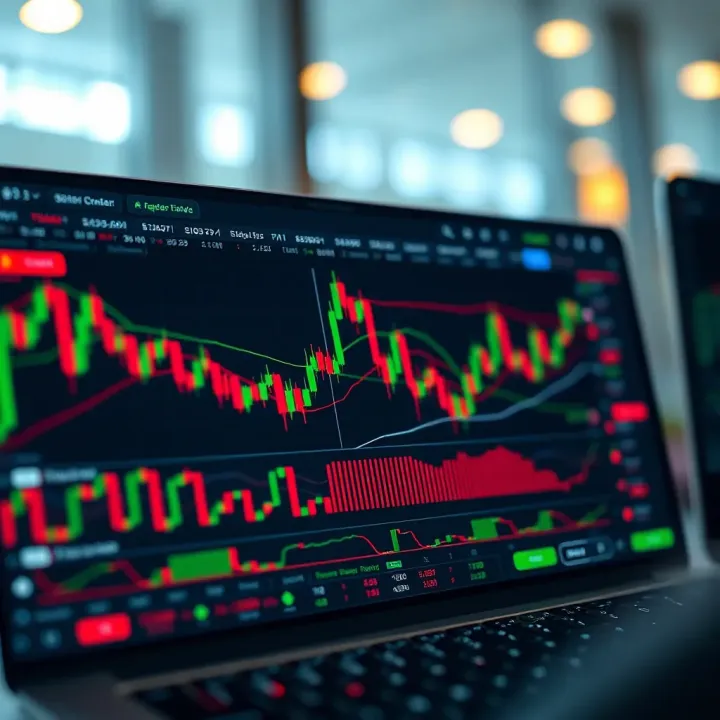
Looking for the best forex trading app in Pakistan? Discover top choices, security tips, and how to trade safely for a reliable experience 📈🇵🇰
Based on 8 reviews