
Best Forex Trading Platforms in Pakistan
Find the best forex trading platform in Pakistan 🇵🇰 with our clear guide! Compare brokers, explore key features, and trade confidently today 📈💼
Edited By
George Whitaker
Forex trading has grown rapidly in Pakistan, attracting many investors hoping to tap into global currency markets. Yet, trading foreign exchange is not just about guessing market direction; it requires understanding specific techniques suited to both local conditions and the broader economic environment.
For Pakistani traders, forex presents opportunities but also challenges, such as fluctuating rupee value, regulatory factors by the State Bank of Pakistan (SBP), and international market volatility. Approaching forex trading strategically helps manage risks while maximising potential profits.
In this article, we explore practical methods that Pakistani traders can adopt. These include combining fundamental analysis—like tracking economic indicators such as SBP policy rate changes and Pakistan’s trade balance—with technical analysis using price charts and indicators common in platforms like MetaTrader.
Risk management also forms the backbone of lasting success in forex. Using stop-loss orders, setting sensible trade sizes relative to your capital, and avoiding emotional trading decisions protect against significant losses, especially when rupee depreciation can intensify market swings.
Psychological discipline is equally crucial. Traders should cultivate patience and stick to predefined plans, avoiding impulsive trades triggered by news headlines or market rumours. Tools such as demo accounts help improve skills before investing real money.
Ultimately, effective forex trading in Pakistan hinges on tailored strategies that reflect local economic cues and global trends. Whether you are a beginner assessing your first trade or an experienced investor refining technique, the approaches highlighted here aim to build your confidence and awareness in this fast-moving market.
Remember, no single strategy works all the time; continuous learning and adapting keeps you ahead in forex trading.
Grasping the foundational concepts of forex trading is key for anyone who wants to trade currencies effectively, especially in Pakistan where access to global financial markets is growing steadily. A solid understanding helps you navigate the volatile market with confidence and manage risks properly.
Forex trading involves buying one currency while selling another simultaneously. These are called currency pairs, such as USD/PKR (US Dollar to Pakistani Rupee) or EUR/USD (Euro to US Dollar). The first currency is the “base” and the second is the “quote.” For instance, in USD/PKR, you are buying USD while selling PKR. Whether you trade major pairs or crosses, knowing the significance of currency pairs helps you understand price movements and market sentiment.
Pakistani traders often focus on the USD/PKR pair due to its direct impact on the local economy, imports, and exports. Movements in this pair can affect everything from import costs to inflation.
Unlike stock markets, forex operates 24 hours a day across different time zones, starting from Asia on Sunday evening PKT to close on Friday evening PKT. The market spans major financial hubs like Tokyo, London, and New York. This means currency prices can change any time, so Pakistani traders may find night-time or early morning trading sessions particularly important when European or American markets open.
Understanding global market hours helps you pick the best time to enter trades based on high liquidity periods, such as the London-New York overlap. This approach often leads to tighter spreads and better trading opportunities.
Brokers act as intermediaries connecting traders with the global forex market. Pakistani traders should choose brokers regulated by authorities like the Securities and Exchange Commission of Pakistan (SECP) or international regulators to ensure safety and transparency. Brokers provide trading platforms—software tools where you analyse charts, place orders, and monitor trades.
Popular platforms like MetaTrader 4/5 are widely used in Pakistan for their ease of use and comprehensive features. Mobile apps from brokers also allow trading on the go, which suits traders coping with the country’s frequent power outages (loadshedding) or busy schedules.
A pip (percentage in point) is the smallest price change in a currency pair, used to measure profit or loss. For most pairs, one pip equals 0.0001, but for JPY pairs, it’s 0.01. A lot is the standard trade size; one standard lot equals 100,000 units of the base currency.
Leverage allows traders to control a larger position than their actual capital by borrowing funds from the broker. For example, a leverage of 1:100 means holding Rs 1,000, you can trade Rs 100,000 worth of currency. This can boost profits but increases risks too, so it’s essential to use leverage cautiously, especially for beginners in Pakistan.
Every currency pair shows two prices: the bid (buying price) and the ask (selling price). The bid is the price at which the broker buys from you, and the ask is what you pay to buy from the broker. The difference between these two is crucial for traders to understand because it affects your overall cost.
For instance, if USD/PKR bid is 280.50 and ask is 280.55, that 0.05 is your trading cost. When markets are volatile, bid-ask spreads can widen, increasing the cost of trading.
The spread is the main cost when trading forex. Brokers usually do not charge a separate commission; instead, they make money from the spread difference. In Pakistan, popular brokers often offer fixed or variable spreads depending on market conditions.
Keeping spreads low is vital since high spreads reduce profits, especially for active day traders who enter and exit trades frequently. Always compare spread rates before selecting a broker and consider how it impacts your strategy.
Understanding these basics ensures you trade smarter, not harder. Clear knowledge of currency pairs, market hours, and trading terms sets the path for profitable decisions in Pakistan’s growing forex market.
Understanding popular forex trading strategies can make a huge difference for Pakistani traders aiming to improve their results. These strategies offer practical tools to interpret market signals, manage trades, and decide entry or exit points effectively. Whether you rely on chart patterns, news events, or a mix of both, knowing these approaches helps you trade with better confidence and discipline.
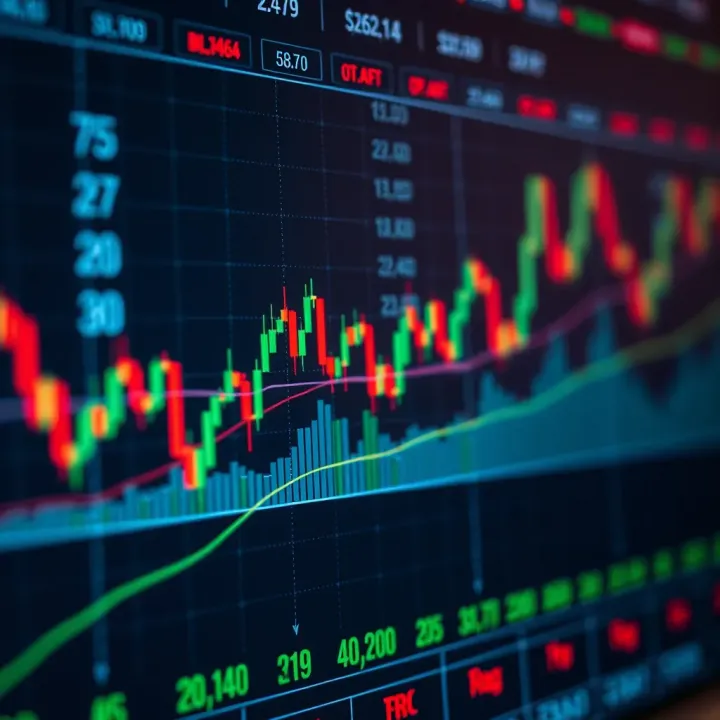
Candlestick patterns show price movements in a simple visual way that reflects traders’ emotions. For instance, ‘Doji’ candlesticks, with small bodies and long wicks, often signal indecision and possible trend reversal. Pakistani traders can combine these patterns with support and resistance zones to fine-tune their entry or exit. For example, spotting a bullish engulfing pattern near a support level could be a strong buy signal.
Moving averages smooth out price data to help identify trends clearly. A simple moving average (SMA) crossing above a longer period moving average often indicates an upward trend. Traders in Pakistan, who often face volatile market conditions, find moving averages useful for filtering noise. For instance, using the 50-day and 200-day moving averages on the USD/PKR chart helps spot the overall direction to trade with the trend rather than against it.
Support and resistance mark price levels where buying or selling pressure tends to build up. These levels are critical because price often bounces or breaks through them, signaling potential trading opportunities. For local traders, identifying these zones on currency pairs like EUR/USD can prevent premature entries and improve stop loss placement, safeguarding capital in unpredictable markets.
Economic reports like Pakistan’s inflation rate or US non-farm payroll numbers can move forex markets significantly. A higher inflation rate in Pakistan might weaken the rupee as it reduces purchasing power, while strong US employment data can strengthen the dollar. Traders paying attention to these indicators gain an edge by anticipating currency movements ahead of others.
Political developments such as elections, trade disputes, or sudden unrest influence currency demand and supply. Pakistan's forex market is affected whenever relations with major partners like China or the US fluctuate. Even local election outcomes can sway market sentiment. Staying aware of such events helps traders avoid surprises or exploit volatility.
Interest rates set by central banks like the State Bank of Pakistan or the Federal Reserve play a decisive role. An increase in Pakistan’s policy rate generally supports PKR as it attracts foreign investments, while lower rates may lead to depreciation. Traders tracking these changes can better time their trades around announcements to minimise risks or gain from quick price moves.
Blending technical patterns with fundamental news generates stronger trade setups. For example, a bullish candlestick near support that coincides with a positive economic announcement about GDP in Pakistan adds confidence. This confluence reduces guesswork and improves trade success.
Forex markets are never static; they shift with global news and local factors. Pakistani traders should adapt their strategy by scaling down trading during high volatility or geopolitical uncertainty and focusing on technical signals during stable periods. This flexibility preserves capital and enhances long-term trading performance.
Successful forex trading in Pakistan often depends on using both chart tools and understanding economic factors. Combining these strategies improves decision-making and helps face local market challenges more effectively.
Use candlestick patterns alongside moving averages for clearer trade signals.
Always check major economic releases before opening positions.
Adjust your style based on whether markets are trending or volatile.
Through experience and discipline, these trading strategies can become reliable parts of your forex approach, helping you navigate complexity with greater assurance.
In forex trading, managing risks is not an option but a necessity, especially for Pakistani traders dealing with unpredictable currency fluctuations and global market pressures. Protecting your capital ensures you stay in the game longer, avoiding sudden losses that can devastate your account. Careful risk management helps you balance potential gains with the chances of losing money, which is critical for long-term success.
Discipline in forex means sticking to your plan, especially when it comes to closing trades. Many traders make the mistake of holding onto losing positions, hoping for a reversal that may never come. This emotional bias often leads to bigger losses. On the other hand, taking profits too early can limit your gains. For instance, if you buy USD/PKR expecting a rise to 285 but panic and exit at 283, you miss out on potential profit. Discipline in exit strategies keeps your emotions in check and your trades on track.
Setting a stop loss is about limiting your downside. One simple method is using recent support or resistance levels; for example, placing a stop loss just below a recent swing low when buying. Pakistani traders often overlook this simple technique, leading to avoidable losses. Alternatively, calculating stop loss based on a fixed percentage of your account (like 1% per trade) ensures you don’t risk too much on any single position. This practice protects your capital even during rough patches.
Leverage allows you to control larger positions with smaller capital, but it also magnifies losses. For example, trading with 1:100 leverage means a 1% market move against you can wipe out your entire invested capital. Pakistani traders often get tempted by high leverage offered by brokers, but this can lead to quick losses if not used cautiously. Understanding that higher leverage increases risk helps traders choose levels that suit their experience and risk appetite.
Position size determines how much money you put in a trade. A rule of thumb for Pakistani traders is to risk only a small part of their account on each trade, say 1-2%. If your stop loss is 50 pips, and you’re willing to risk Rs 1,000, your lot size must reflect this to control losses. Plenty of free calculators and Excel sheets can assist in this, making sure you don’t bite off more than you can chew.
Frequently entering trades without a clear plan is a fast track to losses. Overtrading often stems from impatience or an attempt to recover past losses quickly, which leads to bad decisions. Emotions like fear and greed cloud judgement, causing traders to ignore signals or take hasty actions. Staying patient and following your trading plan, even during unpredictable Pakistani market hours, preserves your capital and sanity.
A sensible risk-to-reward ratio means you aim to gain more on each trade than you risk. For example, risking Rs 1,000 to make Rs 2,000 (1:2 ratio) allows you to lose some trades but still come out ahead overall. This approach suits Pakistani traders balancing volatile forex conditions with capital protection. Consistently applying this ratio keeps your trading profitable in the long run.
Protecting your capital through disciplined risk management isn't just about avoiding losses; it's about setting yourself up for continuous growth in Pakistan’s dynamic forex market.
Trading forex successfully requires more than just knowing technical charts and indicators. The mental game plays a big role in shaping your results, especially in Pakistan's fast-moving and often volatile currency market. Discipline and psychological control help traders avoid costly mistakes that come from emotion-driven decisions.
Fear and greed are like the two sides of a forex trader’s coin. Fear can make you exit trades too early or avoid entering potentially profitable trades. For example, a trader watching the PKR/USD pair might pull out at the slightest dip, fearing a bigger loss, even if the fundamentals suggest a rebound. Greed, on the other hand, tempts traders to hold on too long or increase their position size recklessly, chasing quick profits and risking a major downslide. Recognising these emotions and practising patience is key. Setting clear trading rules helps curb impulsive moves driven by these feelings, which is especially important when sudden moves and rumours influence the forex market in Pakistan.
Volatility is part of forex trading, but reacting with panic during sharp swings can cause you to lose your focus. For instance, during times when international news affects the Pakistani rupee drastically, staying calm helps you analyse the situation better instead of rushing into hasty decisions. Calmness allows for disciplined application of stop-loss and take-profit levels, reducing emotional errors. Techniques such as deep breathing, pausing between trades, or stepping away from the screen briefly can help maintain composure during unpredictable market situations.
A trading journal is an essential tool for learning from your own experiences. By recording every trade’s entry, exit, profit or loss, and the reasoning behind each decision, Pakistani traders can identify patterns in their behaviour — both good and bad. For example, noting how you felt during a losing streak or how certain news impacted your trades helps reveal emotional triggers. This practice encourages accountability and growth, making trading more systematic rather than guesswork.
Regularly reviewing your trading journal helps spot weaknesses and refine your approach. Pakistani forex traders who do weekly or monthly reviews usually catch recurring mistakes, like overtrading after a win or neglecting economic events before opening positions. This reflection phase is vital for adjusting your strategies to fit changing market conditions, such as rupee fluctuations amid load-shedding or geopolitical tensions. Over time, this disciplined evaluation leads to smarter entry and exit points, better risk control, and overall improved trading results.
Staying disciplined and managing your psychology in forex trading separates consistent winners from those who lose money. It’s not just about what you trade, but how you handle the ups and downs that truly matters.
Successful forex trading relies heavily on having the right tools and resources at your disposal. These not only make analysis more efficient but also help in executing trades promptly and managing risks effectively. For Pakistani traders especially, where market access and infrastructure might differ from global centres, choosing appropriate platforms and educational materials tailored to local needs can make a significant difference.
When picking a forex broker active in Pakistan, focus on factors like regulatory compliance, ease of fund transfers, and customer support. Brokers regulated by reputable authorities and authorised to operate in Pakistan tend to offer safer trading environments. For example, brokers that support deposit and withdrawal via JazzCash or Easypaisa provide added convenience for local traders.
Spread and commission costs should be transparent as well. Some brokers may offer lower spreads but add commission charges, so weigh these carefully. Also, look for platforms with Pakistani Rupees (PKR) account options to avoid currency conversion fees.
Mobile trading apps are becoming vital for Pakistani traders, given frequent power outages and the on-the-go lifestyle. An app that works smoothly on low bandwidth and supports real-time notifications helps you stay connected to market movements. Apps like MetaTrader 4 and MetaTrader 5 remain popular due to their simple interface, charting tools, and custom indicators. Accessibility on both Android and iOS matters since mobile usage is widespread across Pakistan.
Popular indicators such as Relative Strength Index (RSI), Moving Average Convergence Divergence (MACD), and Bollinger Bands assist traders in spotting entry and exit points. For instance, RSI can signal overbought or oversold conditions, which can inform timely trades.
Automated trading systems or Expert Advisors (EAs) can execute trades based on predefined rules. While they save time and reduce emotional bias, they are not foolproof. Over-reliance on automation without monitoring the market can lead to losses, especially during unpredictable events like geopolitical tensions affecting PKR pairs.
Several Pakistani-centric websites and forex courses provide structured learning ranging from beginner basics to advanced strategies. Webinars organised by local experts or brokers help understand market behaviour in real-time and discuss relevant strategies aligned with Pakistan's economic calendar.
Engaging with local forums and social media groups tailored for Pakistani traders offers the benefit of shared experiences. These communities discuss market news, broker reviews, and regional trends which international sources may overlook. The collective knowledge helps new and seasoned traders alike to adapt better to local market peculiarities.
Using the right tools and resources not only improves trading efficiency but also builds confidence, which is essential for long-term success in forex trading in Pakistan.
By understanding these practical aspects, Pakistani traders can enhance their decision-making and better navigate the forex market's ups and downs.
Find the best forex trading platform in Pakistan 🇵🇰 with our clear guide! Compare brokers, explore key features, and trade confidently today 📈💼
Looking for the best forex trading app in Pakistan? Discover top choices, security tips, and how to trade safely for a reliable experience 📈🇵🇰
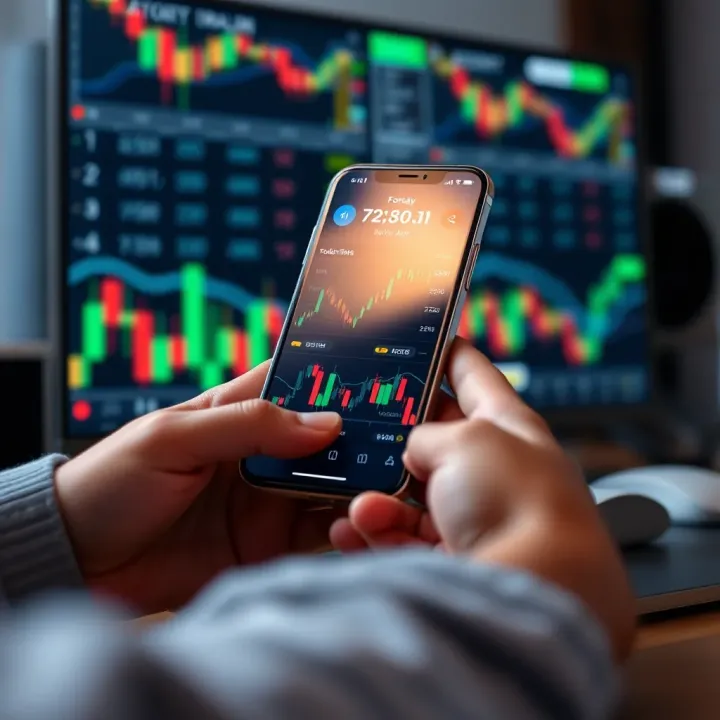
📱 Discover the best forex trading apps in Pakistan! Learn key features, compare top platforms, and understand security & regulations for confident trading. 🇵🇰
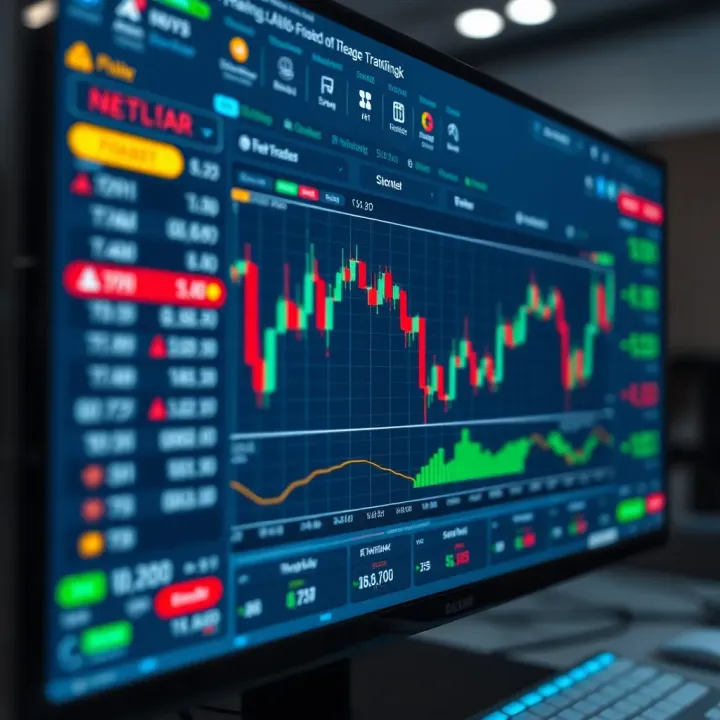
Looking for the best forex trading platform in Pakistan? Discover key features, security, costs, tools, and support to pick the right fit for you 📈💼
Based on 7 reviews