
Crypto Trading Signals Guide for Pakistani Investors
📈 Learn how crypto trading signals work and their types, sources, and risks. Practical tips for Pakistani investors to trade smarter using local platforms and tools.
Edited By
George Whitaker
Cryptocurrency trading is gaining traction in Pakistan as more people look for alternative investment opportunities beyond traditional stocks and real estate. For beginners, jumping straight into crypto markets without guidance can lead to costly mistakes. This is why a free crypto trading course tailored for Pakistani users is a valuable starting point.
Such courses introduce you to the fundamentals of blockchain technology, Bitcoin, Ethereum, and altcoins. They explain market behaviour, chart reading, and risk management — all essential skills before you commit your money. Unlike generic global courses, Pakistani free courses often address local challenges like payment methods, legal considerations, and accessing exchanges from Pakistan.
For example, these courses will guide using platforms like Binance, local crypto OTC services, or peer-to-peer options that integrate JazzCash or Easypaisa for Pakistani users’ convenience. Plus, they cover compliance with Federal Board of Revenue (FBR) requirements for tax reporting on crypto gains.
Starting with a structured course helps you avoid common pitfalls such as falling for scams, misinterpreting volatility, or overtrading, which many newcomers face.
When exploring free crypto trading courses, check for the following:
Clear explanations of trading terms and concepts
Practical examples with Pakistani currency (PKR) references
Guidance on using local exchanges and wallets
Coverage of security best practices, including wallet protection and recognising phishing attempts
Updates on Pakistan’s evolving crypto regulations
By mastering these basics, you gain confidence to analyse markets and make informed decisions safely. Remember, cryptocurrency trading involves risk, so education is your first line of defence.
This article will help you understand what to expect from a free crypto trading course in Pakistan and how to select one that suits your learning style and needs.
Grasping the basics of cryptocurrency trading is essential before beginning any investment or trading activity. For Pakistani traders, understanding how digital currencies operate, the trading mechanisms involved, and market dynamics helps reduce risk and make informed decisions.
Cryptocurrencies are digital forms of money secured by cryptography, making them difficult to counterfeit. Bitcoin, Ethereum, and Binance Coin are well-known examples, each offering different uses such as value storage or smart contracts. In Pakistan, Bitcoin has gained popularity despite regulatory uncertainty, mainly for remittance purposes and investment.
Blockchain technology underpins cryptocurrencies by creating a public ledger system where transactions are recorded across multiple computers (nodes). This system ensures transparency and prevents fraud, essential for trust in trading platforms locally and internationally. For example, when someone transfers Bitcoin, the transaction is verified and added to the blockchain, making tampering nearly impossible.
The difference between coins and tokens lies in their functionality. Coins, like Bitcoin or Ethereum, operate on their independent blockchains and primarily serve as currency. Tokens run on existing blockchains and represent assets or utilities. For instance, Tether (USDT) is a token pegged to the US dollar, commonly used in Pakistani exchanges for trading without converting to traditional currency.
Spot trading involves buying or selling the actual cryptocurrency, where ownership changes hands immediately. On the other hand, derivatives trading deals with contracts such as futures or options based on cryptocurrency prices without owning the asset. For beginners in Pakistan, spot trading is simpler and less risky while derivatives require understanding leverage and more advanced market moves.
Traders use market orders to buy or sell instantly at the current price, suitable when speed matters. Limit orders specify the price at which a trader wants to execute a trade, allowing better control but possibly delaying execution if the price doesn’t reach the specified level. Knowing when to use each order type can affect trading outcomes significantly.
Price volatility is a key feature of crypto markets, with cryptocurrencies often showing rapid price changes within minutes. Liquidity—the ease of buying or selling without affecting the price—is vital to avoid big price spreads. Bitcoin, for example, tends to have higher liquidity and less extreme volatility compared to smaller altcoins, making it a more stable entry point for Pakistani traders.
Understanding these foundational concepts equips you to approach crypto trading confidently, helping you handle risks and spot opportunities effectively.
Free crypto trading courses cover fundamental areas that build a practical understanding of the market. For beginners in Pakistan, mastering these topics can make the difference between steady progress and costly mistakes. These courses typically break down complex concepts into manageable lessons, helping you trade confidently rather than guessing or following hearsay.
Reading charts and identifying trends is the foundation of crypto trading. Charts represent price movements over time, revealing patterns like upward trends, downward trends, or sideways movement. For example, noticing that Bitcoin’s price consistently bounces off a certain low may signal a support level where buyers step in. Understanding these trends helps traders decide when to enter or exit trades, instead of relying on luck or rumours.
Common tools include RSI (Relative Strength Index) and moving averages. RSI measures whether a coin is overbought or oversold by assigning a value between 0 and 100. If RSI crosses 70, it may indicate a potential price drop, while below 30 could signal a buying opportunity. Moving averages smooth out price data over a set period (like 50-day or 200-day averages), helping spot long-term trends. For instance, when a short-term average crosses above a long-term one (“golden cross”), it can suggest bullish momentum.
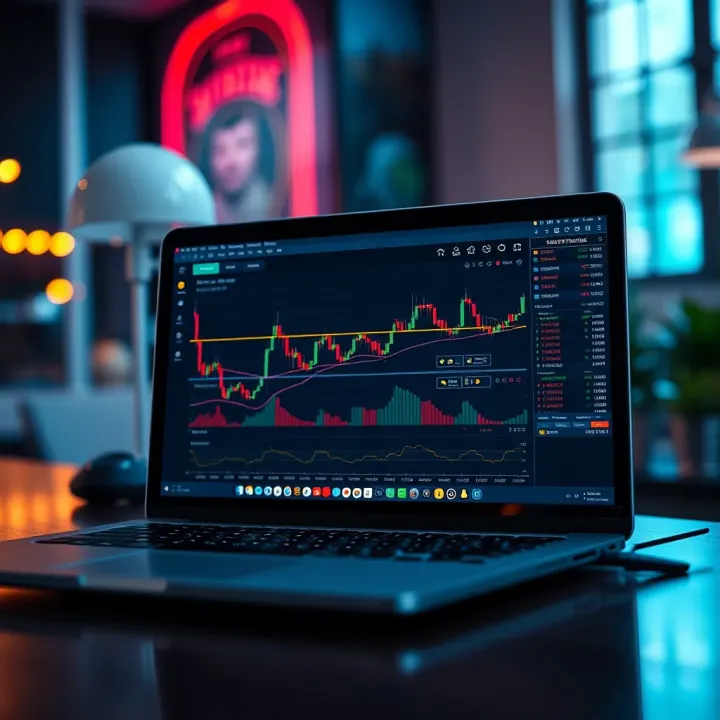
Support and resistance levels are price points where a crypto asset tends to stop and reverse. Support acts like a price floor where buyers come in, while resistance is a ceiling where sellers prevail. Identifying these levels allows traders to predict possible breakouts or pullbacks. If Ethereum struggles to break Rs 800,000 consistently, that price becomes a resistance zone, signalling traders to watch closely or adjust strategies.
Setting stop-loss and take-profit points protects your capital and locks in gains automatically. A stop-loss limits your loss by selling the asset if the price falls below a set level. For example, if you buy Ripple at Rs 50 and place a stop-loss at Rs 45, it cuts losses if the market goes against you. Take-profit works similarly but locks profits once your target price is reached. These tools prevent emotional decisions during market swings.
Position sizing and diversification refer to how much of your overall capital you invest per trade and spreading risk across different coins. In Pakistani markets, safe traders rarely put all their cash in one coin. Instead, they allocate a small percentage to each trade, say 2-5% of their portfolio, and diversify by investing in Bitcoin, Ethereum, and emerging altcoins.
Avoiding common trading mistakes such as chasing pumps, overtrading, or ignoring market trends is crucial. Beginners may rush to buy a coin after sudden price spikes only to get caught in sharp falls. Free courses highlight these pitfalls and guide you on maintaining patience and discipline to trade smartly.
Successfully trading crypto isn't just about charts; it's about controlling emotions like fear and greed. Handling emotions in trading prevents impulsive decisions. For instance, panic during a sudden dip often leads to selling at a loss, while overconfidence after a winning streak may cause risky bets.
Sticking to a trading plan means setting clear rules before you trade — entry/exit points, risk levels, and trade size — and following them strictly. This discipline avoids the temptation to deviate based on momentary market noise.
Finally, learning from losses is a sign of a mature trader. No one wins every trade. Understanding what went wrong, whether ignoring signals or poor timing, helps improve future results. Pakistani beginners benefit when they keep a trading journal and review errors regularly.
Mastering these key topics shapes better decision-making, reduces risks, and builds the confidence needed to trade crypto effectively in Pakistan's dynamic market.
Finding the right free crypto trading course is essential for anyone serious about entering the market in Pakistan. With so many options available, selecting an appropriate course saves time and ensures you build a solid foundation. A well-chosen course provides practical knowledge, helping you navigate price swings, understand market orders, and manage risks effectively.
Udemy and Coursera offer beginner-friendly courses that cover basics like blockchain technology, chart reading, and risk management. These platforms often update their content and provide certificates, adding value for those wanting to build credibility. Binance Academy, on the other hand, is more focused on crypto trading itself. It offers concise, practical lessons directly related to crypto markets and tools, making it more relevant for Pakistani traders using Binance's platform or similar exchanges.
Several Pakistani crypto enthusiasts and educators share knowledge through blogs and online forums. Platforms like PakCrypto or local Telegram groups offer region-specific insights, such as how to use JazzCash or Easypaisa to fund your trading account. This local flavour is crucial since it addresses unique challenges like CNIC verification and the regulatory framework from SBP and FBR. Being part of these communities also helps with real-time advice and scam warnings relevant to the Pakistani market.
YouTube hosts various Pakistani channels specialising in crypto explanations, live trading sessions, and market analyses. Channels like "Crypto Guru Pakistan" simplify technical analysis and share firsthand experiences of trading on local-friendly exchanges. These visual tutorials are particularly useful for beginner traders who prefer demonstrations over text-heavy content and like to see trade executions in real time.
Look for courses that match your current skill level and learning goals. A beginner should pick courses that explain the blockchain, offer hands-on trading strategies, and discuss the Pakistani fiat-to-crypto conversion. Advanced courses might focus more on derivatives and algorithmic trading. Avoid ones that are too shallow or irrelevant because they waste your time and can create confusion.
Check if the instructor has real trading experience, especially in emerging markets like Pakistan. Credentials alone are not enough; practical trading history or active involvement in the local crypto scene lends credibility. Experienced instructors tend to provide insights on pitfalls and opportunities that go beyond textbook knowledge.
Reviews help judge whether the course delivers on its promises. Positive feedback about course clarity, support, and practical usefulness is a good sign. Also, courses accompanied by active communities or discussion groups allow learners to exchange ideas, seek help, and stay updated on market developments. A course without community engagement often leaves learners isolated and less confident when they start trading.
Choosing the right free crypto trading course tailored to Pakistani traders simplifies your learning curve, enhances your skills, and improves your chances of trading success amid a volatile market.
Starting crypto trading in Pakistan requires clear, practical steps tailored to the local environment. This section breaks down the essential actions you need to take to begin trading securely and confidently, ensuring you comply with Pakistan’s financial regulations and make the most of user-friendly platforms.
Using Binance, Coinbase, or local alternatives: Many Pakistani traders prefer Binance for its wide range of cryptocurrencies and user-friendly interface. Coinbase, though popular globally, has limited availability and higher fees in Pakistan. Local alternatives like Bitso or local peer-to-peer (P2P) platforms offer easier access and support for Pakistani Rupee (PKR) transactions. Choosing the right exchange matters; you want one that fits your needs for coin options, fees, and security features.
Identity verification and CNIC requirements: Most reputable exchanges require users to complete KYC (Know Your Customer) processes before trading. In Pakistan, this usually involves submitting your Computerised National Identity Card (CNIC). This step is necessary not only for legal compliance but also to prevent fraud. Completing verification unlocks features like higher withdrawal limits and access to fiat gateways, which are crucial for smooth transactions.
Funding your account via JazzCash or Easypaisa: Once your account is verified, funding it is the next step. Most exchanges support depositing funds through popular Pakistani digital wallets such as JazzCash and Easypaisa. These wallets simplify payments by connecting your bank account or mobile balance directly to the trading platform. This method avoids the hassle of international bank transfers and currency conversion fees, making trading more accessible for many beginners.
Placing buy and sell orders: After funding your account, the first practical skill is learning to place orders. Spot trading involves placing 'market' orders, which execute immediately at the current price, or 'limit' orders, where you specify the price you want to buy or sell. For example, if Bitcoin is trading at Rs 10 million but you want to buy at Rs 9.5 million, you place a limit order at Rs 9.5 million and wait for the price to drop.
Tracking your portfolio: Keeping an eye on your crypto holdings helps you manage risks and profits. Most platforms offer portfolio trackers that update prices in real-time, show gains or losses, and provide clear visuals of your asset allocation. For instance, if you hold Bitcoin, Ethereum, and some altcoins, the tracker helps you see if one asset is dominating your portfolio, which might prompt you to rebalance.
Using mobile apps for on-the-go trading: Mobile apps from platforms like Binance and Coinbase let you trade whenever you notice market movements, even while commuting or during breaks. Pakistani traders often rely on mobile apps to stay updated during volatile times. These apps come with notifications for price alerts, easy order placement, and portfolio checks, making crypto trading more flexible and responsive to real-time situations.
Careful account setup and proper use of trading tools will build a solid foundation, allowing you to trade smarter and safer right from the beginning.
Starting crypto trading in Pakistan doesn’t have to be intimidating. These practical steps guide you through account setup, funding options, and first trades, helping you make better decisions based on local realities and available resources.
Safety and staying updated are not just formalities in crypto trading; they determine whether you keep your hard-earned money or lose it to scams or poor choices. In Pakistan, where crypto regulation is still evolving and digital literacy varies, being cautious and well-informed offers a solid shield against pitfalls.
Recognising common red flags is vital for every trader. Fraudulent schemes often promise guaranteed profits or insider tips, which should raise immediate suspicion. For example, unsolicited messages on WhatsApp or Telegram claiming to double your investment overnight are classic lure tactics. If it sounds too good to be true, it probably is. Also, watch out for platforms without transparent contact details or regulatory disclosures. Scammers often exploit haste and emotional trading decisions, so slowing down and double-checking claims helps dodge traps.
Verifying platform legitimacy means confirming the exchange or service you use has proper licences or is widely recognised. Trusted platforms like Binance or Coinbase have strong global reputations and established security protocols. Pakistani users should be wary of local exchanges without clear registration or visible compliance with PTA (Pakistan Telecommunication Authority) or other authorities. Checking for user reviews, official announcements, and regulatory listings reduces risks. Avoid new or unknown apps that suddenly gain popularity without evidence of reliability.
Protecting your private keys and passwords is the last line of defence. Private keys are like your bank account’s PIN — if someone gets hold of them, your crypto assets vanish instantly. Never share these keys through chat or email. Instead, store them offline or in hardware wallets. Use strong, unique passwords and enable two-factor authentication (2FA) on all exchange accounts. Many Pakistani traders lose funds simply because they reused passwords or fell prey to phishing scams asking for credentials.
Following trusted crypto news sources in Pakistan helps you stay aware of market shifts and emerging risks. Local websites and newspapers provide updates on price action, government policies, and relevant tech developments. Channels that focus on Pakistani crypto scenes often share timely advice on things like SBP statements or FBR tax changes affecting traders. Instead of relying on random social media posts, subscribe to credible platforms offering verified content.
Understanding regulatory environment by SBP and FBR is crucial as regulations shape trading possibilities. SBP once warned against crypto transactions but has gradually shown openness to blockchain tech with conditions. FBR requires disclosure of income from crypto trading for taxation under certain thresholds. Awareness of such rules means you avoid legal troubles or penalties. This also impacts which local payment methods you can safely use, like JazzCash and Easypaisa, both closely monitored by regulators.
Joining online communities and discussion groups gives you real-time feedback and shared wisdom from fellow Pakistani traders. Platforms like Facebook groups, Telegram channels, or dedicated crypto forums build a support network where you can ask questions, share experiences, and catch scam alerts early. However, always cross-verify advice since misinformation can spread just as fast. Engaging actively, but wisely, helps sharpen your trading skills and stay connected to the market pulse.
Staying safe in crypto trading means combining vigilance with knowledge. Use verified platforms, protect your credentials, and keep informed about local market and regulatory developments for a secure trading experience in Pakistan.
📈 Learn how crypto trading signals work and their types, sources, and risks. Practical tips for Pakistani investors to trade smarter using local platforms and tools.

Learn crypto trading in Pakistan 🇵🇰 with expert tips on local platforms, handling volatility, legal rules, tax duties, and securing your investments smartly. 💹🔒
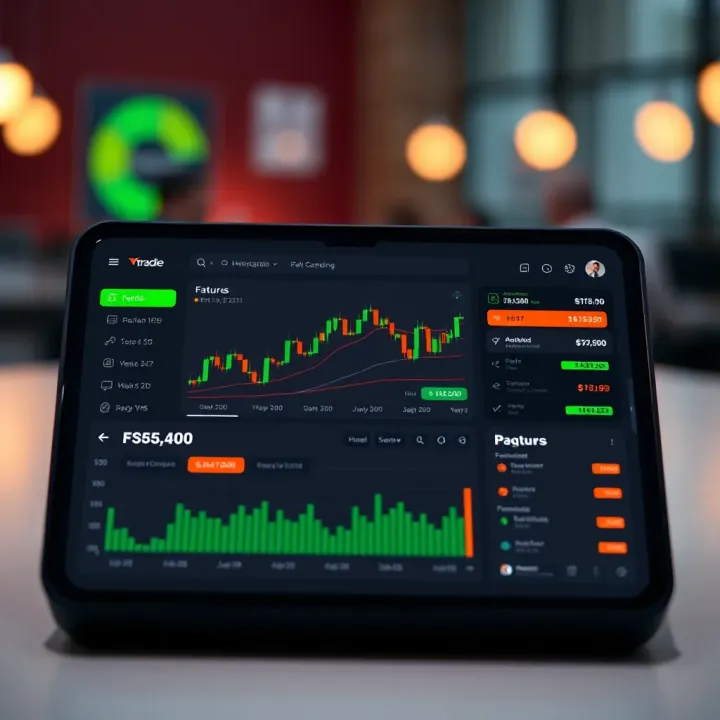
Explore top trading apps for beginners in Pakistan 🇵🇰. Learn key features, ease of use, and regulations to find your perfect start in the trading world 📱💹.
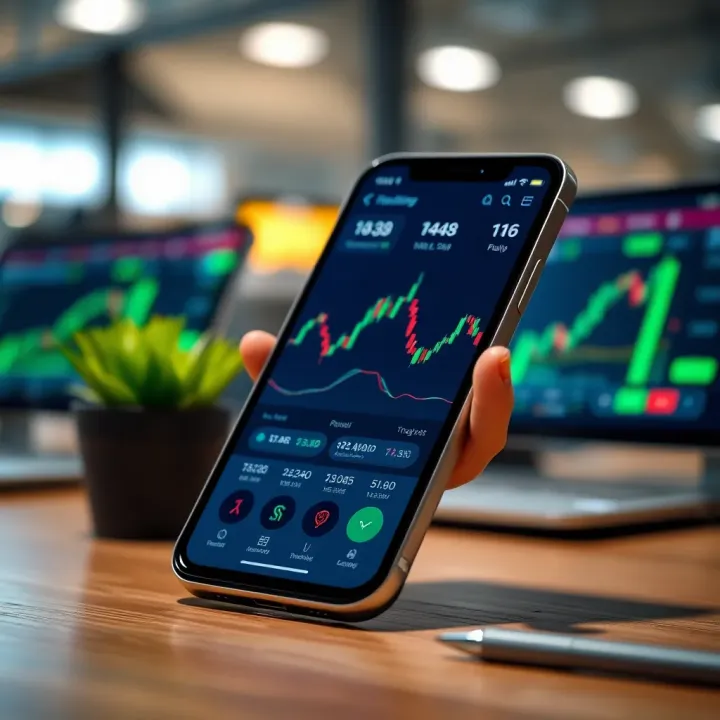
📱 New to trading in Pakistan? Discover top trading apps with user-friendly features, secure transactions, and affordable costs to start your mobile trading today!
Based on 13 reviews