

Online Gold Trading in Pakistan: A Practical Guide
💰 Learn how to trade gold online in Pakistan safely with top platforms. Understand risks, benefits, regulations & practical tips to trade confidently in PKR markets.
Edited By
Emma Richardson
Gold per tola rates form the backbone of the precious metal market in Pakistan. The term "tola" refers to a traditional South Asian unit of mass, roughly equal to 11.66 grams. This measurement plays a big role in how gold prices are quoted and traded locally. If you're a trader, investor, or even a financial analyst keeping an eye on Pakistan's gold market, understanding this unit is fundamental.
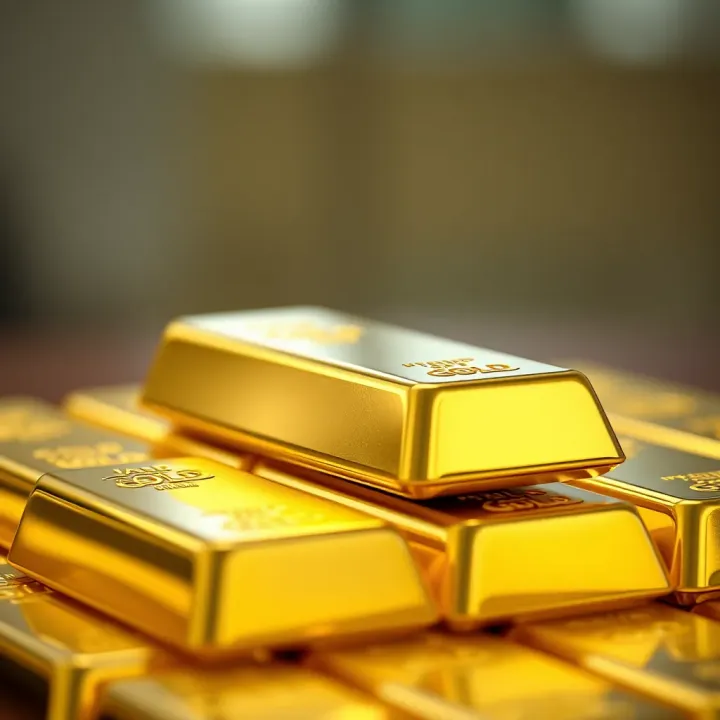
Unlike the global standard ounce (31.1 grams), the tola is deeply embedded in Pakistan's gold trade culture. Jewelry shops, bullion traders, and everyday buyers all deal in tolas. So, a shift in the gold price per tola directly impacts the market's liquidity and trading behaviors.
The price per tola depends mostly on the international gold rate, which is quoted per ounce or gram, usually in US dollars. Local gold prices incorporate:
Exchange rates: The Pakistani rupee's strength against the dollar affects the final rate.
Import duties and taxes: These add to cost, pushing the local price higher than the global spot rate.
Local demand and supply: Festivals, weddings, and imports influence pricing.
Market premiums: Dealers might add commission or premium for liquidity and convenience.
For example, if the international gold price is $1,900 per ounce, that converts to approximately $60.98 per gram. Multiply that by 11.66 grams, and you get about $711 per tola. Adjusted for exchange rate fluctuations and taxes, the local price could be $730 or more.
Keep in mind: Gold traders often track both global spot prices and the local currency movements daily. Rapid changes in currency value can sway gold per tola rates even if the international market stays steady.
You can find updated gold per tola rates through:
Karachi Mercantile Exchange updates
Local bullion market bulletins
Reputable financial news portals specializing in Pakistani commodities
Banks and licensed dealers’ daily announcements
Watch currency fluctuations: Since rates are dollar-linked, a weaker rupee usually means gold prices rise.
Check purity standards: Most local gold is 24K, but always confirm to avoid low-quality alloys affecting value.
Use official sources: Rely on vetted market data rather than social media or informal channels.
Understand taxes: Know if GST or other levies impact final pricing.
In short, mastering the gold per tola rates in Pakistan means keeping an eye on currency trends, global gold moves, and local market conditions, all while knowing that tola is the unit that connects these variables to everyday trading.
Understanding the measurement and value of gold per tola is vital for anyone involved in Pakistan's gold market. Traders, investors, and analysts rely on this standard to navigate pricing and make informed decisions. The tola serves as a fixed weight unit tied to historical practices, giving consistency in a market that can otherwise be volatile.
A tola is a traditional South Asian unit of mass, roughly equal to 11.66 grams. This measurement has roots that trace back centuries, originally linked to coins and bullion trade in the Indian subcontinent. It remained a reliable benchmark even as modern metric units took hold elsewhere.
Pakistan kept the tola because it fits the local trade and cultural understanding better than grams or ounces. For example, jewelers often price gold ornaments based on tola rather than grams—a necklace weighing two tolas can have a clear, standardized value across shops, making bargaining and assessment uniform.
Gold prices in Pakistan are quoted per tola for practical reasons. This tradition connects well with local buying habits and jewelry practices. Since the tola is roughly 11.66 grams, it simplifies comparing rates against international market prices usually quoted in grams or ounces.
Furthermore, quoting per tola aligns with local regulations and common financial practices. Many banks, gold dealers, and investors use the tola rate to calculate investments, savings, and loans linked to gold. Its use proves convenient particularly during festival seasons like Eid when gold purchases spike sharply, helping both buyers and sellers settle on prices easily.
Bottom line: Knowing the exact meaning and importance of gold per tola rates gives traders and investors an edge by making the gold market more accessible and understandable. It’s not just tradition—it’s an anchor for commerce in Pakistan’s vibrant gold sector.
Understanding how gold prices are set per tola is key for anyone looking to buy, sell, or trade gold in Pakistan. The price you see isn’t random; it’s shaped by a mix of international trends and local market forces. Having a clear grasp on these factors helps investors make smarter decisions and avoid surprises when rates shift.
Gold is a global commodity, so what happens in major markets like London or New York heavily affects Pakistan’s gold rates. Prices quoted in dollars trace movements on exchanges like the New York Mercantile Exchange or the London Bullion Market. For example, if gold prices rise $20 per ounce internationally, it’s likely to reflect in Pakistan’s tola rates shortly after.
The exchange rate between the Pakistani rupee and the US dollar also plays a big role. If the rupee weakens against the dollar, it typically makes gold more expensive locally because you need more rupees to buy the same amount of dollars. Conversely, a stronger rupee can lessen gold prices in Pakistan even if international gold prices hold steady. Traders and investors keep an eye on both gold prices and currency rates to gauge the most favorable moments for buying or selling.
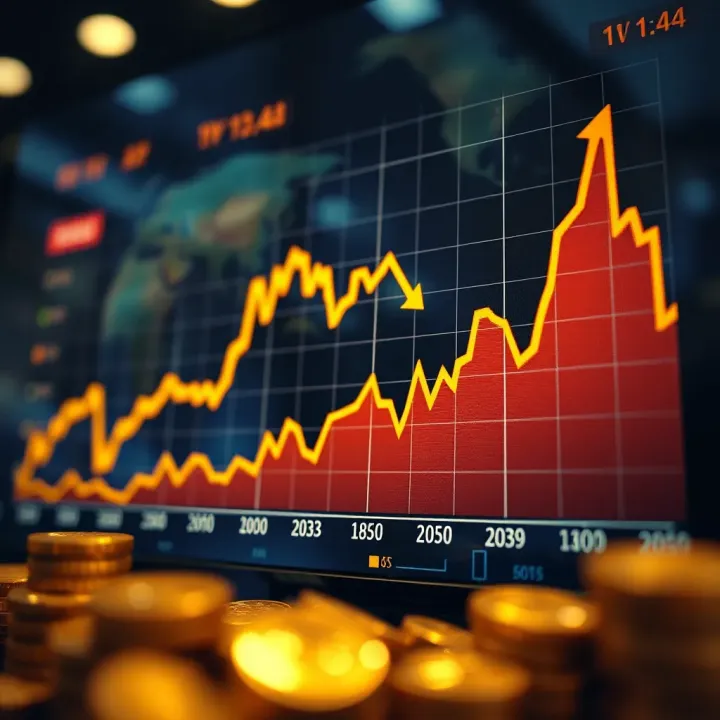
Local supply and demand quite directly influence gold prices per tola in Pakistan. During festivals like Eid or wedding seasons, demand for gold jewelry spikes, pushing prices up due to higher buying activity. On the flip side, if the country faces economic difficulties, people might sell off gold to meet cash needs, temporarily increasing supply and putting downward pressure on prices.
Gold mines and local refineries also affect supply, although Pakistan depends more on imported gold. Any delays or changes in import policies can tighten the supply, nudging prices higher.
Taxes, import duties, and regulatory policies impact the gold market locally. When the government hikes customs duties, it makes importing gold costlier, which trickles down to higher prices per tola. For instance, if the import duty rises from 5% to 7%, dealers often adjust selling prices accordingly.
On the other hand, government regulations aimed at curbing smuggling or fraud ensure that the market operates transparently, protecting buyers. However, such measures can sometimes slow down gold flows, affecting availability and prices. Investors must stay updated with policy changes announced by Pakistan’s Federal Board of Revenue (FBR) or the Ministry of Finance.
Gold prices per tola can also reflect the general mood of the market and political environment. If political tensions rise or economic uncertainty looms, investors seek gold as a safe asset, leading to increased demand and higher prices.
For example, during periods of currency volatility or geopolitical unrest, gold usually gains appeal as a refuge, which can push rates up quickly. Conversely, when stability returns and confidence grows, some investors might shift funds into riskier assets like stocks, easing gold demand temporarily.
Bottom line: Tracking how international influences mesh with Pakistan’s local factors gives you a clearer picture of gold price movements. Whether you trade daily or hold long term, knowing these forces at work helps you spot trends and make informed moves based on tola rates.
Staying updated on the current gold per tola rates in Pakistan is key for traders and investors alike. Gold prices don’t stay put — they shift frequently due to changes in international markets, currency exchange rates, and local supply-demand dynamics. For example, if you’re planning to buy gold, knowing the daily rate can help you decide the right time to make the purchase, potentially saving hundreds of dollars per tola.
If you want to keep track of gold rates effectively, it’s important to rely on credible, up-to-date sources. Pakistan’s major financial newspapers like Business Recorder and Daily Pakistan often publish daily gold prices. Moreover, reputable websites dedicated to precious metals offer live updates based on data from Karachi’s major gold markets.
Local jeweler associations such as the All Pakistan Jewellers Association also provide official rates that reflect real trading prices. Mobile apps and platforms like TalaGold offer convenient notifications and historical pricing charts, making it easier to monitor fluctuations. Avoid random social media posts or unofficial sources, as they can be outdated or inaccurate.
Gold rates per tola can change several times within a single day. These shifts usually track global gold price movements (quoted in dollars per ounce), adjusted for the Pakistani rupee’s value. For example, if the rupee weakens during the day, gold prices in rupees typically rise, even if international gold stays steady.
Local market events may also cause sudden jumps—like government tax announcements or geopolitical tensions. The bottom line is that daily rate changes aren’t random noise but signal underlying economic factors. Keeping an eye on trends rather than isolated numbers helps you make better trading decisions.
Remember, the price you see in the morning might not be the rate at noon. If you want the best deal, tracking intraday rates and understanding their causes can give you a competitive edge.
Taking time to monitor daily gold per tola rates gives traders and investors a clearer picture of market conditions. This awareness supports smarter timing for buying or selling and helps avoid unnecessary losses due to sudden rate swings.
Understanding how to buy and sell gold based on tola rates is key to making smart moves in Pakistan's gold market. Since gold is typically traded by the tola unit here, knowing the specifics can help you avoid overpaying or underselling. Whether you're a trader, investor, or financial analyst, focusing on these elements will give you a practical edge.
Gold purity is measured in karats or fineness, with 24-karat gold representing nearly pure gold. When buying gold by tola, it’s essential to verify the purity—most buyers look for 22-karat or 24-karat gold. Always ask for certification from recognized bodies like the Pakistan Standard and Quality Control Authority (PSQCA) or internationally accepted certificates. This ensures the gold's authenticity and quality, preventing costly mistakes.
For example, two pieces of gold weighing one tola each might differ significantly in purity. Paying for a tola of pure 24-karat gold is quite different from paying for mixed-karat jewelry. Without proper testing and certification, you risk paying a premium for substandard gold.
Buying from a trustworthy dealer can save you headaches later. Established jewelers or certified gold merchants often provide transparent pricing and genuine products. They usually have fixed making charges and honor buy-back policies, which smaller vendors might not offer.
For instance, working with a dealer known in your city or with a verified online presence reduces the chance of fraud. Reputation matters—word of mouth and prior customer reviews can guide your choice. Dealers associated with formal organizations like the Karachi Sarafa and Jewellers Association add another layer of credibility.
Making charges refer to the cost of crafting jewelry or coins beyond the gold’s raw weight. These charges vary widely—from a few hundred to several thousand rupees per tola—depending on the design complexity and dealer policies.
While spot rates on gold fluctuate daily, making charges usually stay static. However, they can sometimes be negotiable, especially in slow markets or when purchasing in bulk. Always clarify these charges upfront, as they affect the total price and resale value. For example, a simple gold chain might have lower making charges compared to an intricate necklace.
Gold prices per tola swing throughout the day influenced by international gold trends and the Pakistan rupee’s value. Selling when the prices peak can increase your returns. Watch for patterns, like rate jumps near the end of the trading day or during holiday seasons when demand spikes.
However, waiting too long might backfire if the market dips. Tools like real-time rate updates from reputable sources help you spot the best moment. For example, some sellers wait for post-inflation rate increases before unloading.
Don’t settle for the first offer. Buyers, including jewelers and brokers, often leave room for negotiation on making charges and offered gold rates. Polite but firm negotiating can secure a better deal.
Bring your certification papers on purity and recent market rates to support your price expectations. Being informed also discourages lowball offers. For example, you might negotiate a small premium on the spot price if your gold has a premium design or superior certification.
Beyond traditional jewelry shops, consider online marketplaces, pawn shops, or gold exchange platforms. These alternatives might offer better rates or more convenient selling processes.
Online platforms often list transparent daily rates and may provide instant payment options. However, verify their reputation thoroughly. Pawn shops might offer quick cash but at lower prices. Depending on your urgency and the gold type, choosing the right channel can maximize your returns and minimize hassle.
Bottom line: buying or selling gold by tola involves a mix of understanding purity, dealer credibility, cost components, timing, and negotiation skills. Staying sharp on these fronts can save you money and boost your gold trading confidence.
Understanding future trends and outlook for gold prices per tola in Pakistan is key for anyone involved in trading or investing in gold. The price of gold doesn't just depend on local demand or supply; it reacts strongly to broader economic forces, making it essential to watch relevant indicators closely. This foresight can help you spot opportunities or avoid potential losses by aligning buying and selling decisions with market conditions.
Inflation erodes the purchasing power of currency, pushing investors to turn to gold as a safeguard. In Pakistan, where the rupee has experienced persistent devaluation against the dollar, gold often acts as a hedge. For instance, during periods when inflation spikes above 10%, gold prices per tola tend to rise as local buyers seek to protect their wealth. This dynamic directly affects your cost and potential gains if you're trading or holding gold.
Interest rates set by the State Bank of Pakistan influence gold prices in two ways. When interest rates rise, fixed-income investments become more attractive, potentially pulling money away from gold, which offers no yield. On the other hand, if rates are cut, gold tends to benefit due to lower opportunity costs and concerns over currency weakness. For example, a rate cut in response to economic slowdown might send gold prices upward as investors look for stability.
Political uncertainty or regional conflicts can trigger sharp movements in gold prices. Pakistan is situated in a geopolitically sensitive region, so any tensions with neighbors or internal unrest often increase demand for gold as a “safe haven.” A recent flare-up in cross-border tensions has historically led to spikes in gold per tola rates, reflecting investors’ flight to safety amid instability.
Market experts closely monitor economic indicators and global trends to forecast gold price moves in Pakistan. Many analysts anticipate continued gold price growth due to rising inflation concerns and ongoing currency pressure. For instance, some forecasts suggest that if inflation steadily exceeds 8% throughout the fiscal year, gold prices might climb another 5-7% as investors seek refuge.
Others caution that global factors, like any unexpected hikes in U.S. interest rates or shifts in the dollar’s strength, could temper local gold price surges. Keeping an eye on these varying predictions gives you a balanced view and helps plan trades or investments more strategically.
The bottom line is simple: To make sense of gold per tola rates in Pakistan, you have to track both local economic signals and global developments closely. This sharp attention to detail can make a big difference in your trading decisions.
Overall, watching economic indicators like inflation, interest rates, and geopolitical changes along with professional forecasts equips you to navigate gold markets in Pakistan more confidently. Knowing the trends helps turn data into actionable insight, so your gold dealings aren’t just guesswork but informed choices.
💰 Learn how to trade gold online in Pakistan safely with top platforms. Understand risks, benefits, regulations & practical tips to trade confidently in PKR markets.
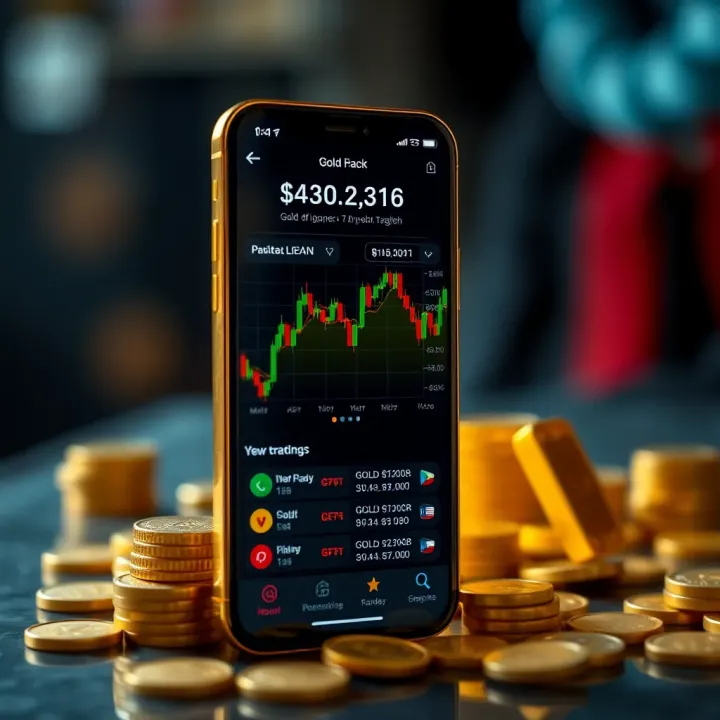
💰 Learn how to trade gold easily with apps in Pakistan 📱 Discover benefits, legal tips, security advice, and how these platforms affect local investments 📊

Explore gold forex trading in Pakistan💰 Learn how to trade gold against currencies, spot price factors, apply strategies, and manage risks wisely📈

📈 Explore live gold trading in Pakistan—learn how it works, key platforms, risk management, regulations, and how it differs from buying physical gold for smarter investments.
Based on 11 reviews