

Online Gold Trading in Pakistan: A Practical Guide
💰 Learn how to trade gold online in Pakistan safely with top platforms. Understand risks, benefits, regulations & practical tips to trade confidently in PKR markets.
Edited By
Isabella Reed
Gold prices in Pakistan are typically quoted per tola, a traditional unit of mass equal to approximately 11.66 grams. This measurement remains the industry standard in local markets, helping traders and investors track precious metal value consistently.
In 2023, gold prices in Pakistan have seen frequent fluctuations influenced by several factors:
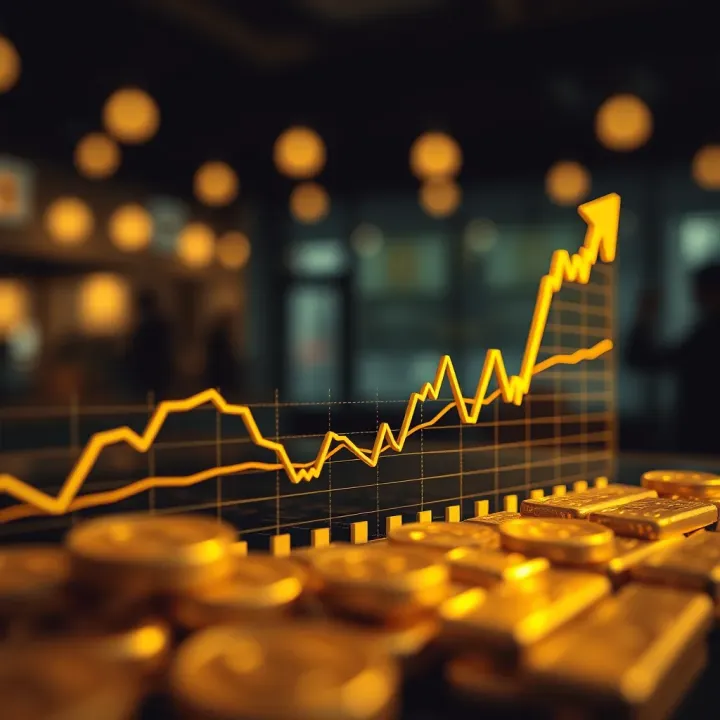
Global gold rates: Prices set in international markets, especially in London and New York, heavily influence local prices.
US dollar exchange rate: Since gold is priced globally in dollars, changes in the USD to Pakistani rupee exchange affect local costs.
Political stability and economic policies: Government decisions, inflation trends, and geopolitical events can cause price swings.
Market demand and supply: Seasonal festivals or wedding seasons often increase gold demand, pushing prices up.
For example, when the rupee weakens against the dollar, it typically makes gold costlier in Pakistan even if international gold prices remain steady.
Understanding tola-based pricing is essential if you’re active in trading or investing in Pakistani gold markets.
Besides tola, gold sometimes is measured in grams or ounces for international comparison, but local jewelry shops and bullion dealers mainly use tola. Keeping tabs on daily price charts published by major Pakistani financial news outlets or the Pakistan Mercantile Exchange provides reliable and timely updates.
Here are some practical tips if you're navigating this market in 2023:
Compare prices across multiple dealers before buying large quantities.
Track both international gold prices and USD/PKR exchange rates to anticipate price movements.
Be aware of purity standards—24 karat gold is nearly pure and generally priced higher.
Consider storage and security costs if investing physically.
In sum, gold pricing in Pakistan revolves around the tola unit but depends on global economics and local factors. Staying informed on currency trends, market demand, and policy changes will give you a clearer edge whether you’re trading gold or investing for the long haul.
Grasping how gold is priced and what a tola means helps investors and traders in Pakistan make smarter decisions. Since Pakistan's gold market widely uses the tola as a standard unit, it's not just tradition—it directly affects transactions, investments, and price tracking.
A tola is a traditional South Asian mass measurement, particularly popular in Pakistan. It equals about 11.66 grams (0.375 troy ounces). Most gold dealers and investors quote prices per tola rather than per gram or ounce. That makes understanding the tola critical when comparing prices internationally or calculating your purchase value.
The tola has been around for centuries, originally rooted in the Mughal era for measuring precious metals and coins. It stuck around because it fits naturally with local commerce and jewelry practices. While the world shifted to grams and ounces, Pakistan and neighboring countries kept the tola linked to cultural habits and regional trust in precise measurement.
Since 1 tola equals 11.66 grams, investors can convert prices easily. For example, if gold is $60 per gram globally, per tola price would be roughly $700. The troy ounce (commonly 31.1 grams) is less familiar in Pakistani markets but used internationally. Knowing these conversions helps traders spot bargains or inconsistencies between local and global markets.
In Pakistan, gold prices are usually quoted per tola and also per 10 grams. The per tola rate carries weight because of tradition, while 10 gram pricing aligns with more modern or global benchmarks. Traders often check both, ensuring they stay connected to local market norms and international trends.
Karachi and Lahore, two main gold trading hubs, can have slight price variations due to factors like demand, availability, and import costs. Karachi, being a port city, often reflects import prices more directly, while Lahore’s market might include slightly higher premiums caused by local demand and maker’s charges. Investors tracking these cities can identify regional price trends.
On top of raw gold prices, premiums and making charges affect final costs. For jewelry, making charges depend on design complexity and craftsmanship, which can add 5% to 20% or more to the base gold price. Premiums also reflect market conditions, seller reputation, and stock availability. Recognizing these helps buyers avoid surprises and accurately value purchases.
Understanding gold pricing alongside the tola ensures you don't get caught off guard in negotiations or market fluctuations—especially if you monitor prices for investment or resale.
In sum, knowing the tola’s role, combined with an insight into pricing variations and added costs, equips traders, investors, and analysts to navigate Pakistan’s gold market with confidence and clarity.
Gold prices in Pakistan don’t move in a vacuum. Several global and local factors work together, pushing prices up or pulling them down. Understanding these drivers helps traders and investors make better calls on when to buy or sell. Let’s break down how global events and local conditions influence gold prices in Pakistan today.
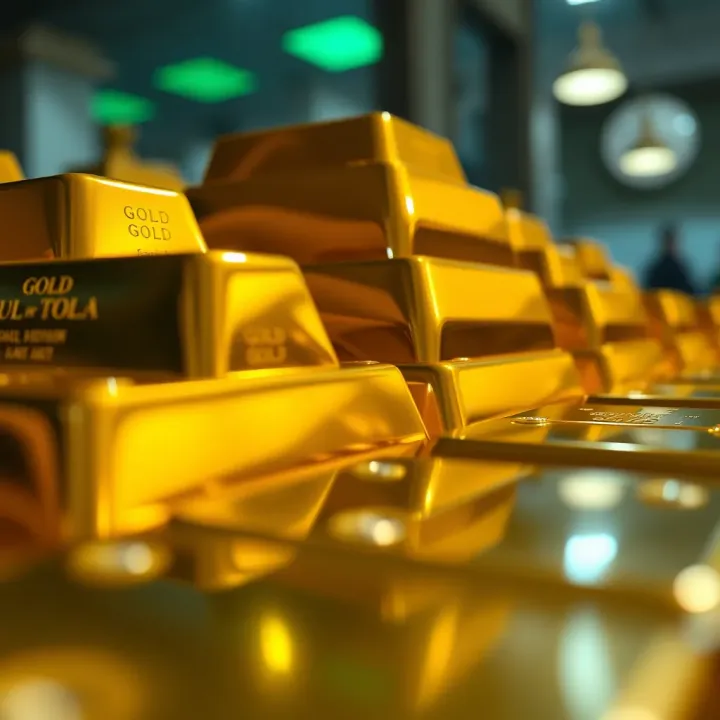
Gold prices are closely tied to the US dollar because gold is priced globally in dollars. When the dollar strengthens against other currencies, including the Pakistani rupee, gold becomes costlier for Pakistani buyers, often leading to price dips locally. Conversely, if the dollar weakens, gold prices usually climb as the metal appears cheaper to those holding other currencies.
Interest rates in the US also affect gold. When the Federal Reserve raises rates, investors tend to move money into fixed-income assets like bonds, which yield better returns compared to non-interest-bearing gold. This often results in lower gold prices. In contrast, lower interest rates make gold more attractive, pushing prices higher.
Gold supply and demand on the global stage play a big role too. For example, major producers like Russia, China, and Australia influence availability. Disruptions such as mining strikes or export restrictions tighten supply and bump prices up.
On the demand side, countries with strong jewelry markets, such as India and China, can sway prices by buying large quantities, especially during festivals or wedding seasons. When these buyers step back, prices can soften. For Pakistani investors, these international shifts mean gold prices can fluctuate even without local changes.
Political unrest, trade wars, or conflicts boost gold prices because investors see gold as a safe haven. Take, for instance, escalations between major powers or sanctions; such events drive global uncertainty and push demand for gold higher.
Similarly, economic crises—like stock market crashes or inflation spikes—urge investors to shift money to gold. These moments typically cause gold prices in Pakistan to rise sharply, reflecting global risk sentiment.
Pakistan’s rupee value directly impacts gold prices. When the rupee weakens against the dollar, importing gold becomes more expensive, which pushes local prices up. Inflation worsens this effect by decreasing purchasing power, leading people to treat gold as a store of value.
For example, if inflation rises because of higher fuel prices or food costs, many Pakistanis buy gold to hedge against shrinking savings, driving demand and prices higher.
Import duties on gold affect prices significantly, as Pakistan doesn’t produce its own gold. When the government raises import taxes, jewelers and traders pass these costs to buyers, inflating price per tola.
At times, policy shifts like easing import restrictions can lower costs momentarily. But market players often anticipate these changes, making prices a bit volatile around such announcements.
Gold demand peaks during festivals and weddings, important occasions in Pakistani culture. Events like Eid, Diwali, and the wedding season trigger a surge in buying, often ahead of rising prices.
Retailers may increase premiums and making charges during these times, adding to the overall cost. Traders who understand this seasonal cycle can predict when prices might spike and plan accordingly.
Keeping a pulse on both global factors and local market quirks gives you the edge in navigating Pakistan’s gold market. Don’t just track the daily price—watch the bigger picture too.
Impact of US dollar and Fed rates on gold pricing
Global supply-demand swings from major producers and consumers
Geopolitical risks driving safe-haven buying
The rupee’s fluctuations and inflation’s role
Import duties shaping import costs
Seasonal consumer trends influencing demand
Understanding these helps investors, traders, and financial analysts anticipate gold price moves more confidently in Pakistan's complex market environment.
Tracking gold prices accurately is essential for anyone investing or trading gold in Pakistan. Prices fluctuate daily based on market dynamics, currency changes, and local factors. Having access to trustworthy sources helps you make timely, informed decisions, whether you're planning a buy or sell.
Official bullion market websites offer the most authoritative prices. These sites, often run by major commodities exchanges or government bodies, publish daily gold rates per tola. For example, the Karachi Sarafa Association and the Lahore Bullion Association list updated prices, reflecting real market conditions. Checking these sites first gives you a baseline rate that underpins most trading activities in Pakistan.
Financial news portals and apps provide another convenient way to stay updated. Platforms like Bloomberg, Reuters, and local finance portals compile gold prices alongside currency rates and economic news, helping you spot trends. Mobile apps like Investing.com or Moneycontrol let you set price alerts, which can be handy if you want to act quickly when prices hit your target.
Bank rates vs. local jewelers' listings differ noticeably and for good reasons. Banks often use more standardized rates with lower premiums since they sell gold bars or coins. Jewelers, on the other hand, include making charges for craftsmanship and overhead, so their rates for gold jewelry per tola will be higher. Comparing both helps you understand the true cost you’ll face depending on the gold product.
Ignoring making charges and taxes can lead you to underestimate the full cost, especially in jewelry purchases. The base gold price doesn't cover labor costs, design fees, or government taxes like GST. For example, a 24k gold necklace priced at the daily rate might actually cost 10-15% more after these additional fees.
Confusing per tola rates with per gram prices trips up many buyers. Since one tola equals about 11.66 grams, multiply the per gram price by this factor to confirm accuracy or vice versa. The per tola rate looks higher due to weight difference, but both reflect the same market price when calculated correctly.
Relying on outdated or unofficial information risks bad trades. Prices can change multiple times daily; using old figures might cause you to sell low or buy high. Always verify that the source updates in real-time or at least once each day. Avoid prices from random postings on social media or unverified dealers, as these might reflect delays or inaccuracies.
Staying sharp about how to check gold prices, and using trusted sources, can save you from costly mistakes and give you an edge in Pakistan’s gold market.
Following these tips ensures your gold dealings align with real market movements, helping you get the best value for your money in 2023.
Understanding the historical trends and price movements of gold in Pakistan during 2023 offers crucial insight for traders and investors. This data helps recognize patterns influenced by economic events and market sentiments, allowing for better strategic decisions. If you've been watching gold prices fluctuate, knowing what drove those changes can help you anticipate future swings.
The gold market in Pakistan has seen some notable highs and lows across the quarters of 2023. For example, during the first quarter, gold prices per tola peaked around $1,950, largely due to global inflation concerns driving demand for safe-haven assets. In contrast, Q2 witnessed a dip to roughly $1,850, impacted by a brief strengthening of the US dollar and reduced geopolitical tensions. Tracking these swings throughout the year gives you a clearer picture of when prices tend to surge or dip.
Global events have played a significant role in shaping these local gold prices. Tensions in the Middle East and supply chain disruptions from Asia pushed gold prices forward, given increased investor anxiety. Conversely, announcements from the Federal Reserve about interest rate hikes usually weigh on gold as it raises bond yields, making non-yielding assets like gold less attractive. These international developments ripple into the Pakistani market, affecting the premium local buyers pay.
Compared to previous years, 2023 shows a more volatile gold price range. While 2021 and 2022 had a relatively steady climb due to prolonged pandemic-related uncertainties, this year features sharper ups and downs reflecting reopening economies and shifting monetary policies internationally. For instance, prices were more stable last year, hovering around $1,900 per tola, but this year’s price variance signals adaptation to changing market forces.
When it comes to timing your gold purchases, the quarterly price data and global event impacts serve as good indicators. For instance, buying during dips caused by short-term strength in the US dollar or easing conflicts can be advantageous. That said, it’s wise to balance this approach with awareness of ongoing economic indicators, such as inflation rates or government policy shifts.
Volatility remains a defining feature of the gold market in Pakistan this year. For investors, this means being prepared for quick price changes, both up and down. Keeping an eye on international news alongside local conditions can help you avoid sudden losses or capitalize on rapid gains. For traders especially, this environment rewards nimble decision-making and real-time updates.
Looking ahead, the long-term outlook involves several scenarios. If inflation continues to rise globally, gold might retain its appeal as a hedge, pushing prices higher in Pakistan. On the other hand, sustained rate hikes or political stability could temper demand and stabilize or lower prices. These possibilities highlight the need to monitor both macroeconomic trends and the local market context regularly.
Staying informed about historical price patterns and key market drivers lets you make smarter moves in Pakistan’s gold market. It’s not just about watching the number; it’s about understanding what’s behind it.
By analyzing these trends, you’ll be better equipped to decide when to buy or sell gold per tola in 2023, ultimately aiming for maximum benefit and minimal risk.
Navigating the gold market in Pakistan requires more than just knowing the current price per tola. Buyers and sellers need practical tips to avoid costly mistakes and make informed decisions. This section covers key factors and best practices to help you manage your gold transactions securely and profitably.
Verifying authenticity and certification is crucial when dealing with gold. Genuine gold items come with certifications like the 24k purity hallmarks or a valid assay report that confirm their quality. Without these, you risk buying fake or subpar gold, which can cost you dearly. For example, gold jewelry from a trusted jeweler in Karachi usually includes a stamp showing its purity level, whereas street vendors might not provide this assurance.
Understanding premium costs and fees helps you gauge the real price you'll pay. Gold prices quoted per tola often exclude premiums—these include making charges for jewelry crafting or dealer fees for bullion. Premiums can vary widely; a custom-designed gold ring might carry a 10-20% markup beyond the gold’s value. Being clear on these costs upfront prevents surprises when you complete the purchase.
Choosing between bullion and jewelry matters depending on your goals. Bullion bars or coins represent pure investment and usually carry lower premiums per tola. Jewelry, on the other hand, adds design and craftsmanship value but may be harder to resell at spot price. If you want a tangible asset purely for investment, bullion is usually better; if you aim to wear your investment or give it as a gift, jewelry makes sense.
Consulting with reputable dealers is your first defense against fraud and overpricing. Established jewelers with physical stores and positive customer reviews tend to offer transparent pricing and genuine products. For instance, well-known outlets in Lahore like Hanif Jewellers or Karachi’s Bismillah Jewellers maintain credibility through their certificates and customer trust.
Keeping track of price fluctuations allows you to time your transactions better. Gold prices can swing daily based on global markets, currency shifts, and local factors like import taxes. Using mobile apps from trusted financial sources or monitoring Pakistan’s official bullion market websites can keep you updated. Knowing when to buy low or sell high can significantly affect your returns.
Always remember, gold’s value isn't just in grams and tolas, but in the timing and trust you build around your purchase.
Awareness of taxation and recording purchases safeguards your interests. Pakistan imposes specific taxes and duties on gold, and you should ask dealers to provide official receipts. Keeping thorough records helps if you need to prove ownership or when filing taxes. Recorded transactions also smooth the process if you decide to resell gold through licensed channels where legitimacy is key.
Following these tips ensures you make smart choices in Pakistan’s dynamic gold market, protecting both your money and interests whether buying or selling gold per tola in 2023.
💰 Learn how to trade gold online in Pakistan safely with top platforms. Understand risks, benefits, regulations & practical tips to trade confidently in PKR markets.

💰 Learn how to trade gold easily with apps in Pakistan 📱 Discover benefits, legal tips, security advice, and how these platforms affect local investments 📊
Explore gold forex trading in Pakistan💰 Learn how to trade gold against currencies, spot price factors, apply strategies, and manage risks wisely📈
📈 Explore live gold trading in Pakistan—learn how it works, key platforms, risk management, regulations, and how it differs from buying physical gold for smarter investments.
Based on 7 reviews