
Understanding Binary Quotes for Traders in Pakistan
📊 Discover how binary quotes work in binary options trading! Learn to read, interpret, and manage risks for smarter trades in Pakistan’s market 🇵🇰
Edited By
Henry Davis
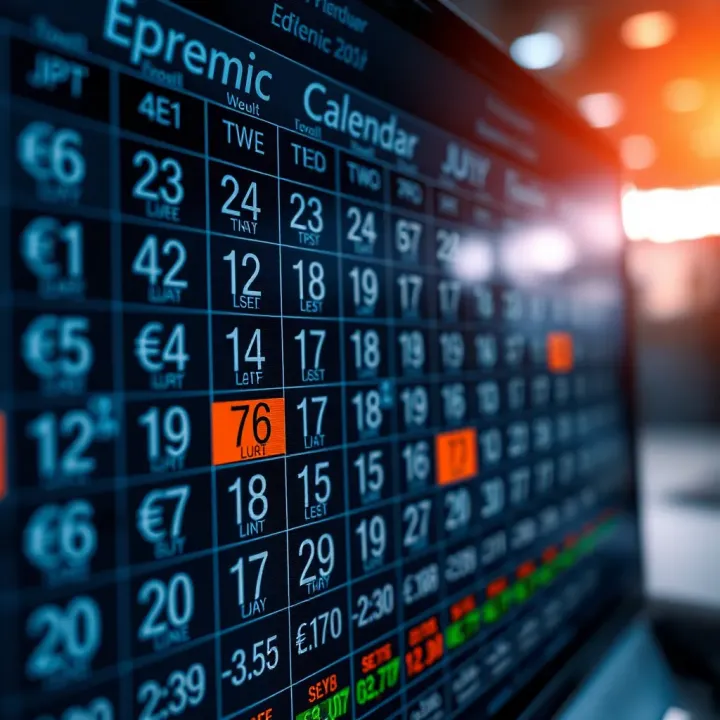
The forex economic calendar is an essential tool for anyone involved in currency trading. It highlights scheduled economic events and data releases that influence market movements across the globe, including in Pakistan. Understanding this calendar helps traders anticipate volatility and make better timing decisions.
Unlike regular calendars, the forex economic calendar lists events like central bank meetings, inflation reports, employment data, and GDP announcements. These events can cause sudden swings in currency values, creating both risks and opportunities for traders. For example, if the State Bank of Pakistan (SBP) announces an unexpected change in its policy rate, the Pakistani rupee may react sharply against the US dollar and other currencies.
Using the economic calendar effectively means knowing which events matter most and how they typically impact forex pairs. Events are often categorised by importance—high, medium, or low—so traders can prioritise their focus. High-impact events tend to trigger more significant price moves, while low-impact ones might go unnoticed unless they deviate substantially from forecasts.
Here are key points to consider when using the forex economic calendar:
Stay updated on local and international events: Pakistani traders need to track both domestic reports, like SBP policy statements, and international data such as US non-farm payroll numbers, which have global influence.
Understand market expectations: Often, price movements depend on how actual data compares with forecasts. For instance, if Pakistan’s inflation rate exceeds estimates, the rupee might weaken due to inflation worries.
Plan your trades around event timings: Some announcements come at fixed times, allowing traders to prepare or avoid risky periods.
Economic calendars are not crystal balls, but they give traders a roadmap to navigate volatile periods and reduce surprises.
In short, the forex economic calendar acts like a trader's compass. It points to moments when careful attention can pay off, whether by spotting profit chances or avoiding losses. For anyone serious about forex trading in Pakistan or beyond, mastering this tool is a step toward smarter, more confident trading decisions.
A forex economic calendar is an essential tool for traders to keep track of scheduled economic events that can influence currency markets. It lists upcoming announcements like interest rate decisions, inflation reports, and employment data, all of which impact forex volatility and price movements. For traders, especially those in Pakistan, this calendar provides crucial insights to plan and adjust trades effectively around market-moving news.
The economic calendar offers a schedule of financial events and data releases expected worldwide. It helps traders prepare ahead by signalling when markets may become active or volatile. For example, when the US Federal Reserve announces its interest rate decision, traders expect sudden price shifts across major currency pairs. This calendar acts like a roadmap to anticipate such movements and manage trading strategies accordingly.
Common entries include central bank policy statements, inflation numbers such as Consumer Price Index (CPI), unemployment figures like Non-Farm Payrolls (NFP), and GDP reports. These events often affect currencies differently depending on the country’s economic health. For Pakistani traders, besides international reports, monitoring releases from the State Bank of Pakistan and local inflation data matters, as these directly influence the Pakistani rupee’s strength.
Knowing the exact time and date of economic announcements helps traders avoid getting caught in unexpected market surges. For instance, a trader may hold off entering a position just before the SBP announces its monetary policy to prevent sudden losses. Conversely, some traders purposely trade volatility bursts triggered by news to capitalise on quick price swings.
Economic events often cause market unpredictability. By watching the calendar, Pakistani traders can tighten stop-loss orders or reduce trade sizes before major releases to limit risks. During episodes like sudden inflation spikes or trade deficit surprises, the rupee can fluctuate sharply. Awareness and preparation help traders shield their accounts from heavy losses caused by sudden shifts.
Staying updated on economic events isn't about trying to predict the future but about managing your trades smartly when markets become unpredictable.
Keeping an eye on a well-maintained forex economic calendar equips traders with timely knowledge, making their trading decisions smarter, responsive, and controlled amid ongoing market swings.
Knowing which economic indicators to monitor helps traders react quickly and wisely to market shifts. The forex economic calendar lists these key indicators, which impact both global currencies and Pakistan’s economy specifically. Understanding their practical impact can save you from costly surprises.
Interest rates set by central banks directly influence currency strength. When a central bank raises rates, the currency often appreciates because higher yields attract foreign investors. For example, the US Federal Reserve’s rate hikes tend to strengthen the US Dollar against other currencies including the Pakistani Rupee.
Traders track these announcements closely since markets can swing sharply either way based on expectations versus actual decisions. Suppose the SBP unexpectedly adjusts Pakistan’s policy rate; this alone could spark a significant move in the PKR's value.
GDP reveals how much a country's economy produces over a quarter or year. A stronger-than-expected GDP signals robust economic health, boosting confidence and the local currency’s value.
For instance, when China publishes a faster GDP growth rate, neighbouring Asian currencies usually gain, thanks to increased trade prospects. Pakistani traders should watch major economies’ GDP reports as they guide overall market sentiment and influence the PKR’s exchange rates indirectly.
Employment figures, especially the US Non-Farm Payrolls (NFP) report, are crucial. The NFP reflects the number of workers added or lost in the US economy, excluding farming jobs.
A stronger job market often means more consumer spending and economic growth, nudging the USD higher. Volatility spikes around NFP releases can impact emerging market currencies like PKR due to shifts in global risk appetite.
The SBP’s monetary policy decisions shape Pakistan’s financial landscape. Adjustments to the policy rate or liquidity measures influence inflation, investment, and currency stability.
When the SBP raises the policy rate, it usually aims to curb inflation, which may strengthen the rupee by attracting foreign capital. On the other hand, rate cuts can weaken the currency but stimulate economic growth. Traders need to track SBP statements closely to align their forex strategies accordingly.
Inflation measures like the CPI indicate how consumer prices change over time. High inflation typically weakens a currency as purchasing power erodes.
For Pakistan, a sudden jump in CPI reported by the Pakistan Bureau of Statistics can signal upcoming SBP interventions or policy shifts. Traders often use CPI data to predict such moves, adjusting their currency positions to manage risk.
Pakistan’s trade balance reflects the difference between exports and imports. A surplus means more foreign currency entering Pakistan, potentially supporting the PKR, while a deficit can exert pressure on the currency.
Monthly reports on remittances, textile exports, or oil import bills can cause noticeable swings in forex markets. For example, a sharp fall in exports or rise in imports reported through trade data can lead to PKR depreciation as demand for foreign currency rises.
Paying attention to these economic indicators helps you anticipate market movements and plan trades more effectively, especially in volatile markets like forex.
By following these indicators in the forex economic calendar, Pakistani traders can make better-informed decisions and respond smartly to both local and global economic developments.
Economic events directly affect currency values by causing fluctuations in supply and demand, and market sentiment. For traders in Pakistan and beyond, understanding how these events influence forex market movements is crucial for timing trades and managing risks effectively. Sudden releases of economic data can trigger sharp price swings, while long-term economic shifts can reshape currency trends.
Before major economic reports or central bank announcements, market participants form expectations based on forecasts and prior data. When the actual figures differ significantly from these expectations, volatility spikes.
For example, if Pakistan’s Consumer Price Index (CPI) inflation turns out higher than predicted, Pakistani rupee (PKR) might weaken quickly as traders anticipate tighter monetary policy. Conversely, better-than-expected employment data in the US can strengthen the US dollar, affecting PKR/USD exchange rates. Traders who watch the economic calendar closely can anticipate these volatility spikes and adjust their positions accordingly.
Right after the release of data, prices often react sharply in one direction. This is followed by corrections, as traders digest the information more thoroughly. For instance, a negative surprise in Pakistan’s trade balance figures might cause PKR to drop initially but recover as long-term investors assess the broader economic picture.
Fast reactions can offer trading opportunities, but they also carry risk of temporary price whipsaws. Many traders avoid opening new positions during these moments or use limit orders to control exposure.
Economic reports influence central banks’ decisions, which affect currency trends for weeks or months. If the State Bank of Pakistan signals interest rate hikes due to rising inflation, the rupee could gain strength as investors seek higher yields. On the flip side, indications of easing monetary policy might weaken the currency.
These policy shifts set market expectations for future economic conditions. Traders who factor in central bank guidance along with economic indicators can better position themselves for sustained currency movements.
Beyond fundamentals, economic events also influence global risk sentiment. For example, geopolitical tensions or poor economic data from major markets can trigger risk aversion, leading investors to sell off emerging market currencies like the PKR.
In contrast, strong economic performance and stable policies attract foreign capital into Pakistan’s markets, supporting currency appreciation. Monitoring risk sentiment alongside the economic calendar helps traders understand when capital flows might boost or pressure the PKR over the longer term.
Keeping an eye on both short-term surprises and long-term economic trends allows traders to make smarter decisions and manage forex market risks more effectively.
Traders who include the forex economic calendar in their strategy tend to make smarter, more timely decisions. The calendar acts like a roadmap, showing when important economic events and data releases occur, helping traders anticipate market reactions. This focus is especially relevant in Pakistan’s forex market, where external factors like SBP policy decisions or inflation data can cause sudden currency swings.
Setting entry and exit points is critical for managing risk and maximising gains. By checking the calendar before deciding when to open or close a trade, you can avoid unexpected market shocks. For example, a trader watching the SBP’s monetary policy announcement may delay entering a position until after the decision, using the confirmed move to determine the best price for entry or exit. Planning this way helps lock in better rates and reduces exposure during volatile moments.
Avoiding trading during unpredictable periods is equally important. Big economic releases often cause sharp price swings that can wipe out profits or cause heavy losses. Experienced traders sometimes step back and hold off trading during such events, especially when news is uncertain, like during inflation announcements or unexpected geopolitical developments. This patience can protect your capital from erratic market behaviour, allowing you to re-enter once the volatility settles.
Confirming trend signals through economic data strengthens trading decisions. Suppose your charts show a strong uptrend in USD/PKR, but the economic calendar predicts a likely interest rate hike by the State Bank of Pakistan. This event may support the technical signal, encouraging you to hold the position. Conversely, if economic data suggests weakening fundamentals, you might reconsider the trend and prepare for a possible reversal.
Adjusting stop-loss and take-profit levels based on upcoming economic events is a practical way to manage risk. Say you plan a trade before a major GDP report. You can set wider stop-loss limits to avoid getting stopped out by normal volatility caused by the news. Similarly, take-profit targets can be set more aggressively if the event is likely to push the currency strongly in your favour. This dynamic adjustment keeps your trade aligned with expected market behaviour, improving your chances of success.
Using the forex economic calendar isn't just about knowing when things happen; it’s about timing your actions smartly and managing risks well during those times.
In sum, integrating the economic calendar into your trading strategy allows you to prepare for market moves, confirms your technical signals, and fine-tunes your risk management. For Pakistani traders facing a complex global and local economic environment, this approach can make a noticeable difference in trading outcomes.
Access to a trustworthy forex economic calendar is essential for traders aiming to respond quickly to market-moving events. It helps you anticipate volatility and plan trades effectively by providing timely data about economic announcements. Choosing the right resource means you get accurate updates without delay, which especially matters for Pakistani traders navigating key local and global releases.
International platforms such as Investing.com and Forex Factory stand out as some of the most popular sources for forex economic calendars. These sites offer comprehensive coverage of economic events affecting currencies around the world. For example, Investing.com aggregates data from various countries, displaying indicators like interest rate decisions, GDP growth, and employment reports. Forex Factory also provides intuitive timelines and impact ratings, helping traders prioritise which events to watch closely.
Interpreting data from these platforms requires understanding event classifications and impact levels. Major releases usually come with a colour-coded system indicating expected volatility: red signals high impact, orange medium, and yellow low. Traders should pay close attention to consensus forecasts and actual figures shared afterwards, which determine the immediate market reaction. For instance, if Pakistan’s inflation number differs greatly from the Central bank’s target, it will reflect clearly on the PKR’s movement.
Mobile applications play a crucial role for Pakistani traders who need alerts on economic data, especially when away from screens. Apps like Investing.com’s mobile version or economic calendar-specific apps provide push notifications before major releases. These timely reminders help traders avoid unexpected positions during volatile periods or seize brief opportunities when prices move fast.
Besides mobile apps, local websites and financial news sources add important context tailored for Pakistan’s market conditions. Portals such as Business Recorder and Dawn Business section often highlight State Bank of Pakistan announcements, inflation updates, or trade balances right when they are published. Following these sources will ensure you’re not only aware of the data but also understand its implications on rupee valuation and related financial instruments.
Reliable economic calendars combined with Pakistan-focused alerts give traders a clear edge. They allow quick, informed decisions in a market affected by both domestic policies and global developments.
By leveraging these platforms and tools, you can track critical forex events and sharpen your strategy based on real-time, reliable data.
📊 Discover how binary quotes work in binary options trading! Learn to read, interpret, and manage risks for smarter trades in Pakistan’s market 🇵🇰
Explore the binary number system’s basics and its key role in computing and digital electronics. Learn how to read, convert, and apply binary code with handy PDF guides 📘💻
Explore how binary multiplication works with clear steps, real examples, common computing algorithms, and its significance in digital tech ⚙️💻🔢.

Explore binary converters 🔢: learn how they work, manual & digital methods, common uses, and troubleshooting tips. Perfect for students & tech pros.
Based on 12 reviews