
Understanding Daily Forex Trading Volume and Its Effects
📊 Learn about daily forex trading volume, market effects, and how volume trends impact Pakistani traders in local and global forex markets for better strategies.
Edited By
Amelia Dawson
The Australian dollar (AUD) is one of the world's most traded currencies, often influenced by both domestic policies and international market trends. If you're dealing with Australian dollar exchange—whether trading, investing, or planning travel—it helps to understand what's moving the rate today.
Several factors play leading roles in how the AUD shifts against other currencies:
Commodity Prices: Australia is a major exporter of commodities like iron ore, coal, and gold. When demand in countries like China spikes, that usually boosts the AUD. For example, iron ore prices rising in 2023 helped push the AUD up by nearly 5% over a few months.
Interest Rates: The Reserve Bank of Australia (RBA) sets benchmark rates that influence borrowing costs. Higher rates often attract foreign investment, strengthening the AUD, but sudden rate cuts can have the opposite effect. In 2024, RBA's decision on April 2nd to pause rate hikes led to a dip in the dollar’s value briefly.
Global Economic Health: A slowdown in global growth or trade tensions tends to send the AUD lower, given Australia's exposure to exports. During the 2022 trade uncertainties, the AUD dropped sharply against the U.S. dollar.
Risk Appetite: The AUD is sometimes seen as a "risk currency". When investors feel confident, they move into it for higher returns; when scared, they pull back to safer assets like the USD or gold.
Rates are quoted as pairs, such as AUD/USD, showing how many U.S. dollars one Australian dollar buys. Traders watch real-time prices from forex platforms like Bloomberg Terminal, Reuters, or daily updates via financial news sites.
Forex trading platforms: MetaTrader 5, OANDA
Financial news outlets: CNBC, Reuters
Bank websites: Commonwealth Bank of Australia, Westpac
These sources offer live feeds, historical data, and forecasts.
Keep in mind: The spot rate you see online differs from what banks or exchanges offer retail customers, who add margins or fees.
For Traders and Investors: Sharp moves in the AUD can create opportunities or risks. Protect gains with stop-loss orders and keep an eye on Australian economic reports like employment data or CPI releases.
For Businesses: Companies involved in imports or exports should monitor AUD trends to adjust pricing or hedge currency risk effectively. For instance, an American importer of Australian wine might lock in a better exchange rate ahead of seasonal demand.
For Travelers: Currency swings affect your travel budget. Booking flights or hotels early might save money before potential rate drops.
Understanding these basics gives you a solid edge when making decisions involving the Australian dollar. Stay tuned for deeper analysis on economic indicators and practical tips in the next sections.
Grasping the factors behind the Australian dollar’s (AUD) exchange rate is essential for traders, investors, and anyone dealing with international transactions. This knowledge helps you predict currency movements, manage risks, and make smart financial decisions.
The basic driver of the AUD rate is supply and demand in currency markets. When demand for Australian dollars rises—say, because foreign investors want to buy Australian assets—the price of AUD tends to go up. Conversely, if more investors flood the market with AUD to sell, its value falls. For example, if a hedge fund buys a large number of Australian stocks, they need AUD to do so, pushing up demand and the currency’s value.
Australia exports commodities like iron ore, coal, and gold, so their prices heavily impact AUD. When commodity prices climb, Australia earns more from exports, improving its trade balance. This often leads to a stronger AUD. Conversely, a slump in prices weakens the dollar. For instance, a sudden drop in iron ore prices can prompt exporters to convert fewer dollars back into AUD, reducing demand and lowering the exchange rate.
Interest rates set by the Reserve Bank of Australia (RBA) affect how attractive AUD investments are. Higher rates usually lure foreign capital seeking better returns, boosting the dollar’s value. On the other hand, if the RBA lowers rates to stimulate the economy, the AUD might weaken as investors look elsewhere for yield. This tune often influences traders who watch RBA announcements for clues.
Global events shape AUD too. For instance, a slowdown in China, Australia’s biggest trading partner, can reduce demand for Aussie exports, pressuring the currency. Similarly, US economic policies and the strength of the US dollar affect AUD/USD rates. During times of global uncertainty, investors may flock to safe havens like the US dollar, causing AUD to fall.
Spot rates represent the current price to exchange currencies immediately. If you need to convert dollars right now for a trip or business payment, the spot rate applies. Forward rates, however, are agreed upon today for currency exchange at a future date. Companies with international contracts often use forward rates to lock in costs and avoid surprises from rate swings.
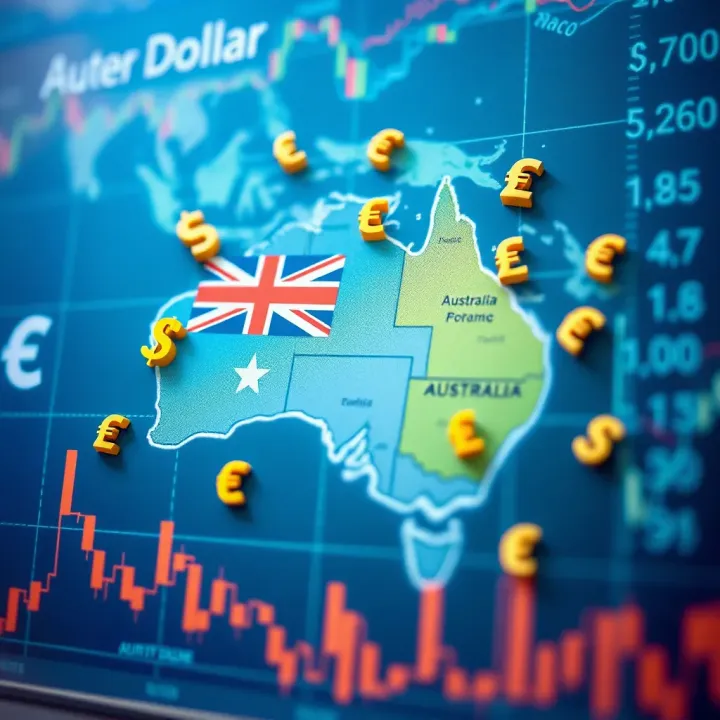
Exchange rates are always quoted as pairs, like AUD/USD—Australian dollars per US dollar. Understanding these pairs tells you how much one currency is worth relative to another. Traders monitor major pairs, as well as cross pairs like AUD/EUR, to spot opportunities or risks depending on movements in different regions. For example, if AUD/USD rises from 0.70 to 0.75, the Aussie dollar just got stronger relative to the US dollar.
Knowing these core concepts helps you navigate the twists and turns of currency markets with better insight and confidence.
Tracking recent movements in the Australian dollar (AUD) is key for traders, investors, and financial analysts since it reveals how global economic and political factors impact the currency’s value. Understanding these trends helps professionals anticipate market shifts and make smarter decisions, whether they're trading forex or managing cross-border investments.
The AUD/USD pair is the most actively traded currency pair involving the Australian dollar, heavily influenced by the economic health of both the US and Australia. For example, if the US Federal Reserve raises interest rates while the Reserve Bank of Australia (RBA) holds steady, the USD tends to strengthen against the AUD. That affects importers and exporters since a stronger USD makes Australian goods cheaper to American buyers but raises the cost of US imports for Australians.
The Australian dollar’s performance against the euro (EUR) reflects trade ties and economic policies in both regions. Suppose the European Central Bank loosens monetary policy while the RBA tightens it; the AUD generally gains ground. This has practical effects for investors holding European assets or Australians vacationing in the Eurozone, as currency swings influence purchasing power and potential returns.
China is Australia’s largest trading partner, so the AUD/CNY exchange rate closely tracks commodity demand and trade relations between the two. When China’s economy slows down or trade tensions flare, the yuan might weaken against the AUD. Businesses dependent on exports of iron ore or coal to China watch this pair closely, as currency shifts can alter profit margins and contract terms.
Australia's economy heavily relies on commodities like iron ore, coal, and natural gas. Prices for these goods can swing wildly—say, due to supply disruptions or changing global demand—and those shifts cause ripple effects in the AUD rate. When iron ore prices spiked earlier this year, it briefly pushed the AUD higher, benefiting Australian exporters but making Australian goods pricier for overseas buyers.
Interest rate changes and monetary policy updates from the RBA and other central banks like the Federal Reserve can significantly move the AUD’s value. When the RBA signals rate hikes to combat inflation, investors often flock to the AUD for better returns. Conversely, dovish policies or cuts can reduce demand. These decisions are crucial for anyone managing currency exposure or planning international investments.
Trade agreements, tariffs, and geopolitical tensions also reshape the AUD's value. For instance, this year’s trade negotiations between Australia and China created volatility in the AUD/CNY rate. Similarly, global events affecting US-China relations indirectly impact the AUD/USD pair through market fears or optimism. Traders and analysts need to keep an eye on these developments, as surprises can cause abrupt currency shifts.
Understanding recent trends isn’t just about numbers—it's about connecting economic dots to anticipate how the AUD will move next.
By keeping abreast of these factors, those involved in currency markets and overseas transactions can better time their trades and hedge risks effectively.
Knowing where to find the current Australian dollar (AUD) rate is essential for anyone dealing with currency exchange, whether you’re a trader, investor, or just planning your next business move. Real-time access to accurate information can make the difference between a smart decision and a costly mistake. With various platforms offering these rates, understanding their roles and differences helps you pick the best source quickly.
Websites like Bloomberg, CNBC, and Reuters provide up-to-the-minute updates on currency rates including the AUD. These sites are valuable because they integrate exchange rates with broader market news, offering context for rate movements. For example, if Australia’s central bank adjusts interest rates, these platforms will report both the event and its immediate impact on the AUD to USD rate.
Their strength lies in combining real-time data with analysis, which can guide not just when to trade but why. However, these sources may occasionally offer delayed quotes; still, for investors and analysts following global events, they are indispensable.
Apps such as XE Currency, OANDA, and Currency Converter Plus are handy tools for getting quick AUD rates on your phone or tablet. These apps update regularly and often let you set alerts for rate thresholds. If you’re on the go and want to monitor the AUD as it moves against the dollar or other currencies, these apps are practical.
They also ease calculation for non-technical users. Suppose you’re a tourist planning expenses in Australia—you can instantly see how much your home currency translates into AUD. Just remember, app rates can reflect interbank or average market rates, which might differ slightly from what you get at a bank or exchange.
Banks like Chase or Bank of America and currency exchange services regularly publish their AUD rates online. These are the rates you’ll encounter when buying Aussie dollars or repatriating funds. They typically differ from market rates since they include a margin to cover risk and profit.
Checking these rates before making transactions helps you spot the best offers and avoid unnecessary losses. For instance, if your bank’s AUD buy rate lags far behind the market rate, you might avoid converting funds there and look for a more competitive service.
Market rates are the wholesale currency values traded between banks and large institutions. Retail rates are what you get when exchanging currency as an individual. Retail rates almost always come with a spread or fee—often hidden in the quotes—making them less favorable.
Knowing this difference is key for investors and businesses alike. If a company estimates costs based on market rates but pays retail rates, the budget could be off by several thousand dollars, especially with large sums. Similarly, a trader who watches just retail rates may miss cues on market direction.
Real-time data streams reflect currency movements as they happen, often down to the second. Delayed data, on the other hand, lags anywhere from a few minutes to fifteen, depending on the source.
For high-frequency traders or those hedging big positions, real-time data is non-negotiable. Even a few minutes of delay can lead to losses or missed opportunities. Meanwhile, casual investors might find delayed data sufficient and sometimes prefer it for less noise.
Bottom line: Choosing the right source for the AUD rate depends on your needs—whether you require instant, precise numbers or a snapshot for general guidance. Always compare rates and check the timestamp to make informed currency decisions.
The Australian dollar (AUD) exchange rate has a direct impact on several aspects of everyday life, especially for travelers, businesses, and investors. Knowing where the AUD stands against other currencies helps you make smarter budget decisions, manage risks, and spot opportunities related to currency fluctuations. Whether you're planning a trip, importing goods, or trading currencies, understanding the AUD rate can save you money and help you avoid unexpected losses.
When the AUD weakens against the US dollar or euro, your vacation funds don’t stretch as far, especially in popular destinations like the United States or Europe. For example, if you budget $3,000 AUD for a two-week trip to New York, a weaker AUD means you get fewer dollars for your Aussie cash, raising your accommodation and dining costs. Conversely, a stronger AUD means you get more value abroad, potentially upgrading your trip or extending your stay without spending extra.
To make the most of your money when exchanging currency, it pays to shop around. Airport kiosks often offer poor rates, so consider ordering foreign currency from your local bank in advance or using specialized currency exchange services in your city. Another tip is to use credit cards with no foreign transaction fees for purchases abroad, which can often provide competitive exchange rates and added security. Always keep an eye on the exchange rate trends before your trip to pick the best time for exchanging large sums.
Businesses that deal internationally face risks when the AUD shifts unexpectedly against trading partner currencies. Hedging involves locking in exchange rates through financial tools like forward contracts or options to protect against adverse movements. For instance, if an Australian importer expects to pay $500,000 USD in six months, they might agree to a forward contract at a fixed rate to avoid surprises if AUD weakens. This predictability helps companies manage costs and plan more efficiently.
The timing of when to buy or sell currency can make a significant financial difference. Importers might delay purchases if the AUD is strong, stretching their purchasing power. On the flip side, exporters often prefer selling their goods when the AUD is weaker, making Australian products cheaper and more competitive internationally. Investors and traders watch these trends closely, adjusting positions to capitalize on expected currency moves.
Currency fluctuations create chances for investors to profit by trading forex or investing in assets sensitive to currency rates. For example, if an investor believes the AUD will appreciate due to rising commodity prices, they might buy AUD against another currency or invest in Australian resource stocks. Similarly, a declining AUD might attract foreign investors seeking cheaper Australian assets, pushing up prices and affecting returns.
Keeping a close watch on the AUD rate can help you make informed financial decisions, whether you're traveling, running a business, or investing in the markets.
📊 Learn about daily forex trading volume, market effects, and how volume trends impact Pakistani traders in local and global forex markets for better strategies.

Discover how binary computers work, their history, key components, and their vital role in today’s digital tech 🌐💻. Explore benefits, limits, and future trends.

Explore the identity and experience of non-binary women in Pakistan 🌈, covering gender beyond binaries, social challenges, legal rights, mental health, and community support.
📈 Discover how to choose the best real trading app for Pakistani investors with tips on security, features, and regulation. Stay ahead in Pakistan’s growing online market.
Based on 11 reviews