
Risk Management Strategies for Pakistani Finance
📊 Understand risk management in Pakistani finance: identify, assess, and control risks with practical strategies and regulatory insights for market resilience. 🇵🇰
Edited By
Sophie Hughes
Risk management is the backbone of successful trading, especially in volatile markets like Pakistan's stock exchange or the global cryptocurrency scene. Without managing risk, even the best trading strategies can lead to significant capital loss. The idea is simple: protect your investment so that you can stay in the game longer and grow your portfolio steadily.
Traders often make the mistake of focusing solely on potential gains, ignoring the unpredictable swings that can wipe out profits quickly. Effective risk management means controlling losses, setting limits before placing a trade, and knowing when to exit. This approach suits all trading styles, whether you prefer day trading equities, holding positional trades, or speculating on cryptocurrencies like Bitcoin or Pakcoin.
A disciplined risk management plan not only preserves your capital but also helps you trade with confidence and consistency.
Key components include setting a risk-to-reward ratio—usually risking only 1–2% of your capital on a single trade—and using stop-loss orders to limit downside. For instance, if you invest Rs 100,000 in a share, you might set a stop-loss to exit if the share drops 2%, risking Rs 2,000 only.
Besides stop-loss, diversification is crucial. Don't put all your eggs in one basket; spread your investments across sectors or asset classes like equities, commodities, and forex to reduce impact from any one market downturn.
Traders should also consider their own risk tolerance and adjust their strategies accordingly. A cautious investor might prefer swing trading with tight stop losses, while a more aggressive trader might take higher risks but with carefully planned exits.
Finally, use available tools and platforms for risk management. Pakistani traders can rely on broker platforms that offer real-time alerts, charting software for technical analysis, and position sizing calculators. These help monitor exposure and prevent surprises.
By understanding and applying these risk management basics, you can protect your capital from sudden shocks and maintain steady growth over time, regardless of market conditions.
Understanding the risks involved in trading is the foundation for any trader aiming to protect their capital and sustain profitability. Without a clear grasp of what risks exist and how they affect trades, it’s easy to make decisions that could lead to significant losses. This section breaks down the nuts and bolts of risk in financial markets, helping you approach trading more cautiously and thoughtfully.
In financial markets, risk refers to the possibility of losing money or not achieving expected returns due to market movements, economic events, or other factors beyond a trader's control. It’s not just about losing capital but also about the uncertainty around trade outcomes. For example, even a well-researched stock can suddenly fall because of geopolitical tensions, affecting your investment.
Common sources of trading risk include price volatility, economic policy changes, corporate announcements, and unexpected news events. Traders in Pakistan may notice that government decisions on taxes or imports can quickly impact sectors like textiles or energy, causing rapid price shifts. Understanding where these risks come from helps in preparing better strategies to guard against losses.
Market risk and volatility refer to the chance that price fluctuations will cause losses. Markets can swing widely during political uncertainty or earnings announcements. Suppose you bought shares of a power company just before a major load-shedding crisis worsens; the volatility might push prices down sharply.
Liquidity risk happens when you cannot sell an asset quickly at a fair price. This risk is common in thinly traded stocks or smaller cryptocurrencies in Pakistan. You might want to exit a position during a downturn but find there are few buyers, forcing you to sell at a much lower price.
Leverage and margin risk arise when trading using borrowed money. While leverage can multiply gains, it can also amplify losses beyond the initial investment. For instance, if you trade on margin with a local brokerage and prices move against you, you could face a margin call to add more funds or close your positions at a loss.
Emotional and psychological risks are often overlooked but can be the most damaging. Fear of losing money or greed to make a quick profit can push traders into rash decisions, ignoring their risk limits or trading plans. It is common in Pakistan’s active retail market for emotions to drive impulsive buying during hype or panic selling during corrections.
Recognising these different types of risk empowers you to develop a solid risk management approach, enabling smarter trading choices that help you survive and thrive in volatile markets.
In trading, understanding core principles of risk management helps protect your capital from unexpected market movements and keeps losses manageable. These principles guide how much to risk per trade, how to size positions, and where to place stop-loss orders. Applying these basics consistently can prevent small losses from turning into large, portfolio-damaging ones.
Determining acceptable loss per trade is about setting a maximum loss level you’re willing to bear on any single trade. This is usually a small percentage of your total trading capital, commonly 1-2%. For example, if your trading account has Rs 1 million, risking Rs 10,000 (1%) per trade means you won’t lose your entire capital in a few bad trades. This discipline keeps emotional decisions in check, preventing you from chasing losses or overtrading.
The risk-reward ratio compares the potential profit to the possible loss on each trade. A good practice is to look for trades where potential profit is at least twice the possible loss, a 2:1 ratio. For instance, if you risk Rs 10,000, aim to make Rs 20,000 or more. This ratio means you only need to win about half your trades to remain profitable, which makes trading more sustainable in the long run.
Calculating trade size based on capital means adjusting how many shares or units you buy depending on the risk you’re willing to take. If you set a 1% risk per trade and your stop-loss is Rs 5 below your entry price per share, then you decide how many shares equal Rs 10,000 in risk. This keeps exposure balanced and prevents oversized trades that can drain your account quickly.
Diversification spreads risk across different assets or sectors. Relying solely on a single stock, forex pair, or cryptocurrency can expose you to sudden losses if that market drops sharply. By diversifying—say, investing in KSE-100 stocks, commodities, and international ETFs—you reduce the chance all your investments drop together, stabilising your portfolio.
There are different types of stop-loss orders traders can use, such as fixed stop-loss, trailing stop-loss, and time-based stop-loss. Fixed stop-loss sets a predetermined price point to exit a trade if it moves against you. Trailing stop-loss adjusts with price movements, locking in profits as the market moves favourably. Time-based stop-losses close positions if they don't swing as expected within a certain period.
Placement guidelines are vital to avoid premature exits or heavy losses. Placing stop-loss orders too close to the entry price may cause your position to be stopped out due to routine market noise. Conversely, setting stops too far exposes you to bigger losses. For example, keeping a stop just below recent support levels for a stock on the Pakistan Stock Exchange balances limiting losses without getting whipsawed by small price fluctuations.
Sticking to these core principles is key to protecting your capital and building steady profits over time. Each element supports disciplined trading by managing how much you risk, where to cut losses, and how to size your trades sensibly.
By understanding and applying these basics, you’re not just gambling on the market but trading with a clear, controlled approach that can handle Pakistan’s volatile market conditions and sudden news impacts effectively.
Practical risk control strategies help traders manage their exposure to losses while staying flexible in changing market conditions. These strategies provide a framework to balance risk and reward, enabling you to protect your capital systematically rather than relying on guesswork or gut feeling. In Pakistan's markets, where volatility can spike during political or economic events, applying sound risk control keeps your portfolio resilient.
Diversification reduces risk by spreading investments across different assets and markets, so negative moves in one area don’t wipe out your entire capital. Think of it as not putting all your eggs in one basket. For example, if you hold shares in just one sector like textiles, a sector-specific downturn will hit you hard. But if you spread investments to textiles, oil and gas, and banking sectors, losses in one can be offset by gains or stability in others.
In Pakistan, accessible asset classes include equities listed on the Pakistan Stock Exchange (PSX), government and corporate bonds, commodities like gold and oil traded through local brokers, and a growing cryptocurrency market. Additionally, international mutual funds or ETFs can be purchased via brokerage accounts that offer such facilities, providing further diversification across global markets. Using these options properly can reduce Pakistani traders’ overall portfolio risk significantly.
Day trading and swing trading require different risk levels because timeframes and market exposure differ greatly. Day traders hold positions only for minutes or hours, making them vulnerable to intraday volatility but less to overnight gaps. Therefore, day traders often take smaller position sizes with tighter stop-loss orders to contain daily loss. Swing traders, on the other hand, hold trades for several days or weeks, exposing them to wider market moves and unexpected events over time. They usually allow for wider stops and accept higher risk per trade.
Matching risk tolerance to these timeframes is crucial. For instance, a day trader might risk 0.5% of their capital per trade while a swing trader could risk 1-2%. This adjustment aligns potential loss with the strategy’s nature and market dynamics, improving discipline and avoiding emotional decisions.
Leverage magnifies both gains and losses by allowing you to trade larger positions than your actual capital. For example, using 10:1 leverage means a Rs 10,000 margin controls Rs 100,000 worth of assets. If the market moves favourably, profits increase tenfold, but losses do too. Unchecked leverage can quickly erode your account if the trade goes wrong.
In Pakistan, brokerage accounts usually offer margin trading under regulatory norms set by the Securities and Exchange Commission of Pakistan (SECP). Prudent use of margin involves borrowing limits aligned with your capital and only using leverage where you understand the risks clearly. For example, novice traders should avoid high leverage during volatile markets like PSX around budget announcements or political events. Using margin cautiously preserves capital and avoids margin calls, which can force unwanted liquidations at a loss.
Effective risk control balances your appetite for gain against the potential for loss. Staying mindful of diversification, trading style, and leverage will make your trading resilient and sustainable in Pakistan’s dynamic markets.
Modern trading heavily relies on tools and technology to keep risks in check. For traders in Pakistan and worldwide, using the right software and platform features can help monitor market movements closely and limit potential losses. These tools aren't just for experts; even beginners can benefit from automated features and real-time data.
Charting and technical indicators are essential for risk decisions. They help traders identify entry and exit points by signalling market momentum, support, and resistance levels. For example, using the Relative Strength Index (RSI) can alert you if a stock is overbought or oversold, which might warn of a possible reversal. Pakistani traders can apply such tools on platforms like PSX's official trading interfaces or popular brokerage apps that offer charting features.
Risk management modules integrated into many trading platforms add another layer of security. These modules often include tools to set maximum daily loss limits or track the overall exposure across portfolios. By monitoring these risks continuously, traders avoid surprising losses that could wipe out significant capital. Platforms such as IG or MetaTrader used by some Pakistani brokers include plugins for risk tracking tailored to different asset classes.
Setting automated stop-loss and take-profit orders is a practical way to manage risk without constant monitoring. A stop-loss order automatically squares a position when the price hits a certain threshold, containing the downside. For instance, if you buy a share of a company listed on the Pakistan Stock Exchange at Rs 500, setting a stop-loss at Rs 450 means you won’t lose more than Rs 50 per share if the price falls. Similarly, take-profit orders lock in gains once the price reaches a favourable level.
Price alerts also play a crucial role in limiting losses. These alerts notify you when a security hits a target price or moves unusually. Instead of checking prices all day, traders get instant updates through mobile push notifications or emails. This helps traders act quickly, especially during volatile sessions when prices can swing sharply. Apps like JazzCash or Easypaisa may soon integrate such features in their investment services, reflecting the local market's growing tech adoption.
Using these technological tools, traders equip themselves to manage risks more practically and less emotionally, turning real-time data into timely decisions that protect their capital effectively.
The combination of analytic software and automated orders helps Pakistani traders navigate markets confidently, whether trading equities, commodities, or forex. Leveraging these smart tools forms a solid foundation for a risk-aware trading strategy.
Managing emotions is just as vital as tracking numbers in trading. The psychological side plays a big role in controlling risk, yet many traders overlook it. If you let fear or greed drive decisions, you might end up taking larger losses or missing out on profits. For instance, fear can make you exit a trade too early, locking in small gains while the market moves favourably. On the other hand, greed can tempt you to hold positions too long, chasing unrealistic profits and exposing your capital.
Fear and greed are natural reactions but often harm trading outcomes. In hectic markets, fear might push you to sell hastily at a loss, while greed pushes you to ignore exit signals. Many traders in Pakistan experience fear during volatile times, like sudden rupee depreciation or geopolitical tensions affecting the stock exchange. Recognising these emotional cues can help you pause before reacting impulsively. When emotions rise, take a moment to review your trading plan rather than making snap decisions.
Discipline is key to keeping emotions in check. One effective method is to develop clear entry and exit rules, then follow them regardless of emotional urges. For example, always placing a stop-loss at a pre-defined level ensures that fear does not force premature selling, and greed doesn't lure you into holding beyond your plan. Another technique is journaling each trade, noting emotional state and decision reasoning. This habit builds self-awareness and improves future trades. Having regular breaks during trading sessions also helps prevent emotional burnout, particularly in intense markets like forex or cryptocurrency.
A written trading plan acts like a roadmap through market chaos. It should state your risk limits, preferred trading instruments, entry and exit criteria, and how you handle emergencies. Having everything written down removes guesswork and prevents emotional wandering. For instance, a trader using the Pakistan Stock Exchange might decide to risk only 1% of their capital per trade and never break this rule, even when tempted by hot tips. This builds consistency and protects capital.
Markets and personal circumstances change, so your plan should not be rigid. Regular reviews allow you to learn from previous trades, spot weaknesses, and adapt. Perhaps you notice certain strategies perform poorly during monsoon season when markets are sluggish. Incorporating such insights lets you modify risk tolerance or switch strategies suitably. Reviewing also prevents overconfidence – after a winning streak, traders may feel invincible and overtrade. A disciplined review process keeps such risks in check.
Psychological discipline turns risk management from guessing game to skill. Control over emotion, backed by a solid written plan, makes trading less about luck and more about consistent success.
By focusing on these psychological aspects alongside technical tools, traders in Pakistan can better protect their capital and navigate volatile markets calmly and confidently.
📊 Understand risk management in Pakistani finance: identify, assess, and control risks with practical strategies and regulatory insights for market resilience. 🇵🇰

Explore how effective risk management helps identify dangers, improves decision-making, limits losses, and strengthens financial stability for your business. 📉💡
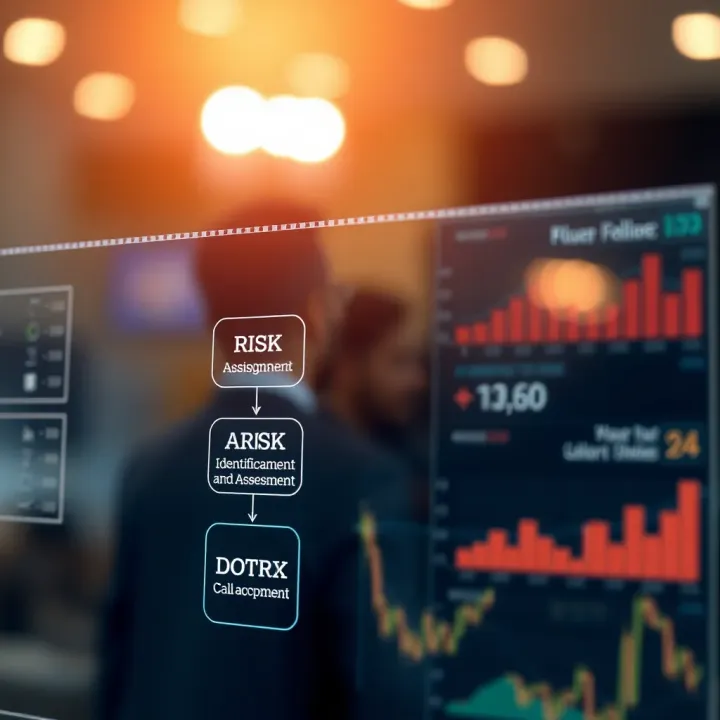
Master risk management planning with practical tips on identifying, assessing and addressing risks in Pakistan's business environment 📊 ensuring smarter decisions and safer projects.

📊 Discover how risk management helps Pakistani businesses and individuals spot, assess, and control risks to prevent losses and make smarter decisions effectively.
Based on 6 reviews