

Choosing the Best Forex Broker in Pakistan
Find the best forex broker in Pakistan by comparing regulation, trading platforms, costs, and support. Avoid common mistakes and trade smartly! 💹🇵🇰
Edited By
George Whitaker
Forex trading in Pakistan has gained traction due to easier internet access and rising financial awareness. Still, picking the right forex broker can be tricky, especially with many options claiming to serve Pakistani traders. Getting this choice right means you protect your investment, enjoy smooth trade execution, and gain access to reliable support.
Not all brokers operate under the same rules or offer identical services. Some might promise low spreads but charge hefty commissions or provide platforms incompatible with common devices in Pakistan. Others might lack proper regulatory backing, increasing risk for local traders.
Regulation and Trustworthiness: Look for brokers registered with recognised authorities such as the Securities and Exchange Commission of Pakistan (SECP) or reputable international regulators like the FCA (UK) or CySEC (Cyprus). This ensures your funds are better protected.
Trading Platforms: Ensure the broker supports popular platforms like MetaTrader 4 or 5, which are easy to use and widely supported here. Mobile app availability is essential due to frequent loadshedding and mobile-first internet habits.
Fees and Spreads: Analyse their fee structure carefully. Brokers might offer zero commission but compensate with wider spreads. Check if swap rates or withdrawal charges apply, as these can quickly add up.
Account Types and Minimum Deposits: Brokers should offer account types suiting different experience levels. For example, micro accounts with low minimum deposits (e.g., $100 or Rs 15,000) help beginners start without heavy risk.
Customer Support: Local or Urdu-speaking support benefits traders facing technical or transactional questions. Fast, accessible support builds confidence and resolves problems promptly.
Selecting a forex broker solely based on flashy marketing or promises on social media is risky. Instead, focus on tangible factors like transparent fees, reliable platforms, and strong regulation to safeguard your trading journey.
Being cautious upfront saves headaches later. This article will guide you through practical steps and comparisons of brokers accessible in Pakistan, ensuring your choices meet your trading needs and local context.
Grasping the basics of forex trading is essential for anyone aiming to enter Pakistan's currency markets. The forex market involves buying and selling foreign currencies, which can offer opportunities even for small investors due to its high liquidity and 24-hour operation. For Pakistani traders, understanding local market dynamics and global economic influences is especially important to navigate currency fluctuations efficiently.
Forex trading has gained popularity in Pakistan over recent years, largely driven by increased internet access and smartphone use. Many young investors see it as a quick route to profits compared to traditional stock or commodity markets. The forex market trades in pairs, like USD/PKR or EUR/USD, where traders speculate on currency value changes. For example, a trader expecting the Pakistani rupee to weaken against the US dollar might buy USD/PKR pairs to profit from this movement.
Pakistan's economic ties with the US, China, and Gulf countries influence forex trading volumes significantly. Moreover, remittances from overseas Pakistanis and foreign investment inflows often impact the demand for certain currencies. This means shifts in those flows can create trading opportunities or risks that Pakistani traders need to consider.
Forex trading in Pakistan operates under the oversight of the State Bank of Pakistan (SBP) and the Securities and Exchange Commission of Pakistan (SECP). However, the forex market remains somewhat restricted by Pakistani laws, particularly regarding local currency trading. Only authorised banks and forex dealers can legally handle spot PKR transactions, meaning many retail investors access forex markets through overseas brokers.
Traders should be cautious when selecting brokers since the FBR monitors foreign exchange remittances closely. Non-compliance with SBP's rules on forex can result in penalties. Therefore, verifying that a broker is reputable and authorised either internationally or locally is key. For example, many Pakistan-based traders use internationally regulated brokers who comply with regulations in their home countries but still provide services in Pakistan.
Understanding these legal nuances helps traders avoid potential problems like blocked withdrawals or account freezes.
In short, a solid understanding of Pakistan’s forex market and regulatory landscape helps traders make smarter decisions, manage risks better, and find brokers suited to Pakistani conditions. This foundation prepares you to evaluate brokers effectively and participate in the forex market safely and confidently.
Selecting the right forex broker is a critical step for Pakistani traders aiming to navigate the currency markets confidently. Several factors influence the trading experience, from safety to cost-effectiveness and convenience. Understanding these key points helps avoid pitfalls and ensures you get a broker that suits your strategy and financial goals.
Regulation is your foremost protection against fraud and malpractice. Pakistani traders should look for brokers authorised by reputed agencies such as the Financial Conduct Authority (FCA) in the UK, the Australian Securities and Investments Commission (ASIC), or the Cyprus Securities and Exchange Commission (CySEC). While Pakistan’s own Securities and Exchange Commission (SECP) does not regulate most forex brokers, those listed with internationally recognised regulators provide a layer of trust and legal recourse.
Moreover, check if the broker complies with anti-money laundering (AML) policies and Know Your Customer (KYC) procedures, which are standard for reputable firms. For instance, a broker claiming regulation without formal licensing should raise a red flag.
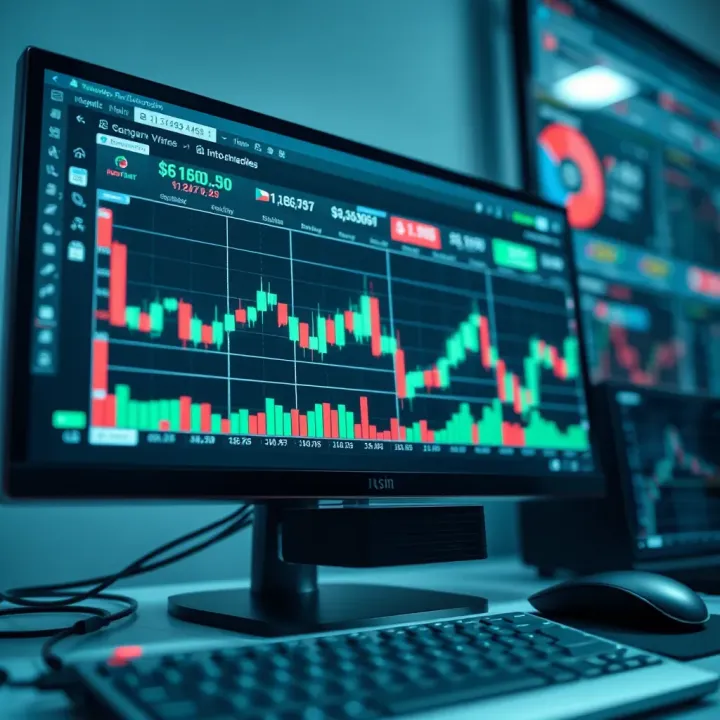
Trading platforms are your main interface with the forex market. MetaTrader 4 (MT4) and MetaTrader 5 (MT5) are popular choices among Pakistani traders due to their user-friendly design and advanced charting tools. Some brokers also offer their proprietary platforms or support web and mobile apps, which need to be reliable and responsive.
Besides basic tools, consider whether the broker offers risk management options like stop-loss orders, real-time news feeds, and technical indicators. For example, a platform with integrated Economic Calendars helps you track market-moving events swiftly, an advantage in volatile markets.
Costs directly affect profitability. Brokers typically charge spreads—the difference between buy and sell prices—and sometimes commissions per trade. In Pakistan, spreads vary widely; sometimes brokers offer fixed spreads while others provide variable ones that change with market liquidity.
Also, be mindful of hidden fees such as overnight swaps or inactivity charges. For example, if you plan to hold positions longer, swap fees matter. Choosing a broker with competitive spreads and transparent fees, like certain international brokers accessible in Pakistan, can make a difference in your net gains.
Good customer service is often overlooked but vital, especially if you face urgent issues like payment delays or platform glitches. Brokers with multilingual support, including Urdu-speaking staff, can resolve problems faster for Pakistani traders.
Some brokers provide localised services such as deposit and withdrawal methods tailored to Pakistan – for example, support for JazzCash, Easypaisa, or direct bank transfers through Pakistani banks helps smoothen transactions. Also, verify the availability of support during Pakistan Standard Time (PKT) hours.
Forex brokers usually offer several account types with different features and investment minima. Beginners may prefer micro or mini accounts that allow trading with smaller amounts, sometimes as low as $10-$50. Advanced traders might opt for standard or VIP accounts with better spreads and leverage but higher minimum deposits.
Take into account your budget and trading experience while choosing. For instance, if a broker demands a minimum deposit of $500, it might be unsuitable for someone starting with only Rs 20,000 equivalent.
Always align your broker choice with your trading style, risk appetite, and budget. Checking these key factors thoroughly saves time and prevents costly mistakes down the road.
By giving attention to regulation, platforms, costs, support, and account plans, you can narrow down brokers compatible with Pakistani traders' needs and seize better opportunities in forex trading.
Choosing a reliable forex broker is a must for Pakistani traders to ensure smooth trading and secure investments. This section highlights the options available locally and internationally, providing insight into their strengths and challenges.
Pakistani traders often have access to brokers regulated abroad but also see an emergence of local brokers offering services tailored to Pakistan's market. Local brokers such as Alpari Pakistan cater specifically to the needs of Pakistani clients by offering deposit and withdrawal options in PKR, easy interfacing with JazzCash and Easypaisa wallets, and customer support in Urdu and English.
On the international side, brokers like XM, OctaFX, and FXTM are popular choices due to their global reputation, variety of trading instruments, and competitive trading conditions. These brokers usually provide multilingual platforms, advanced trading tools like MetaTrader 4 and 5, and access to various payment methods suitable for Pakistani traders.
However, international brokers often require verification of identification through CNIC and proof of residence to comply with local regulations. Pakistani traders should also be cautious about the broker's licensing—preferably from well-known authorities such as FCA (UK), CySEC (Cyprus), or ASIC (Australia)—to avoid scams.
When deciding among brokers, Pakistani traders can weigh important factors such as spreads, leverage, minimum deposits, and customer support. Here's how some popular brokers stack up:
Alpari Pakistan
Minimum deposit: Rs 5,000
Maximum leverage: 1:1000
Spreads: Starting from 1.2 pips
Local deposit/withdrawal via Easypaisa and JazzCash
Customer support: Urdu and English
XM
Minimum deposit: $5 (~Rs 1400)
Maximum leverage: 1:888
Spreads: From 0.1 pips (in XM Zero account)
Diverse account types for beginners and experts
Multilingual support with timely responses
OctaFX
Minimum deposit: $100 (~Rs 28,000)
Maximum leverage: 1:500
Spreads: from 0.4 pips
Local payment options and prompt withdrawal
Educational resources and webinars
Traders should always match their trading style and capital with a broker’s offerings. For example, scalpers may prefer brokers with tight spreads, while beginners benefit from local customer support in Urdu.
Pakistani forex traders face distinct challenges that impact their trading experience and outcomes. Understanding these difficulties helps traders prepare better strategies and select brokers suited for local conditions. Among the most pressing issues are payment methods, withdrawal processes, exchange rate fluctuations, and regulatory hurdles.
Access to reliable payment methods is vital for smooth trading and timely withdrawals. Many Pakistani traders struggle with limited local options; international brokers often rely on bank wire transfers or global e-wallets like Skrill, yet these can be costly or slow due to Pakistani banking regulations.
For example, a trader using a traditional bank transfer might wait several days for funds to clear, which can be frustrating when markets move fast. In contrast, platforms like JazzCash or Easypaisa offer quicker local transfers, but not all brokers support these. Pakistani banks also occasionally impose restrictions on foreign currency transfers, complicating deposits and withdrawals.
To avoid delays and extra charges, traders should verify a broker’s payment methods and ensure they include convenient, low-cost options suitable for Pakistan. Checking if the broker uses PTA-approved channels and supports local mobile wallets can save time and money.
Currency fluctuations significantly affect Pakistani traders, especially since forex transactions convert between PKR and foreign currencies. The rupee’s volatility against the US dollar or euro can alter account balances and margin requirements unexpectedly.
For instance, a sudden depreciation of PKR can increase the effective cost of trading or lead to margin calls if the broker settles trades in US dollars. Traders must factor this into risk management.
Moreover, Pakistan’s regulatory environment restricts some forex activities. NEPRA and State Bank of Pakistan policies limit cross-border currency moves to prevent capital flight and money laundering. These regulations can delay or block certain withdrawals and even close accounts not compliant with local laws.
Therefore, Pakistani traders need to choose brokers who understand the local rules and offer compliant solutions. Brokers that facilitate transparent, legal transactions with clear documentation ease the regulatory burden and reduce surprises.
Navigating payment options and currency policies is just as critical as selecting spreads or leverage. Ignoring these challenges can lead to unexpected costs or blocked funds.
In brief, overcoming payment and regulatory challenges requires due diligence. Pakistani traders should prioritise brokers offering localised payment support, transparent currency handling, and full regulatory compliance to trade effectively without unnecessary obstacles.
Trading forex in Pakistan requires a solid understanding of safety measures and effective strategies to protect your investment. This section focuses on practical advice that helps you navigate the market wisely and avoid common pitfalls. Protecting your funds and making informed decisions only come with the right habits and tools.
Always confirm the authenticity of a forex broker before you trade. Many fraudulent brokers target Pakistani traders, offering attractive deals but disappearing with your money. Check if the broker is regulated by a reputable authority such as the Financial Conduct Authority (FCA) in the UK or the Australian Securities and Investments Commission (ASIC). While Pakistan’s Securities and Exchange Commission (SECP) does not regulate forex brokers directly, its website often lists warnings about unlicensed firms.
Additionally, verify whether the broker has an active presence in Pakistan, including local customer support and clear business registration. Look for reviews on trusted Pakistani financial forums and platforms like Pakistan Stock Exchange (PSX) community discussions. Avoid brokers that pressure you to deposit money quickly or offer unrealistic returns. Remember, if it looks too good to be true, it often is.
Always take time to research thoroughly. Scammers rely on haste and excitement; patience saves money.
Before committing real funds, use demo accounts offered by reputable brokers. Demo trading mimics live markets without financial risk, helping you learn the platform and test your strategies. For example, brokers like XM or FXTM provide demo accounts with real-time data, ideal for practising breaking down currency pairs or experimenting with leverage.
Risk management is equally vital. Pakistani traders should never risk more than 2% of their trading capital on a single position. Tools like stop-loss orders help limit losses if the market moves against you. Using leverage cautiously is key; large leverage may increase profits but also magnifies losses. Starting with lower leverage, such as 1:10, can protect you from rapid capital erosion.
Moreover, keep track of your trades using a journal or spreadsheet. Monitoring your successes and mistakes helps refine strategies over time.
In short, combining broker verification, demo trading, and solid risk control creates a safer and more productive forex experience in Pakistan. With markets always shifting, these habits can shield your capital and enhance your chance of success.
Find the best forex broker in Pakistan by comparing regulation, trading platforms, costs, and support. Avoid common mistakes and trade smartly! 💹🇵🇰
Find your ideal forex trading broker in Pakistan 🇵🇰 with tips on regulation, platforms, fees, and support to trade smart and safe in the forex market 💹.
Find the best forex broker in Pakistan! Explore top platforms, account types, fees, regulatory info, and local support to suit your trading needs. 💹🌏

🌐 Learn how to start forex trading in Pakistan with practical steps on choosing brokers, managing risks, and staying within legal rules in Pakistan's market.
Based on 12 reviews