

Best Stock Trading Apps in Pakistan: A Practical Guide
📈 Find the best stock trading app in Pakistan! Compare features, security, and ease of use to pick the right platform for your investment goals.
Edited By
Amelia Wright
Pakistan’s stock market is a fast-moving environment, influenced by a mix of economic factors, political events, and investor sentiment. The main hub of trading activity is the Pakistan Stock Exchange (PSX), which provides real-time updates on stock prices, volumes, and key indices like the KSE-100, KSE-30, and KMI-30.
The KSE-100 Index is often the go-to benchmark, representing the top 100 companies by market capitalization. It’s a solid gauge of the market’s overall health. For instance, when the KSE-100 rises, it usually signals growing investor confidence and economic optimism. Conversely, sharp drops might point to concerns over inflation, political instability, or global market trends.
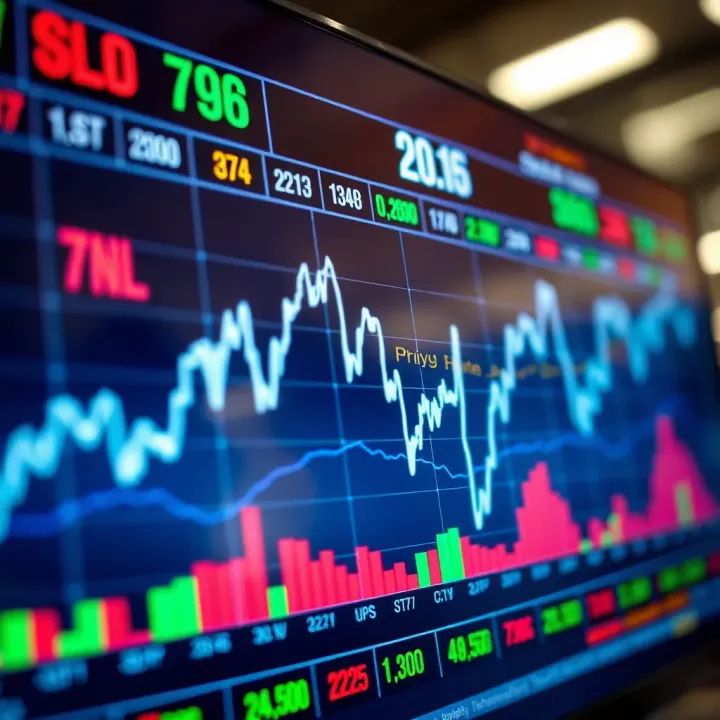
Understanding how external forces, such as changes in government policies or international commodity prices, impact the PSX can give you an edge in predicting market shifts.
Economic Data: GDP growth rates, inflation levels, and currency stability directly affect investor trust and capital flows.
Corporate Earnings: Quarterly earnings reports from major listed companies often cause significant price swings.
Political Landscape: Election results, regulatory changes, or diplomatic developments tend to influence risk appetite.
Many traders and investors monitor real-time data through official PSX platforms, brokerage apps like IGI Securities, or financial news outlets such as Bloomberg Pakistan. These sources provide up-to-the-minute quotes, trade volumes, and market depth.
Staying on top of market trends means spotting patterns in price movements and volume spikes. Technical analysis tools, like moving averages or Relative Strength Index (RSI), are popular among Pakistani investors for timing entry and exit points.
Additionally, watching sector-specific performance—for example, banking or energy stocks—can reveal where the market’s momentum is building.
Bottom line, keeping a close eye on live market updates and understanding what drives the PSX lets you react quickly and make informed investment choices. The market’s no crystal ball, but being equipped with current info and analytical tools puts you ahead in the game.
Understanding the basics of Pakistan's stock market is essential for anyone looking to navigate its fast-moving environment. This overview provides a snapshot of key elements like its major exchanges, main indices, and how daily trading unfolds. Knowing these fundamentals helps traders and investors make sense of market activity, spot opportunities, and manage risks more effectively.
Pakistan Stock Exchange (PSX) overview
At the heart of Pakistan’s stock trading lies the Pakistan Stock Exchange (PSX), formed by the merger of the Karachi, Lahore, and Islamabad exchanges. PSX is the lone stock exchange in Pakistan and serves as the central hub where stocks, bonds, and commodities trade. Its importance can’t be overstated—it reflects the economic health of the country and offers a transparent platform for trading. For example, a surge in PSX volume often signals increased investor confidence.
Main indices: KSE-100, KSE-30, and All Share Index
The PSX tracks market activity through several indices. The KSE-100 Index is the most popular—it represents the top 100 companies by market capitalization and is often used as the benchmark for Pakistan’s market performance. Meanwhile, the KSE-30 Index focuses on the top 30 blue-chip stocks, offering a more focused look at high-performing leaders. Finally, the All Share Index covers all listed companies, giving a broad market perspective. Each index plays a crucial role for investors who want to monitor overall trends or target specific sectors.
Trading sessions and hours
PSX operates from Monday to Friday, typically running two sessions: a pre-market session from 9:15 AM to 9:30 AM and the main trading session from 9:30 AM to 3:30 PM Pakistan Standard Time. Knowing these hours is critical for traders aiming to catch timely moves or place orders strategically. For example, many traders watch the opening minutes closely, as early trades can set the tone for the day.
Types of traded securities
The market deals with various securities, including equities (shares), government and corporate bonds, and futures contracts. Equities remain the most actively traded, representing ownership in companies like Habib Bank or Pakistan Oilfields. Bonds offer fixed income, often attractive during uncertain times, while futures allow hedging against price changes, popular among more sophisticated investors.
Market participants and their roles
Participants range from retail investors and institutional players to brokers and market makers. Retail investors often focus on long-term gains, while institutions like mutual funds or pension funds tend to execute large trades influencing price trends. Brokers act as intermediaries, executing orders on behalf of clients, and market makers provide liquidity, ensuring smoother transactions. Understanding these roles helps investors grasp market dynamics—for instance, a sudden drop could result from institutional profit-taking rather than retail panic.
Getting familiar with PSX’s setup, trading hours, securities, and participants gives you the practical edge to make smarter decisions amid Pakistan's evolving stock market.
Tracking live market data is essential for anyone involved in Pakistan's stock market. It provides real-time insights into price fluctuations, trading volumes, and overall market sentiment, helping traders and investors make timely and informed decisions. Without access to up-to-the-minute data, even the best investment strategies can fall short, especially in volatile conditions.
Official PSX websites and platforms offer the most reliable source for live market data. The Pakistan Stock Exchange (PSX) provides direct feeds on index movements, stock prices, and trading volumes. These platforms showcase official transactions and limit delays, making them a go-to for accurate data. For example, users can monitor the KSE-100 index live, which reflects the performance of the top 100 companies listed, giving a quick snapshot of market health.
Financial news portals and apps supplement official data with analysis, breaking news, and market forecasts. Websites like Bloomberg and Reuters, along with mobile apps such as Investing.com or MoneyControl, offer live updates along with expert commentary. These tools help paint a broader picture, tracking macroeconomic changes impacting Pakistan’s stocks, like government policy shifts or currency fluctuations, while presenting data in user-friendly formats.
Brokerage firms' live feeds are another key source, especially for active traders. Leading firms such as AKD Securities and Topline Securities provide proprietary platforms with real-time streaming of trade orders, stock price charts, and analytical tools. This granular data helps investors react quickly to market trends or sudden price changes during trading hours. Plus, brokerage platforms often include alerts tailored to users’ watchlists, enhancing proactive decision-making.

Reading index movements involves understanding what shifts in major indices like KSE-100 or KSE-30 signal. An upward trend often points to growing investor confidence or positive earnings reports from big companies. Conversely, sharp declines might indicate economic concerns or political instability affecting market sentiment. Traders watching these indices can gauge the overall market mood and anticipate potential risks or opportunities.
Understanding volume and price changes goes beyond just noticing rising or falling numbers. Volume indicates the number of shares traded over a period, shining a light on the strength behind a price move. For example, if a stock’s price rises sharply but volume is low, that bounce could be weak or short-lived. High volume on price moves typically confirms a stronger trend, which is crucial for deciding entry or exit points.
Market sentiment signals reflect collective investor emotions, which can drive short-term market direction. Tools like volatility indices, put/call ratios, or social media chatter analysis help interpret this mood. For instance, heavy selling after a government announcement could reveal bearish sentiment, prompting traders to reconsider positions. Conversely, optimistic sentiment might fuel rallies even when economic data remains unchanged.
Staying connected with live market data and understanding these indicators is key for navigating Pakistan's dynamic stock market environment. It helps you spot momentum shifts early and make smarter investment choices.
Tracking these elements regularly can significantly improve how you respond to market changes, reducing guesswork and sharpening your investment approach.
Today's Pakistan stock market doesn't move in a vacuum. Trends, both local and international, shape its highs and lows, influencing how investors make decisions. Keeping an eye on these trends helps traders and analysts spot opportunities or risks early.
Government policies directly impact market behavior. When Islamabad announces tax reforms or regulatory changes, sectors respond swiftly. For example, recent incentives for the textile industry sparked a noticeable uptick in related stocks on the Pakistan Stock Exchange (PSX). Conversely, uncertainty around fiscal budget approvals can shake investor confidence, leading to volatility.
Currency swings and inflation rates also play a big role. With the Pakistani rupee often fluctuating against the US dollar, import-heavy companies feel the pinch, sometimes passing costs onto consumers. Inflation, running in double digits at times, squeezes profit margins and can dampen spending. Investors watch these markers closely; a sudden 5% depreciation of the rupee might trigger sell-offs in vulnerable sectors like oil or machinery.
Regional and global factors add another layer of complexity. Trade tensions between major economies or geopolitical events in neighboring countries like Afghanistan influence Pakistani markets. Likewise, shifts in global commodity prices—say, a drop in crude oil—can affect Pakistan's energy imports and therefore impact energy sector stocks. Local investors stay alert to such outside forces as they often ripple through the market in unexpected ways.
Some sectors consistently outperform due to domestic demand or export potential. For instance, Pakistan’s banking and cement industries have shown resilience amid economic swings, often attracting institutional investors. Their steady performance provides a cushion during uncertain times.
On the flip side, sectors like textiles sometimes face headwinds from rising raw material costs or global competition pressures. During periods of high inflation and currency weakness, these challenges intensify, causing dips in stock prices and shareholder concerns.
Yet, new opportunities emerge regularly. Technology and e-commerce sectors are gaining traction as internet penetration rises. Startups leveraging fintech solutions have started influencing market dynamics, enticing investors searching for growth avenues. Renewable energy is another space poised for expansion, especially with government projects focusing on sustainable power, giving investors a glimpse of future growth trends.
Keeping tabs on these evolving trends ensures you’re not just reacting to market noise but making informed moves based on the bigger picture.
Understanding these economic, political, and sector trends arms investors with the context needed to navigate Pakistan's stock market effectively today.
Investing in Pakistan's stock market today requires a clear strategy tailored to its volatility and dynamic forces. Effective approaches combine understanding market behaviors with practical tactics that protect capital and seize growth opportunities. Whether you're a rookie trader or a seasoned investor, having a game plan helps you navigate sudden swings and align your portfolio with realistic goals.
Day trading involves buying and selling stocks within the same trading day, aiming to profit from small price fluctuations. In Pakistan's market, where political news and economic shifts can trigger sharp moves, day trading lets you react quickly. However, it demands constant attention and a disciplined exit strategy since losses can pile up fast if you hold positions overnight.
For instance, a trader might capitalize on midday volatility caused by currency rate announcements by quickly buying shares in export-heavy sectors and selling before the market closes. Tools like real-time quotes and tight stop-loss orders become essential here.
Long-term investing means holding assets for several years to ride out short-term noise and benefit from Pakistan’s growing sectors, like technology or textiles. Unlike day trading, this approach looks beyond daily swings, focusing on companies with strong fundamentals and sustainable growth.
For example, investing in a leading Pakistani bank with steady dividend payouts and expanding branch networks offers income plus capital appreciation over time. This method suits investors seeking less stress and more predictable returns, especially in a fluctuating market.
Protecting your investments is as important as making gains. Techniques like setting stop-loss orders, diversifying across sectors, and limiting exposure to highly volatile stocks help manage risk in Pakistan’s market.
Suppose you hold shares in three different industries—energy, consumer goods, and pharmaceuticals—to prevent a slump in one from dragging your whole portfolio down. You might also allocate only 5% of your capital to speculative stocks to avoid severe losses.
Proper risk management isn't about avoiding losses completely, but about keeping them manageable enough so you can stay invested long-term.
Mobile apps like PSX's official app, InvestPad, and commercial brokers’ platforms offer live stock prices, news alerts, and portfolio tracking. Using these tools lets investors respond swiftly to market shifts from anywhere, improving decision-making speed.
Moreover, features such as customized watchlists, technical charts, and earnings calendars empower users to spot trends and avoid missing out on key events.
Algorithmic trading uses predefined rules to execute trades automatically, reducing emotional bias and speeding up order execution. While still emerging in Pakistan, some brokers provide basic algotrading services, letting investors set trigger conditions based on price, volume, or indicators.
This technology benefits those wanting hands-off execution strategies or active traders looking for faster responses to market signals.
Beyond basic price quotes, investors can now access streaming market depth, order flows, and sentiment analysis through platforms like TradingView integrated with Pakistani brokerages. Real-time analytics offer a clearer picture of market momentum and investor psychology.
For example, spotting increasing buy volumes or bullish sentiment on KSE-100 components can confirm entry points, improving your chances of timely and profitable trades.
Combining these approaches with a disciplined mindset positions investors to handle Pakistan’s market swings and harness its opportunities effectively.
Keeping up with Pakistan's stock market live is essential for anyone serious about investing or trading. Markets move fast, and having quick access to accurate information can mean the difference between a smart move and a costly mistake. Plus, staying updated helps you spot emerging trends, adjust your portfolio timely, and react to economic or political shifts impacting your investments.
One of the smartest moves you can make is setting up alert systems. This means getting notifications for specific stocks, indices, or market events directly on your phone or email. For example, using apps like the Pakistan Stock Exchange's official mobile platform or brokerages such as AKD Securities, you can get real-time price alerts or news flashes instantly. This helps you avoid constantly checking market status and ensures you don’t miss out on important moves.
Alerts can be customized for price changes, volume spikes, or breaking news. Suppose you’re watching a volatile stock like a tech or energy company; receiving a price alert lets you act swiftly without having to stare at charts all day.
Relying on a single source for market updates is risky. The Pakistani stock market, like any other, has many channels where information flows—from official PSX announcements and financial news portals like Bloomberg Pakistan to social media insights from analysts on Twitter. Diversifying your sources gives you a well-rounded view and prevents missed or delayed information.
For example, if the official PSX website is down or slow, you can still track market moves through trusted brokerage platforms or news sites such as Dawn’s business section. It’s also useful to follow economic forums or groups that discuss market trends and government policy updates. This mix of sources helps you stay grounded and avoid making decisions based on incomplete info.
Even if you’re not trading daily, reviewing your portfolio on a regular schedule is a must. Setting aside time weekly or monthly to evaluate your holdings against current market conditions lets you catch shifts early. Use live market data during reviews to compare real-time performance with your goals.
For instance, if inflation or currency fluctuations start affecting a sector you've invested in, early detection through reviews means you’re ready to rebalance or cut losses. Tools from platforms like HBL or JS Global make tracking easier, offering portfolio summaries enriched with market data.
Staying updated isn't just about watching stock prices. It's practicing vigilance and discipline, which can safeguard and grow your investments in Pakistan’s ever-changing market.
📈 Find the best stock trading app in Pakistan! Compare features, security, and ease of use to pick the right platform for your investment goals.
📱 Discover how to pick the best stock trading app in Pakistan. Learn about key features, security, plus top apps to help you invest smartly and securely.
📈 Explore live gold trading in Pakistan—learn how it works, key platforms, risk management, regulations, and how it differs from buying physical gold for smarter investments.
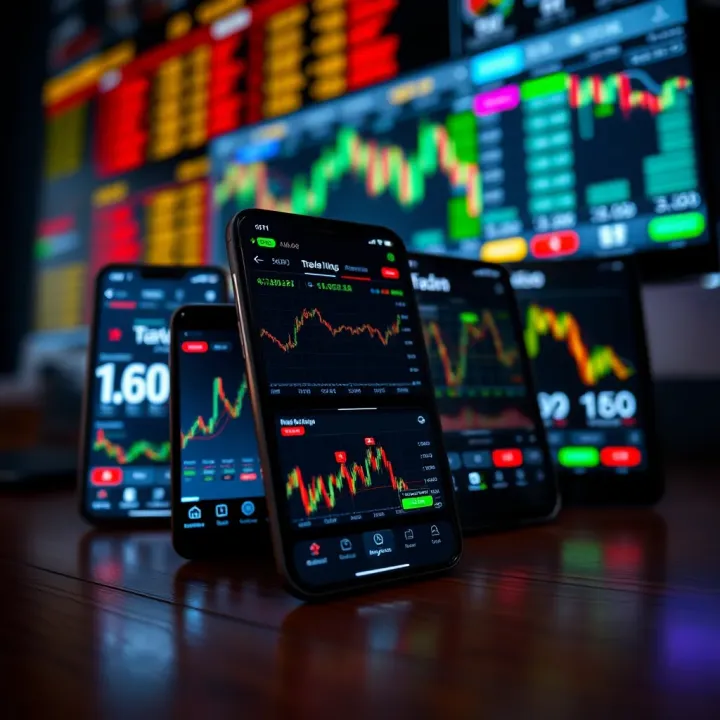
📈 Discover top stock trading apps in Pakistan! Compare fees, features, and security to find the perfect fit for your investment goals today.
Based on 9 reviews