
How to Start Forex Trading in Pakistan
🌐 Learn how to start forex trading in Pakistan with practical steps on choosing brokers, managing risks, and staying within legal rules in Pakistan's market.
Edited By
Oliver Bennett
Cryptocurrency trading in Pakistan is gaining traction, but starting it requires understanding local nuances alongside global market basics. Before you put your money into Bitcoin, Ethereum, or lesser-known tokens, you should get a good grasp of what crypto trading means here.
Trading crypto in Pakistan differs from many countries because of the regulatory environment and currency conversion challenges. The Pakistani Rupee (PKR) does not trade freely against cryptocurrencies on global exchanges, so you need to choose platforms that support PKR deposits and withdrawals smoothly.
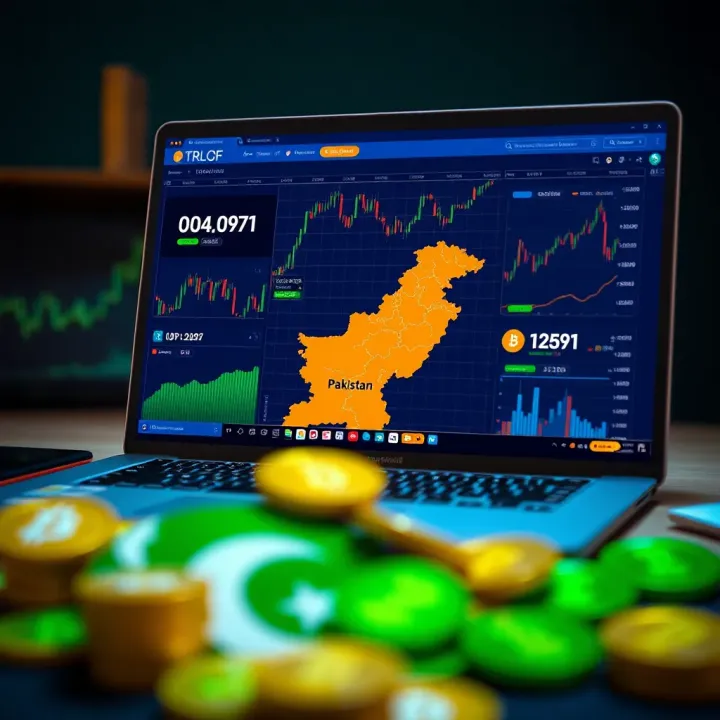
Here are the key points every prospective crypto trader in Pakistan should keep in mind:
Understand the fundamentals: Know how blockchain technology works, what affects coin prices, and the difference between trading and investing.
Pick a trusted platform: Local platforms like Binance (which supports PKR transactions), or Pakistani exchanges approved by the Securities and Exchange Commission of Pakistan (SECP), offer better ease and security.
Prepare your digital wallet: You’ll need a secure wallet to store your crypto safely. Hardware wallets or well-known software wallets with strong encryption work best.
Know the legal status: Crypto is not officially recognised as legal tender by Pakistan’s State Bank yet. Still, trading and holding crypto is not banned, though SECP monitors market activities to prevent illegal uses.
Always keep your transactions transparent and avoid unregulated sellers to stay on the right side of the law.
Be mindful of volatility and risks: Crypto prices can swing dramatically. Use stop-loss orders, only invest money you can afford to lose, and keep an eye on global and local market news.
Plan your PKR conversion: Since crypto trades mostly in USD or USDT, conversion rates and transfer fees affect your profit margins. Use platforms offering competitive rates and quick settlement.
Starting crypto trading is about preparation and prudence, especially Pakistan where the market is still evolving. Understanding these basics can save you from costly mistakes and help you make informed decisions.
Next sections will cover step-by-step setup, platform options, risk management, and regulations specifically tailored for Pakistani traders.
Grasping the fundamentals of cryptocurrency trading is the first step for anyone serious about entering this volatile yet promising market. It’s not just about buying and selling digital coins; it involves understanding what these assets are, how their prices move, and the specific terms traders use daily. This knowledge forms the backbone of making informed decisions, especially in Pakistan’s unique financial environment.
A cryptocurrency is a digital or virtual form of money secured by cryptography, which makes it hard to counterfeit. Unlike traditional money, it operates on decentralised networks based on blockchain technology. This means no single authority, like a bank or government, controls it. The practical relevance in Pakistan is clear: cryptocurrencies offer a new way to store value and transfer money, often faster and cheaper than banks.
Trading cryptocurrency means buying and selling these digital coins hoping to make a profit from price changes. This differs from investing, where you typically hold assets long-term expecting value to grow steadily. For example, a trader might buy Bitcoin when its price drops and sell when it spikes within days or hours, while an investor might hold Bitcoin for months or years.
Common trading terms you should know include:
Market order: Buy or sell instantly at the current price.
Limit order: Set your price and wait for it to be matched.
Stop-loss: An automatic sell order to limit losses.
Mastering these terms helps you use trading platforms effectively and protect your investments.
Bitcoin and Ethereum are the two most popular cryptocurrencies among Pakistani traders and enthusiasts. Bitcoin is often called 'digital gold' due to its limited supply and widespread recognition. Ethereum differs by offering smart contracts that support various decentralised applications, making it a favourite for developers.
Local interest also extends to newer coins sometimes featured on Pakistani crypto forums, but Bitcoin and Ethereum remain dominant due to their market liquidity and global trust.
Several factors influence cryptocurrency prices, including global economic events, government policies, and technological updates. For instance, when the State Bank of Pakistan hints at restrictions or warnings on crypto, it often affects local trading volume and prices. Also, international events, like US Federal Reserve interest changes or major tech platform announcements, can swing prices sharply.
Volatility is a defining feature of the crypto market. Prices can rise or fall by double digits within hours. This rapid movement can mean big profits but also sharp losses, so understanding this behaviour is key. Pakistani traders often face added uncertainty due to fluctuating PKR exchange rates, impacting the real cost and gains from trading.
Starting with a solid base of knowledge helps you avoid common pitfalls and trade more confidently in Pakistan’s crypto scene.
This section lays the groundwork for safely navigating and making the most of cryptocurrency trading opportunities available locally.
Before you start trading cryptocurrency, setting up the right foundation is essential. The process means more than just opening an account; it involves selecting the right exchange, ensuring security, and understanding how to operate your trading platform effectively. For Pakistani traders, this step is particularly important because of local regulations, currency considerations, and the varying availability of platforms.
Selecting a trustworthy exchange is the first step in your crypto journey. Key criteria include security features, ease of use, supported payment methods, and liquidity. Security matters most because exchanges are common targets for cyberattacks. For example, an exchange that offers regular security audits and cold storage for coins reduces the risk of theft.
In Pakistan, popular exchanges like Binance, Coinbase, and local options such as Urdubit have been widely used, though some may have restrictions for Pakistani users. It’s vital to consider whether the exchange supports deposits and withdrawals in Pakistani Rupees (PKR) or integrates with local payment services like JazzCash or Easypaisa, to avoid costly currency conversions.
Account verification plays a key role, too. Pakistani authorities require proper identification to prevent money laundering and fraud, so exchanges often ask for CNIC verification. On top of that, strong security measures like two-factor authentication (2FA) should be standard to protect your account. Ignoring these steps can expose your funds to risk.
Opening an account typically starts with signing up on the exchange website or mobile app. You'll need to provide personal details and verify your identity using your CNIC. The platform will guide you through uploading documents and completing verification. This process may take a couple of days but prevents future withdrawal issues.
Activating two-factor authentication is a must. With 2FA, logging in requires an additional code from an app like Google Authenticator, which makes it harder for hackers to access your account, even if they obtain your password. Many traders overlook this step yet it dramatically boosts your account safety.
Backing up your wallet and private keys is another critical security step. Wallets are like digital bank accounts for your crypto, and losing your private keys means losing access to your funds permanently. Use reliable methods such as writing down your seed phrase on paper and storing it safely, away from internet-connected devices to avoid hacks. Regularly updating your backup safeguards your assets, especially if you use hardware wallets.
Protecting your account with multiple layers of security keeps your investment safe and ensures you can trade with peace of mind.
Setting up for crypto trading may seem a bit technical initially, but each step plays a direct role in making your trading experience smooth and secure from the start. Take the time to choose a good exchange, verify your account properly, and secure your wallets to avoid future headaches.
Funding your trading account is the first practical step in entering the cryptocurrency market. Without the proper funds in your account, you cannot place trades or take advantage of market opportunities. Buying crypto comes next; it converts your funds into digital assets, allowing you to participate in price movements. In Pakistan, understanding the local nuances of depositing PKR and managing currency conversion is vital due to fluctuating exchange rates and fees.
You have several ways to add PKR to your crypto trading account. Bank transfers remain the most common method for larger amounts, offering relative security and transparency. Services like JazzCash and Easypaisa provide an alternative for smaller, faster deposits directly from your mobile wallet. Both platforms are widely used across Pakistan, making the process convenient without the need for a traditional bank account.
However, not all cryptocurrency exchanges accept direct PKR deposits. Some require you to fund your account via an intermediary in USDT (Tether) or USD, so you might need to convert your PKR into a supported currency first. Knowing which deposit options your chosen exchange allows and the associated processing time helps you avoid unexpected delays.
When you fund your account in PKR but trade cryptocurrencies often quoted in USD or BTC, currency conversion plays a big role. Usually, the exchange or your payment provider applies a conversion fee ranging from 0.5 to 2 percent. For example, transferring Rs 1 lakh might cost you Rs 1,000 to Rs 2,000 extra due to such fees. These charges can add up, especially if you trade frequently or in small volumes.
Keep in mind that some local payment systems also levy separate fees for transactions, so checking JazzCash or Easypaisa’s rates before depositing is wise. Always calculate the total cost, including conversion and transaction fees, as it affects your overall buying power.
Exchange rates fluctuate throughout the day, impacting how much crypto you receive in return for PKR. Since the Pakistani Rupee often faces volatility against the US Dollar, timing deposits when exchange rates are favourable can improve your returns.
Many traders watch the PKR/USD rate closely before making a deposit. Some platforms also update conversion rates in real time, which helps avoid surprises. For instance, if the US Dollar strengthens after you deposit, your crypto purchasing power increases. Conversely, a weaker dollar can reduce the amount of crypto you get for the same PKR.
Once your account is funded, placing your first trade requires understanding the types of orders available. A market order executes immediately at the current price, which suits beginners wanting quick entry. A limit order lets you specify a price to buy or sell, helping control the buying price if you expect the market to move. Meanwhile, a stop-loss order helps protect your investment by automatically selling when prices fall below a certain point, limiting potential losses.
Choosing the right order type affects your trading strategy and risk exposure from the very start. For example, if Bitcoin is trading at Rs 10 million and you want to buy only if it falls to Rs 9.8 million, a limit order ensures you don’t pay more.
Every trade incurs a fee, which varies by exchange and the order type. Typical fees range between 0.1% and 0.5% per transaction. High-frequency traders especially benefit from low-fee platforms, as these costs accumulate rapidly. Besides trade fees, some exchanges charge withdrawal fees when moving crypto to your personal wallet.
Being clear on these fees helps you calculate the break-even point and decide if a particular trade is profitable. For instance, if buying Ethereum involves a 0.2% fee and you plan to sell at a 0.5% gain, the fees significantly cut your profit margins.
After placing a trade, always verify it to ensure execution as intended. Most exchanges provide transaction histories and real-time updates within their apps or websites. Tracking your orders is crucial, especially if you use limit or stop-loss orders, to adjust or cancel them if market conditions change.
Having a clear view of your trading activity helps avoid surprises and supports better decision-making. For example, repeated partial fills on a limit order might mean adjusting the price closer to current market rates. Keeping records also helps during tax season for reporting gains or losses accurately.
Always double-check your deposits and orders before confirming to avoid costly mistakes, a practice that benefits both new and experienced traders alike.
Risk management is essential for anyone diving into crypto trading, especially given the volatile nature of this market. Without a solid risk management plan, traders in Pakistan can face significant losses amid sharp price swings. Implementing clear strategies helps protect capital, reduce emotional decision-making, and improve long-term trading success.
Defining clear goals before starting trading frames your entire approach. Are you aiming for quick profits or gradual portfolio growth? Setting measurable targets helps you avoid chasing unrealistic returns that often lead to careless trades. For instance, targeting 10% monthly growth is more manageable than expecting to double your investment in days.
Starting with a small investment reduces exposure and teaches you how the market behaves without risking your financial stability. Many beginners in Pakistan begin their journey with Rs 50,000 to Rs 100,000, which is enough to learn but not devastating if lost. Remember, crypto isn’t a guaranteed way to get rich, so only trade with money you are prepared to lose.
Emotional decision-making is one of the biggest pitfalls in crypto trading. Sudden market movements can trigger impulsive buying or selling, often leading to losses. Sticking to your plan and using orders like stop-loss can keep your emotions in check. For example, if Bitcoin suddenly dips 5%, resist the urge to panic sell and instead evaluate if the move fits your risk parameters.
Stop-loss orders let you set a price point to automatically sell a coin, limiting losses without constant monitoring. For example, if you buy Ethereum at Rs 250,000 and set a stop-loss at Rs 240,000, the system sells automatically if the price drops to that level, protecting you from bigger losses during sudden dips.
Diversifying your crypto portfolio across several coins, rather than placing all funds into one, helps spread risk. Say you split Rs 100,000 into Bitcoin, Ethereum, and Binance Coin; if one falls sharply, your other investments might cushion the blow. Avoid putting all your funds into new or extremely volatile coins without thorough research.
Keeping up with market news is crucial because political decisions, global trends, or local developments can influence prices immediately. For instance, if the State Bank of Pakistan issues statements about crypto regulation or banking restrictions, it directly affects trading sentiment. Subscribing to reliable news sources helps you react proactively rather than being caught off guard.
Effective risk management isn’t about avoiding risk completely; it’s about controlling your exposure and sticking to plans, especially in Pakistan's unpredictable crypto market.
Properly managing risk through these strategies will help any trader navigate the high tides of crypto trading with clearer judgment and better chances of success.
Understanding the legal and regulatory environment is vital before stepping into crypto trading in Pakistan. Traders must be aware of the current rules to avoid penalties and protect their investments from scams or legal troubles.
The State Bank of Pakistan (SBP) has taken a cautious approach towards cryptocurrencies. It does not recognise cryptocurrencies like Bitcoin or Ethereum as legal tender. This means using crypto for payments or transfers is not officially permitted. However, the SBP has not banned crypto trading outright for investment purposes, creating a somewhat grey area for traders. It remains crucial to keep track of SBP notifications, as stricter measures could come any time.
SBP’s main concern is protecting consumers from volatility and fraud. For example, in past warnings, it emphasised that crypto falls outside the remit of its regulatory framework, so traders cannot expect consumer protections similar to those for bank accounts or government-backed securities.
The Federal Board of Revenue (FBR) recently clarified that profits from trading cryptocurrencies should be declared as taxable income. Crypto traders must maintain proper records of their transactions and report gains correctly during tax filing to avoid penalties.
For instance, if a trader earns Rs 5 lakh from crypto trading in a financial year, this amount should be included as income and taxed accordingly. While the detailed guidelines are still evolving, ignoring tax obligations can lead to hefty fines. Thus, staying compliant with FBR rules is especially important for traders who want to scale up.
Given the absence of clear regulation, trading cryptocurrency in Pakistan involves certain legal risks. Unauthorised platforms or improper dealings can attract scrutiny from authorities. There have been warnings about some overseas exchanges not adhering to Pakistani laws, which could lead to frozen funds or legal hassles.
Moreover, because cryptocurrencies are not recognised officially, settling disputes or recovering lost funds becomes difficult. Traders should be mindful of these risks and use only trustworthy exchanges that comply with local standards.
Crypto scams have sadly thrived worldwide, including in Pakistan. Fake exchanges, Ponzi schemes, and phishing attacks are common threats. To avoid falling victim, always verify that the platform you trade on is well-reviewed and has transparent operations.
Platforms like Binance and local apps supporting PKR deposits follow stricter verification processes, which reduces the risk of fraud. Regularly updating passwords, enabling two-factor authentication, and not sharing personal keys are vital practices.
Good record-keeping is essential for tax compliance and personal tracking. Keep logs of all deposits, trades, withdrawals, and fees. Pakistani traders can use spreadsheets or specialised apps designed for crypto accounting.
This not only helps during FBR audits but also gives clarity on profit or loss status. For example, if you bought Bitcoin at Rs 4 million and sold at Rs 5 million, your gain must be documented precisely to calculate tax correctly.
Although clear crypto regulations are still forming, following existing rules from SBP, FBR, and Pakistan Telecommunication Authority (PTA) helps maintain legality. Avoid transactions linked to illegal activities, and stay alert for updates from these bodies.
Complying also means being cautious when using mobile phones and internet connections to access trading platforms since PTA may monitor suspicious traffic. Staying informed through news sources and official announcements ensures you trade within safe boundaries.
Staying legally compliant in crypto trading reduces risks and safeguards your investments in Pakistan's evolving market.
Success in crypto trading requires more than just understanding the basics; it demands ongoing learning, sharp analysis, and practical wisdom from experienced traders. Given the volatile and fast-changing nature of cryptocurrency markets, Pakistani traders must stay informed and disciplined to avoid costly mistakes and capture potential gains.
Tracking crypto news and trends keeps you ahead in the trading game. Crypto markets respond rapidly to global events, regulatory changes, or technological updates. For instance, news about Pakistan’s regulatory stance or bans on crypto activities can cause sharp price swings. Following reliable sources and updates on platforms like Twitter, local financial news, or international crypto news sites helps you react in time.
Trends like rising interest in DeFi (decentralised finance) or NFTs (non-fungible tokens) also show where to focus. Watching these patterns can guide if you want to explore new coins or stick with established ones like Bitcoin and Ethereum.
Using technical and fundamental analysis basics is vital for making informed trade decisions. Technical analysis involves studying price charts, volumes, and indicators to spot trends or reversals. For example, recognising support and resistance levels can help you decide when to buy or sell. Tools like Moving Averages or RSI (Relative Strength Index) are handy even for beginners.
Fundamental analysis looks at the bigger picture—project team credibility, technology, adoption rates, and news impact. If a cryptocurrency is partnering with a well-known Pakistani tech firm or gaining government acceptance, its value may rise. Combining these two approaches gives you a robust way to assess potential trades rather than guessing.
Starting small and scaling up is one of the safest ways to begin. Instead of putting in Rs 1 lakh at once, start with a smaller amount, say Rs 10,000, to get comfortable with price fluctuations and the platform interface. As you gain confidence and knowledge, increasing your investment gradually reduces risk and builds experience.
Being patient and disciplined means sticking to your trading plan despite market noise. Many newcomers rush into buying when prices spike or sell in panic during dips. Experienced traders wait for setups matching their strategy and avoid impulsive decisions. For example, setting and respecting stop-loss limits helps protect your capital from sudden crashes.
Recognising common mistakes helps you avoid costly errors early on. These include chasing hype coins without research, neglecting security (like ignoring two-factor authentication), and overtrading out of excitement. Learning from others’ errors or even your own small losses prepares you for sustainable trading.
Trading success in Pakistan depends on your willingness to keep learning, control emotions, and follow proven methods rather than shortcuts.
Applying these tips will help you trade cryptocurrencies wisely while navigating Pakistan’s unique market conditions.
🌐 Learn how to start forex trading in Pakistan with practical steps on choosing brokers, managing risks, and staying within legal rules in Pakistan's market.
📈 Learn how crypto trading signals work and their types, sources, and risks. Practical tips for Pakistani investors to trade smarter using local platforms and tools.
Learn crypto trading in Pakistan 🇵🇰 with expert tips on local platforms, handling volatility, legal rules, tax duties, and securing your investments smartly. 💹🔒
Discover the best crypto trading indicators and how Pakistani traders can use them to analyze markets effectively 📊. Avoid common mistakes and trade smarter!
Based on 5 reviews