
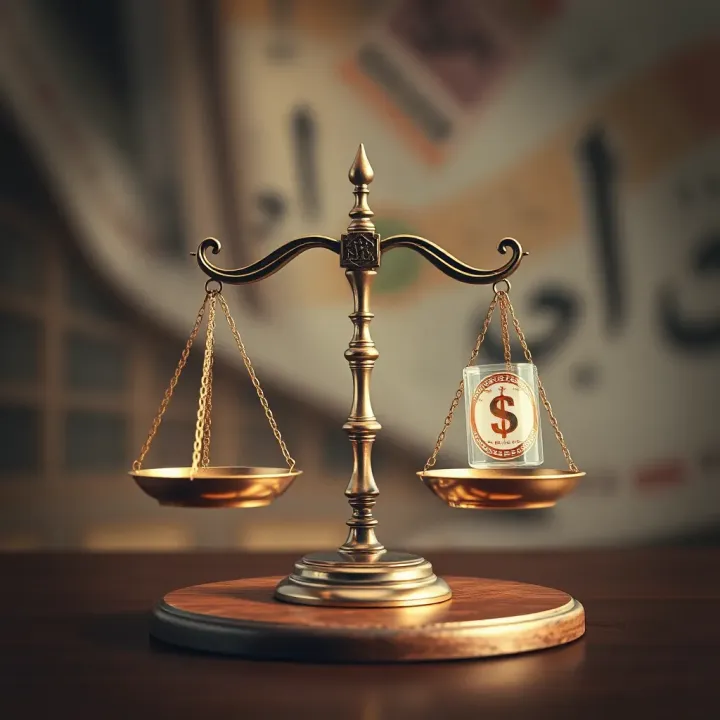
Is Forex Trading Permissible in Islamic Law?
Explore the Islamic perspective on forex trading 💹, understand key principles, differing scholarly views, and learn how to engage ethically in forex markets under Shariah guidance.
Edited By
Amelia Dawson
Forex trading refers to the buying and selling of foreign currencies, a market that operates 24/7 and attracts millions worldwide. For Muslims in Pakistan and elsewhere, understanding forex trading through the lens of Islamic finance is essential before engaging in it.
Islamic finance forbids practices like riba (interest or usury) and gharar (excessive uncertainty), which makes forex trading a complex issue. Many Muslim traders wonder if forex is halal (permitted) or haram (forbidden). The answer depends on how the trades are structured and whether they comply with Shariah principles.
Key Islamic principles relevant to forex trading include:
Avoidance of riba: Conventional forex often involves interest through swap or rollover fees, typically accruing overnight. Such interest is considered unlawful.
Minimising gharar: Trades must be clear and certain, not speculative gambling. Excessive ambiguity or risk that resembles chance betting is forbidden.
Halal contract conditions: Trade transactions should be immediate or conducted with proper Islamic contracts like salam or istisna.
Muslim traders in Pakistan can choose brokers offering Islamic accounts (swap-free), which remove interest charges but keep the trading environment transparent. Still, investors should verify the broker’s compliance by checking if an Islamic board or scholar supervises their operations.
On a practical level, traders should:
Prefer brokers registered with Pakistan’s Securities and Exchange Commission (SECP) or regulated internationally with clear Shariah compliance.
Avoid leveraged trading with overnight positions, or keep trading within the same day (scalping or day trading) to reduce interest and speculation risks.
Study the terms and agreements closely, focusing on commission structures and hidden fees that imitate riba.
Trading forex with strict adherence to Shariah principles is possible but requires caution, careful broker selection, and a clear understanding of Islamic finance rules.
Understanding these basic yet vital points helps Muslim traders navigate forex markets responsibly without violating Islamic teachings. This article will further explore these ideas, providing a practical approach to halal forex trading in Pakistan and beyond.
Islamic finance establishes clear boundaries for economic activities, steering clear of practices that clash with Shariah principles. When it comes to forex trading, understanding these foundations helps Muslim traders identify what aligns with their faith and what doesn’t. This ensures they participate in currency exchange without compromising religious values or falling into forbidden financial traps.
Riba, commonly translated as interest, represents any guaranteed increase on a loan or debt. Islam strictly forbids it because it creates exploitation and unjust enrichment. For instance, charging interest on borrowed money puts the borrower at unfair disadvantage. In forex trading, conventional brokers often charge overnight interest (swap fees), which fall under riba and are thus impermissible. Muslim traders need to look for accounts that avoid these charges or provide swap-free options to comply with this rule.
Gharar refers to excessive uncertainty or ambiguity in a business deal. Islamic law discourages transactions where outcomes are highly unpredictable or unclear, which can lead to disputes or harm. Forex trading inherently involves risk due to market volatility, but the key is the level and nature of uncertainty. Speculative trading looking for quick profits or involving sudden price swings may be considered gharar. However, informed and measured trading with proper research and risk management is generally acceptable, as it reflects responsible commerce rather than gambling.
Trading in Islam thrives on transparency, fairness, and mutual consent. The Prophet Muhammad (peace be upon him) emphasised honesty and prohibited deceit, fraud, and manipulation. Halal trading means both parties fully understand and agree on the terms, with no hidden catches. In forex, this translates to choosing brokers who operate transparently, ensure clear pricing without hidden costs, and deliver on agreed services. Avoiding forbidden activities like interest and gambling also secures the trading process’s halal status.
Islamic finance principles provide a framework that guides Muslims to trade currencies in a way that is ethically sound and religiously acceptable. Following these foundations protects both spiritual wellbeing and financial integrity.
Understanding these basic concepts helps traders navigate forex markets with greater confidence, ensuring their activities remain within Islamic ethical and legal boundaries.
Islamic views on forex trading stem from the need to align financial activities with Shariah principles, which seek to ensure fairness, transparency, and the avoidance of harm. For Muslims involved in currency exchange, understanding these views is critical to avoid engaging in practices considered haram (forbidden), such as riba (interest) and excessive gharar (uncertainty). This section explains the nuances of forex trading under Islamic law, helping traders and investors navigate this complex market ethically.
Currency exchange itself is fundamentally allowed in Islam, provided it follows specific conditions. The Prophet Muhammad (peace be upon him) authorised currency trading through the concept of Sarf, where money must be exchanged hand to hand and of equal value to avoid riba. For instance, exchanging US dollars for Pakistani rupees in real-time without delay aligns with what is permissible. However, speculative trading that involves delayed settlement or interest payments breaches these rules.
Over-the-counter forex trading platforms that offer instant currency swaps without interest charges tend to comply with Islamic requirements. Traders should seek brokers who facilitate spot transactions rather than involving swaps or leverage which usually charge or pay interest.
Two major issues Islamic scholars highlight in forex are riba and unethical speculation. Interest appears mainly in leveraged trades where traders borrow funds; the daily interest (swap) fees charged by platforms contradict Islamic prohibitions against riba. This practice turns trading into a debt-based activity, making it non-compliant.
Speculation, known locally as gambling or maisir, involves excessive uncertainty and risk without productive economic contribution. For example, rapid short-term trading that resembles betting on currency prices is viewed skeptically. Such actions lack the substance of trade or investment, focusing purely on chance and quick gains, which Islam discourages.
Not all scholars agree on the permissibility of forex trading due to varying interpretations of riba and gharar. Some hold a stricter view, rejecting most forms of forex trading due to the difficulty in ensuring equal, immediate exchange and the prevalence of interest. Others accept spot trading without leverage or interest as halal because it resembles traditional currency exchange.
For example, scholars from institutions like The Islamic Fiqh Academy support forex trading under strict conditions — spot transactions, no interest, and transparency in dealings. On the other hand, conservative opinions advise refraining from forex due to common market practices that conflict with Shariah.
Traders must examine contracts carefully and ensure strict compliance with Islamic principles to avoid inadvertent participation in forbidden practices.
Understanding these views helps Muslim investors engage in forex trading responsibly, considering both religious guidelines and practical market conditions. Choosing Shariah-compliant brokers and adopting ethical trading techniques is essential for maintaining faith and integrity in this global market.
Muslims interested in forex trading must follow practical guidelines to ensure their transactions align with Shariah principles. This section provides clear steps to navigate forex markets without violating Islamic laws on riba (interest), gharar (excessive uncertainty), and unethical conduct. Understanding these guidelines helps traders avoid common pitfalls and engage in currency trading responsibly.
Selecting a Shariah-compliant broker is essential for Muslim traders. Not all brokers operate according to Islamic finance rules, particularly regarding interest charges and contract validity. Muslim traders should seek brokers offering Islamic forex accounts, which typically do not impose swap or rollover interest fees on overnight positions. For example, a Pakistani trader using a broker registered with the Securities and Exchange Commission of Pakistan (SECP) can check if the broker explicitly offers swap-free accounts.
Transparency matters as well. Brokers must clearly disclose their fee structures and avoid hidden charges that could be considered riba. Additionally, verifying that the broker handles client funds segregated from their operational accounts provides added security and complies with ethical standards.
Islamic law forbids earning or paying interest, so traders must avoid trades that incur interest fees. One practical technique is entering and closing positions within the same trading day—a method known as day trading. This approach prevents overnight holdings that might attract interest fees.
Besides, traders should steer clear of excessive gharar, which means avoiding highly speculative trades with unclear outcomes. Strategies relying on thorough market analysis, such as fundamental analysis of economic indicators or technical analysis based on price patterns, fit better within Islamic principles. For example, a trader might focus on currency pairs with known economic drivers like PKR/USD, watching government policy changes or SBP interest rate announcements.
Upholding ethics and transparency is not just good practice but a Shariah requirement. Traders should ensure all agreements are straightforward, avoiding ambiguity in contract terms, payment timelines, and transaction details. This transparency reduces disputes and protects both parties.
Using reliable trading platforms with clear audit trails and maintaining honest communication about risks and outcomes builds trust. A forex trader in Lahore, for instance, should keep records of all trades and communicate openly with investors or partners.
Ethical trading helps safeguard wealth and honours Islamic teachings; it is the backbone of responsible forex trading.
By focusing on these practical guidelines, Pakistani Muslim traders can engage in forex markets confidently while respecting their faith. Clear choices about brokers, trading methods that avoid prohibited elements, and rigorous ethical standards make forex trading both viable and halal for Muslims.
Many Muslims interested in forex trading stumble over common misconceptions that can mislead their decisions. Clearing up these misunderstandings helps traders better align their activities within Islamic principles. These myths often revolve around the role of leverage and interest, the nature of speculation, and general assumptions about halal versus haram actions in currency exchange.
Leverage in forex means borrowing funds to increase your position size. The misunderstanding often is that all leverage naturally involves riba (interest), which is forbidden in Islam. However, some brokers offer Islamic accounts that eliminate interest charges by removing rollover or swap fees on overnight positions. This makes trading more compliant with Shariah law. For example, if a trader holds a USD/PKR position overnight with an Islamic broker, they won't pay or earn interest on borrowed money. Nonetheless, traders must verify that their broker operates strictly under these guidelines, as regular accounts typically involve interest during rollover. Understanding this difference is key to avoiding prohibited riba without missing out on trading opportunities.
Short-term speculation earns a bad name in Islamic finance because it looks like gambling or excessive risk (gharar). But forex trading doesn't always equal gambling. The distinction lies in intent and method. Islamic trading encourages transactions backed by actual economic activity or genuine need rather than purely speculative bets. Still, rapid buying and selling based on market rumours or guesswork may breach ethical norms. Traders should avoid automated trading bots or excessive stop-loss triggers that mimic gambling’s unpredictability. Instead, strategies should focus on informed decisions, studying economic indicators, and balancing risk sensibly. For instance, a forex trader analysing Pakistan's economic data before taking a position respects halal principles more than blind speculation.
Many believe forex trading itself is haram due to misconceptions about currency exchange or because of unethical brokers. The reality is more nuanced. Islam allows currency exchange as long as it is immediate and transparent, with no hidden charges or deception. Problems arise with brokers charging hidden fees, unclear contract terms, or involving interest-bearing practices. Additionally, forex trading haram only occurs if it involves deception, fraud, or excessive uncertainty that resembles gambling. It’s important to check broker credentials carefully, focus on Shariah-compliant trading methods, and avoid shortcuts that promise fast wealth.
Understanding these misconceptions supports responsible forex trading aligned with Islamic values and helps Muslim traders navigate the market without compromising their faith.
By separating myth from fact, Muslim traders can engage in forex trading thoughtfully, ensuring their approach fits within Islamic law while still taking advantage of global markets effectively.
Explore the Islamic perspective on forex trading 💹, understand key principles, differing scholarly views, and learn how to engage ethically in forex markets under Shariah guidance.

Is forex trading halal according to Islamic law? This article discusses trader ethics, Islamic finance principles, and expert views relevant to Pakistani Muslims 📈🕌

Learn how to navigate Forex trading WhatsApp groups📱 safely. Explore benefits, spot risks, and master best practices to trade smart in Pakistan’s evolving market.

🌐 Learn how to start forex trading in Pakistan with practical steps on choosing brokers, managing risks, and staying within legal rules in Pakistan's market.
Based on 15 reviews