

Understanding Non-Binary Women's Identity
Explore the identity and experience of non-binary women in Pakistan 🌈, covering gender beyond binaries, social challenges, legal rights, mental health, and community support.
Edited By
George Mitchell
In 2018, the exchange rate between the US dollar (USD) and the Pakistani rupee (PKR) saw significant fluctuations that impacted Pakistan’s economy and trade landscape. For traders and investors, understanding these shifts is key to spotting market opportunities and risks.
The USD/PKR rate started the year around 110 PKR per dollar but climbed sharply by mid-year, hitting nearly 130 PKR. This depreciation of the rupee was linked directly to mounting fiscal deficits, inflationary pressures, and trade imbalances faced by Pakistan.
A few major factors shaped the currency movement:
Current Account Deficit: Pakistan’s current account deficit widened due to increased imports, placing pressure on foreign exchange reserves.
Inflation and Monetary Policy: Persistent inflation forced the State Bank of Pakistan to raise interest rates, which sometimes helped stabilize the PKR but also impacted economic growth.
Foreign Debt Repayments: Pakistan’s repayment obligations in US dollars added to demand for foreign currency, pushing the rupee lower.
Geopolitical Tensions: Regional instability and trade uncertainties influenced investor sentiment, affecting capital flows.
In practical terms, the weakening rupee made imports more expensive, increasing costs for businesses relying on foreign raw materials. Exporters, meanwhile, gained a mild advantage as their products became cheaper in international markets.
Traders should watch USD inflows, government policy announcements, and global dollar strength to anticipate USD/PKR movements effectively.
For financial analysts, monitoring Pakistan’s reserves reported by the State Bank and tracking US Federal Reserve policy changes are essential. The dollar’s strength worldwide and Pakistan’s economic indicators create a dynamic situation where the PKR actively responds to both internal and external pressures.
Keep in mind these points:
Exchange rate trends in 2018 were closely tied to macroeconomic events rather than isolated market speculation.
Currency depreciation reflected structural economic challenges, meaning short-term fixes might not solve underlying issues.
Awareness of these elements can inform smarter trading, hedging, and investment decisions involving PKR-linked assets.
Bottom line: The USD/PKR exchange rate in 2018 was a clear mirror of Pakistan's economic stresses and external shocks. For anyone dealing in this market, a thorough grasp of these forces is non-negotiable for navigating currency risks and spotting gains.
Understanding the USD to PKR exchange rate in 2018 is essential for traders, investors, and financial analysts who keep close tabs on currency fluctuations. This overview sets the stage by outlining the key trends and comparisons that shaped the Pakistani rupee's performance against the US dollar throughout the year. Knowing these patterns helps professionals gauge market sentiment, assess risks, and make informed decisions involving import-export activities, cross-border investments, or currency hedging.
In 2018, the USD to PKR exchange displayed a noticeable depreciation of the Pakistani rupee. Starting the year near 110 PKR per dollar, the exchange rate trended upward, crossing the 120 mark by the end of December. This steady decline reflected mounting economic pressures in Pakistan, including fiscal imbalances and external debt servicing costs. For example, many importers faced higher costs as their dollar bills grew pricier, directly affecting pricing strategies across industries like automotive and electronics.
Another factor influencing this trend was the increased demand for US dollars amid political uncertainty and anticipation of IMF support. Traders often reacted by buying dollars to hedge against expected volatility, pushing the rate further. At the same time, remittance inflows helped soften a sharper fall, with overseas Pakistanis sending funds that somewhat supported the rupee.
The exchange rate’s general direction in 2018 underscores the strong link between political developments and currency markets in emerging economies.
When you put 2018 in context, the depreciation pace was sharper than in 2017 but milder compared to 2011-2013 periods of intense volatility. Back in 2017, the PKR hovered roughly between 104 and 108 per USD, showing much less pressure. The jump in 2018 marked a clear shift influenced by a growing fiscal deficit and dwindling foreign exchange reserves.
Compared to earlier years, 2018's dynamics also reflected broader global influences like Federal Reserve rate hikes, which boosted the dollar’s strength worldwide. Pakistan’s exchange rate mirrored emerging market trends where higher US interest rates drained capital away.
In sum, these comparisons reveal how 2018 was a turning point, with currency depreciation accelerating due to a mix of domestic weaknesses and tightening US monetary policy. Recognizing this helps investors anticipate potential risks and plan better for currency-related exposures in the future.
Economic factors played a significant role in shaping the USD to PKR exchange rate in 2018. Understanding these elements is vital for traders, investors, and financial analysts who want to gauge currency movement or assess risks tied to exchange fluctuations. These factors include Pakistan's internal economic conditions as well as broader US monetary policies.
Inflation and Interest Rates
Inflation in Pakistan during 2018 showed an upward trend, driven by rising food prices and energy costs. This pressure on inflation led the State Bank of Pakistan to adjust interest rates in an attempt to stabilize the currency and control price surges. Higher interest rates typically attract foreign investment, supporting the rupee, but they can also slow economic growth. In 2018, the delicate balance between curbing inflation and sustaining growth directly influenced the rupee’s performance against the dollar.
Fiscal Deficit and Foreign Reserves
Pakistan’s fiscal deficit remained a concern in 2018, reflecting the gap between government spending and revenue. A large deficit often weakens investor confidence and can trigger currency depreciation. At the same time, foreign reserves are a critical line of defense for the central bank to support the rupee during periods of volatility. Throughout 2018, Pakistan's reserves fluctuated, affecting its ability to intervene in forex markets and cushion sharp falls. For example, when reserves dipped below $10 billion at certain points, the rupee came under more pressure from market forces.
Federal Reserve Rate Decisions
The US Federal Reserve’s decisions to raise interest rates in 2018 had a direct impact on the USD/PKR exchange rate. Higher US rates tend to strengthen the dollar as they attract global capital flows toward US assets. For Pakistani investors and importers dealing with dollars, these shifts meant paying more for dollar-denominated debts or goods. The Fed’s four rate hikes in 2018 tightened global liquidity and pushed emerging market currencies like the Pakistani rupee lower.
Impact of US Economic Growth
Strong economic growth in the US throughout 2018 bolstered demand for the dollar. This growth boosted American consumer spending and corporate profits, underpinning a firm dollar. For Pakistan, this translated into imported inflation via more expensive dollar-linked goods and capital outflows to the US market. At the same time, Pakistan’s export competitiveness faced challenges against a stronger dollar, affecting trade balances and further influencing exchange rate dynamics.
Economic indicators and policies on both ends—from Pakistan’s inflation trends to US monetary tightening—acted in concert to define the USD to PKR exchange rate trends during 2018. For anyone tracking or trading this pair, watching these factors is non-negotiable.
Pakistan’s rising inflation and interest rate adjustments influenced rupee stability.
Fiscal deficit pressures limited cushioning capacity via foreign reserves.
The Federal Reserve’s interest rate hikes strengthened the US dollar.
Strong US growth reinforced dollar demand, affecting Pakistan’s trade and forex market.
Understanding these factors provides a clearer picture of the forces behind USD/PKR movements, helping traders and investors make smarter decisions.
Recognizing the major events that influenced the USD to PKR exchange rate in 2018 offers valuable insight into how external pressures and internal developments shaped currency movements. This isn’t just about numbers moving on a chart—it’s about the real effects on investments, trade balances, and economic confidence.
General Elections and Policy Uncertainty In 2018, Pakistan's general elections introduced a significant degree of policy uncertainty that affected investor confidence and currency stability. Leading up to and following the elections, traders noted fluctuations in the rupee as markets reacted to the potential policy shifts under the new government. The governing party’s stance on economic reforms and foreign relations was unclear initially, contributing to caution among investors.
Such uncertainty caused foreign investors to hesitate, delaying capital inflows that might have bolstered the rupee. For example, periods right before election day saw sudden dips in PKR valuations, while initial post-election optimism offered slight stabilization. This pattern highlights how political clarity can directly impact exchange rate behavior.
Pakistan's ongoing engagement with the International Monetary Fund (IMF) was another critical factor. In 2018, the government sought financial assistance to manage its fiscal deficit and support foreign reserves. The announcement and negotiation of bailout terms brought both relief and concern.
On one hand, securing an IMF program reassured some investors that Pakistan would stick to fiscal discipline and economic reforms, helping to calm the rupee’s freefall. On the other hand, conditionalities attached to the bailout—like subsidy cuts or tax reforms—sparked fears of short-term economic pain, which temporarily weakened the rupee. This back-and-forth underscored how IMF relations can sway market sentiment and currency flows.
Globally, 2018 was marked by escalating trade tensions, primarily between the US and China, which sent ripples through emerging markets including Pakistan. These tensions resulted in higher market volatility, prompting investors to favor safe-haven currencies like the US dollar.
Such shifts often translate into capital flight from riskier currencies—including the Pakistani rupee—and result in depreciation. During the months when tariffs were ramped up and markets jittery (like mid-2018), USD/PKR spikes mirrored broader global risk aversion.
Oil prices climbed steadily through 2018, impacting Pakistan as a net oil importer. Rising oil costs increased import bills, worsening the trade deficit and putting downward pressure on the PKR. For instance, a $10 rise in crude oil prices could add several hundred million dollars to Pakistan’s annual import costs, thereby weakening the rupee.
Conversely, any temporary dip in oil prices offered the rupee a breather. This link between oil price volatility and exchange rate fluctuations means traders and policymakers alike needed to keep a close eye on energy markets throughout 2018.
Understanding these political and global economic forces is key for traders and investors aiming to navigate USD to PKR movements. Events at home and abroad didn't just influence rates—they shaped Pakistan’s economic trajectory throughout the year.
Exchange rate swings between the US dollar and Pakistani rupee have a direct and sometimes immediate effect on Pakistan's economy, especially considering the country's dependence on imports and foreign loans. Understanding how these fluctuations shape trade and inflation helps investors, policymakers, and analysts grasp the practical challenges and opportunities within Pakistan's financial landscape.
When the rupee weakens against the dollar, imports become more expensive because Pakistan has to pay more rupees for the same amount of dollars. This raises costs for businesses relying on imported raw materials, machinery, or consumer goods. For example, Pakistan’s electronics and automobile sectors, which depend heavily on imported components, often face price hikes that can squeeze profit margins.
Exports, on the other hand, can get a competitive boost from a weaker rupee since Pakistani goods become cheaper for foreign buyers paying in dollars. This was evident in 2018 when many textile exporters reported an uptick in orders as their products became more affordable internationally. However, this advantage can be offset if imported inputs become too costly or if global demand weakens.
The exchange rate volatility also creates uncertainty for importers and exporters alike. Businesses tend to hedge currency risks or delay orders during sharp fluctuations, potentially disrupting supply chains and overall trade volumes. The government sometimes steps in with policies to stabilize the rupee or provide export incentives to mitigate these effects.
A depreciating rupee tends to push inflation higher, mainly through rising prices of imported goods. In 2018, Pakistan experienced increased costs on everything from fuel to electronics, which trickled down to everyday consumer prices. Since fuel imports are priced in dollars, any depreciation not only adds direct costs but also pushes up transportation and production expenses, fueling broader inflation.
For average consumers, this means their purchasing power drops, making basic goods and services more expensive. The effects of exchange rate shifts are especially felt in urban areas where imported goods and fuel-based transportation dominate daily life.
On the flip side, inflationary pressures can force the State Bank of Pakistan to increase interest rates to keep prices in check, which may slow down economic growth. This balancing act between exchange rate stability and inflation control was a constant challenge throughout 2018.
The bottom line is, currency fluctuations don't just impact financial markets—they translate directly into price changes for businesses and consumers across Pakistan, influencing economic decisions at every level.
Overall, the USD to PKR movements directly affected Pakistan's import-export dynamics and inflation trends in 2018. Traders and investors should keep an eye on these factors since they signal how the economy might react to future currency shifts.
Reviewing the USD to PKR exchange rate movement in 2018 offers valuable insights for investors and policymakers looking to navigate Pakistan's often volatile currency environment. The year showcased how global trends and domestic developments can swiftly shift the exchange rate, affecting investment decisions, trade flows, and economic planning. Understanding these dynamics helps stakeholders prepare for future market twists rather than reacting after the fact.
One key lesson for investors is how sensitive the PKR was to political uncertainty during 2018. For example, the general elections sparked short-term volatility, with the rupee facing pressure amid fears of economic policy shifts. Investors should keep a close eye on political events because they can unsettle market confidence quickly. Policymakers, meanwhile, need to anticipate these shocks and build buffers such as maintaining adequate foreign reserves to absorb sudden currency swings.
Economic indicators also mattered. The year’s inflation rate influenced interest rate changes, which in turn affected currency valuation. Investors tracking inflation trends could anticipate moves by the State Bank of Pakistan, adjusting their portfolios accordingly. For policymakers, the importance of credible monetary policy was clear—the market responds favorably when central bank actions align with economic fundamentals. This coordination can help stabilize the rupee and boost investor trust.
Looking ahead, the 2018 USD to PKR fluctuations suggest that sustainable currency stability depends heavily on managing external shocks and internal reforms. Reliance on IMF programs, while sometimes necessary, sends mixed signals to markets about long-term independence. Strengthening exports and diversifying Pakistan’s economic base are practical steps to reduce vulnerability.
From a market perspective, frequent exchange rate swings increase hedging costs and raise uncertainty for businesses dealing in imports and exports. If Pakistan can smooth these fluctuations by enhancing fiscal discipline and improving foreign investment climate, it can lower risks for traders and producers, ultimately supporting economic growth.
The bottom line is, the 2018 exchange rate story is a blueprint for handling volatility—showing that proactive policy responses and investor vigilance go hand in hand to maintain a balanced currency outlook.
Understanding these lessons is vital for anyone involved with the USD to PKR exchange rate, whether you’re trading currencies, investing in Pakistani assets, or making economic policies.
Explore the identity and experience of non-binary women in Pakistan 🌈, covering gender beyond binaries, social challenges, legal rights, mental health, and community support.
Learn forex trading in Pakistan 🇵🇰: Understand legalities, pick trusted platforms, apply effective strategies, and manage risks to earn money safely and steadily 💹💰.
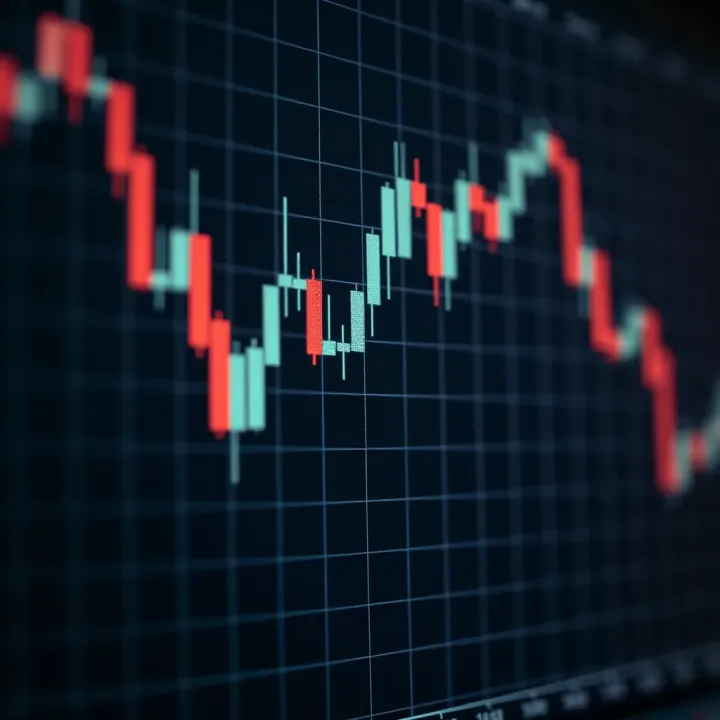
📊 Understand key candlestick chart patterns to spot bullish and bearish signals for informed trading. Learn to use them wisely with other market insights.
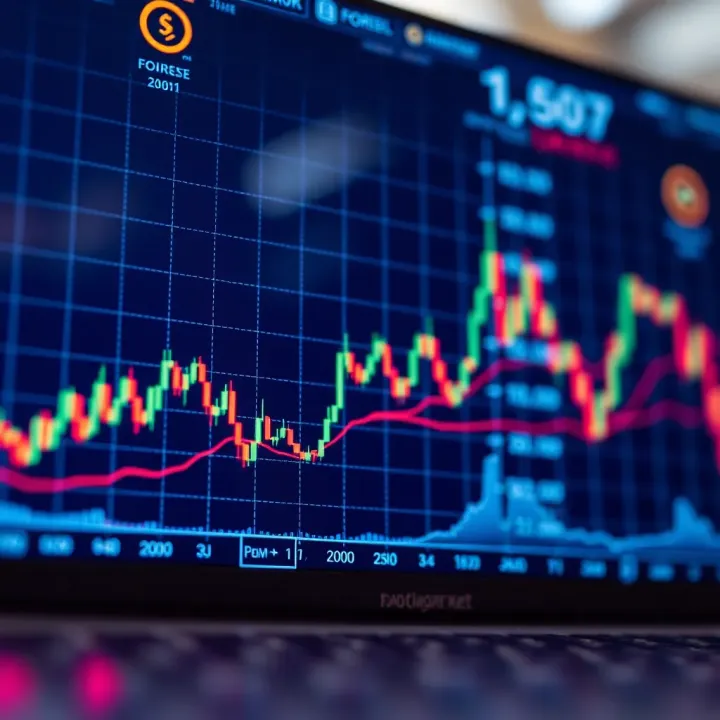
📈 Learn how to start forex trading in Pakistan with expert tips on legal rules, choosing brokers, setting accounts, trading strategies, and risk management effectively.
Based on 15 reviews