

How to Start Forex Trading in Pakistan
🌐 Learn how to start forex trading in Pakistan with practical steps on choosing brokers, managing risks, and staying within legal rules in Pakistan's market.
Edited By
Emily Foster
Forex trading has become a popular avenue for Pakistani investors looking to diversify beyond traditional markets like stocks or real estate. Unlike stocks or commodities, forex trading involves buying and selling currency pairs, such as USD/PKR or EUR/USD. This market operates 24 hours a day across world financial centres, offering great liquidity and flexibility.
Before you jump in, it’s important to understand the key steps to start forex trading the right way in Pakistan. This includes knowing the legal landscape, selecting a trustworthy broker, and learning how to manage risk effectively.
High Liquidity: Forex markets handle trillions of dollars daily, so trades can be executed quickly without large price changes.
Accessibility: You can start trading with a relatively small capital, often as low as $100 or equivalent in PKR.
Flexible Trading Hours: Forex operates almost all day due to time zone differences among major markets.
The State Bank of Pakistan (SBP) allows forex trading but only through authorised brokers regulated by Pakistan’s Securities and Exchange Commission (SECP) or international brokers licensed by reputable financial authorities. Trading with unregulated brokers or local firms promising unrealistic returns puts your capital at risk and may even violate Pakistani regulations.
Choose a Broker Carefully: Pick brokers regulated by SECP or internationally recognised bodies like FCA (UK) or CySEC (Cyprus). Check reviews and local forums for reliability.
Open a Trading Account: Complete KYC (Know Your Customer) processes by providing CNIC and proof of address. Pakistani brokerages often accept bank transfers or payment through Easypaisa and JazzCash.
Start with a Demo Account: Practice trading with virtual funds to understand how markets move without risking real money.
Trading forex without understanding market basics is like walking blind in a bazaar; you might bump into trouble easily.
Once familiar, you can fund a live account and start exploring currency pairs aligned with your analysis and trading strategy. Always begin small and manage your risks well.
Having said that, a clear approach to learning forex basics and adhering to legal protocols will help you avoid common pitfalls and make steady progress in your trading journey.
Getting a solid grasp of forex trading basics is a must before you jump in, especially in Pakistan’s dynamic market environment. Understanding how forex trading works equips you to make smarter decisions and avoid costly mistakes. It’s not just about watching currency values rise and fall; it’s about knowing what drives these moves and how to use that knowledge effectively.
Forex trading, or foreign exchange trading, involves buying and selling currencies. It’s the largest financial market in the world, with daily trading volumes exceeding $6 trillion. Think of it as an ongoing global currency bazaar, where traders exchange one currency for another hoping to profit from changes in exchange rates. For example, if you believe the US dollar will strengthen against the Pakistani rupee, you might buy USD/PKR hoping to sell it later at a higher price.
Forex markets operate 24 hours a day on weekdays, driven by centres in London, New York, Tokyo, and other major financial hubs. The market responds to factors like political events, economic data, central bank policies, and even natural disasters. Unlike stock markets, there’s no physical exchange; trades happen electronically over the counter (OTC) via broker platforms. This constant action means prices can shift quickly, which offers both opportunity and risk.
Forex trading always involves currency pairs, where one currency is exchanged for another. The first currency in the pair is called the base currency, and the second is the quote currency. For instance, in EUR/USD, the euro is the base and the US dollar the quote. If EUR/USD is quoted at 1.10, it means 1 euro costs 1.10 US dollars.
Key Terms You Should Know:
Pip: The smallest price move a currency pair can make, usually the fourth decimal place.
Spread: The difference between the bid price (buy) and ask price (sell).
Leverage: Using borrowed funds to increase your trade size, common in forex.
Understanding these fundamentals will help you navigate the forex waters more confidently. In Pakistan, where regulatory caution is high, knowing your terms and market workings forms the foundation of safe and smart trading.
Understanding the legal and regulatory framework is essential for anyone looking to trade forex in Pakistan. This awareness helps avoid fraud, ensures compliance with local laws, and safeguards your investment. Pakistan’s forex market isn’t fully open, so following rules set by authorities is vital for safe trading.
The State Bank of Pakistan (SBP) plays a key role in overseeing foreign exchange activities. It regulates cross-border currency flows and controls the legal channels through which forex transactions take place. SBP has restrictions on currency trading to keep the financial system stable and protect the rupee from speculative attacks. For instance, residents cannot freely trade forex through unlicensed platforms or overseas brokers without SBP approval. This central bank control helps maintain overall economic stability but also limits certain forex activities.
Forex trading in Pakistan must conform to specific guidelines. The Federal Board of Revenue (FBR) requires reporting of foreign income and gains from forex trading for taxation. Additionally, the Securities and Exchange Commission of Pakistan (SECP) oversees brokers to ensure transparency and limit illegal schemes. The Pakistan Telecommunication Authority (PTA) also has a say in approving platforms offering forex services, especially digital-based trading apps. Unauthorised brokers or platforms operating without regulation could be shut down, leaving investors at risk.
To trade forex safely, using brokers who follow these rules is non-negotiable.
Selecting a broker licensed by SECP and approved by PTA is crucial. Licensed brokers have to meet strict standards for security, fund segregation, and fair dealing. Examples include local brokers registered with SECP or international brokers having PTA approval to operate in Pakistan. Using licensed brokers means you get dispute resolution mechanisms and better protection against fraud. Make sure your broker provides transparent pricing, regulated trading software, and clear account statements to avoid surprises.
In short, legal and regulatory compliance shields you from scams and legal troubles. Always verify your broker’s credentials and stay updated on SBP and SECP rules before starting forex trading. This prudence can save you from financial losses and hassles down the road.
Choosing the right forex broker and setting up a trading account are foundational steps for anyone diving into forex trading in Pakistan. Without a reliable broker, your trading experience might suffer from issues like delayed execution, hidden fees, or even unfair practices. Likewise, understanding the account setup is key to managing your funds securely and efficiently.
When selecting a broker, focus on features that affect your trading directly. First, look for a regulated broker, ideally licensed by recognised bodies like the Securities and Exchange Commission of Pakistan (SECP) or approved by the Pakistan Telecommunication Authority (PTA). Regulation safeguards your money and reduces the risk of scams.
Next, examine the spread and commission rates. Brokers with tight spreads and low commissions keep your costs down, particularly important if you plan to trade frequently or with smaller amounts. For example, a broker charging a 2 pip spread on USD/PKR might be costlier compared to one offering 1 pip.
Also, check the trading platform offered. MetaTrader 4 and MetaTrader 5 are popular globally and familiar to many traders. These platforms provide charting tools, indicators, and automated trading options, making them suitable for beginners and pros alike.
Finally, review the broker's customer support. Local customer service available in Urdu or English via phone or chat can be very helpful when dealing with technical issues or questions about account management.
Brokers usually offer multiple account types, differing in minimum deposit, leverage, and available instruments. Common account varieties include Standard accounts, which require moderate deposits and suit most traders, and Mini accounts with lower deposit thresholds ideal for beginners testing the waters.
Opening an account generally involves submitting a copy of your CNIC (Computerised National Identity Card), proof of address, and sometimes income proof. Most brokers now allow online submissions, speeding up verification. Always ensure your broker follows strict Anti-Money Laundering (AML) procedures, which protects both parties.
Funding your account securely is vital. Many Pakistani traders use reliable local options like bank transfers from HBL, UBL, or mobile wallets such as JazzCash and Easypaisa. These methods both offer convenience and the ability to track transactions easily.
Avoid brokers demanding complicated or unofficial channels such as cryptocurrency deposits unless you are confident in the process. Also, check the withdrawal procedures before you deposit — some brokers have lengthy or costly withdrawal policies, which can cause frustration.
Always start with a modest amount you can afford to lose, and gradually increase as you gain confidence and experience.
By carefully considering broker features, understanding account types, and securely funding your trading account, you set yourself up for a smoother start in forex trading within Pakistan's unique financial environment. These steps are the backbone of a practical, successful trading journey.
To trade forex successfully, every beginner needs a solid grasp of basic strategies and the right tools. Without these, the chances of losing money rise quickly. Understanding how to analyse the market, use trading platforms effectively, and practise before going live gives you a significant edge.
Technical analysis focusses on price movements and chart patterns. It helps predict future trends based on historical data. For example, spotting a ‘head and shoulders’ pattern can signal a likely price drop. Pakistani traders often rely on tools like moving averages and Relative Strength Index (RSI) indicators to time their entries and exits. Fundamental analysis, on the other hand, looks at economic events and financial news that influence currency values. For instance, if the State Bank of Pakistan (SBP) changes its policy rate, it affects the Pakistani rupee’s strength against the US dollar. Understanding these differences helps you decide whether to trade short-term based on charts or long-term based on economic factors.
A user-friendly trading platform is a must for efficient forex trading. Popular platforms like MetaTrader 4 (MT4) or MetaTrader 5 (MT5) offer advanced charting tools, live price feeds, and order management features. These platforms let you track currency pairs such as USD/PKR or EUR/USD with real-time data. Learning to read candlestick charts and volume trends helps interpret market sentiment. Pakistani traders must also check if their broker’s platform complies with PTA regulations to avoid connectivity issues. Additionally, mobile versions of these apps are useful for monitoring trades during your commute or when away from your computer.
Before risking real money, open a demo account with your broker to practise strategies in a risk-free environment. Demo accounts replicate the live market but use virtual funds, so you can test ideas without worrying about losses. For example, try executing buy or sell orders during volatile times like before major SBP announcements to see how price reacts. Practising on demo accounts helps build confidence and refines your understanding of leverage and margin. Successful Pakistani traders often spend weeks or months on demo accounts before stepping into live trading.
Patience in mastering strategies and tools is key. Avoid rushing into live trades without solid practice, as this reduces the risk of costly mistakes.
By combining technical and fundamental analysis, mastering trading platforms, and utilising demo accounts, beginners in Pakistan set a firm foundation for sustainable forex trading careers.
Managing risk is the backbone of successful forex trading, especially in a volatile market like Pakistan's. Without a solid risk management plan, traders can easily face heavy losses, even if their strategies seem sound. Protecting your investment means knowing how much you are willing to lose on each trade and having clear limits to stick to.
Leverage allows you to control a larger position with a smaller amount of capital. For instance, if your broker offers 1:100 leverage, Rs 10,000 in your account can control a Rs 1,000,000 trade. While this can multiply profits, it also magnifies losses. Margin is the amount of money you need to open and maintain positions. Using high leverage without proper caution often leads to your account getting wiped out during sudden market swings, which happen frequently due to geopolitical events or sudden economic news.
Make sure to use leverage wisely — start low and increase only when you gain confidence and experience. Some brokers let you adjust leverage levels; take advantage of this feature to match your comfort with risk.
Stop-loss and take-profit orders are essential to protect profits and minimise losses. A stop-loss limits your loss by automatically closing your position when the price hits a certain level. For example, if you buy USD/PKR at Rs 280 and set a stop-loss at Rs 275, the trade will close if the rate falls to Rs 275, preventing further damage.
Similarly, take-profit orders secure your gains by closing the trade when a target price is reached. Setting these limits removes emotional decision-making and helps stick to your trading plan even during the market’s ups and downs.
Many beginners jump into forex trading without clear plans, risking more than they can afford. Avoid trading based on hunches or news hype without analysis. Also, resist the urge to chase losses by increasing stake after a bad trade; this usually leads to bigger setbacks.
Another mistake is neglecting proper record-keeping. Maintain a trading journal to track what works and what doesn’t. Tools like MetaTrader 4 or 5 platforms provide history records, but personal notes help you study your own psychology and refine strategies.
Careful risk management is not about avoiding loss completely but controlling it smartly so that your capital lasts long enough to benefit from real opportunities.
By combining measured use of leverage, clear stop-loss/take-profit settings, and learning from mistakes, you safeguard your investments. This approach is particularly helpful in Pakistan’s forex scene, where rapid price movements demand discipline and caution.
🌐 Learn how to start forex trading in Pakistan with practical steps on choosing brokers, managing risks, and staying within legal rules in Pakistan's market.
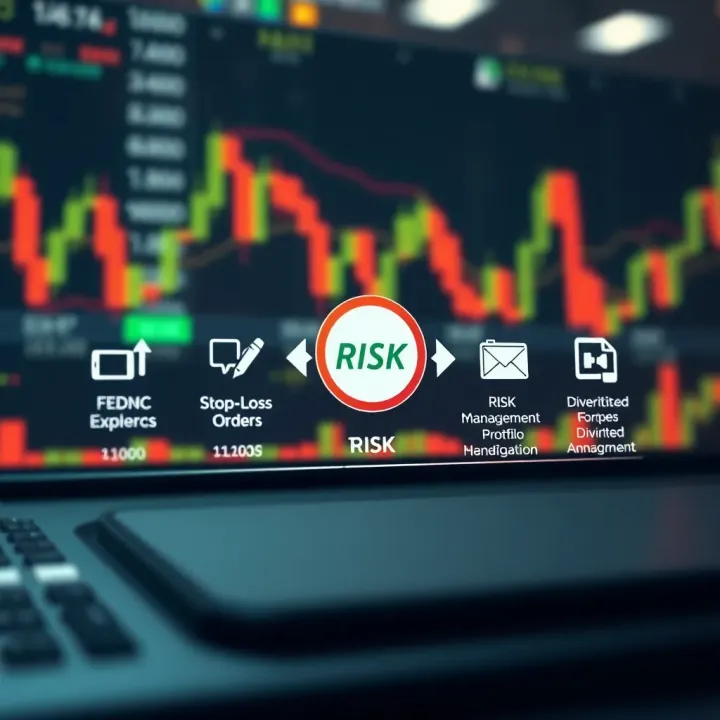
Start forex trading in Pakistan confidently 🇵🇰 Learn how to pick trusted brokers, manage risks, and build smart trading plans for real results.
🌍 Explore forex trading in Pakistan with clear tips on profit strategies, risks, regulations, and practical advice to trade foreign currencies confidently and safely.
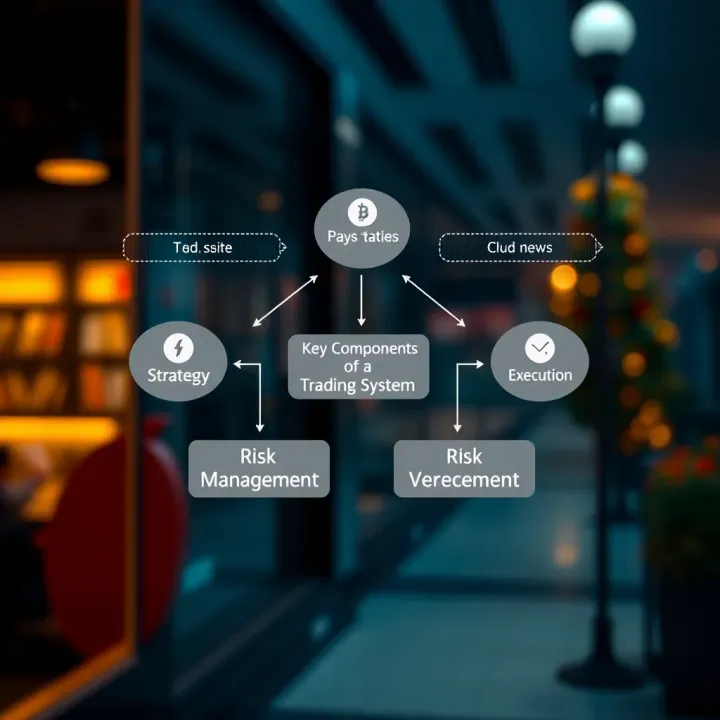
📈 Learn how forex trading systems work and discover key strategies, risk management, and tips tailored for Pakistani traders navigating the local financial market.
Based on 15 reviews