
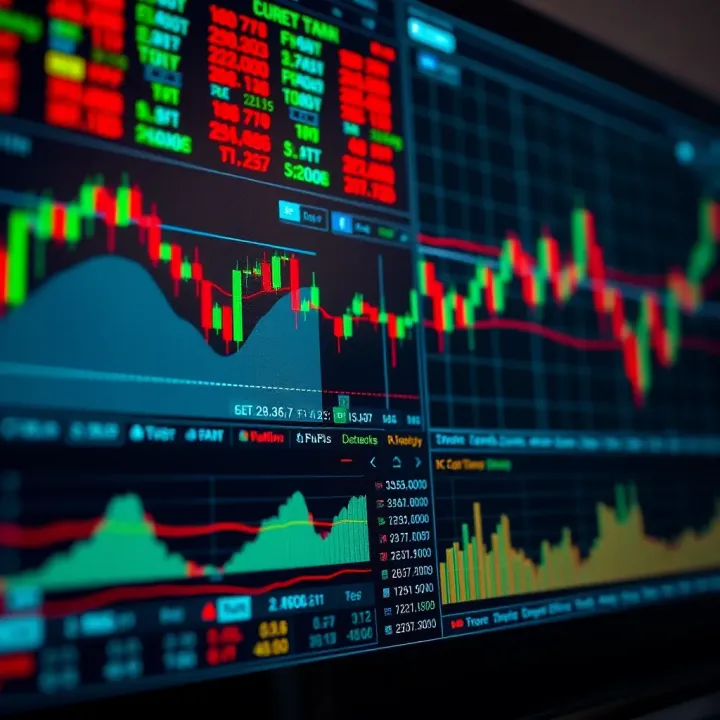
Understanding Forex Trading in Pakistan
🌏 Understand forex trading basics, risks, and strategies tailored for Pakistani investors. Learn about platforms, regulations & market dynamics to trade confidently.
Edited By
James Caldwell
Forex trading can seem complicated, especially when you first come across trading quotes. These quotes show the price of one currency against another, and they’re crucial for anyone looking to trade forex from Pakistan or anywhere else.
A typical forex quote looks something like this: USD/PKR 285.50/285.70. Here, the first currency (USD) is the base currency, and the second (PKR) is the quote currency. This quote means one US dollar is priced at 285.50 Pakistani rupees to sell and 285.70 to buy.

Understanding bid and ask prices helps you get the full picture:
Bid price is the rate at which the market is willing to buy the base currency—in this example, it’s Rs 285.50 for 1 USD.
Ask price is the price at which the market offers to sell the base currency, here Rs 285.70.
The difference between these is called the spread, which represents the broker's profit margin and market liquidity.
Knowing this helps Pakistani traders plan entry and exit points accurately, especially when dealing with fluctuating currency pairs like USD/PKR or EUR/PKR.
Keep in mind, forex quotes change constantly, reflecting real-time shifts due to economic news, interest rate decisions by the State Bank of Pakistan (SBP), or international events that affect investor sentiment.
Local factors such as Pakistan’s trade balance, political stability, and inflation figures influence the PKR's value. When the market hears about higher inflation or rising import costs, the PKR might weaken, altering the forex quotes accordingly.
For practical use:
Track real-time quotes through platforms like MetaTrader or local brokerage apps.
Observe spreads to avoid trading when they widen, which often happens during market volatility.
Combine quote analysis with economic calendar events for better timing, say before SBP’s monetary policy announcements.
By grasping these concepts early, you’ll be in a stronger position to interpret market signals and trade forex with more confidence and accuracy.
To trade forex effectively, you need to grasp the basics of forex trading quotes. These quotes reflect how much of one currency you need to buy another. Without understanding them, even the sharpest traders can lose out when the market moves unexpectedly. For Pakistani traders, this foundation helps in making smart decisions amid rupee fluctuations and global economic shifts.
Forex quotes show the value of a currency relative to another. Typically, they appear as pairs like USD/PKR or EUR/USD. The first currency in the pair is called the base currency, while the second is the quote currency. If the USD/PKR quote is 280.50, it means one US dollar is worth Rs 280.50. This price adjusts constantly, influenced by market demand, political developments, and economic indicators.
In forex trading, currencies always come in pairs because you’re exchanging one for another. Major pairs involve the US dollar and other strong currencies like the euro, yen, or pound. For example, EUR/USD is the euro against the US dollar. Cross currency pairs exclude the USD, such as EUR/GBP. Then there are exotic pairs like USD/PKR, which often shows higher volatility.
Understanding how pairs are represented helps you identify trading opportunities. A quote tells you how much of the second currency you need to purchase one unit of the first. For traders in Pakistan, following USD/PKR closely is vital because of the rupee’s sensitivity to economic policies.
The base currency stands first in the pair and acts as the reference point. The quote currency is the currency you use to value one unit of the base. For instance, if GBP/USD is quoted at 1.38, it means you need 1.38 US dollars to buy 1 British pound.
In forex, recognising which is the base and which is the quote currency is crucial—it affects your profit or loss calculations directly.
Knowing this matters for a trader trying to predict currency movements. When the quote rises, the base currency strengthens against the quote currency. If it falls, the base weakens. This core concept applies to trading pairs involving the Pakistani rupee or international currencies.
Having these basics clear lays the groundwork for understanding more complex topics like bid-ask spreads and market factors. Without solid knowledge here, you’ll struggle when trying to make quick decisions in Pakistan’s dynamic forex environment.
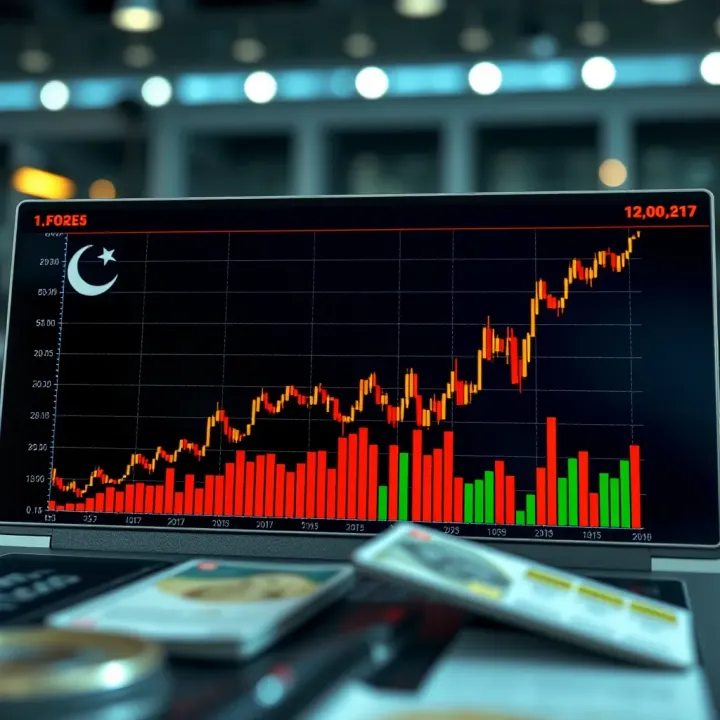
Forex quotes always include three important parts: the bid price, the ask price, and the spread between them. Understanding these components helps traders make smarter decisions and spot trading opportunities quickly.
The bid price shows what buyers are willing to pay for a currency pair. On the other hand, the ask price is the amount sellers expect to receive. If you want to sell currency, you get the bid price; if you want to buy, you pay the ask price.
For example, in the USD/PKR pair, if the bid price is 280.50 and the ask price is 281.00, this means buyers want to buy US dollars at Rs 280.50 per dollar, while sellers want to sell at Rs 281 each.
The difference between these two prices is crucial because trading happens within this gap.
The spread is the difference between the ask and bid prices. It represents the cost traders pay to enter a position. Brokers often profit from this spread rather than charging direct commissions.
A tight spread (small difference) is better for traders since it lowers the entry cost. Wide spreads mean higher costs, reducing potential profits.
In volatile markets or for less-traded currency pairs, the spread widens. That means Pakistani traders should keep an eye on spreads during important news events or when trading exotic pairs.
USD/PKR: Bid = 280.50, Ask = 281.00; Spread = 0.50
EUR/USD: Bid = 1.0850, Ask = 1.0853; Spread = 0.0003
GBP/USD: Bid = 1.2500, Ask = 1.2505; Spread = 0.0005
Here, the USD/PKR spread of 0.50 is quite large compared to EUR/USD or GBP/USD pairs due to lower liquidity and higher demand-supply imbalance.
To get an edge, Pakistani traders must choose brokers offering competitive spreads and be ready to adjust trading strategies based on spread fluctuations. Monitoring spreads during peak market hours, when liquidity is high, can also save costs.
In short, knowing how the bid, ask, and spread work makes forex trading more transparent and lets you control trading expenses better.
Forex quotes depend heavily on several factors that shape currency values. Understanding these elements helps traders predict movements and make smarter decisions. In Pakistan, where the rupee faces unique pressures, knowing what drives forex rates is especially useful.
Economic indicators like GDP growth, inflation rates, unemployment, and trade balances directly influence currency prices. For example, if Pakistan's inflation rises sharply, it can erode the rupee’s value because it reduces purchasing power. On the other hand, a strong GDP growth usually attracts foreign investment, increasing demand for the rupee and potentially raising its value. Traders often watch reports from the State Bank of Pakistan and Pakistan Bureau of Statistics for clues.
Economic data published monthly or quarterly triggers quick changes in forex quotes, so keep an eye on release schedules.
Political stability matters in forex markets. Uncertainty around elections, government changes, or policy shifts can shake investor confidence. For instance, political unrest in Pakistan has caused the rupee to slip several times in recent years. Sometimes a new government’s decisions on taxes or trade agreements also shift demand for the rupee. Traders in Pakistan must stay updated on local politics and international relations, especially with countries like China, the US, and Gulf states, as these affect foreign exchange flows.
Central banks play a strong role in forex rates by setting interest rates and managing money supply. The State Bank of Pakistan’s monetary policy announcements influence how attractive the rupee is to investors. Higher interest rates usually draw foreign funds seeking better returns, pushing the rupee up. Conversely, rate cuts might weaken the currency. The central bank can also intervene directly in forex markets to stabilise rates, which traders need to consider when planning their trades.
Knowing these key factors—economic data, political events, and central bank policies—gives Pakistani traders an edge. They can anticipate shifts in forex quotes and plan entries or exits accordingly, improving their chances of profitable trades.
Grasping forex quotes is a must for anyone trading currency in Pakistan. Understanding how to read and use these quotes can help you make smarter decisions, manage risks better, and spot opportunities early. Since the Pakistani rupee (PKR) is often influenced by local economic factors, learning to interpret forex quotes within this context is especially useful.
Start by identifying the currency pair and know which is the base and quote currency—for example, USD/PKR shows how many rupees are needed to buy one US dollar. Focus on the bid and ask prices; the bid is what buyers offer, and the ask is what sellers want. When the spread is narrow, trading is usually more cost-effective. If you see USD/PKR bid at 280.50 and ask at 280.60, it means you can sell USD at Rs 280.50 or buy at Rs 280.60.
Pay close attention to how small changes in these numbers affect your potential profit or loss. When the rupee is volatile due to news like changes in SBP’s policy rate or fluctuations in foreign aid inflows, interpreting these quotes precisely becomes vital to avoid losses.
Keep an eye on local financial news sources like business channels and newspapers, as they often report factors influencing the forex market—loadshedding schedules, political developments, or changes in export policies. Using Pakistani platforms like FX brokers registered with the Securities and Exchange Commission of Pakistan (SECP) can provide real-time and accurate quotes.
Also, consider economic indicators like Pakistan’s trade deficit reports or remittance inflows from overseas Pakistanis, since these impact PKR rates strongly. Setting alerts on your trading app for significant movements in pairs like USD/PKR or EUR/PKR can help you respond quickly.
Many Pakistani traders jump into trading without fully understanding spreads and may underestimate their impact. Avoid entering trades with wide spreads, as the cost eats into profits. Don’t rely solely on global forex news; local economic events often shift PKR rates drastically.
Sometimes traders focus only on the quote numbers without considering market context, leading to hasty decisions. Be cautious about emotions driving trades—volatile days following political announcements can make quotes swing wildly, so avoid impulsive moves.
Keep track of both international trends and local factors impacting forex quotes. This balance is key to using quotes effectively and trading successfully in Pakistan.
By reading quotes carefully, monitoring the right sources, and avoiding common traps, you can navigate Pakistan’s forex market more confidently and protect your investments.
Understanding how forex quotes react to Pakistan's economic landscape is essential for traders operating here. Local economic factors don't just shape the rupee's value; they also influence global perceptions and trading behaviour. This means Pakistani traders must stay alert to domestic changes to make informed decisions when reading forex quotes.
Pakistan's economy impacts forex rates primarily through trade balances, inflation, fiscal policies, and foreign exchange reserves. For instance, a widening trade deficit, like the one Pakistan experienced during FY 2023-24 due to increased imports and reduced exports, puts pressure on the rupee, pushing its value down against other currencies. Inflation spikes, when unchecked, reduce purchasing power and tend to weaken the PKR, affecting how currency pairs are quoted.
Government borrowing and budget deficits also play a role. When Pakistan's fiscal deficit rises sharply, investors see higher risk, which can lead to capital flight and force the rupee lower. On the flip side, improved foreign exchange reserves—say after receiving a sizeable IMF tranche or remittances inflow from overseas Pakistanis via platforms like JazzCash—can stabilise or strengthen the rupee.
Staying informed about these local economic indicators helps traders predict movements in forex quotes more confidently.
The rupee's frequent swings impact entry and exit points in forex trading. For example, sudden devaluations can either offer buying opportunities or amplify losses if not timed correctly. Traders must therefore monitor rupee trends carefully, using reliable sources and technical analysis.
Loadshedding, although seemingly unrelated, affects trading indirectly. Extended power outages disrupt internet connectivity and access to trading platforms, causing delays in executing trades and receiving timely quotes. This is especially problematic during volatile market hours. So, many Pakistani traders backup their connections with mobile data or use uninterrupted power supplies (UPS) to avoid missing crucial market moves.
To navigate forex effectively, relying on trusted local platforms is key. Websites and apps like Forex.pk, along with Pakistan Stock Exchange’s official resources, provide real-time, localised forex data reflecting the latest rupee trends. Banks like HBL and MCB also offer forex rates updated frequently, useful for cross-checking.
Using these local sources alongside global platforms helps Pakistani traders get a clearer picture. For example, while global platforms may show broad forex trends, local platforms adjust for specific market realities, such as government-imposed forex controls or sudden policy announcements.
In practise, combining multiple reliable data points and maintaining awareness of Pakistan’s unique economic conditions gives traders an edge in interpreting forex quotes correctly and making better trading decisions.
🌏 Understand forex trading basics, risks, and strategies tailored for Pakistani investors. Learn about platforms, regulations & market dynamics to trade confidently.

🌍 Explore forex trading in Pakistan with clear tips on profit strategies, risks, regulations, and practical advice to trade foreign currencies confidently and safely.
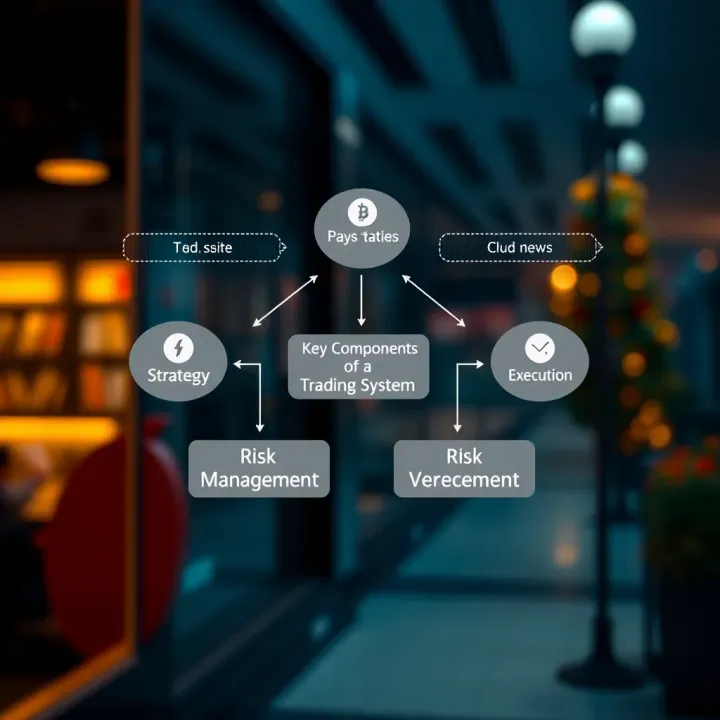
📈 Learn how forex trading systems work and discover key strategies, risk management, and tips tailored for Pakistani traders navigating the local financial market.
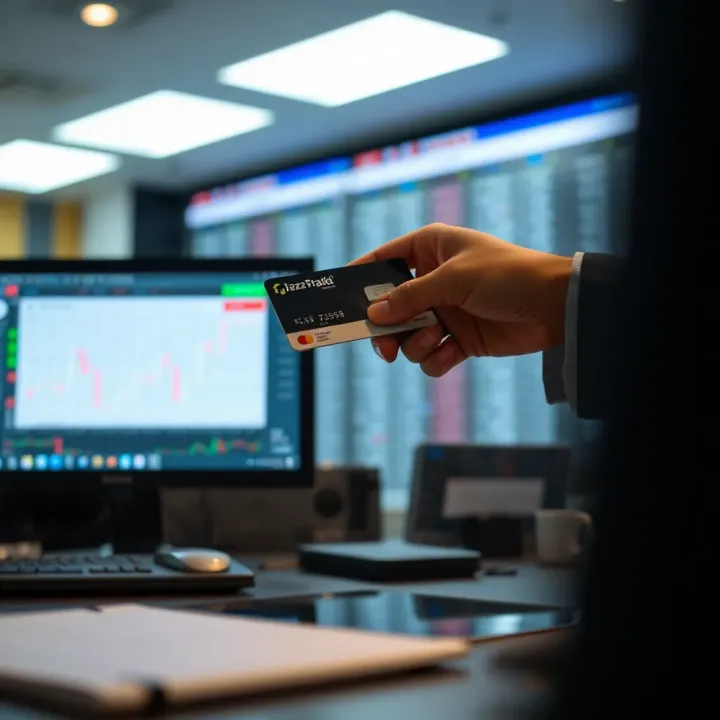
Learn forex trading in Pakistan 🇵🇰 with practical steps: basics, broker choosing, strategies, risk management, plus local tools like Easypaisa & JazzCash. 📈
Based on 12 reviews