
Forex Trading in Urdu PDF: Guide for Pakistani Traders
Learn forex trading in Urdu 🇵🇰 with this practical PDF guide designed for Pakistani traders. Understand basics, strategies, risk management & legal rules easily.
Edited By
Michael Andrews
Forex trading, or foreign exchange trading, involves buying and selling currencies to profit from fluctuating exchange rates. In Pakistan, with a growing interest in global financial markets, forex trading offers an accessible opportunity for traders who are ready to understand its practical workings.
The Pakistani rupee (PKR) often faces volatility due to economic factors including inflation, trade deficits, and government policies. Because forex trading focuses on currency pairs, knowing how these factors influence the PKR can give traders an edge. For example, when the SBP (State Bank of Pakistan) changes the policy rate, it can shift forex prices quickly.
Currency Pairs: Forex trading is always done in pairs, like USD/PKR or EUR/USD. One currency is bought while the other is sold.
Pip: The smallest price movement in a forex pair, generally the fourth decimal place.
Leverage: This lets traders control a bigger position with a small amount of capital, but it also increases the risk.
Spread: The difference between buying and selling price; tighter spreads reduce trading costs.
The forex market operates 24 hours across different time zones. Pakistani traders usually find the London and US sessions most active, aligning with peak PKT hours, making it important to trade when liquidity is high.
If a trader expects the USD to strengthen against the PKR due to a likely SBP rate hike, they might buy USD/PKR. If the rate moves in their favour, selling back at a higher rate earns profit. Conversely, an unexpected government announcement can cause rapid shifts, so monitoring news is crucial.
Knowing how political and economic events impact forex rates separate successful traders from those who just guess.
This article will guide you through these essentials, plus strategies and tools, giving you practical ways to improve your forex trading skills in the Pakistani market context.
Understanding the forex market is the first step to becoming a successful trader. It helps you grasp how global currency trading operates and why currencies fluctuate daily. For Pakistani traders, recognising these basics means you can better time your trades and avoid common pitfalls, especially considering how local factors like rupee volatility and political events affect the market.
Forex trading, short for foreign exchange trading, involves buying and selling currencies with the aim to profit from their changing values. Essentially, traders speculate on whether one currency will strengthen or weaken against another. For example, if you believe the US dollar will gain strength against the Pakistani rupee, you might buy USD/PKR with the hope to sell it later at a higher price.
Currencies are always traded in pairs, reflecting the value of one currency against another. This means when you buy one currency, you sell another simultaneously. For instance, buying EUR/USD means purchasing euros and selling dollars. This pairing is crucial because forex doesn't trade currencies in isolation; the always-relative nature affects how traders plan their positions.
The market includes various participants such as banks, central banks, multinational corporations, retail traders, and brokers. Banks and central banks manage currency reserves and influence monetary policy, impacting exchange rates. Retail traders, like many Pakistanis using online platforms such as MetaTrader, take smaller positions hoping to benefit from short-term fluctuations. Each participant affects liquidity and volatility, shaping trading opportunities.
Pip, lot, spread, leverage: A pip is the smallest unit of price movement, typically 0.0001 for most currency pairs. It's how traders measure gains or losses. A lot refers to the number of currency units traded; one standard lot equals 100,000 units. Traders often use leverage to control larger positions with a small amount of capital—Pakistani brokers commonly offer leverage up to 1:100. The spread is the difference between the buying (ask) and selling (bid) price, which represents the broker's fee. Understanding these helps manage risk and costs efficiently.
Bid and ask price: The bid is the highest price a buyer is willing to pay, and the ask is the lowest price a seller will accept. The spread between these two is where brokers earn profit. For example, if USD/PKR bid is 280.50 and ask is 280.55, the 0.05 difference is the spread. Knowing this helps traders decide entry and exit points accurately.
Long and short positions: Going long means buying a currency pair expecting it to rise, while going short means selling it expecting a drop. For instance, if you go long on GBP/USD at 1.3800, you profit when the rate moves above that. Conversely, shorting works the opposite way. These strategies allow traders to benefit from both up and down markets, which suits volatile currency environments like Pakistan's.
Mastering these basics gives Pakistani traders the foundation to navigate forex with confidence and make informed decisions that protect their capital while aiming for growth.
Opening a forex trading account is the first real step for any Pakistani trader keen to participate in global currency markets. Without a proper account, you cannot execute trades or access live market data. Choosing the right account ensures smooth transactions, regulatory protection, and better trading conditions. Since the forex market is highly liquid and operates 24/5, having a dependable broker and a correctly set up account makes a significant difference to your trading experience.
Regulated brokers follow specific rules that protect traders’ funds and ensure transparency in operations. Unregulated brokers can disappear with your money or manipulate prices. In Pakistan, it is wise to deal with brokers licensed by respected international authorities like the Financial Conduct Authority (FCA) or the Australian Securities and Investments Commission (ASIC). These regulators enforce investor protection laws, giving you some peace of mind when trading.
Pakistan Telecommunication Authority (PTA) oversees online and telecom services. Using PTA-approved brokers ensures smooth internet connectivity for trading platforms and reduces risks of account suspensions or transaction blocks. Many Pakistani traders rely on brokers officially recognised by PTA, which in turn facilitates faster and more reliable deposits and withdrawals via local payment solutions.
Most brokers offer various account types—standard, mini, and Islamic accounts. Islamic accounts comply with Shariah law and do not charge overnight swap fees, which suits Pakistani traders observing Islamic finance principles. Minimum deposits vary, often starting from as low as $100 to $500 or more. Traders should pick account types based on their risk appetite and capital availability. For example, beginners might start with a mini account requiring Rs 20,000 to 40,000 as equivalent funds.
Opening a forex account begins with completing an online registration form providing personal and contact details. Most brokers offer easy-to-navigate platforms for this. Accuracy in information matters to avoid delays later during verification. Some brokers require uploading a photo identity document like the CNIC (Computerised National Identity Card) immediately during signup.
Know Your Customer (KYC) rules mandate verifying your identity before trading. Submitting a valid CNIC copy and proof of address is necessary. This step prevents fraud and money laundering, assuring brokers that their clients are genuine. Verification usually completes within a few working days, after which you get full account access.
Many Pakistani traders prefer using JazzCash or direct bank transfers for funding accounts due to convenience and lower fees. These methods offer quicker transaction times compared to international wire transfers. For instance, depositing Rs 50,000 via JazzCash usually reflects in the trading account within hours. Ensure your broker supports local payment systems to simplify funding and withdrawals.
Opening a forex trading account in Pakistan demands careful attention to broker regulation, payment options, and KYC compliance to protect your capital and trade confidently.
By following these steps, Pakistani traders can start trading forex with less hassle and more assurance.
Trading forex successfully in Pakistan means understanding not just the market but also the strategies and tools that help you make informed decisions. Core strategies allow traders to respond to market movements with clarity, while technical tools provide the means to analyse price data and predict trends. Together, they offer practical advantages like minimising risks and improving timing for entry and exit points.
Day trading involves buying and selling currency pairs within the same trading day, avoiding overnight positions. It's suitable for traders who can monitor the market closely. Scalping takes this to a faster pace, where trades last only a few minutes or even seconds, aiming to profit from small price fluctuations. For example, a Karachi-based day trader may open and close multiple USD/PKR trades during Pakistan Stock Exchange (PSX) hours, capitalising on short-term volatility.
Swing trading focuses on capturing price movements over several days or weeks, giving traders more time to analyse trends and news without the intense monitoring required by day trading. This strategy suits those balancing trading with other commitments. For instance, a Lahore trader might hold a position in EUR/USD for a week, waiting for a clear upward trend before selling, instead of making multiple quick trades.
Fundamental analysis evaluates economic indicators, political events, and central bank policies to predict currency strength. In Pakistan, traders watch State Bank of Pakistan (SBP) announcements, inflation data, and geopolitical developments closely. For example, a sudden change in the SBP policy rate can influence PKR value, and traders using fundamental analysis adjust their positions accordingly.
Candlestick charts display open, high, low, and closing prices over specific intervals, giving a visual snapshot of market sentiment. Pakistani traders often use 15-minute or hourly candlestick charts to spot trends or reversal patterns. For example, spotting a "hammer" candlestick pattern on USD/PKR may indicate a potential price rise, prompting a buy.
Indicators such as the Relative Strength Index (RSI) and Moving Average Convergence Divergence (MACD) help assess market momentum and trend strength. RSI signals if a currency pair is overbought or oversold, while MACD highlights bullish or bearish shifts. These tools assist traders in deciding timely entries or exits, critical in volatile conditions like during elections or policy changes in Pakistan.
Support and resistance mark price levels where buying or selling pressure tends to appear, creating barriers in price movement. Identifying these can guide stop-loss placement and profit targets. For instance, if USD/PKR repeatedly struggles to break above Rs 280, a trader may sell near that resistance, avoiding the risk of losses if the price reverses.
Successful forex trading in Pakistan hinges on combining tested strategies with reliable analysis tools, adapting them to local market rhythms and news flow.
Using these strategies and charting techniques gives traders a clearer edge to navigate Pakistan’s forex market challenges and opportunities.
Risk management is the backbone of successful forex trading. Without proper controls, even the best strategies can lead to heavy losses. Protecting your capital means living to fight another day in the market, especially in Pakistan’s volatile environment where external factors can hit unexpectedly.
Setting stop-loss and take-profit orders helps traders limit losses and secure profits automatically. For example, if you buy USD/PKR at Rs 280 and set a stop-loss at Rs 275, your trade will close to prevent further loss if the price falls. Similarly, setting take-profit at Rs 290 ensures you lock in gains without needing to monitor constantly. These orders keep your emotions out of quick calls, providing a safety net during sudden market swings.
Controlling leverage and position size is another key to risk management. Using high leverage can multiply gains but also magnifies losses, which is dangerous if the market moves against you. For instance, a 100:1 leverage means a small 1% price drop can wipe out your entire investment. Pakistani traders should consider conservative leverage, often 10:1 or lower, especially when starting. Smaller position sizes help manage exposure, preventing a single bad trade from draining your account.
Avoiding emotional trading is equally essential. The market’s ups and downs can trigger fear or greed, causing rash decisions like holding losing positions too long or chasing quick profits. Keeping a clear plan and sticking to set limits helps maintain discipline. Regularly reviewing performance and accepting losses as part of trading prevents impulsive mistakes that often lead to bigger problems.
Managing volatility due to geopolitical events requires awareness and caution. Pakistan’s currency often reacts sharply to political unrest, regional tensions, or policy announcements. Traders should monitor local news closely and reduce risk ahead of uncertain events, perhaps by tightening stop-losses or lowering trade sizes.
Banking regulations impact forex transfers as Pakistan has certain restrictions on foreign currency movements and transfer limits. This can delay deposits or withdrawals and affect timely trading decisions. Using PTA-approved brokers with integrated local payment methods like JazzCash or bank transfers helps smooth this process, but always plan for possible delays.
Handling internet and power outages is a very real challenge for Pakistani traders. Loadshedding or unstable internet can disrupt your trades at critical moments. Using a reliable backup power source like UPS, mobile internet on 4G/5G, or trading through apps that offer offline features can help. Setting automated orders and alerts also reduces the risk when you can’t monitor the screen continuously.
Managing risk is not just about avoiding losses—it’s about ensuring you stay in the game long enough to see consistent profits. For Pakistani traders, careful attention to local market quirks and controlled trading behaviour makes a big difference.
By focusing on these risk management tactics, you build a stable foundation for your forex trading journey, turning challenges into manageable parts of your strategy.
Starting forex trading without a solid foundation often leads to avoidable losses. Practical tips are essential here because they help you build skills, manage risks, and grow steadily rather than rushing into trades blindly. This section focuses on hands-on approaches to start trading confidently while safeguarding your capital and developing the discipline needed for long-term success.
Using demo trading accounts is a smart way to practice forex trading without putting your cash at risk. These accounts simulate real market conditions, letting you place trades, test strategies, and understand market dynamics with virtual money. For instance, many Pakistani traders use demo accounts offered by local PTA-approved brokers to get familiar with the trading platform and order types before moving to live accounts.
Backtesting strategies with historical data adds another layer of preparation. Here, you apply your trading method to past market data to see how it would have performed. Consider a trader testing a moving average crossover strategy on five years of USD/PKR data. If this approach shows consistent profits historically, the trader gains confidence to try it live. Backtesting is particularly helpful in volatile markets like Pakistan where geopolitical events impact currency pairs.
Keeping a trading journal is a simple yet effective discipline tool. Record every trade’s details: entry and exit points, reasons for trade, emotional state, outcome, and lessons learned. Over time, this log reveals patterns in your behaviour—such as chasing losses or ignoring stop-loss orders—which you can correct. For example, a trader noticing frequent losses due to ignoring stop-losses will become more cautious in future trades.
Continuous learning through Urdu resources ensures you stay updated on market trends and new strategies in a language you understand best. Books, YouTube channels, and local forex blogs tailored to Pakistani traders provide practical insights without language barriers. This ongoing education helps you adapt to changes and improve your trading edge.
Joining local forex communities provides a real-world support network. Groups on platforms like WhatsApp or Telegram allow you to discuss trades, share tips, and stay informed about local regulations or broker changes. These interactions often prevent mistakes and encourage steady progress. For instance, members might alert each other about changes in PTA-approved brokers or banking rules affecting forex deposits.
Starting forex trading with practical small steps builds confidence and skill while protecting your capital. Use demo accounts, backtest your strategies, document your trades, keep learning, and connect with fellow traders to grow steadily. This approach suits the Pakistani market’s unique challenges and opportunities well.
Learn forex trading in Urdu 🇵🇰 with this practical PDF guide designed for Pakistani traders. Understand basics, strategies, risk management & legal rules easily.
🌍 Explore forex trading in Pakistan with clear tips on profit strategies, risks, regulations, and practical advice to trade foreign currencies confidently and safely.
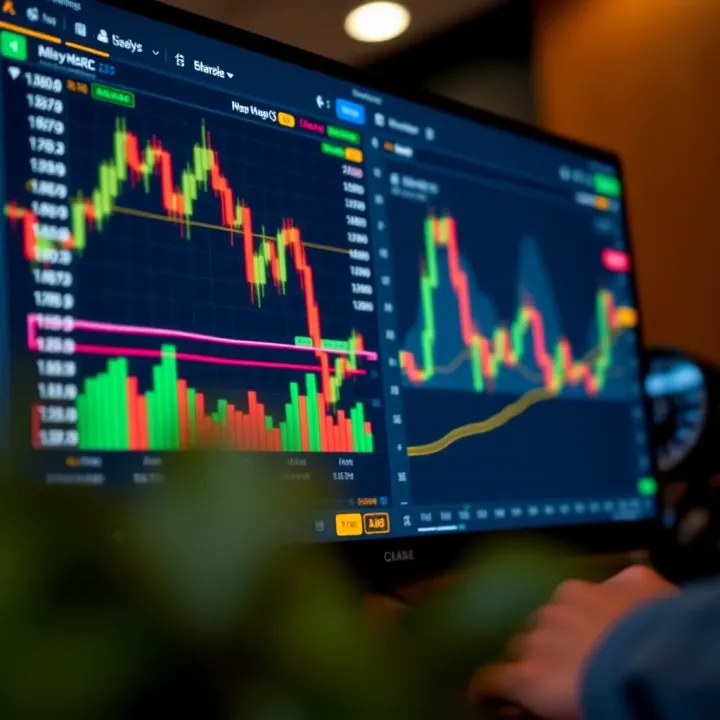
📈 Explore forex trading in Pakistan with insights on regulations, trusted platforms, risks, and local challenges. Stay informed to make smarter trading decisions.
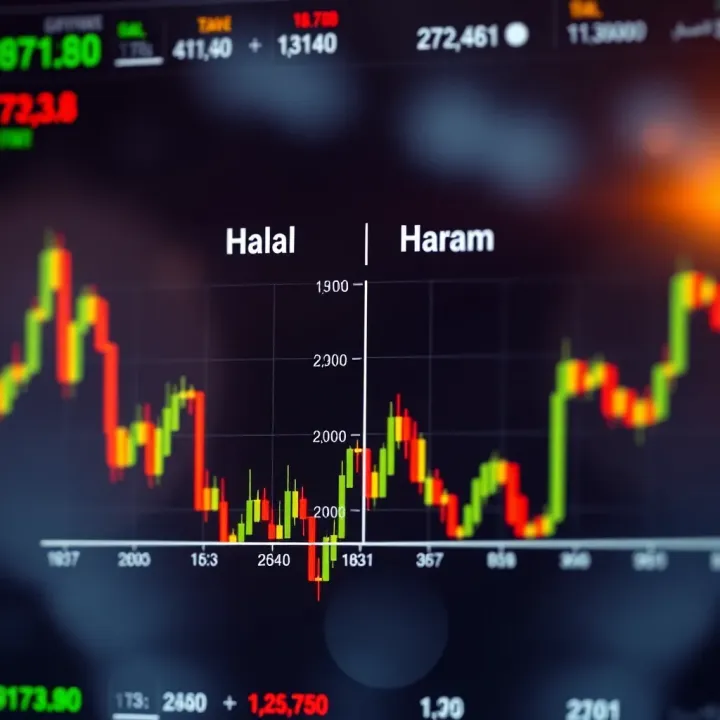
Wondering if forex trading is halal or haram? 📈 This Urdu guide explains Islamic principles like riba and gharar, plus how to trade currencies following Shariah law.
Based on 13 reviews