
Forex Trading Guide for Pakistani Traders
📈 Learn practical forex trading tips, key strategies, risk management, Pakistani platforms, and regulations to trade confidently in Pakistan’s market environment.
Edited By
George Harris
Forex trading is emerging as a popular way to enter financial markets in Pakistan. It involves buying and selling currencies to profit from changes in exchange rates. While it offers real potential for earnings, it demands a solid understanding of how global economic factors move currency pairs and the ability to manage risk carefully.
Unlike traditional stock trading, forex operates 24 hours a day, five days a week, making it accessible regardless of your time zone. For Pakistani traders, this means you can trade even outside regular market hours, adjusting for PKT (Pakistan Standard Time).
To get started in forex trading, you need a few basic tools:
A reliable internet connection and a computer or mobile device
Access to a forex broker authorised by the Securities and Exchange Commission of Pakistan (SECP) or an internationally recognised brokerage with PTA approval
A trading platform like MetaTrader 4 or 5, commonly used in Pakistan
Without these essentials, trading becomes difficult and risky.
It’s crucial to begin by learning the main currency pairs, including common majors like USD/PKR, EUR/USD, and GBP/USD. Understanding how global events impact these pairs — such as changes in US Federal Reserve rates, oil prices, or Pakistan’s trade balance — helps make informed decisions.
Remember, forex trading is not a quick way to get rich. Like any investment, it takes patience, study, and discipline. Avoid rushing into trades without preparation or relying solely on tips from informal sources.
This guide will walk you through each step, from grasping forex basics to building skills, choosing brokers, and tackling challenges unique to Pakistani traders. With the right approach, forex trading can become a calculated business rather than a gamble.
Start with small investments and practise using demo accounts before risking real rupees. This helps you learn the ropes while protecting your capital.
Next, we will explore the fundamental concepts of the forex market and how to interpret currency price movements effectively.
Grasping the fundamentals of forex trading is the foundation every trader in Pakistan must build before risking real money. Understanding how currencies are traded, the market setup, and trading terminology helps avoid costly mistakes and builds confidence. Without these basics, one may fall prey to misconceptions or scams that flourish in the forex space.
Forex trading means buying one currency and selling another simultaneously. These currency pairs, like USD/PKR or EUR/USD, show how much of the quote currency you get in exchange for one unit of the base currency. For instance, if USD/PKR trades at 280, you need Rs 280 to buy one US dollar. This system lets traders speculate on currency movements and potentially profit from favourable changes.
The forex market is the largest financial market globally with daily volumes over $6 trillion. It operates 24 hours a day, five days a week across major financial centres such as London, New York, and Tokyo. This constant activity creates opportunities for Pakistani traders to enter at almost any time, but also means understanding market hours and sessions matters for timing trades effectively.
In forex, a pip is the smallest price movement for a currency pair, often 0.0001, except for pairs involving the Japanese yen where it’s 0.01. Lots represent the size of the trade; a standard lot is 100,000 units of base currency, but mini and micro lots allow smaller trades. Leverage lets you control a larger position with a small amount of money, but it can magnify both profits and losses. Spread refers to the difference between the buy (ask) and sell (bid) price, which is how brokers make money. Margin is the amount you need in your account to open a position, essentially a security deposit.
Brokers act as the middlemen providing access to the forex market via trading platforms. Choosing a reliable broker that is regulated by recognised bodies, offers competitive spreads, and has solid customer support is essential in Pakistan’s environment where scams are unfortunately common. Platforms like MetaTrader 4 or 5 are popular because they offer user-friendly charts, tools, and automated trading capabilities. The broker’s platform is your main tool, so understanding how to use it is critical for making smart trades.
Knowing these basics sets you up to trade responsibly and spot unrealistic claims. It’s better to start cautiously, armed with knowledge, rather than rushing in blindly.
Mastering the basics first will make the learning curve smoother and help you navigate the unpredictability of forex trading with better judgement and resilience.
Successful forex trading hinges on mastering specific skills and acquiring relevant knowledge. Without them, even the best strategies might flop when put into real market conditions. For traders in Pakistan, understanding both technical and fundamental aspects can provide a solid base to navigate currency volatility, manage risks, and spot opportunities.
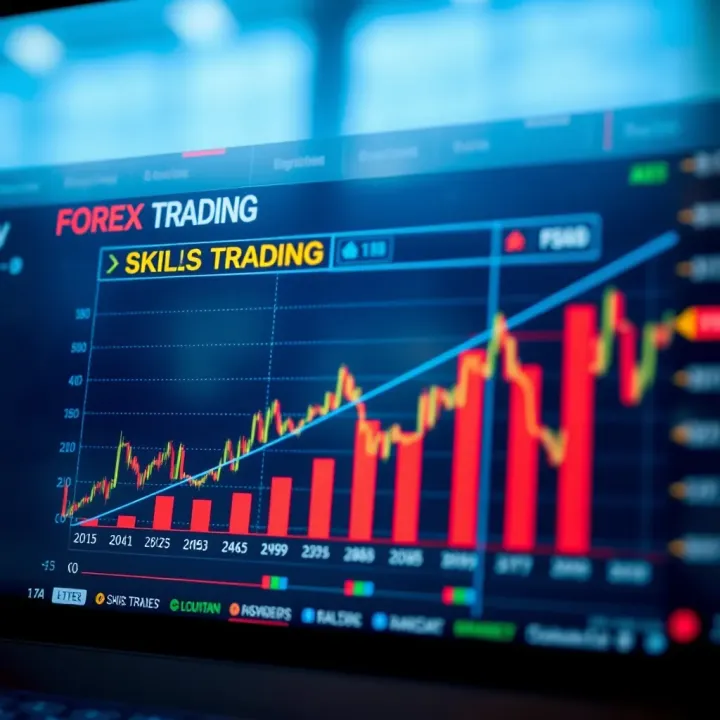
Identifying trends and support/resistance levels is a foundational skill in forex trading. Trends show the general direction of a currency pair's price — whether upward, downward, or sideways. For instance, if USD/PKR is consistently moving higher over weeks, it's in an uptrend. Support levels act like a price floor where buying interest emerges, while resistance forms a ceiling where selling pressures build up. Traders often watch these levels to decide when to enter or exit trades, aiming to buy near support and sell near resistance.
Popular technical indicators and patterns help traders quantify these movements and make informed decisions. Indicators like the Moving Average Convergence Divergence (MACD) or Relative Strength Index (RSI) reveal momentum shifts and overbought or oversold conditions. Chart patterns such as head and shoulders or double tops/bottoms signal potential reversals or continuations. These tools work best when combined—for example, a bearish divergence in RSI near a resistance level can alert a trader to a possible price drop.
Economic indicators have a direct impact on currency values. Data points like Pakistan’s inflation rate, GDP growth, trade balance, and interest rate decisions can cause sharp currency moves. For example, an increase in the State Bank of Pakistan's policy rate typically strengthens the rupee, attracting investors seeking higher yields. Watching Pakistan’s inflation trends alongside the US dollar’s economic health helps traders estimate USD/PKR movements more accurately.
Geopolitical events and central bank policies often override technical signals. Political instability or sudden changes in government can affect investor confidence, triggering rapid swings in currency pairs. Central banks like the SBP or the US Federal Reserve set monetary policies that influence supply, demand, and market sentiment. For example, if the SBP announces easing measures to boost the economy, the Pakistani rupee might weaken in the short term due to increased liquidity. Keeping an eye on such developments allows traders to adjust their positions and manage risks better.
Developing both technical and fundamental analysis skills sharpens a trader’s ability to interpret market behaviour, especially in the dynamic Pakistani forex environment.
Having these skills provides a practical edge, letting traders stay alert to market signals and avoid costly mistakes.
Starting forex trading in Pakistan involves a few critical steps to ensure a smooth entry into this complex market. Understanding these steps helps new traders avoid costly mistakes and build a strong foundation. From choosing the right broker to using demo accounts and utilising educational resources, each stage prepares you for real trading challenges.
In Pakistan, selecting a reliable forex broker demands careful consideration. Due to the unique regulatory environment, it is essential to pick brokers that offer transparent fee structures, competitive spreads, and convenient deposit and withdrawal options compatible with Pakistani banks or popular local payment services like JazzCash and Easypaisa. Local familiarity with currency management and customer support in Urdu or English also adds value.
Regulation matters a lot. Brokers regulated by well-known authorities such as the UK's FCA or Australia’s ASIC may instil more trust, but it’s equally important that brokers comply with Pakistan Telecommunication Authority (PTA) guidelines and respect State Bank of Pakistan (SBP) rules, especially regarding fund transfers. Good customer support is vital, especially for beginners who might need swift help with account issues or trading platform troubles. Look for brokers that offer quick response times and multiple contact options.
Demo accounts let beginners trade virtual money without financial risk. This practice is crucial to understand how trading platforms work and to test strategies in market-like conditions. Pakistani traders can use demo accounts provided free by brokers such as IG or FXTM to gain confidence before committing real funds.
However, transitioning from demo to live trading requires discipline. Many traders get too comfortable with virtual money and fail to manage emotions when actual money is on the line. Start by trading with small amounts, set strict stop-loss levels, and treat real trading with more caution to avoid common pitfalls like overtrading or emotional decisions.
Books and online courses tailored for Pakistani traders can bridge the knowledge gap. Titles like "Forex for Beginners" by Anna Coulling provide straightforward lessons, while platforms like Udemy offer courses by instructors familiar with regional market dynamics. Local workshops, often organised by trading communities in Karachi or Lahore, provide hands-on learning and networking opportunities.
Forums and social media groups serve as practical tools for staying updated. Communities on platforms such as Pak Traders and Facebook groups help traders exchange tips, share market news, and discuss pitfalls to avoid. Active participation in these groups fosters continuous learning and keeps one aware of scams common in the local context.
Practical Tip: Always cross-verify educational material and broker credentials to avoid falling prey to fraudulent schemes prevalent in the Pakistani forex scene.
By following these steps carefully, Pakistani traders can build a solid grounding in forex trading, reducing risks and increasing chances of success.
Managing risks effectively is vital in forex trading, especially in Pakistan where market volatility and broker reliability vary significantly. Without proper risk control, traders can face heavy losses on their capital. Likewise, knowing how to steer clear of common pitfalls and scams protects both your money and peace of mind. This section offers practical strategies for managing risk and highlights warning signs of fraudulent practices.
Setting stop-loss and take-profit orders helps automate decisions to exit trades at predetermined levels. A stop-loss order limits your loss by automatically closing a position if the market moves against you beyond a set point. For instance, if you buy USD/PKR at Rs 280 and set a stop-loss at Rs 275, your trade closes if the rate drops to Rs 275, preventing larger losses. Take-profit orders work similarly on the upside, locking in profits once a target price is reached. These tools guard your capital and enforce discipline, preventing emotional decision-making when markets become unpredictable.
Avoiding over-leverage and emotional trading is another key to risk control. Leverage allows traders to control large positions with small capital, but excessive leverage can wipe out your account swiftly. In Pakistan, some brokers offer leverage up to 1:500—tempting but risky. Using modest leverage, like 1:10 or 1:20, reduces exposure. Emotional trading, driven by fear or greed, often leads to chasing losses or overtrading. Sticking to a trading plan and taking breaks can prevent such mistakes. Remember, successful traders trade with their head, not emotions.
Typical forex scams in Pakistan include promises of guaranteed returns, unlicensed brokers, and pyramid schemes. Sometimes scammers lure beginners with unrealistic bonuses or pressure to deposit large sums quickly. For example, a broker claiming “100% profit in one week” without clear terms should raise suspicion. These scams prey on lack of awareness and the desire for quick money, posing a real threat to novice traders.
Tips to verify legitimacy of brokers and services revolve around careful checking and due diligence. Always confirm if the broker is registered with the Securities and Exchange Commission of Pakistan (SECP) or authorised by reputable international regulators like the FCA or CySEC. Look for transparent contact details, verified business addresses, and customer reviews on trustworthy platforms. Avoid brokers with non-transparent fee structures or those refusing proper documentation. Using demo accounts before investing real money can also reveal the broker’s reliability.
Protecting your capital through solid risk management and avoiding scams is not just smart—it’s essential for surviving and growing in forex trading. Planning, discipline, and cautious broker selection save you from many common losses.
Managing risk and spotting scams keeps your trading sustainable. Take your time to learn these aspects well before committing significant funds in the forex market.
Success in forex trading doesn't come overnight, especially in a market as dynamic as Pakistan's. Making the most of your trading journey means building clear strategies, staying disciplined, and continuously learning. This approach keeps you prepared to manage risks and leverage opportunities as currency fluctuations respond to local and global events. For instance, traders who adapt their strategies during Pakistan’s budget announcements or SBP monetary policy changes often safeguard their investments better.
Setting goals and choosing the right trading style forms the backbone of your trading plan. Whether you prefer day trading, scalping, or swing trading, your goals should be realistic and tailored to your risk tolerance. A trader targeting Rs 10,000 profit per week might opt for lower-risk day trades, while someone with more risk appetite might choose longer-term swing trades aiming for bigger returns. Knowing your style helps you stay focused and avoid chasing random trades.
Keeping a trade journal is a simple yet powerful tool to track your progress. Recording details such as entry and exit points, reasons for trades, and emotional state helps identify what works and what doesn’t. For example, if you notice repeated losses during Karachi market hours, you can adjust trading times or refine your strategy. Over time, journals help you remove guesswork, making your trading decisions more data-driven and less impulsive.
Forex markets never stand still. Keeping up with market changes and new tools is essential for staying competitive. Pakistani traders benefit from following updates on SBP policies, political developments, and global economic news which can swiftly affect PKR exchange rates. Using modern trading platforms that offer advanced charting and real-time news feeds gives you an edge to spot new opportunities or emerging risks.
Learning from mistakes and refining strategies turns losses into valuable lessons rather than setbacks. If a particular strategy led to a string of losses, reviewing what went wrong—be it poor entry timing or ignoring risk management—allows adjustment. Some traders use peer discussions or local forex communities to exchange insights, which can highlight blind spots. This ongoing evaluation sharpens your skills and increases the chance of consistent profits.
Developing patience and discipline alongside learning can transform forex trading from a risky gamble to a manageable business pursuit, especially in Pakistan’s unique economic context.
📈 Learn practical forex trading tips, key strategies, risk management, Pakistani platforms, and regulations to trade confidently in Pakistan’s market environment.
🌍 Explore forex trading in Pakistan with clear tips on profit strategies, risks, regulations, and practical advice to trade foreign currencies confidently and safely.
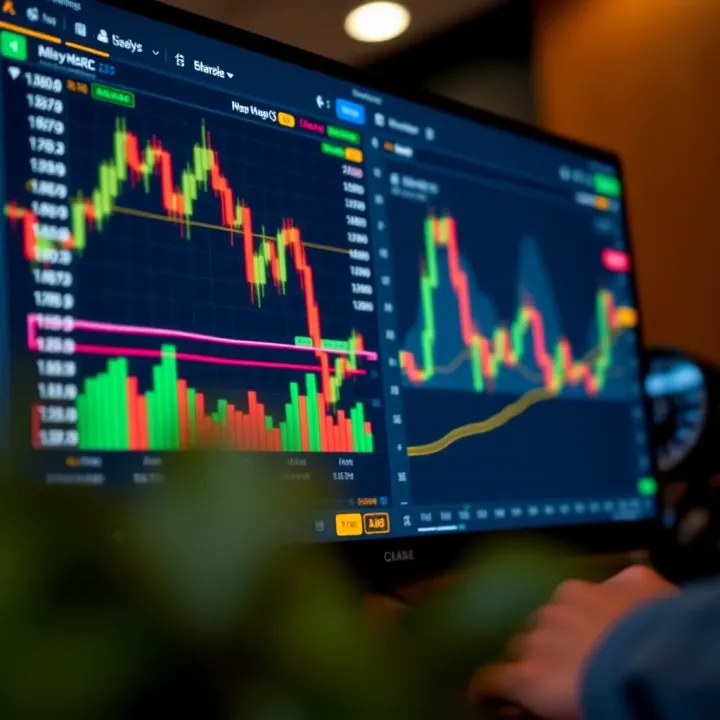
📈 Explore forex trading in Pakistan with insights on regulations, trusted platforms, risks, and local challenges. Stay informed to make smarter trading decisions.

Explore gold forex trading in Pakistan💰 Learn how to trade gold against currencies, spot price factors, apply strategies, and manage risks wisely📈
Based on 14 reviews